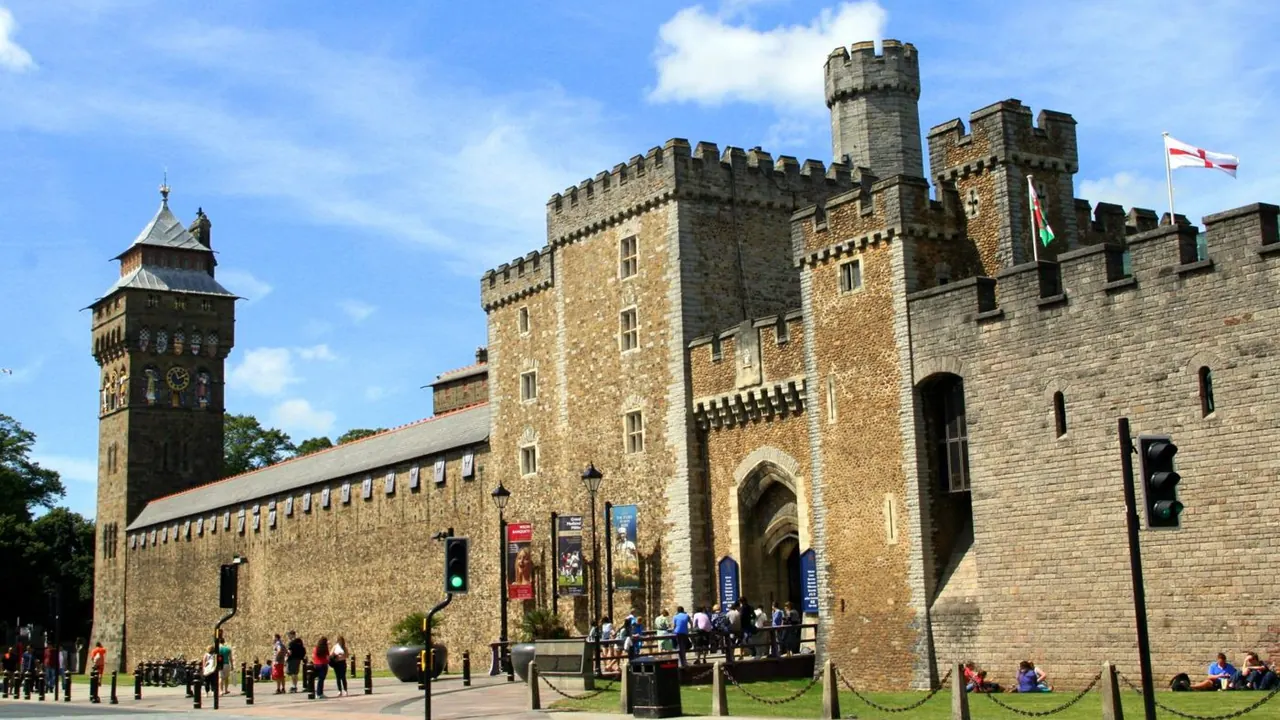
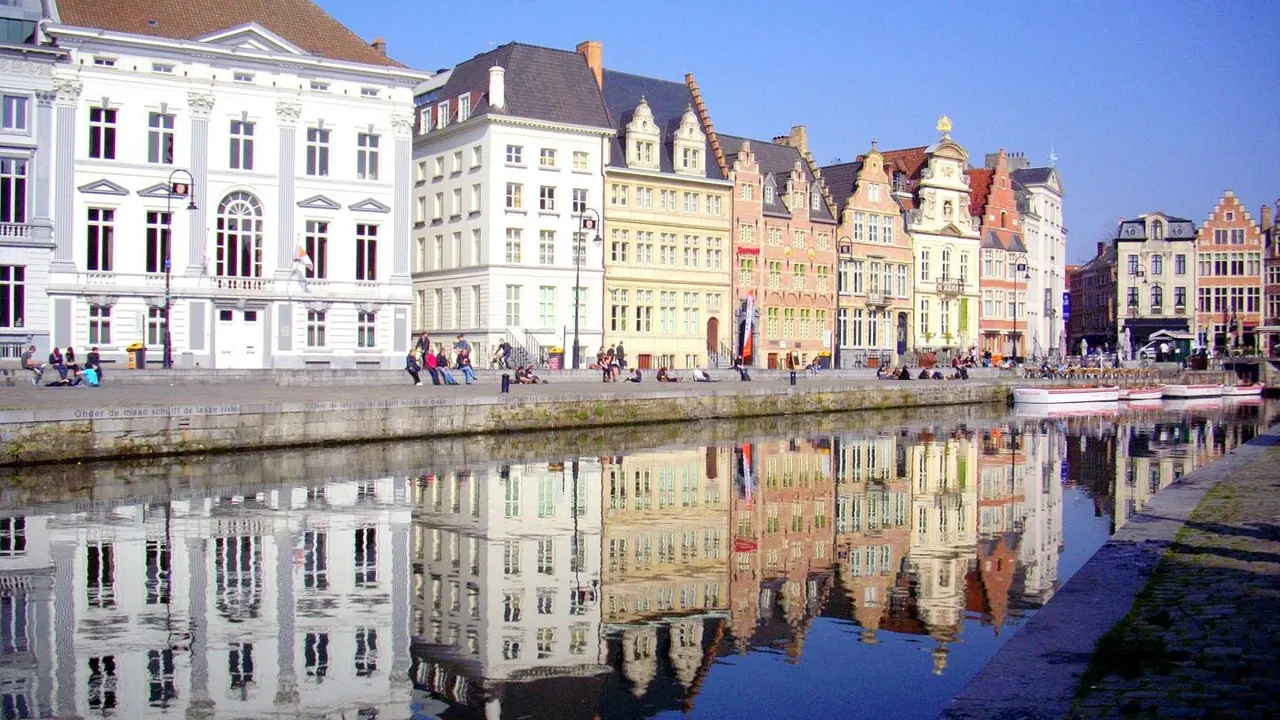
Photos: Cardiff by Tevfik Teker, CC BY 3.0, cropped; Ghent by ykeiko, CC BY-SA 3.0, cropped.
Cardiff or Ghent?
Our verdict in twelve categories, each scored against the same fixed benchmark cities, and the climate month by month, so you can choose for your trip.
Choose Cardiff for
- nature and the outdoors
- families
- prices
Cardiff suits travellers who want a city with hills and coast close by. Bute Park and the Taff Trail start at the castle walls, the Brecon Beacons are about an hour's drive away, and the Wales Coast Path runs past Penarth, so you can split a trip between town and moorland. It is also the easier of the two with children and a little lighter on the wallet, helped by free national museums and short, cheap train rides to Caerphilly and Barry Island.
Choose Ghent for
- food and drink
- day trips
- culture and sights
Choose Ghent if you travel for old streets, paintings and beer. Its medieval centre around the Graslei and the van Eyck altarpiece in St Bavo's outclass Cardiff's mostly Victorian streets, Flemish cooking and brown cafés give the evenings more substance, and the car-free core makes it effortless on foot. With Bruges, Brussels and Antwerp a short train ride away, it is also a superb base for a wider tour of Flanders.
Scoreboard
Twelve categories on one fixed scale from 0 to 100. The shaded stretch is the gap between the two.
Your match
Pick a travel style or drag the sliders, and both match scores follow your weighting.
Too close to call, 2 points apart
Wins on nature and the outdoors and families with your weighting.
Wins on food and drink and day trips with your weighting.
What matters to you?
Category by category
What the scores mean for a trip.
Beaches & swimming
Neither city is a place to plan a beach vacation around, but the options differ. From Cardiff, Barry Island's sandy bay and funfair are half an hour by train, Penarth has a pebble shore and a pier, and the wider sands of the Gower are worth the longer drive.
Ghent is inland. Swimming there means the lake beach at Blaarmeersen on the western edge, or a train ride of about an hour to Ostend, where the coast tram runs past dunes and broad North Sea sand. The water is cool in both places, so expect paddling rather than long swims.
Food & drink
Ghent gives you more to look forward to at the table. Waterzooi, beef stewed in dark beer, grey shrimp croquettes and frites in paper cones are dishes with a real local identity. The better restaurants cluster in the lanes of the Patershol, and vegetarians are unusually well looked after. The Trappist and lambic beers in old brown cafés are worth an evening on their own.
In Cardiff, Welsh food is harder to find: Welsh cakes off the griddle in the Victorian market, cawl, laverbread and good lamb and cheese. The best eating is in the bistros of Pontcanna and Canton and along City Road's run of Middle Eastern and South Asian kitchens, while the Bay is better for the view than for the food.
Culture & sights
Ghent's historic centre is older and has much more to see. The guildhalls along the Graslei and Korenlei, the twelfth-century Gravensteen and the UNESCO-listed belfry and beguinages make up a medieval centre that is still in daily use. The van Eyck altarpiece in St Bavo's is a reason to travel in itself.
Cardiff's sights are fewer and younger. The castle's Victorian Gothic rooms, the Impressionists at the National Museum and the rebuilt Welsh buildings at St Fagans are all worth your time, but most of what you see dates from the coal-port boom of the nineteenth century.
Nightlife
Both cities fill a couple of nights well, but they feel different. Cardiff is louder and more mainstream, with big Saturday crowds on St Mary Street and rugby days that turn the centre red. Womanby Street, with its small alternative bars and late venues, is the more interesting corner.
Evenings in Ghent lean towards long sessions over strong beer in the cafés of the Vrijdagmarkt and Oudburg, with the student bars of the Overpoort for late nights in term. In July the Gentse Feesten turns the whole centre into a ten-day street party, and Cardiff has nothing to match it.
Nature & outdoors
This is Cardiff's clearest advantage. Bute Park and the Taff Trail lead straight out of the centre, and Pen y Fan and the open ridges of the Brecon Beacons are about an hour's drive away. The Wales Coast Path and the limestone headlands of the Gower add sea cliffs.
Around Ghent the land is flat and farmed. Riverside rides along the Leie to Sint-Martens-Latem, birdwatching in the Bourgoyen-Ossemeersen wetlands and the polders of the Meetjesland make for pleasant cycling, but there is nothing to climb.
Day trips
Both make good bases, but Ghent's location is exceptional. Bruges is under half an hour by train, Brussels about the same and Antwerp under an hour. Mechelen, Leuven, Ypres and Lille widen the choice further, and none of them needs a car.
Cardiff's day trips are mostly about castles: Caerphilly a short train ride away, Castell Coch in the woods, and Chepstow and Tintern in the Wye Valley. Bath and Bristol are about an hour away across the Severn, and Big Pit at Blaenavon tells the story of Welsh mining, though the remoter sites need a car.
Good for families
Cardiff has more aimed squarely at children. Techniquest at the Bay is a proper hands-on science centre, St Fagans mixes farm animals and old shops across open parkland, and Roath Park has a boating lake. In summer, the funfair at Barry Island is a short train ride away.
Ghent is safe and easy because cars are kept out of the centre. The Gravensteen's battlements and the canal boats are reliable hits, and the House of Alijn suits younger children. Beyond those, little in the city is made for children, and the cobbles are hard going with a pushchair.
Getting around
Both centres are small and flat, but Ghent is the easier city to get around. Cars are kept out of most of the historic core, trams and buses cover the rest, and bike lanes run everywhere. Frequent trains mean you do not need a car even for day trips, though the main station is a twenty-minute walk south of the centre.
In Cardiff, the castle, market, arcades and station are minutes apart on foot, and shuttle trains, buses or a water taxi go to the Bay. There is no tram or metro, and you really need a car for the national park and the remoter castles.
Shopping & style
Neither is a shopping destination, and both cover the high-street basics. What sets Cardiff apart is its glass-roofed Victorian and Edwardian arcades, full of independent record, book and vintage shops. Lovespoons and Welsh woollen blankets are the souvenirs to look for.
In Ghent the interest lies in the markets, from the Sint-Jacobs flea market to the Sunday flowers on the Kouter, plus independent design shops along the Serpentstraat. The best things to take home are edible: chocolate, cuberdons and the city's strong mustard.
Affordability
Cardiff is easier on the budget. Hotels are moderately priced except on big stadium dates, the national museums including St Fagans are free, and the train trips to the castles and the coast cost little.
Ghent is at the pricier end of Western Europe, and sit-down dinners with a few Belgian beers soon add up, though frites stands and set lunches help during the day. Rooms are fairly priced for most of the year except during the Gentse Feesten, and the Gravensteen and the main museums charge admission.
Live music & performing arts
The two are closely matched, with different strengths. In Cardiff, most of it revolves around the Wales Millennium Centre, home to Welsh National Opera and touring musicals. The BBC National Orchestra of Wales and the grassroots bands of Womanby Street add to it, and the stadium hosts major touring concerts.
Ghent leans towards classical music and theatre: opera and ballet at the nineteenth-century opera house, early music at De Bijloke in a former medieval hospital, and NTGent's bold productions, though most are in Dutch. A long-running jazz festival and a classical season fill out its calendar.
Wellness & relaxation
Neither city has a bathing tradition, and anyone looking for a spa will find little beyond hotel spas in either. Ghent is slightly more restful, with the walled gardens of the beguinages, walks along the Leie and the Coupure canal, and very quiet Sundays. Cardiff's calm comes from slow mornings in the cafés of Pontcanna and walks along the Taff through Bute Park, which are pleasant but less of a reason to go.
When should you go?
Pick your month. The climate figures are measured averages, not a forecast.
Cardiff in July
Ghent in July
Daytime high, °C
Rainfall in the month, mm
Where the figures come from
Cardiff has no rain gauge within 25 km of the centre, so its rainfall comes from a gridded climate dataset read at the city rather than from a gauge further away.
Cardiff's sunshine is measured 83 km from the centre, at Lyneham.
Ghent has no rain gauge within 25 km of the centre, so its rainfall comes from a gridded climate dataset read at the city rather than from a gauge further away.
Ghent's sunshine is measured 45 km from the centre, at Vlissingen.
Temperature and rainfall are climate normals, averaged over the years shown. Cardiff: 1991-2020 normals, Cardiff-Wales Airport (14.9 km from centre). Ghent: 2009-2025 (sunshine 1991-2020, rainfall 1991-2020) normals, Melle / Kalverhaag (10.1 km from centre).
Neither city is a beach destination at any time of year. Both are warmest in July and August, Cardiff at around 20°C and Ghent a couple of degrees warmer. That is comfortable for walking rather than lying on sand, and the sea off both coasts only reaches the high teens in late summer. Winters are grey and cool in both, and Ghent is slightly colder in the depths of winter.
The rain falls at different times. Cardiff is wettest in autumn and early winter, with October at around 118mm, while late spring and early summer are relatively dry. Ghent is driest in April at about 45mm and wettest from July to November, so you will need an umbrella for summer sightseeing there. Ghent also gets noticeably more sunshine through spring and summer. Cardiff is at its best from May to September, especially for the hills. Ghent's brightest, driest days for cycling and canal walks come from April to June.
Which traveller are you?
On an outdoors trip, Cardiff is the clear choice, with real hills and sea cliffs within easy reach. Pen y Fan is the highest peak in southern Britain, Porthcawl has surf beaches, and the coast path follows the Vale of Glamorgan cliffs. Ghent's countryside is flat.
For a culture and arts trip, Ghent is the stronger pick. Its museums go deep, from the Flemish masters at the Museum of Fine Arts to contemporary work at the SMAK, and Memling in Bruges and the Rubens House in Antwerp are short train rides away.
On a family trip with children, Cardiff is the easier of the two. Most sights are free or cheap, and the flat, pedestrianised centre is kind to pushchairs. The castle keep makes a gentle first taste of history, and the Bay has boat trips and the level barrage walk.
Before you go
| Measure | Cardiff | Ghent |
|---|---|---|
| Official language | English | French, German, Dutch |
| Currency | Pound Sterling (GBP) | Euro (EUR) |
| Sockets | G230 V, 50 Hz | CE230 V, 50 Hz |
| Driving side | Left | Right |
| Time zone | UTC, UTC+1 in summer | UTC+1, UTC+2 in summer |
| Emergency number | 112 or 999 | 112 |
| Elevation | 41 m | 12 m |
| Main airport | Cardiff International Airport (CWL)15 km from centre30 non-stop destinations | Brussels Airport (BRU)56 km from centre191 non-stop destinations |
| Public holidays this year | 8 days | 14 days |
By the numbers
| Measure | Cardiff | Ghent |
|---|---|---|
| City population | 383,536 | 272,657 |
| People per km² | 2,734 | 1,728 |
| Museums within 10 km | 9 | 30 |
| UNESCO World Heritage sites within 50 km | 1 | 5 |
| Swim season, months above 21 °C | None | None |
Where else could you go?
Every comparison below shares a destination with this one, so you can follow Cardiff or Ghent somewhere new.