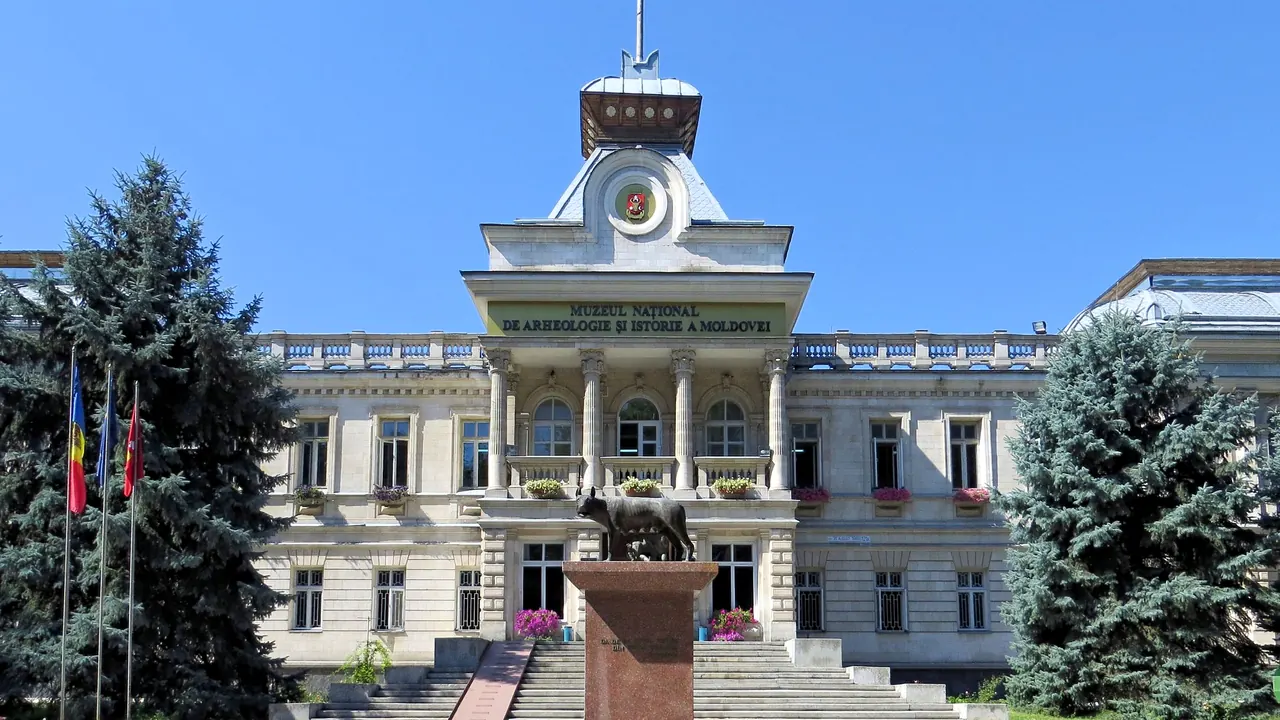
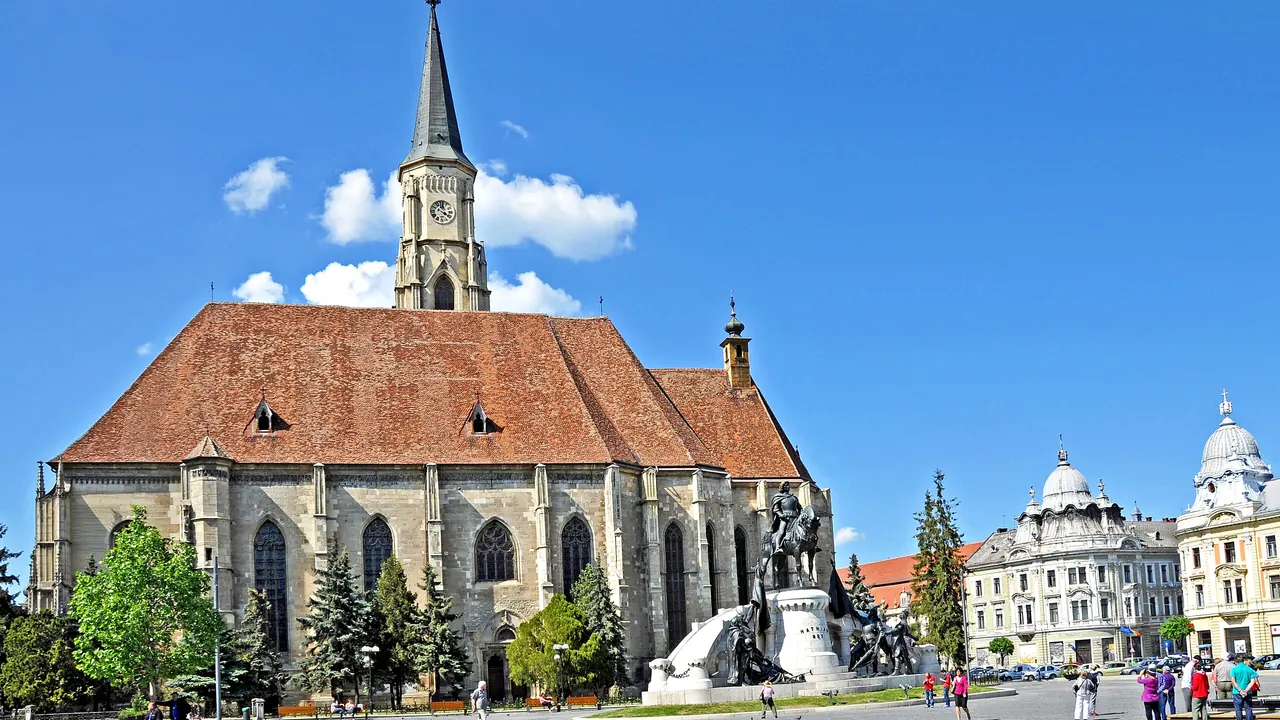
Photos: Chișinău by Alexandru Panoiu, CC BY 2.0, cropped; Cluj-Napoca by Dennis G. Jarvis, CC BY-SA 2.0, cropped.
Chișinău or Cluj-Napoca?
Our verdict in twelve categories, each scored against the same fixed benchmark cities, and the climate month by month, so you can choose for your trip.
Choose Chișinău for
- prices
- food and drink
- beaches
Chișinău suits the traveller who comes for wine and wants their money to go a long way. The cellar towns of Cricova and Mileștii Mici, the cave monastery at Orheiul Vechi and cheap glasses of Fetească Neagră are the trip, and the low-key capital is a comfortable base for two or three days of outings. It is also the place to go for Soviet modernist architecture.
Choose Cluj-Napoca for
- nature and the outdoors
- culture and sights
- nightlife
Cluj-Napoca is the better choice for anyone who wants more from the city itself and from the country around it. Its Gothic and baroque centre, student bars, two opera companies and summer festivals fill the evenings, and Turda Gorge and the Apuseni Mountains are close enough for proper walking. Expect to pay a little more for all of it.
Scoreboard
Twelve categories on one fixed scale from 0 to 100. The shaded stretch is the gap between the two.
Your match
Pick a travel style or drag the sliders, and both match scores follow your weighting.
Wins on prices and food and drink with your weighting.
Wins on nature and the outdoors and culture and sights with your weighting.
What matters to you?
Category by category
What the scores mean for a trip.
Beaches & swimming
Neither city is a swimming destination, and both are a long way from the Black Sea. On a hot day Chișinău's locals head to the sandy and grassy banks of the Dniester at Vadul lui Vodă for warm, slow river water. In Cluj they drive to the outdoor salt lakes at Turda, where the salty water is the novelty. In both, a hotel pool is the realistic plan.
Food & drink
Chișinău has a slight edge at the table, and wine is the reason. Local reds such as Rară Neagră run through its wine bars and restaurant lists. The cooking is generous Moldovan fare, plăcinte, zeamă and mămăligă with brânză, with pelmeni and borscht from the Russian and Ukrainian side, and the Central Market shows off the country's produce.
Cluj cooks Transylvanian, a mix of Romanian and Hungarian dishes like varză à la Cluj and papanași. Its specialty coffee around Piața Unirii and Piața Muzeului outdoes anything in Chișinău. Neither city goes far beyond hearty local food.
Culture & sights
Chișinău's centre is a younger, plainer grid of low limestone buildings. Cathedral Park and the Moorish-revival ethnography museum are its best stops, and its real draw is Soviet modernism, from the Gates of the City towers to the brutalist circus.
Cluj gives a sightseer more history. Gothic St Michael's Church on Piața Unirii, the art museum in the Bánffy Palace, the Tailors' Bastion and the old Jewish and Hungarian quarters cover several centuries. The open-air ethnographic museum in the Hoia hills is a better museum visit than anything in Chișinău.
Nightlife
Chișinău's evenings are friendly and cheap but small: wine bars, cocktail bars and craft beer terraces on a few old-centre streets, a handful of weekend clubs, and quiet midweek nights. Summer is its best season, when the terraces fill.
Cluj goes out harder, because roughly a fifth of its residents are students. Cellar bars around Piața Muzeului stay full late, and electronic clubs in old industrial and courtyard spaces run until morning. Its busy season is the opposite of Chișinău's: term time, from October to June.
Nature & outdoors
Around Chișinău the land is rolling farmland and vineyards. The Codri woods and the limestone gorge of the Răut at Orheiul Vechi are the best walking, and Valea Morilor park serves for a run in town. There are no mountains.
Cluj is far better for getting outdoors. Forest starts at the edge of town in Făget and Hoia, Turda Gorge has a riverside path and climbing routes under an hour away, and the Apuseni Mountains add caves, beech forest and shepherds' villages. Băișoara even has small ski slopes in winter.
Day trips
Both make good bases for outings, but the themes differ. From Chișinău it is wine and monasteries: the vast underground cellars of Cricova and Mileștii Mici, the cave monastery cut into the cliff at Orheiul Vechi, and the Dniester cliff monasteries at Saharna and Țipova.
From Cluj it is castles, citadels and old towns. Visitors go down the Turda Salt Mine, see the Habsburg star fort at Alba Iulia and the Bánffy Castle at Bonțida, and visit Saxon Bistrița, with Sibiu and Sighișoara better as overnight stops. In both places a car or driver makes the days far easier.
Good for families
Chișinău is calm with children but offers little made for them: the zoo, the playgrounds of Valea Morilor and shows at the Soviet-built circus, with rough pavements to push a buggy over.
Cluj has more for a family. Rowing boats on the Central Park lake and the open-air museum fill a morning, and the Turda Salt Mine, with its underground lake, Ferris wheel and play areas, is an outing children remember. It still works best as a stop on a wider trip.
Getting around
Both centres are compact enough to walk. Chișinău's grid has rougher pavements, trolleybuses along the boulevards and a dense minibus network signed mostly in Romanian and Russian, though cheap taxis smooth everything over. Cluj's centre is flat and fits within a twenty-minute walk of Piața Unirii, with a tram line and an airport close by, but rush-hour traffic is heavy. Outside either city, a hired car or driver is the realistic way to reach the countryside.
Shopping & style
Neither is a shopping city, and what is worth carrying home differs. In Chișinău it is drink: cellar shops sell bottles from every region along with sparkling wine and divin brandy, and the Central Market sells everything from food to household goods. Cluj has a few independent fashion and design shops in its pedestrian streets and better Transylvanian crafts, painted ceramics and woodwork at the ethnographic museum shop, plus a Christmas market on Piața Unirii.
Affordability
Chișinău is the cheaper stay, among the least expensive capitals in Europe. Hotels, canteen meals and taxis barely dent a budget, and wine costs very little.
Cluj is still cheap by Western standards, but its tech and university economy pushes restaurant and apartment prices above the Romanian norm. During its big summer festivals, rooms sell out and prices jump.
Live music & performing arts
Chișinău has a respectable stage: classic opera and ballet at the National Opera and Ballet Theatre, chamber and organ concerts in the Organ Hall, and folk ensembles. The season thins out in summer.
Cluj has more going on because it has two cultures. The Romanian and Hungarian operas and theatres run side by side alongside the State Philharmonic, so there is something most nights. In summer, when Chișinău goes quiet, Cluj hosts some of Eastern Europe's largest music festivals.
Wellness & relaxation
Neither city has a bathing tradition. In Chișinău wellness means hotel spas or sanatorium-style resorts in the countryside, and the most restful routine is a slow afternoon on a wine-bar terrace under the boulevard trees. Cluj has slightly more to offer because of Turda nearby, where people breathe the dry, salty air of the old mine as a cure and float in the salt lakes in summer. In town, the Botanical Garden is a quiet place to slow down.
When should you go?
Pick your month. The climate figures are measured averages, not a forecast.
Chișinău in July
Cluj-Napoca in July
Daytime high, °C
Rainfall in the month, mm
Temperature and rainfall are climate normals, averaged over the years shown. Chișinău: 1991-2020 normals, Kisinev (11.2 km from centre). Cluj-Napoca: 1991-2020 normals, Cluj-Napoca (2.4 km from centre).
Both cities have cold continental winters, with January highs around 1°C, so May to September are the months for walking the streets and sitting out on terraces. Chișinău runs hotter and much sunnier in high summer, reaching 29°C in July and August under long clear days, and it stays fairly dry all year. Those are the weeks when a swim in the Dniester at Vadul lui Vodă makes sense. Cluj peaks a couple of degrees cooler at 27°C, but June and July are its wettest months, close to 90mm, and showers can break up a day in the hills.
May and September are the easiest months in both, mild enough for long days on foot. Spring and autumn are Cluj's best walking seasons, and Chișinău's dry, sunny September suits the wine country well. March and October are cool but surprisingly bright in both cities, good for sightseeing in a warm coat. From November to February both are grey and cold, and the sun is scarce.
Which traveller are you?
On a trip on a tight budget, Chișinău is the cheaper of the two. Central rooms, canteen meals, taxis and opera tickets all cost less than in Cluj, and wine is a bargain whether you buy it by the glass or on a cellar tour.
For an outdoors trip, Cluj-Napoca wins easily. The Făget woods sit on the edge of town, Turda Gorge makes a classic half-day hike, and the Apuseni Mountains offer caves and karst plateaus. Chișinău's gentle farmland has nothing comparable.
For wine lovers, Chișinău is the obvious pick. Moldova's cellar towns at Cricova and Mileștii Mici run for many kilometres underground, estates like Purcari make full days out, and city wine bars pour local reds that Cluj's Transylvanian lists cannot match.
Before you go
| Measure | Chișinău | Cluj-Napoca |
|---|---|---|
| Official language | Romanian | Romanian |
| Currency | Moldovan Leu (MDL) | Romanian Leu (RON) |
| Sockets | CF220 V, 50 Hz | CF230 V, 50 Hz |
| Driving side | Right | Right |
| Time zone | UTC+2, UTC+3 in summer | UTC+2, UTC+3 in summer |
| Emergency number | 112 | 112 |
| Elevation | 85 m | 356 m |
| Main airport | Chişinău International Airport (RMO)13 km from centre76 non-stop destinations | Avram Iancu Cluj International Airport (CLJ)7 km from centre53 non-stop destinations |
| Public holidays this year | 16 days | 17 days |
By the numbers
| Measure | Chișinău | Cluj-Napoca |
|---|---|---|
| Population | 567,038 | 286,598 |
| People per km² | 4,610 | 1,640 |
| Museums within 10 km | 13 | 6 |
| UNESCO World Heritage sites within 50 km | 0 | 0 |
Where else could you go?
Every comparison below shares a destination with this one, so you can follow Chișinău or Cluj-Napoca somewhere new.
- Sibiuvs Cluj-Napoca
- Brasovvs Cluj-Napoca
- Brasovvs Chișinău
- Belgradevs Cluj-Napoca
- Bucharestvs Cluj-Napoca
- Budapestvs Cluj-Napoca