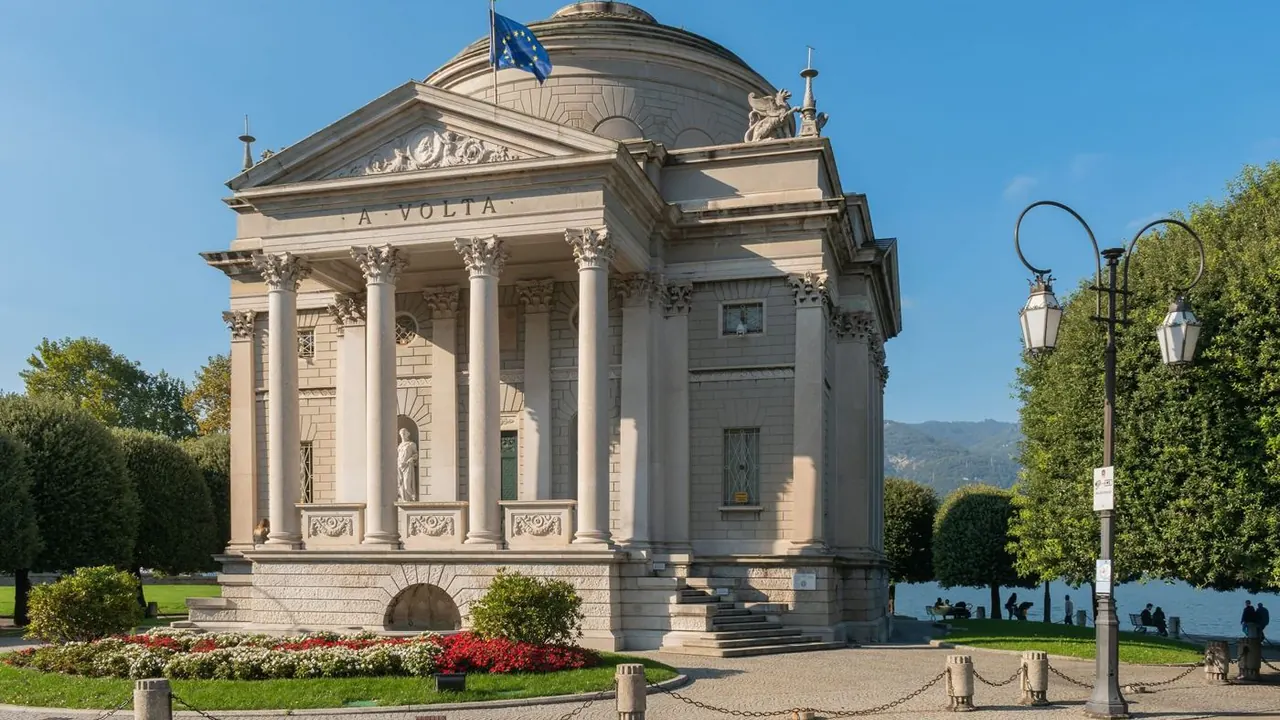
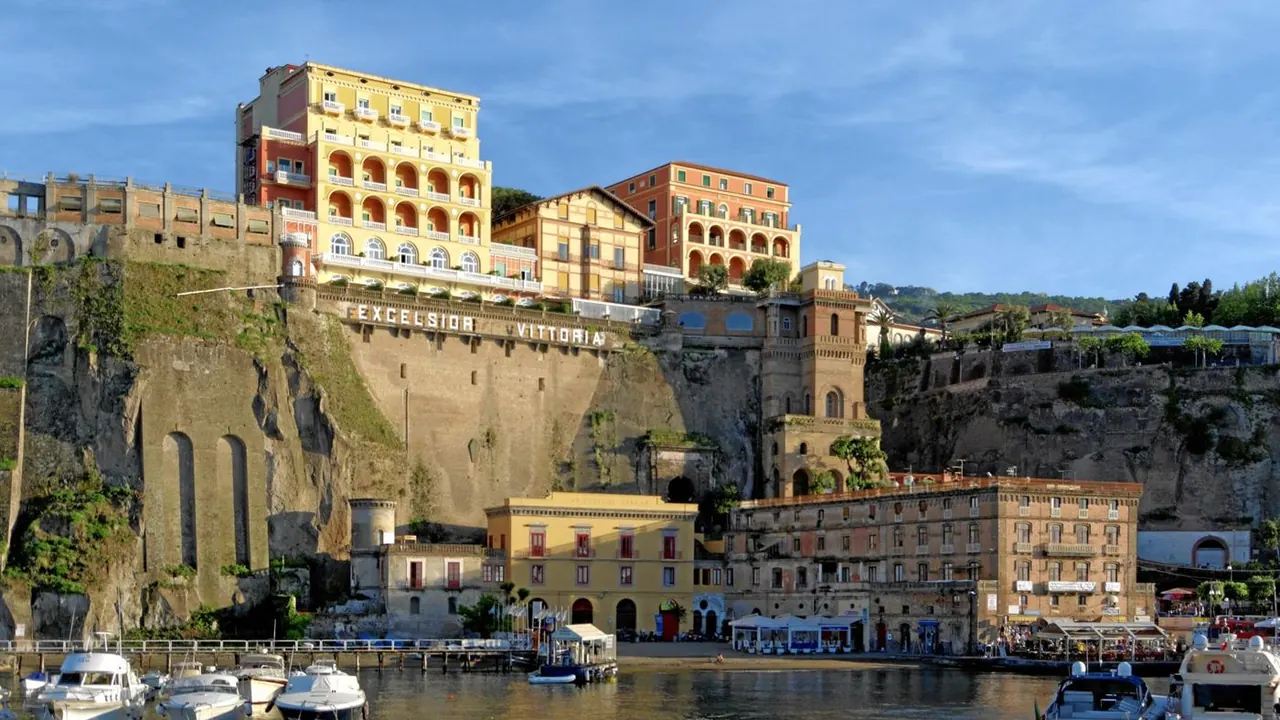
Photos: Como by Krzysztof Golik, CC BY-SA 4.0, cropped; Sorrento by Berthold Werner, CC BY-SA 3.0, cropped.
Como or Sorrento?
Our verdict in twelve categories, each scored against the same fixed benchmark cities, and the climate month by month, so you can choose for your trip.
Choose Como for
- culture and sights
- live music and the arts
- getting around
Como suits travellers who want mountains coming straight down to still water, a compact walled town with serious architecture, and the option of Milan or Lugano for an afternoon. It is the better pick for walkers, cyclists and anyone who wants evenings at the opera house without needing a train, and it is easier to get around once you arrive.
Choose Sorrento for
- beaches
- food and drink
- day trips
Choose Sorrento if you want the sea, the southern sun and Campanian cooking. Swimming off the piers is a real part of the day here, the summer is reliably dry, and Pompeii, Capri and the Amalfi Coast are all close enough to fill a week of excursions. Its own sights are modest, though. Treat it as a base for the bay rather than a destination in itself.
Scoreboard
Twelve categories on one fixed scale from 0 to 100. The shaded stretch is the gap between the two.
Your match
Pick a travel style or drag the sliders, and both match scores follow your weighting.
Too close to call, level with your weighting
Wins on culture and sights and live music and the arts with your weighting.
Wins on beaches and food and drink with your weighting.
What matters to you?
Category by category
What the scores mean for a trip.
Beaches & swimming
Neither town has a sandy beach, but Sorrento is the one where swimming earns a place in the plan. Its lidos stand on piers over clear, deep sea, the rocks at the Bagni della Regina Giovanna are a short walk away, and the water stays warm from June into October. A boat or bus also brings real pebble coves within reach.
Como's swimming is in the lake, which is cooler. You swim from lawns and pontoons such as the lido by Villa Olmo, or from small jetties further up the shore, and the season lasts barely three months. A dip there is pleasant, but you would not plan a trip around it.
Food & drink
Sorrento eats better, as long as you avoid the tourist menus around Piazza Tasso. Campanian ingredients are right at hand: lemons from the terraces, fresh dairy from the hills, fish from the bay and Neapolitan pizza. The hill villages of the peninsula also hold some of the south's finest restaurants.
Como's Lombard cooking is heartier and more limited: perch risotto, dried shad and polenta. Its best moment is the evening aperitivo on the squares by the cathedral. Lakefront terraces in both towns charge for the view, and in Como the good family places are mostly out of town.
Culture & sights
Como has more worth seeing in its own streets. The cathedral, the Romanesque stonework of San Fedele and Sant'Abbondio and the Casa del Fascio, a key building of twentieth-century architecture, give its small walled centre real depth. The Volta and silk museums add the city's own history.
Sorrento's sights are pleasant but slight: the cloister of San Francesco, the Museo Correale and the ravine of the Vallone dei Mulini. Its cultural pull lies outside town, in Pompeii and Naples, and that belongs to day trips more than to Sorrento itself.
Nightlife
Both towns go to bed early, and Sorrento only stays up a little later. Its evenings bring a passeggiata on Corso Italia, terrace cocktails over the bay, piano bars with Neapolitan song and, in summer, a club or two open past midnight. Como's evenings end with a few wine bars around Piazza Duomo and a lakefront stroll. The difference in getting to a bigger night matters more: from Como, Milan is a quick train ride, while from Sorrento the last trains and ferries leave early, so Naples or Capri means staying over.
Nature & outdoors
Como gives you an alpine lake, Sorrento a volcanic coast, and that difference matters more than which is finer. At Como a deep glacial lake lies between steep wooded mountains. The funicular climbs to Brunate for ridge walks, Monte Bisbino looks towards the Alps, and road cyclists come for the Ghisallo climbs.
Sorrento's lemon and olive terraces drop to sheer limestone cliffs above the sea. Trails lead to Punta Campanella and the protected bay of Ieranto, with the Path of the Gods and the crater of Vesuvius close by. Kayaks and boats explore sea grottoes rather than calm lake shores.
Day trips
Como is a superb base, but Sorrento's list is the richer one. From Como, ferries and hydrofoils run up the lake to Bellagio, Varenna and the gardens of Villa Carlotta and Balbianello at Tremezzo. Trains put the Last Supper in Milan, Lugano's Swiss lakefront and Bergamo's upper town within easy reach, and the Borromean Islands on Lake Maggiore extend the choice. You get lake villages, art cities and a second country.
Sorrento reaches further back in time. The Circumvesuviana stops at Pompeii in about half an hour and at Herculaneum a little beyond, and a road from there up to the crater lets you add Vesuvius to the same day out. Capri is under an hour by ferry, summer boats run to Positano and Amalfi with Ravello's gardens above, and Naples and its archaeological museum are about an hour away. Como's best outings are villa gardens and Milan's art. Sorrento's include two Roman towns buried in AD 79 and the volcano that buried them.
Good for families
With young children, calm water and level ground make Como the easier choice. Children can paddle at a lido, ride the funicular and take the ferries, and the flat promenade and Villa Olmo's gardens suit a pushchair. Neither town has much made specifically for children.
Sorrento has the bigger outings, a boat to Capri and Pompeii's ruins, but the swimming is into deep water off piers and rocks. Many hotels also sit on steep lanes without pavements, so a hotel pool matters more there.
Getting around
Como is the more straightforward place to move around. The centre is flat, the funicular climbs the hill, and fast trains run to Milan and Lugano, though the lake ferries are slow and the shore roads clog in summer.
Sorrento's own centre is just as walkable. Leaving it is harder: the Circumvesuviana is crowded and unreliable, and the Amalfi buses crawl round the hairpins. Ferries are often the easiest way out, and hotels on the hillsides depend on shuttles or taxis.
Shopping & style
Neither town is a shopping destination, but each has one craft to buy. In Como it is silk, from old-town specialists and mill outlets on the edge of the city, along with a short run of Italian boutiques. In Sorrento it is inlaid woodwork and sandals made to measure, amid a lot of lemon souvenirs. For fashion, Como has Milan close by, while Sorrento shoppers head for Naples or Capri.
Affordability
Both are expensive in summer, and for much the same reason: a famous waterfront that draws a wealthy international crowd. Each also has the same ways to save. Stay back from the water, eat at trattorias off the main squares, use the cheap trains and ferries, and travel in spring or autumn. Sorrento has one extra advantage, which is that it costs less than staying on the Amalfi Coast or Capri while still putting both within reach.
Live music & performing arts
Como has the real stage. The Teatro Sociale is a nineteenth-century opera house with a season of opera, ballet, concerts and theatre, and in summer performances move to its open-air arena. La Scala is a short train ride away.
Sorrento's evenings of music are mostly Neapolitan song and tarantella staged for visitors, plus summer chamber concerts in the cloister of San Francesco. For opera you have to make the hour's trip to the San Carlo in Naples.
Wellness & relaxation
Sorrento has one thing Como cannot match: Ischia's hot-spring gardens by the sea, a ferry ride away. Como has no springs to visit at all. Its calm comes from still water, villa gardens running down to the shore and slow ferries to villages that go quiet early.
Sorrento relaxes you with cliff-top pools and spa terraces over the bay and the shade of its lemon groves. In both towns the crowds of high summer make spring and autumn the better time for a restful stay.
When should you go?
Pick your month. The climate figures are measured averages, not a forecast.
Como in July
Sorrento in July
Daytime high, °C
Rainfall in the month, mm
Where the figures come from
Sorrento has no rain gauge within 25 km of the centre, so its rainfall comes from a gridded climate dataset read at the city rather than from a gauge further away.
Sorrento's sunshine is measured 54 km from the centre, at Grazzanise.
Temperature and rainfall are climate normals, averaged over the years shown. Como: 1991-2020 normals, Lugano (23 km from centre). Sorrento: 2005-2025 (sunshine 1991-2020, rainfall 1991-2020) normals, Capri (17 km from centre).
Como has a short summer. Highs reach about 27°C in July and August, warm enough for a lido swim, but from April to November it is a wet place, with May bringing around 178mm. Late spring and September give the best walking weather, with green hills and mild days, though showers are likely. Winter is cold and grey for wandering the old town, if drier than the rest of the year.
Sorrento is hotter and much drier from April to October. July and August reach about 30°C, too hot for the exposed trails at midday, and rain is scarce. The sea warms to around 26°C in August and stays swimmable into October. Its rain falls in late autumn and winter, peaking at about 151mm in November, so from December to March it is actually wetter than Como, though milder. May, June, September and October are the best months, and from spring to autumn Sorrento gets clearly more sunshine.
Which traveller are you?
On a beach and sun trip, Sorrento is the clear choice. The sea is warm from June to October, you swim into deep, clear water from the marinas' piers, and the Capri coves are a boat ride away. Como offers only lake lidos and a short season.
For a culture and arts trip, Como gives more. Its Romanesque churches, marble cathedral and Terragni's Rationalist landmark sit in a compact old town, the Teatro Sociale has a proper opera season, and Milan's great collections are forty minutes away.
For a food and nightlife trip, Sorrento edges ahead. Gnocchi, lemon-scented pastries, peninsula mozzarella and fish at Marina Grande beat Como's narrower lake menu. Its terraces and summer clubs keep going a little later, although neither town has a real night out.
Before you go
| Measure | Como | Sorrento |
|---|---|---|
| Official language | Italian | Italian |
| Currency | Euro (EUR) | Euro (EUR) |
| Sockets | CFL230 V, 50 Hz | CFL230 V, 50 Hz |
| Driving side | Right | Right |
| Time zone | UTC+1, UTC+2 in summer | UTC+1, UTC+2 in summer |
| Emergency number | 112 | 112 |
| Elevation | 201 m | 50 m |
| Main airport | Milan Malpensa International Airport (MXP)34 km from centre208 non-stop destinations | Naples International Airport (NAP)30 km from centre131 non-stop destinations |
| Public holidays this year | 13 days | 13 days |
By the numbers
| Measure | Como | Sorrento |
|---|---|---|
| City population | 83,184 | 15,407 |
| People per km² | 2,242 | 1,541 |
| Museums within 10 km | 11 | 6 |
| UNESCO World Heritage sites within 50 km | 8 | 5 |
| Swim season, months above 21 °C | - | 5 months |
Where else could you go?
Every comparison below shares a destination with this one, so you can follow Como or Sorrento somewhere new.