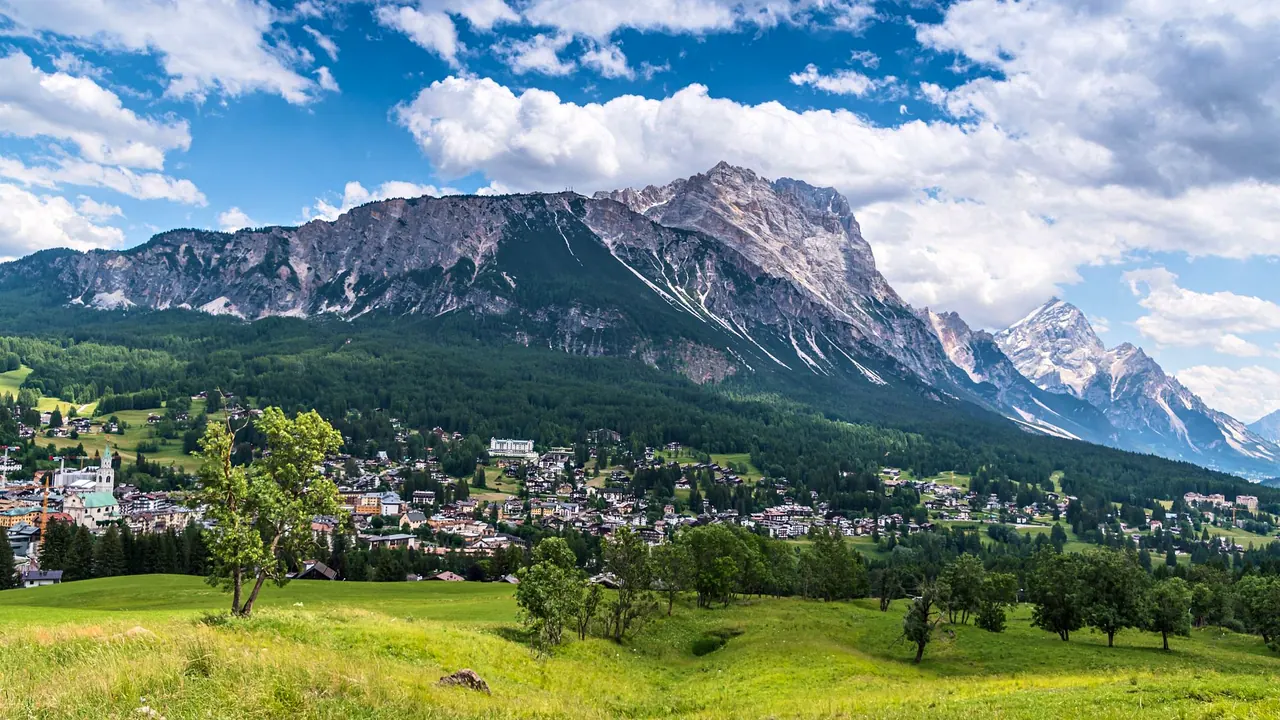
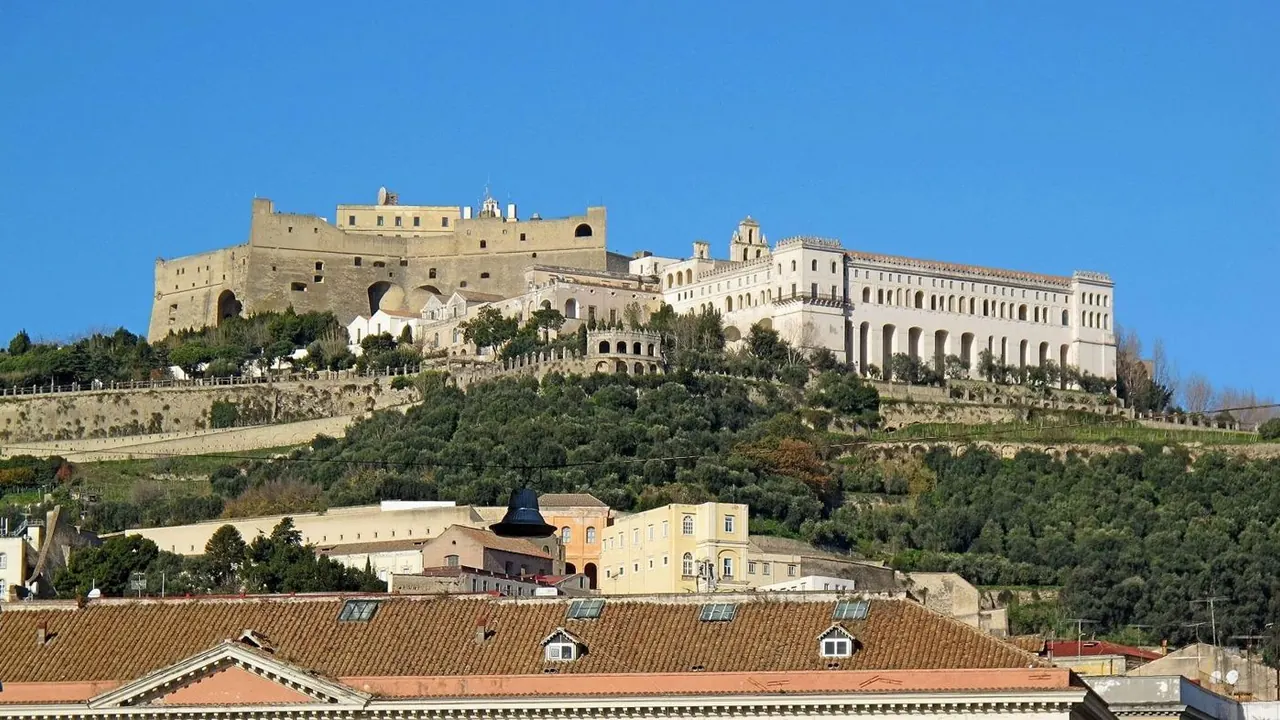
Photos: Cortina d'Ampezzo by Andreas Neubauer, Pexels License; Naples by pietro scerrato, CC BY 3.0, cropped.
Cortina d'Ampezzo or Naples?
Our verdict in twelve categories, each scored against the same fixed benchmark cities, and the climate month by month, so you can choose for your trip.
Choose Cortina d'Ampezzo for
- nature and the outdoors
- families
- wellness
Cortina d'Ampezzo is for travellers who come for the mountains themselves. In winter that means skiing the Dolomiti Superski slopes, and in summer walking from hut to hut, climbing via ferrata or simply riding a lift from the town onto the peaks. It suits people who will pay well for that setting and are happy with quiet evenings, a hotel spa and a long lunch at a rifugio rather than sights and late nights.
Choose Naples for
- culture and sights
- live music and the arts
- day trips
Pick Naples for a city trip with real depth. It has the Greek street grid crowded with churches, the finest Roman finds in its archaeological museum and pizza in the city that invented it, and Pompeii, Herculaneum, Capri and the Amalfi Coast are all within reach by train or boat. Day to day it costs far less and the evenings run late in the squares, but you need patience with the noise, the traffic and the scooters.
Scoreboard
Twelve categories on one fixed scale from 0 to 100. The shaded stretch is the gap between the two.
Your match
Pick a travel style or drag the sliders, and both match scores follow your weighting.
Wins on nature and the outdoors and families with your weighting.
Wins on culture and sights and live music and the arts with your weighting.
What matters to you?
Category by category
What the scores mean for a trip.
Beaches & swimming
Neither is a beach destination, but only Naples is on the sea. People swim off the rocks below the Lungomare or at the small lidos in Posillipo, and a ferry to Procida, Ischia or Capri brings clear water and rocky coves.
In Cortina, swimming means a hotel pool or a brave dip in a snowmelt lake such as Ghedina. The Adriatic is more than two hours away by car.
Food & drink
Naples is one of Italy's great places to eat, and the difference here is wide. Soft, blistered pizza at shared tables, fried snacks in paper cones, sfogliatelle, espresso drunk standing at the bar and the stalls of the Pignasecca market make eating part of the sightseeing, and it costs little.
Cortina's food is narrower and dearer. The local dishes are casunziei with poppy seeds and polenta with game, and the meals people remember are eaten on rifugio terraces among the peaks. It suits a long lunch in the mountains rather than grazing through the streets.
Culture & sights
The gap is very wide here. In Naples the Greek street grid is packed with Gothic and Baroque churches. The National Archaeological Museum holds the frescoes from Pompeii, the Cappella Sansevero has the Veiled Christ, and there are the tunnels underground and the gallery at Capodimonte, which together are enough for a week.
Cortina's sights fill a rainy afternoon: the basilica bell tower, the painted houses, the 1956 Olympic ice stadium and the Rimoldi art collection. Its most moving heritage, the First World War tunnels on Lagazuoi and the Cinque Torri, is a day out in the mountains rather than a museum visit.
Nightlife
Naples has much the livelier evenings, though most of the night happens outdoors. Students sit on the steps around Piazza Bellini, and a smarter crowd fills the alleys of Chiaia until well past midnight. Anyone after serious clubs will be disappointed in both cities.
In Cortina the evening means après-ski, a walk along the Corso Italia and a long dinner. A few late bars open only in the peak winter weeks, and in summer the town is quiet early.
Nature & outdoors
Both sit in remarkable landscapes, but Cortina's is the stronger draw. Lifts rise from the town onto the Tofane and Cristallo, and the Tre Cime and Lago di Misurina are under an hour away. The Alta Via 1, some of the oldest via ferrata routes in the Alps and the Dolomiti Superski slopes make the town a base for skiers, hikers and climbers alike.
Naples has volcanic country instead. The crater rim of Vesuvius, the oak woods of Astroni and snorkelling at Gaiola all fit into part of a day, while the Path of the Gods above the Amalfi Coast takes a long day. The city itself has little green space, though, and summer heat limits walking.
Day trips
Naples is one of the best bases anywhere for day trips. Pompeii and Herculaneum are under an hour away on the Circumvesuviana, and the palace at Caserta is a short train ride. Hydrofoils reach Capri, Ischia and Procida, and from Sorrento you can go on along the Amalfi Coast or down to the temples at Paestum.
From Cortina, the trips that really matter are into the mountains. The towns within range, such as San Candido, Brunico and Bolzano with its Iceman, are pleasant rather than essential. Venice is a long day by coach.
Good for families
The two suit families about equally, but in different ways. Cortina works for families who ski or hike. It has ski schools, beginner slopes at Socrepes, skating at the ice stadium and easy walks to huts, all from a small, calm centre, though wet days drag and the costs add up.
Naples gives children a warm welcome but is harder work in practice. Scooters, broken pavements and steps make pushchairs a struggle. On the other hand it has the zoo, Edenlandia and a science museum, and older children enjoy the tunnels, the funiculars and Pompeii.
Getting around
Naples is easier, mainly because you never need a car. Metro Line 1 with its art-gallery stations, four funiculars and the train to Pompeii and Sorrento cover most of what a visitor wants, even though buses are slow and the Circumvesuviana is often packed.
Cortina's centre takes a few minutes to cross on foot, and the ski buses work well in winter. But there is no railway and the buses up to the passes are limited, so most people exploring the wider Dolomites hire a car.
Shopping & style
Naples has more to buy, and more of it is its own. There are shirts and silk ties from the tailoring workshops in Chiaia, nativity figures on Via San Gregorio Armeno and coral and cameos from Torre del Greco, while Via Toledo and the Galleria Umberto I cover the high street.
Cortina's shopping is one short strip, the Corso Italia, with luxury fashion, furs, ski wear and the old Cooperativa store. It is polished, but you can see it all in an afternoon.
Affordability
The difference here is large. Naples is cheap for a big city as long as you stay in town and eat pizza, street food and simple trattoria meals, and there are plenty of modest B&Bs in the centre. Prices rise only on the islands and the Amalfi Coast.
Cortina is one of Italy's most expensive resorts. In winter and in August, lift passes and equipment hire come on top of the hotel bills. Lunches at the rifugi and the quieter weeks of June and late September help, but many visitors on a budget sleep in cheaper valleys and drive in.
Live music & performing arts
Naples has the Teatro di San Carlo, the oldest opera house in Europe still in use, with a full season of opera, ballet and concerts. There are also recitals at the conservatory and Neapolitan song at small concerts and in the trattorias.
Cortina has no theatre season at all. Its music comes from chamber festivals held in churches in summer and the odd concert around Christmas and New Year.
Wellness & relaxation
The two offer about the same amount of rest, but of very different kinds. In Cortina it means an Alpine hotel spa with a sauna and a hay bath after the slopes, or a slow afternoon on a hut terrace in the clear air of June or September.
Naples itself is loud, but it sits on real thermal water. There are the springs at Agnano, used since Roman times, and an hour away by hydrofoil, Ischia's thermal parks are terraced above the sea.
When should you go?
Pick your month. The climate figures are measured averages, not a forecast.
Cortina d'Ampezzo in July
Naples in July
Daytime high, °C
Rainfall in the month, mm
Where the figures come from
Naples's sunshine is measured 28 km from the centre, at Grazzanise.
Temperature and rainfall are climate normals, averaged over the years shown. Cortina d'Ampezzo: 1991-2020 normals, Dobbiaco (22.5 km from centre). Naples: 2005-2020 (sunshine 1991-2020, rainfall 1971-2000) normals, Napoli / Capodichino (4.6 km from centre).
Cortina has two seasons. In December and January daytime highs sit around freezing and the air is dry, and February and March are milder but still wintry, so this is the ski season. Summer is mild, reaching about 22°C in July and August, which is right for hiking, though these are also the wettest months, with up to 150mm in July. June and September are a little cooler and drier and often give the best balance. April, May and November fall between the two seasons.
Naples runs the other way. July and August reach 31°C, with long sunny days and almost no rain. The sea is at its warmest then, about 26°C, which is good for swimming off the islands but makes walking the centre at midday tiring. May, June and September suit both swimming and sightseeing. The rain arrives in October and peaks in November at 163mm. Winter stays far milder than in Cortina, so it works for museums, but it has the fewest hours of sunshine.
Which traveller are you?
On an outdoors trip, Cortina is the obvious choice. Lifts climb from town straight into the Dolomites, ski runs reach towards the Sella Ronda, and summer brings hut-to-hut walking, via ferrata and climbing. Vesuvius and the coastal paths near Naples are good outings, but they are not the main reason to go.
For a culture and arts trip, Naples is far ahead. A week easily goes on the Archaeological Museum, the Baroque churches along Spaccanapoli, the underground city, an evening at the San Carlo and Pompeii by train. In Cortina the small museums fill an afternoon.
On a tight budget, Naples makes money go much further. Pizza, street food, coffee at the bar and simple guesthouses in the centre all cost little, and so do the buses and trains. Cortina is one of Italy's dearest resorts, and many budget visitors stay in another valley.
Before you go
| Measure | Cortina d'Ampezzo | Naples |
|---|---|---|
| Official language | Italian | Italian |
| Currency | Euro (EUR) | Euro (EUR) |
| Sockets | CFL230 V, 50 Hz | CFL230 V, 50 Hz |
| Driving side | Right | Right |
| Time zone | UTC+1, UTC+2 in summer | UTC+1, UTC+2 in summer |
| Emergency number | 112 | 112 |
| Elevation | 1,224 m | 17 m |
| Main airport | Venice Marco Polo Airport (VCE)116 km from centre103 non-stop destinations | Naples International Airport (NAP)7 km from centre131 non-stop destinations |
| Public holidays this year | 13 days | 13 days |
By the numbers
| Measure | Cortina d'Ampezzo | Naples |
|---|---|---|
| City population | 5,546 | 913,462 |
| People per km² | 22 | 7,676 |
| Museums within 10 km | 3 | 65 |
| UNESCO World Heritage sites within 50 km | 1 | 5 |
| Swim season, months above 21 °C | - | 5 months |
Where else could you go?
Every comparison below shares a destination with this one, so you can follow Cortina d'Ampezzo or Naples somewhere new.
- Sorrentovs Naples
- Positanovs Naples
- Amalfivs Naples
- Salernovs Naples
- Innsbruckvs Cortina d'Ampezzo
- Venicevs Cortina d'Ampezzo