Cusco or Mexico City?
Two destinations compared in twelve categories, each scored against the same fixed benchmark cities. Weight what matters to you and the verdict follows.
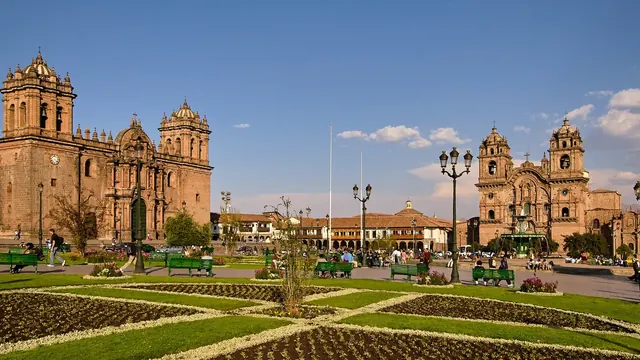
Photo: Pedro Szekely, CC BY-SA 2.0, cropped
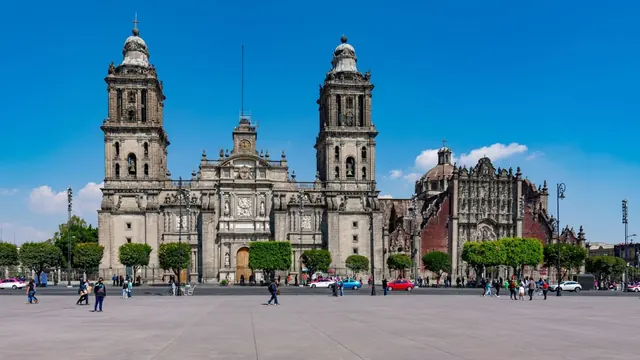
Photo: Oscar Dominguez, Pexels License
Your match
Wins on nature and the outdoors and day trips with your weighting.
Wins on families and live music and the arts with your weighting.
What matters to you?
Pick a travel style or drag the sliders. The match scores above update as you do.
The verdict
Cusco is the choice for a trip built around mountains and the Inca past. The Sacred Valley, Machu Picchu and the great treks to Salkantay and Ausangate all start here, and the town is itself an Inca city with a Spanish one built on top. It suits fit adults and older children who don't mind early starts, thin air and quiet evenings, much better than it suits toddlers or anyone who wants a night on the town.
For a big city with plenty to do once the sightseeing is over, Mexico City is the stronger pick. You can eat at taco stands or at serious tasting menus, go out late in Roma and Condesa, see the Anthropology Museum and Bellas Artes, and shop markets full of crafts from across the country. It takes some planning because of its size, but food lovers, night owls and families with young children are all better served here.
Scoreboard
Our verdict on each category, scored 0 to 100 against fixed benchmark cities.
Category by category
What the scores mean for a trip to Cusco or Mexico City.
Beaches & swimming35
Neither city works for a beach trip. Both are high inland cities, and swimming means a hotel pool at best. The difference is how far the sea is. From Cusco the Pacific coast means a flight, and the lagoons in the hills are glacial. From Mexico City you can drive to Acapulco in several hours, so a few days on the coast are easier to add before or after.
Food & drink5690
Mexico City is one of the great eating cities, and Cusco can't match its range. In Mexico City, al pastor and blue corn quesadillas from street stands, markets such as Medellín and La Merced, cantinas, pulquerías and serious tasting menus in Roma, Condesa and Polanco make food a reason to go in itself.
Cusco cooks well within a narrower range: highland potatoes and maize, trout, alpaca, cuy and slow-cooked dishes from the picanterías, with Novoandino tasting menus in San Blas. Once you step away from Peruvian food the choice thins out, and the menus around the Plaza de Armas are mostly aimed at tour groups.
Culture & sights8188
Both cities stand on a conquered capital, but you see it in different ways. In Cusco the Inca city is still part of the streets. You walk past mortarless walls such as Hatun Rumiyoc, see Qorikancha under the Santo Domingo monastery, and climb to the zigzag ramparts of Sacsayhuamán. The museums are worthwhile but small.
Mexico City has more, and on a bigger scale. The Templo Mayor sits beside the cathedral and National Palace with Rivera's murals, the Anthropology Museum is one of the world's great archaeological collections, and there are the Kahlo and Rivera houses in Coyoacán and San Ángel. A week barely covers it, while Cusco's sights fit into a few days.
Nightlife4280
After dark, the gap between the two is wide. Mexico City goes out late and stays out, from walks between cocktail bars and mezcalerías in Roma and Condesa to old cantinas in the Centro, electronic clubs that run until morning, salsa halls full of locals, and the LGBTQ scene of the Zona Rosa.
In Cusco, going out means a few bars and clubs off the Plaza de Armas, filled with backpackers and pub crawls, plus some quieter bars in San Blas. Altitude and pre-dawn tour departures mean most visitors keep their evenings short.
Nature & outdoors8650
This is Cusco's strongest point. The Sacred Valley lies just below the city under the snow peaks of the Cordillera Urubamba, and from here you can walk the Inca Trail, Salkantay or the Ausangate circuit, hike to Rainbow Mountain at over 5,000m, raft the Apurímac or spot vicuñas on the high grassland.
Mexico City has Chapultepec, the Xochimilco wetlands and pine forest on Ajusco, and the Iztaccíhuatl and Popocatépetl volcanoes and the Nevado de Toluca crater lakes about two hours out. Traffic eats into those days, though, and the air can be poor in the dry season.
Day trips7875
Both are very good bases for day trips, but in different ways. From Cusco nearly every outing is Inca or colonial: Pisac, Ollantaytambo, Chinchero, Moray and the Maras salt pans in the Sacred Valley. Machu Picchu is the highlight, but between the road, the train and the bus it makes a very long day, so many people stay a night instead.
Mexico City offers more variety. Teotihuacan's pyramids are about an hour away, Puebla and Cholula have tiled churches and their own cooking, and there is warm, green Cuernavaca, the cliff-top temple at Tepoztlán and the silver town of Taxco. The price of that variety is getting out through the city's traffic.
Good for families1058
Mexico City is much the better place for children. Chapultepec has the zoo, boating lakes and the hands-on Papalote museum, and there is an aquarium, a theme park, the Xochimilco boats and lucha libre, in a culture that welcomes children in restaurants. The main problems are distance and traffic.
Cusco is hard with small children. At 3,400m altitude sickness is a real risk, the pavements are narrow and steep, and the days are full of ruins, churches and early starts. Older children who like history do well there, and families often stay lower down in the Sacred Valley among the llamas.
Getting around4850
Getting around is about equally manageable in both, but for opposite reasons. Cusco's centre is small enough to walk from the Plaza de Armas, but the climbs to San Blas and Sacsayhuamán are tiring in thin air, there is no metro, and cheap taxis handle the uphill trips home.
Mexico City is huge. You walk within the Centro, Roma, Condesa or Coyoacán and use the cheap metro, the Metrobús, bike-share or ride-hailing between them. The metro is crowded at rush hour, so watch for pickpockets.
Shopping & style5276
In Cusco shopping comes down to Andean textiles: alpaca knitwear, ponchos and naturally dyed weaving from cooperatives such as Chinchero's, plus ceramics and silver from San Blas. Much of the stock around the square is factory-made, and there is almost no fashion.
Mexico City brings crafts from the whole country together in La Ciudadela, and adds San Ángel's Saturday art bazaar, antiques at La Lagunilla, luxury houses on Masaryk in Polanco and Mexican designers in Roma and Condesa. That makes it the better place for a shopping trip.
Affordability7375
Both are cheap day to day, with low-cost market lunches and taxis or rides, but the large expenses come in different places. In Cusco the train and entry for Machu Picchu and guided treks such as the Inca Trail are hard to avoid, and they take up much of the budget. In Mexico City you control the big cost yourself: stay and drink outside Roma, Condesa and Polanco, and the city stays inexpensive.
Live music & performing arts3072
Mexico City has a full calendar of performance. Bellas Artes hosts the national opera, the symphony and the Ballet Folklórico, there are concerts at Sala Nezahualcóyotl and the Auditorio Nacional, jazz and son clubs, mariachis in Plaza Garibaldi and lucha libre at Arena México.
Cusco's evenings mostly offer folkloric shows and panpipe bands over dinner. Its real strength is its festivals, with Inti Raymi at Sacsayhuamán around the June solstice and the masked dancers of Corpus Christi and Qoyllur Rit'i.
Wellness & relaxation3340
Neither city is restful, and from both of them people go to lower towns to relax. Mexico City does a little better. It has the temazcal, a pre-Hispanic steam bath, good spas in Polanco and Condesa, and quiet plazas in Coyoacán, with Cuernavaca and Tepoztlán close by for a proper retreat.
In Cusco, cheap street massage and hotels that pump oxygen into rooms help with the altitude. For real calm, though, you head down to the riverside lodges of the Sacred Valley, and the nearest hot springs are well outside the city.
Which traveller are you?
For an outdoors trip, choose Cusco. Expect dark starts and a slow couple of days getting used to the thin air, then several nights on the trail among high passes and glaciers. From Mexico City, every mountain day starts with traffic.
On a food and nightlife trip, Cusco feels thin within a few days: good highland cooking, then the same backpacker bars. Mexico City lets you graze from breakfast cart to late supper and treat each neighbourhood as a different night out.
On a family trip with young children, Cusco means taking toddlers round ruins and through pre-dawn starts. Mexico City is easier. Plan it one neighbourhood a day and the children get room to play, with restaurants glad to see them.
When should you go?
Pick the month you can travel and see both cities side by side. The climate figures are measured averages, not a forecast.
| July | Cusco | Mexico City |
|---|---|---|
| Daytime high | 20 °C | 25 °C |
| Night-time low | 1 °C | 13 °C |
| Rainfall in the month | 5 mm | 176 mm |
| Sunshine | No figure | 6 hours a day |
| Daylight | 11 hours a day | 13 hours a day |
Cusco stays at about 20°C by day all year, so the deciding factor is rain. May to September is the dry season, with clear skies, almost no rain and freezing nights. It is the best time for treks and for Machu Picchu. The wet season runs from December to March, peaking around 159mm in January. The hills turn green then, but cloud often hides the peaks and the trails get muddy.
Mexico City is a little warmer and its seasons are close to the opposite of Cusco's. From November to April it is dry and sunny, and it warms to about 28°C in April, pleasant weather for walking the city. The rains build from June to September and peak at 186mm in August. That makes April and May the only stretch that suits both cities, while in the northern summer Cusco is at its driest just as Mexico City is at its wettest.
The whole year
Each row is shaded against that destination’s own year, so the deepest cell is its best month for that figure and the palest its weakest. Shades are not comparable between the two rows.
Where the figures come from
Cusco's station stands 151 m below the city centre, so the centre is likely a little cooler than the figures say.
Temperature and rainfall are climate normals, averaged over the years shown. Cusco: 1991-2020 normals, Cuzco (3.7 km from centre). Mexico City: 1991-2020 normals, Mexico Central, D. F. (7.9 km from centre).
Getting there
| Flying from | Cusco | Mexico City |
|---|---|---|
| LimaLIM | 1 h 20 m €95-160 CUZ · 5 km | 5 h 40 m €380-474 1 stop MEX · 7 km |
| BogotaBOG | 3 h 5 m €424-527 1 stop CUZ · 5 km | 4 h 25 m no fares MEX · 7 km |
| SantiagoSCL | 3 h 15 m no fares CUZ · 5 km | 8 h 25 m no fares MEX · 7 km |
The busiest departure cities for these two, with a place kept for each other part of the world. Busiest means arriving passengers where an official count exists, and where none does, the number of non-stop services flown: official route statistics are published by the European reporting countries and by nobody else, so a table ranked on them alone would offer a reader in New York or Tokyo ten European cities. Flying times are estimated from the distance between airports, and every row is a city flown non-stop to both. Where the typical offer connects anyway, the stops are shown. Under each figure is the airport the flight lands at and how far that is from the centre, because the nearest airport is not always the one a route is flown to. Where both columns name the same airport it is one flight, and the difference between the two is the distance printed beside it. Typical return fares for 2026-10 to 2026-12, cached market data up to 7 days old. The figure is the middle half of the offers found, so a single price means they agreed and a range means they did not; for a typical route that middle half spans about a quarter of the median, and for the least settled routes rather more than the median itself.
Before you go
| Measure | Cusco | Mexico City |
|---|---|---|
| Official language | Spanish, Aymara, Quechua | Spanish, Nahuatl, Yucatec Maya |
| Currency | Sol (PEN) | Mexican Peso (MXN) |
| Sockets | ABC220 V, 60 Hz | AB127 V, 60 Hz |
| Driving side | Right | Right |
| Time zone | UTC-5 | UTC-6 |
| Emergency number | 111 or 911 | 911 |
| Elevation | 3,399 m | 2,240 m |
| Main airport | Alejandro Velasco Astete International Airport (CUZ)5 km from centre6 non-stop destinations | Mexico City Benito Juárez International Airport (MEX)7 km from centre109 non-stop destinations |
| Public holidays this year | 16 days | 9 days |
By the numbers
| Measure | Cusco | Mexico City |
|---|---|---|
| City population | 428,450 | 9,209,944 |
| People per km² | - | 6,202 |
| Museums within 10 km | 11 | 108 |
| UNESCO World Heritage sites within 50 km | 2 | 6 |
Where else could you go?
Every comparison below shares a destination with this one, so you can follow Cusco or Mexico City somewhere new.