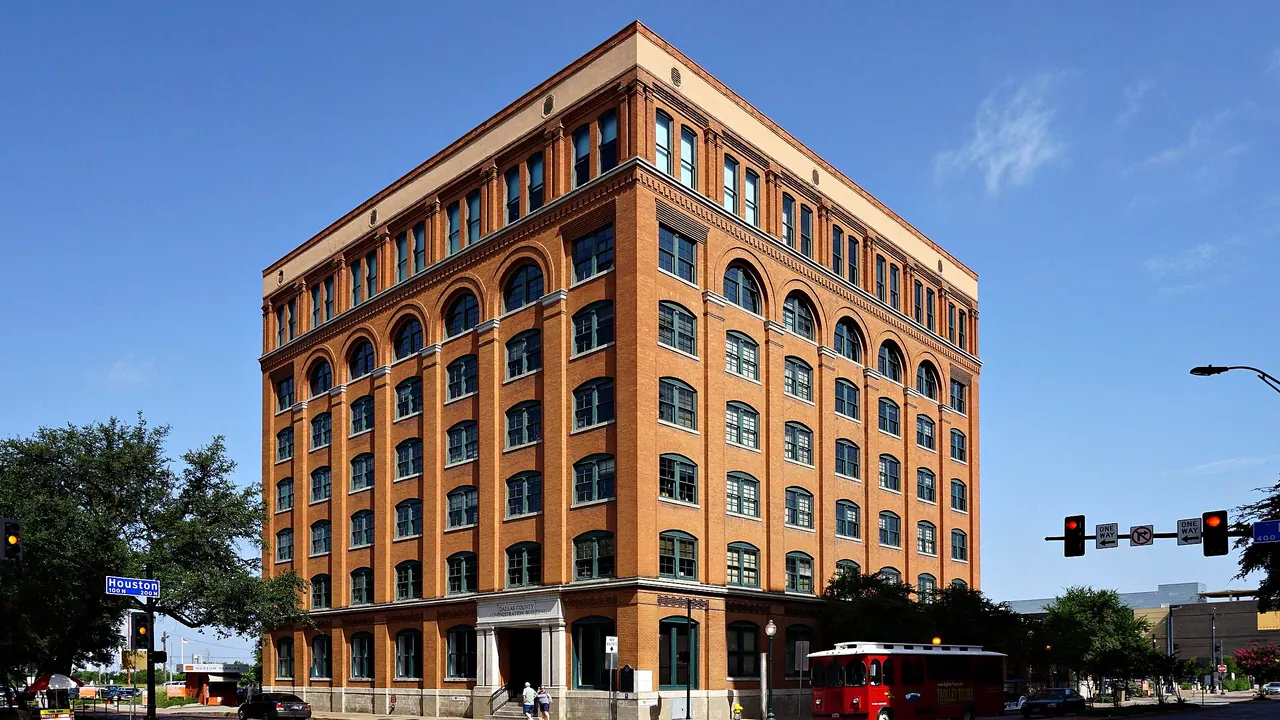
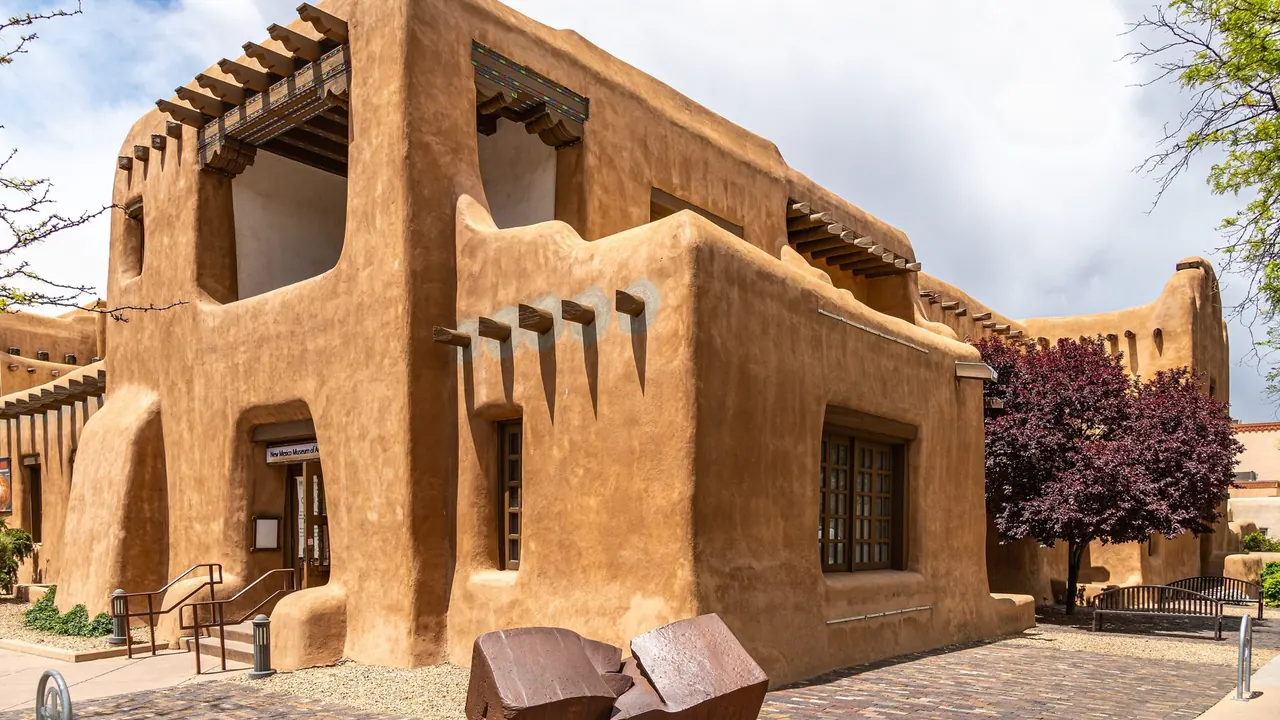
Photos: Dallas by Michael Barera, CC BY-SA 4.0, cropped; Santa Fe by dconvertini, CC BY-SA 2.0, cropped.
Dallas or Santa Fe?
Our verdict in twelve categories, each scored against the same fixed benchmark cities, and the climate month by month, so you can choose for your trip.
Choose Dallas for
- nightlife
- families
- prices
Dallas suits a trip built on big-city appetite: an evening moving between Deep Ellum and Uptown, brisket and Tex-Mex at lunch, the Sixth Floor Museum, and days at Six Flags and the zoos if children are coming. It is also the cheaper of the two to stay in. Expect to spend much of the trip in a car.
Choose Santa Fe for
- nature and the outdoors
- wellness
- day trips
Santa Fe is the better pick for landscape, history and slowing down. The Sangre de Cristo Mountains begin at the edge of town, the adobe centre around the Plaza is the main thing to see, and Taos Pueblo, Bandelier and Abiquiu make day trips that nothing near Dallas can match. It is quieter and dearer, and it suits couples and walkers far better than groups who want to go out.
Scoreboard
Twelve categories on one fixed scale from 0 to 100. The shaded stretch is the gap between the two.
Your match
Pick a travel style or drag the sliders, and both match scores follow your weighting.
Too close to call, 2 points apart
Wins on nightlife and families with your weighting.
Wins on nature and the outdoors and wellness with your weighting.
What matters to you?
Category by category
What the scores mean for a trip.
Beaches & swimming
Neither city is a beach destination, so the only difference is what takes the place of the sea. Dallas has large reservoirs to the north and west, such as Lewisville and Grapevine lakes, with sandy but plain park beaches, and the water parks in Arlington. From Santa Fe you can swim at Abiquiu Lake, about an hour north, or float the Rio Grande, which are scenic outings rather than a swim near town.
Food & drink
Both cities eat well, but in opposite ways. Dallas offers breadth: brisket sold by weight, Tex-Mex, steakhouses and taco trucks in Oak Cliff, and whole suburbs such as Richardson and Carrollton given over to Vietnamese, Chinese and Korean cooking.
Santa Fe offers depth in one regional cuisine. Its New Mexican cooking brings the question of red or green chile, blue corn and posole, alongside a fine-dining tier unusual for a town its size and a long-running farmers' market in the Railyard. Go to Santa Fe for a cuisine you will not find elsewhere, and to Dallas for variety, with a car to reach it.
Culture & sights
Dallas has one sight that draws visitors from everywhere: the Sixth Floor Museum at Dealey Plaza, which tells the Kennedy story from the depository window. Add the Dallas Museum of Art and the Nasher in the Arts District and the 1930s Art Deco halls of Fair Park, and you have a solid list of stops. The glass and freeway centre between them gives you little reason to linger, though.
Santa Fe is the stronger choice, because the town itself is the sight. The low adobe streets around the Plaza, laid out as a Spanish colonial capital in 1610, hold the Palace of the Governors, the cathedral and the Loretto Chapel within a short stroll, and the O'Keeffe Museum and the Canyon Road galleries are close by. Museum Hill, with its folk art and Native American collections, is a short ride out of the centre.
Nightlife
Dallas is well ahead for going out. It has several distinct districts, from the dive bars and late crowds of Deep Ellum to the polished patio bars of Uptown, and even with last orders at 2am the night is a long one.
Santa Fe slows down after dinner. A typical evening ends with a rooftop drink as the sun sets over the Jemez Mountains, and the streets are quiet before midnight. Anyone who wants a club has to drive to Albuquerque.
Nature & outdoors
This is the widest gap between the two. In Santa Fe, mountain trails start at the edge of town and climb to aspen slopes that turn gold in autumn, with the Pecos Wilderness beyond. Winter skiing, desert mesas and the Rio Grande Gorge are all within a drive.
Dallas has pleasant green corridors rather than scenery: the Katy Trail, the loop around White Rock Lake, the Great Trinity Forest and limestone walks at Cedar Ridge. Summer means early starts in both cities, but Dallas's flat prairie gives far less reason to set out.
Day trips
Santa Fe has the richer surroundings. Taos Pueblo, the cliff dwellings at Bandelier, the High Road villages of Chimayo and Truchas, and the O'Keeffe country around Abiquiu each make a different kind of day out.
Dallas has one excellent outing in Fort Worth, with the Stockyards and the Kimbell, which you can reach by commuter train. After that come smaller courthouse towns such as McKinney and Granbury. Beyond their single rail links, both cities need a car for nearly every trip.
Good for families
Beyond the theme park and the zoos, Dallas has easy ways to fill a day with children. Klyde Warren Park, built over a freeway downtown, has a play area and food trucks, and in autumn the State Fair of Texas fills Fair Park with rides and fried food. The catch is June to September, when the heat pushes plans indoors, and almost every outing starts in the car.
Santa Fe offers less, but some of it is unusual. The toys and miniatures in the folk art collection hold young children's attention better than most museums do, and in winter the small ski area gives lessons close to town. It is a safe, unhurried place, but children who want rides and big attractions will soon run out of things to do.
Getting around
Neither city works well without a car, but Santa Fe is the easier of the two once you are there. The Plaza, Canyon Road, the cathedral and the Railyard are all within twenty minutes' walk of each other, so a day in town needs no car at all.
In Dallas the sights lie miles apart along freeways. DART light rail covers the airports, downtown, Deep Ellum and Fair Park, and the M-Line streetcar runs through Uptown, but most days still mean a hire car or ride-hails.
Shopping & style
Both cities are good for shopping, but for different things. Dallas is the place for malls and luxury, from NorthPark Center to the European fashion houses of Highland Park Village, and its local speciality is Western boots and hats.
Santa Fe is about art and craft. You can buy silver and turquoise directly from Native American artists under the portal of the Palace of the Governors, browse the galleries of Canyon Road, or visit the big summer markets. Fashion shoppers will prefer Dallas, and collectors Santa Fe.
Affordability
Dallas is the cheaper place to stay. Hotels near the freeways and in the suburbs are reasonably priced, barbecue and tacos give you good meals for little, and many museums are free.
Santa Fe charges resort rates around the Plaza, especially during the summer markets, the opera season and Christmas, and its restaurants are priced for well-off visitors. Free hiking and gallery browsing help, but in both cities a hire car adds to the bill.
Live music & performing arts
Dallas has the fuller programme through the year. The symphony plays in I. M. Pei's Meyerson, the Winspear hosts opera and touring shows, the Wyly is home to theatre, and the clubs of Deep Ellum have live music most nights.
Santa Fe has the more memorable single experience: its open-sided opera theatre, where summer performances begin as the sun sets over the desert. It also has a chamber music festival and a long tradition of flamenco. Outside midsummer, though, its calendar is small, so Dallas is the safer bet for most dates.
Wellness & relaxation
Santa Fe is made for unwinding. It has outdoor soaking tubs among the pines on the road to the ski area, the mineral pools of Ojo Caliente an hour north, and a lot of spas and yoga studios for its size. Early evenings and quiet adobe courtyards add to the calm.
Dallas offers hotel spas, day-spa chains and one large Korean-style bathhouse in the north of the city, which is worth a visit. Even so, the city's brisk, car-bound pace does little to help you slow down.
When should you go?
Pick your month. The climate figures are measured averages, not a forecast.
Dallas in July
Santa Fe in July
Daytime high, °C
Rainfall in the month, mm
Where the figures come from
Santa Fe's station stands 199 m below the city centre, so the centre is likely a little cooler than the figures say.
Santa Fe has no rain gauge within 25 km of the centre, so its rainfall comes from a gridded climate dataset read at the city rather than from a gauge further away.
Temperature and rainfall are climate normals, averaged over the years shown. Dallas: 1991-2020 (sunshine 1981-2010) normals, Dallas / Oldham (8.5 km from centre). Santa Fe: 1991-2020 normals, Santa Fe / Cieneguilla (12.4 km from centre).
Dallas is at its best in spring and autumn, when the days are warm enough for walking without the summer glare. May and October are the wettest months. From June to August afternoons reach 36°C, so sightseeing shrinks to the mornings and the reservoirs and pools take over. Winters are mild enough for comfortable city days.
Santa Fe is cooler all year because of its altitude. Winter highs sit around 6°C, which is cold for wandering but right for the ski area, while June and July reach 31°C in dry heat. For most of the year rain is scarce, but July and August bring about 60mm a month. Late spring and September to October are the most comfortable months. Autumn suits both cities best, because Dallas has cooled down and Santa Fe has not yet turned cold.
Which traveller are you?
On an outdoors trip, Santa Fe is the clear choice. Trails start at the edge of town, the Pecos Wilderness and Valles Caldera are within reach, and winter brings skiing under an hour away. Dallas has city trails and reservoirs on flat prairie.
On a family trip with children, Dallas is much easier. Six Flags, two big zoos, the Perot Museum and the aquarium fill several days, and hotels expect families. Santa Fe's galleries, long dinners and altitude work best with older children.
For a food and nightlife trip, Dallas has more range: barbecue, Tex-Mex and suburban Asian food during the day, then Deep Ellum or Uptown until last orders. Santa Fe's chile cooking is distinctive, but its evenings end early.
Before you go
| Measure | Dallas | Santa Fe |
|---|---|---|
| Currency | US Dollar (USD) | US Dollar (USD) |
| Sockets | AB120 V, 60 Hz | AB120 V, 60 Hz |
| Driving side | Right | Right |
| Time zone | UTC-6, UTC-5 in summer | UTC-7, UTC-6 in summer |
| Emergency number | 911 | 911 |
| Elevation | 131 m | 2,134 m |
| Main airport | Dallas Fort Worth International Airport (DFW)25 km from centre266 non-stop destinations | Santa Fe Municipal Airport (SAF)12 km from centre5 non-stop destinations |
| Public holidays this year | 13 days | 13 days |
By the numbers
| Measure | Dallas | Santa Fe |
|---|---|---|
| City population | 1,304,379 | 87,505 |
| People per km² | 1,309 | 645 |
| Museums within 10 km | 20 | 10 |
| UNESCO World Heritage sites within 50 km | 0 | 0 |
Where else could you go?
Every comparison below shares a destination with this one, so you can follow Dallas or Santa Fe somewhere new.
- Taosvs Santa Fe
- Albuquerquevs Santa Fe
- Durango, Coloradovs Santa Fe
- Austinvs Dallas
- Telluridevs Santa Fe
- Houstonvs Dallas