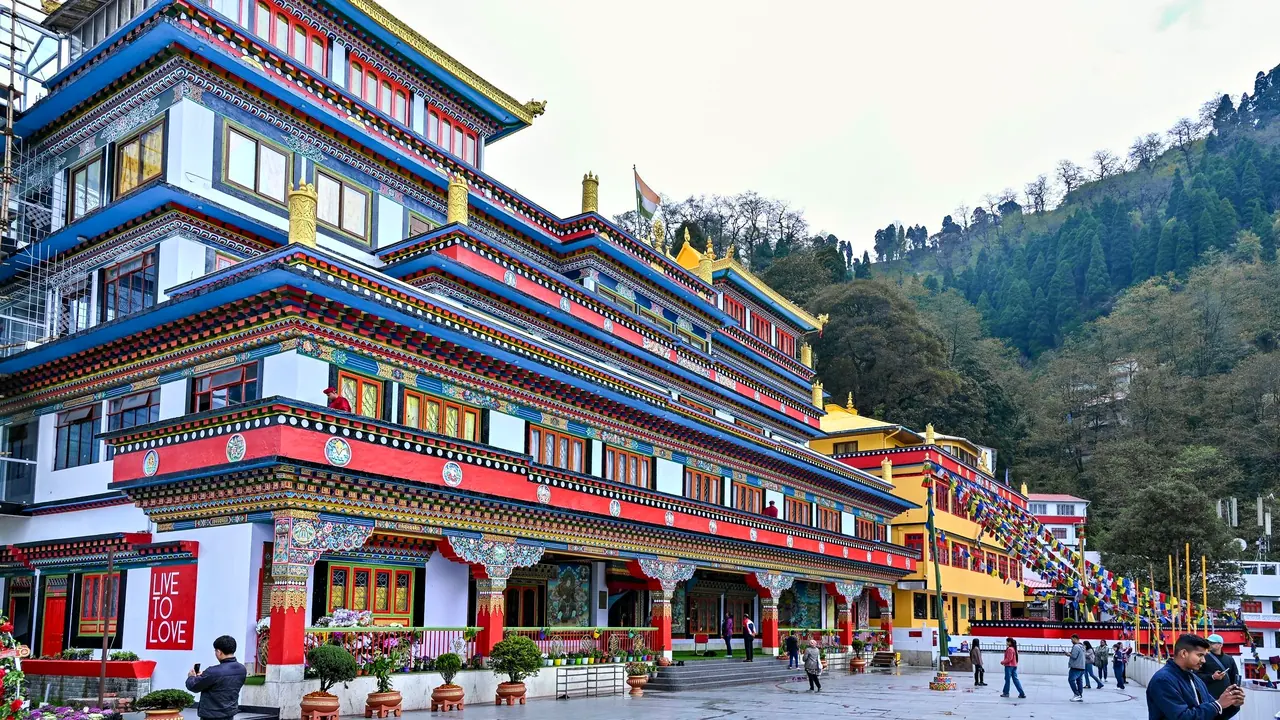
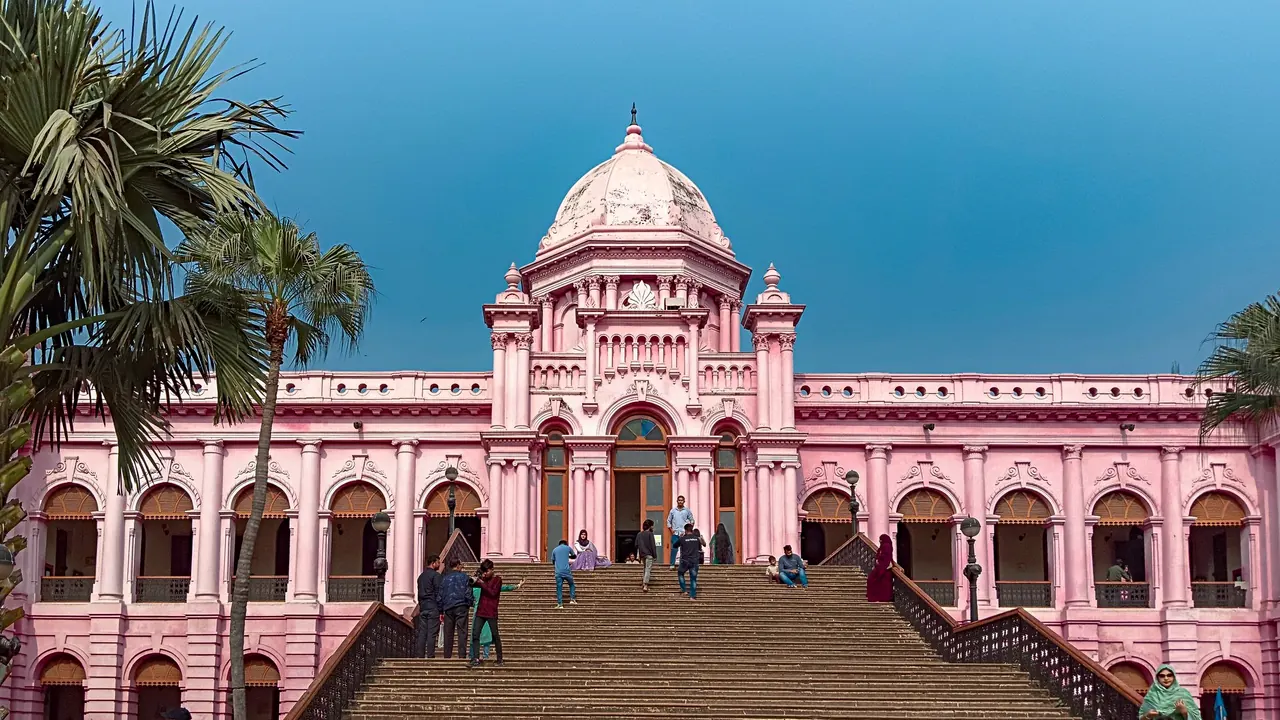
Photos: Darjeeling by Krishnendu Biswas, Pexels License; Dhaka by Riyad Hossain Hridoy, Pexels License.
Darjeeling or Dhaka?
Our verdict in twelve categories, each scored against the same fixed benchmark cities, and the climate month by month, so you can choose for your trip.
Choose Darjeeling for
- nature and the outdoors
- wellness
- families
Darjeeling suits travellers who want mountains, cool air and slow days. You get sunrise over Kangchenjunga, walks between the tea bushes, the toy train and a few nights in a bungalow above the valleys. It is easier with children and easier to settle into. The menu is narrow and the nights end early, so it suits walkers and tea drinkers better than serious diners.
Choose Dhaka for
- food and drink
- live music and the arts
- culture and sights
Choose Dhaka if the city itself is the point. Old Dhaka's biryani lanes and Mughal monuments, Louis Kahn's parliament and the boats at Sadarghat make a richer and harder trip. It suits food lovers and curious travellers who can cope with heat, crowds and traffic, and who don't need green space or quiet.
Scoreboard
Twelve categories on one fixed scale from 0 to 100. The shaded stretch is the gap between the two.
Your match
Pick a travel style or drag the sliders, and both match scores follow your weighting.
Wins on nature and the outdoors and wellness with your weighting.
Wins on food and drink and live music and the arts with your weighting.
What matters to you?
Category by category
What the scores mean for a trip.
Beaches & swimming
Neither city is a place to swim. Darjeeling sits on a Himalayan ridge with cold, fast rivers far below, and Dhaka's delta rivers are working waterways. In both, the water is for looking at, not for going in.
What differs is what lies beyond the city. From Dhaka, the long sandy coast at Cox's Bazar is a flight away, and a hotel pool fills the gap in town. Darjeeling has no coast within reach, but its cool climate makes the lack of water easier to live with.
Food & drink
Dhaka is the far better place to eat. Around Chawkbazar, Old Dhaka serves kacchi biryani, tehari and grilled kebabs. Add hilsa in mustard, fuchka on the street and sweet shops full of roshogolla, and the range is deep, with Gulshan and Banani adding smarter international dining.
Darjeeling's food is simpler: momos, thukpa and sel roti in small kitchens around Chowk Bazaar, and long breakfasts in old tea rooms. Its strength is the tea itself, with first and second flush tastings where the leaves are grown. Neither suits wine lovers: alcohol is scarce in Dhaka, and in Darjeeling the choice is simply short.
Culture & sights
Dhaka has more to see, though you have to work for it. Old Dhaka holds Lalbagh Fort, the pink Ahsan Manzil and the Star Mosque. Kahn's National Parliament House is one of the great buildings of its century, and the museums and the Shaheed Minar tell the story of the language movement and independence.
Darjeeling's heritage is smaller and easier to take in. There is the UNESCO-listed toy train, the old monastery at Ghoom, St Andrew's Church and the Himalayan Mountaineering Institute with its Tenzing Norgay story. Two or three days covers it, while Dhaka's widely spread sights repay a longer stay.
Nightlife
Both cities go quiet early, in different ways. In Darjeeling you can have a drink by the fire in an old pub or hotel bar, but by ten the cold has emptied the streets.
Dhaka has almost no public drinking. Alcohol is limited to hotels and members' clubs in Gulshan and Banani. Its evenings still run later, though, with families filling the restaurants, tea stalls and markets over a long dinner.
Nature & outdoors
This is where Darjeeling leaves Dhaka far behind. On a clear morning Kangchenjunga fills the northern sky. Tea terraces and oak and rhododendron forest begin at the edge of town, and the Singalila Ridge climbs through red panda country to views of four of the five highest peaks.
Dhaka is flat, crowded delta with a few patches of green such as Ramna Park and the Botanical Garden in Mirpur. Its best time outdoors is in a country boat among the paddy fields. The Sundarbans and the tea hills of Sylhet each take several days.
Day trips
Darjeeling's outings are easier and prettier. Kurseong is about an hour down the hill, Mirik has its lake among the pines, and Lamahatta has village homestays. They all repeat the theme of tea and hills, and Kalimpong is a long day on winding roads.
Dhaka's best day out has more history: the merchants' mansions of Panam Nagar and the folk art museum at Sonargaon, with Dhamrai's brass workshops nearby. Traffic makes every trip longer than the distance suggests, so a car and driver is close to essential.
Good for families
Darjeeling is much easier with children. The toy train, the ropeway, the pony rides and a zoo with red pandas and snow leopards give them plenty to do, and the cool air spares them the heat. Steps, steep lanes and the twisting drive up make it better for older children than for buggies.
Dhaka is warm towards children but wears them out with gridlock, pollution, humid heat and few pavements. The zoo in Mirpur and play areas in the malls are the main options, and short plans from a base in Gulshan work best.
Getting around
Neither city is easy, but Darjeeling is less of a struggle. The car-free ridge around Chowrasta and the Mall is pleasant on foot, and shared jeeps and taxis cover the rest. The steps, the slow traffic in peak season and the three-hour drive up from Siliguri or Bagdogra still test your patience.
Dhaka's traffic is notorious: a few kilometres can take an hour. The north-south metro is the one quick way across town and cycle rickshaws are fun in Old Dhaka, but most visitors end up hiring a car with a driver.
Shopping & style
The two are close, and what differs is what you buy. In Darjeeling it is tea, tasted and chosen by estate and flush along the Mall and Nehru Road. There are also carpets and thangkas from the Tibetan Refugee Self Help Centre, and stalls of shawls and singing bowls that sell much the same things.
Dhaka is about cloth: jamdani, nakshi kantha and saris, with tailors who make clothes to measure quickly. It adds crowded old bazaars, conch carvers in Shankhari Bazar and some of South Asia's largest malls. Neither has luxury brands or much independent design.
Affordability
Both are very cheap, and the costs fall in similar places: street food, tea and local transport cost very little, while international-standard hotels charge international rates. In Darjeeling, rooms with a mountain view cost more in the peak spring and autumn seasons and private taxis to Tiger Hill add up. In Dhaka the extras are the expat restaurants of Gulshan and scarce alcohol, though a car and driver is good value.
Live music & performing arts
Dhaka has far more to see on stage. The Shilpakala Academy and the Bailey Road theatre groups keep Bengali drama going, Tagore's songs and baul are performed widely, and at Pohela Boishakh singers greet the dawn in Ramna Park. Nearly all of it is in Bangla and takes some finding.
Darjeeling offers little beyond the masked cham dances at monastery festivals such as Losar and the occasional evening of Nepali and Lepcha music.
Wellness & relaxation
Darjeeling is the easier place to slow down, but where you stay matters. The centre around the Mall and the jeep stands is crowded and steep, so the calm lies on the edge of town or out among the tea gardens below the ridge. The cool air is half the cure: after the heat of the plains, highs in the low twenties feel like a rest in themselves. Spa choice is thin, though, with no bathing culture and treatments only at a handful of upmarket hotels and estates.
Dhaka is the plains heat you would be escaping, and it has no bathing tradition either. Outside the big hotels, pampering comes down to a few massage salons in Gulshan and Banani. The gentlest hour is a slow boat on the river.
When should you go?
Pick your month. The climate figures are measured averages, not a forecast.
Darjeeling in July
Dhaka in July
Daytime high, °C
Rainfall in the month, mm
Where the figures come from
Darjeeling has no weather station within reach, so its figures come from a gridded climate model rather than a measured record, and read a broad area rather than one spot.
Temperature and rainfall are climate normals, averaged over the years shown. Darjeeling: 1991-2020 normals, TerraClimate 4 km grid at the town, no weather station within 90 km. Dhaka: 1945-2025, 18 years observed (sunshine 1991-2020, rainfall 1991-2020) normals, Dhaka (4.4 km from centre).
Darjeeling is never hot. Daytime highs run from about 15°C in January to the mid-twenties in summer, so walking is comfortable all year, though winter mornings on the ridge are cold. The problem is the monsoon. Rain builds from May and peaks at about 778mm in July, and cloud hides the peaks. October and November, then March and April, are the months for clear views and dry trails.
Dhaka's year works the other way. Highs of 33°C to 34°C from March to September make walking the streets hard work, and the monsoon from May to October adds heavy rain and the least sunshine of the year. December to February is the time to go, with highs around 25°C, little rain and plenty of sun. Neither city has a beach season to plan around.
Which traveller are you?
On an outdoors trip, Darjeeling is the clear choice. Paths through tea estates and rhododendron forest start at the edge of town, Tiger Hill gives the sunrise over the snow peaks, and the Singalila Ridge climbs to Sandakphu. Dhaka offers little beyond parks and river boats.
For a culture and arts trip, Dhaka has more to fill the days: Lalbagh Fort, Ahsan Manzil, the Star Mosque, Kahn's parliament and the Liberation War Museum. If you seek them out, there are also Bengali stage drama, baul music and Tagore's songs.
On a relaxing and wellness trip, Darjeeling wins easily. A tea-estate bungalow, cool mountain mornings and quiet corners at the monasteries restore the mind. Dhaka's noise, haze and traffic leave only hotel spas and an early walk by a lake for calm.
Before you go
| Measure | Darjeeling | Dhaka |
|---|---|---|
| Official language | Hindi, English | Bangla |
| Currency | Indian Rupee (INR) | Taka (BDT) |
| Sockets | CM230 V, 50 Hz | ACGK220 V, 50 Hz |
| Driving side | Left | Left |
| Time zone | UTC+5:30 | UTC+6 |
| Emergency number | 108 or 112 | 999 |
| Elevation | 2,115 m | 4 m |
| Main airport | Bagdogra Airport (IXB)40 km from centre13 non-stop destinations | Hazrat Shahjalal International Airport (DAC)13 km from centre31 non-stop destinations |
| Public holidays this year | - | 7 days |
By the numbers
| Measure | Darjeeling | Dhaka |
|---|---|---|
| Population | 118,805 | 16,800,000 |
| People per km² | 11,208 | 45,652 |
| Museums within 10 km | 7 | 17 |
| UNESCO World Heritage sites within 50 km | 1 | 0 |
Where else could you go?
Every comparison below shares a destination with this one, so you can follow Darjeeling or Dhaka somewhere new.
- Thimphuvs Darjeeling
- Kolkatavs Dhaka
- Kathmanduvs Darjeeling
- Cox's Bazarvs Dhaka
- Lhasavs Darjeeling
- Thimphuvs Dhaka