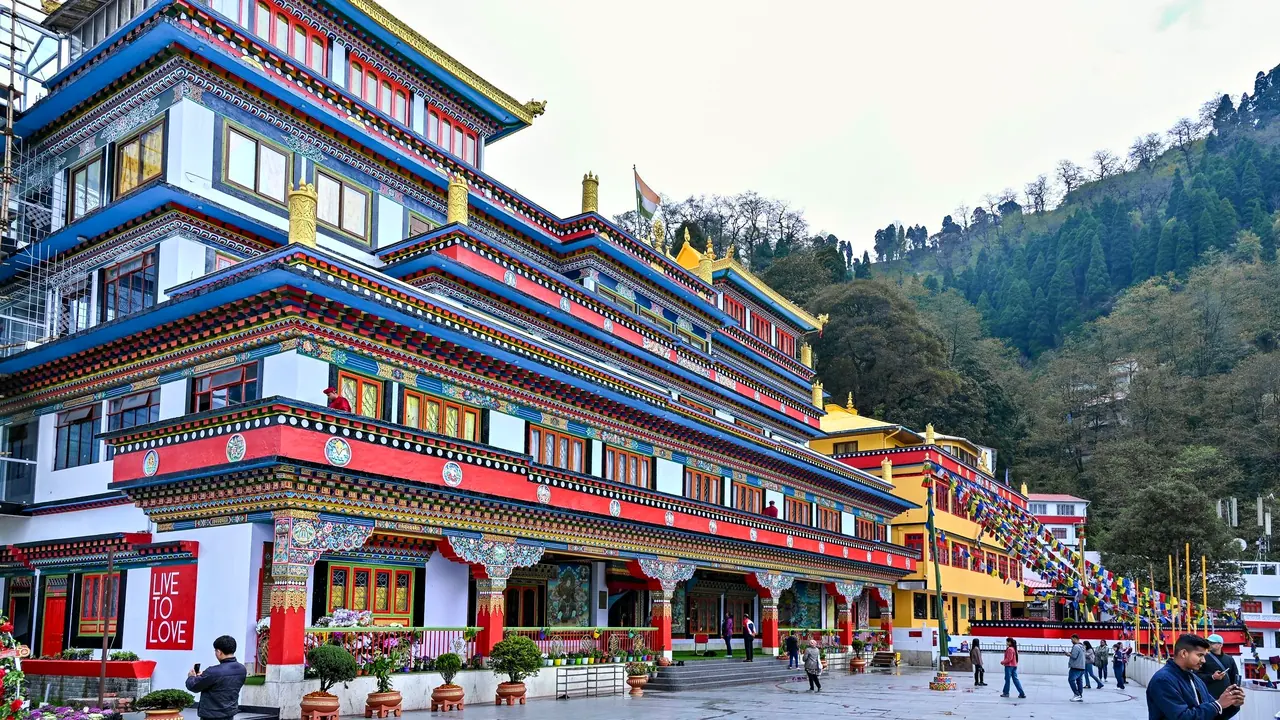
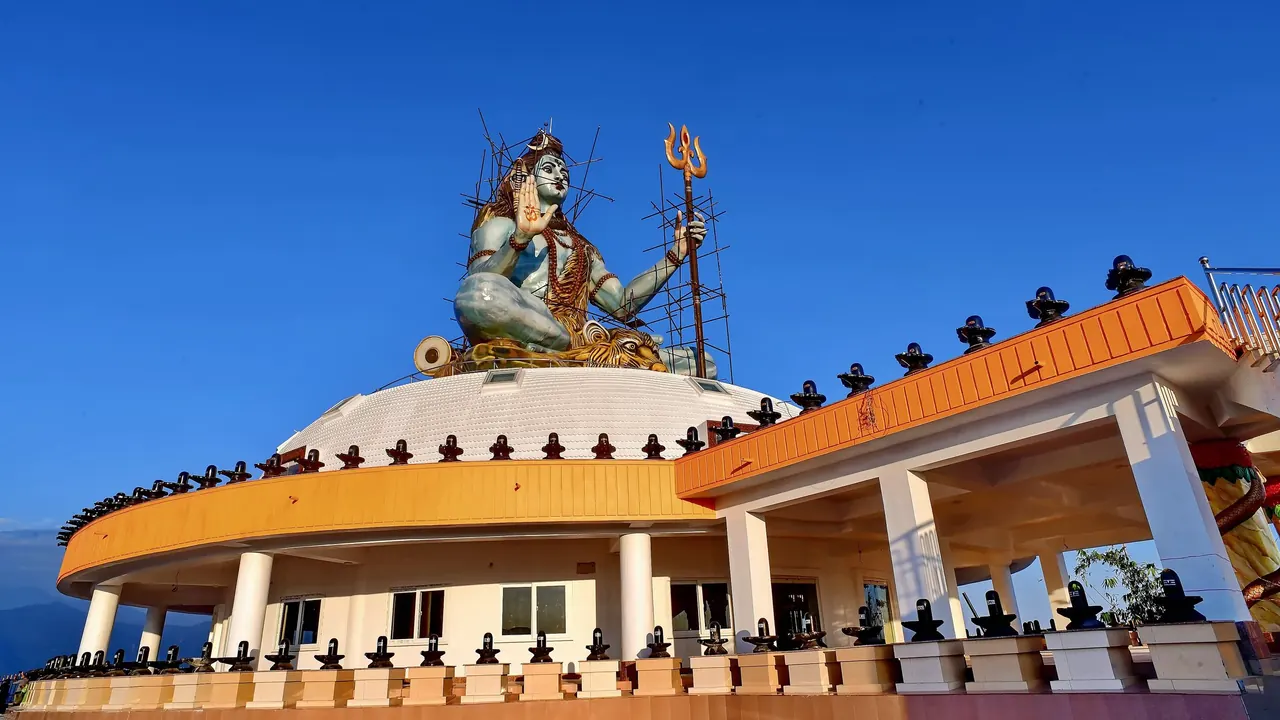
Photos: Darjeeling by Krishnendu Biswas, Pexels License; Pokhara by Rajesh Dhungana, CC BY-SA 4.0, cropped.
Darjeeling or Pokhara?
Our verdict in twelve categories, each scored against the same fixed benchmark cities, and the climate month by month, so you can choose for your trip.
Choose Darjeeling for
- culture and sights
- day trips
- shopping
Darjeeling suits the traveller who wants a hill station with a story to it. The steam toy train, the Raj-era churches and tea rooms, the old monastery at Ghoom and the mountaineering museum make for unhurried sightseeing. Add tea tasted where it is grown and easy outings to Kurseong, Mirik and Kalimpong. It is the better choice if you don't mind steep steps and early nights.
Choose Pokhara for
- nightlife
- wellness
- nature and the outdoors
If the mountains themselves are the point, pick Pokhara. The Annapurnas stand closer, paragliding and kayaking start in town, and multi-day treks begin a short drive away. Lakeside is flatter, cheaper and livelier after dark, with yoga, massage and slow mornings by the water for rest days.
Scoreboard
Twelve categories on one fixed scale from 0 to 100. The shaded stretch is the gap between the two.
Your match
Pick a travel style or drag the sliders, and both match scores follow your weighting.
Too close to call, 2 points apart
Wins on culture and sights and day trips with your weighting.
Wins on nightlife and wellness with your weighting.
What matters to you?
Category by category
What the scores mean for a trip.
Beaches & swimming
You can't really swim in either town. Darjeeling has no water to bathe in at all, and its valley rivers are cold and fast. Pokhara at least has Phewa Lake, but people go out on it in painted rowing boats rather than swimming, so a dip at Begnas Lake or a hotel pool is the realistic option.
Food & drink
Darjeeling has the edge for anyone curious about food, mostly because of tea. Tasting first and second flush muscatel in tea rooms around the Mall or on an estate below town is something Pokhara can't match. Hill food fills in the rest: momos, thukpa, thenthuk and sel roti in family kitchens around Chowk Bazaar, and long breakfasts in the colonial bakeries.
Pokhara's Lakeside is set up for hungry trekkers, with long international menus of pizza and apple pie. The better meals are Thakali dal bhat with refills and buffalo sekuwa grilled away from the lake, washed down with coffee grown in Nepal's hills. Neither town has fine dining.
Culture & sights
Darjeeling has far more to see. The heritage toy train loops round Batasia to Ghoom and its old Yiga Choeling monastery. Add Observatory Hill with its prayer flags, the Gothic St Andrew's Church and the Himalayan Mountaineering Institute with its Tenzing Norgay links, and you have two or three full days.
Pokhara's sights are pleasant but slight: the island temple of Tal Barahi, the World Peace Pagoda, Bindhyabasini above the old bazaar, and the Mountain and Gurkha museums. Most of the town is modern, and it doesn't hold the layered Raj and Buddhist history that Darjeeling's ridge does.
Nightlife
Of the two, only Pokhara has much of an evening. Lakeside's rooftop and lakefront bars fill with trekkers celebrating a finished circuit, cover bands play rock standards and a couple of small dance bars stay open until about midnight. Darjeeling offers a drink by the fire in an old pub or hotel bar, then cold, empty streets by ten. That suits visitors who are getting up before dawn for Tiger Hill.
Nature & outdoors
Both are superb mountain bases, but Pokhara gives you more to do in the mountains. Machhapuchhre and the Annapurnas rise straight above Phewa Lake, and the Sarangkot ridge gives you sunrise and world-class paragliding. Kayaking and mountain biking fill the other days, and treks to Poon Hill, Mardi Himal and Annapurna Base Camp start an hour or two away.
Darjeeling is about the view and the walking. Kangchenjunga fills the sky from town, and Everest shows from Tiger Hill on a clear dawn. Paths through tea estates and rhododendron forest start at the edge of town, and the Singalila Ridge trek climbs to Sandakphu through red panda country.
Day trips
Darjeeling has the better range of outings, even though they are all hill towns of a similar kind. Kurseong is an hour down the road or a slow ride on the toy train, Mirik has a lake ringed by tea gardens, and Kalimpong's monasteries and Sunday market make a long but rewarding day.
From Pokhara the one obvious day trip is Bandipur, the car-free Newar hill town about two hours away. Gurung villages such as Ghandruk are really stops on a trek. Gorkha and Tansen work better as overnight stops on the road to Kathmandu or Lumbini.
Good for families
Neither is an easy place with small children, but the draws differ. Darjeeling has the toy train, the ropeway, pony rides on Chowrasta and a zoo with red pandas and snow leopards. Against that come steep steps, missing pavements and pre-dawn starts.
Pokhara is calmer and flatter along the shore, with rowing boats, caves, a waterfall and tandem paragliding for older children who meet the limits. It has no zoo or play facilities, so it suits outdoorsy teenagers best.
Getting around
Both have a small, walkable core and hard going beyond it. In Darjeeling that core is the car-free ridge of Chowrasta and the Mall. Around it are steep lanes, long flights of steps and jeep traffic on the Hill Cart Road, and getting there means three hours or more uphill from Siliguri or Bagdogra.
Pokhara's Lakeside is flat, so walking and cycling along the shore are easy. Sarangkot, the caves and the trailheads all need a taxi, a rented scooter or a hired driver.
Shopping & style
Darjeeling is the better place to buy something worth taking home. Above all that means tea, which you can taste and compare by estate and flush in the specialist shops on the Mall and Nehru Road. The Tibetan Refugee Self Help Centre also sells carpets and thangkas made on site.
Pokhara's shopping is mostly practical: trekking gear to buy or rent, much of it local copies of big brands. The craft shops sell shawls and singing bowls, and the Tibetan settlements sell carpets and jewellery. Neither town has fashion streets.
Affordability
Both are inexpensive, but your money goes further in Pokhara. Lakeside guesthouses with mountain views and even comfortable hotels stay modest, and the real spending is on paragliding, guided treks and Annapurna permits.
Darjeeling is just as cheap for momos, tea and shared jeeps. However, its heritage hotels and tea-estate bungalows charge international rates, and private taxis to Tiger Hill add up. Rooms with a view also cost more in the peak seasons and Indian school vacations.
Live music & performing arts
There is little to plan around in either town. Darjeeling's best moments are the masked cham dances at monastery festivals such as Losar, which are real ritual but tied to the calendar. Pokhara's cover bands and Gurung and Magar dinner shows are easy to find on any night, though they are staged for visitors.
Wellness & relaxation
Pokhara is the more restful base. The unhurried pace of Lakeside, yoga and meditation retreats on the far shore and countless massage places for trekkers' sore legs make it easy to build a stay around recovery.
Darjeeling can be just as restorative in a tea-estate bungalow, with mountain mornings and quiet corners at Ghoom. The town itself is steep, crowded and loud with jeeps, though, and spa treatments are limited to a few upmarket hotels.
When should you go?
Pick your month. The climate figures are measured averages, not a forecast.
Darjeeling in July
Pokhara in July
Daytime high, °C
Rainfall in the month, mm
Where the figures come from
Darjeeling has no weather station within reach, so its figures come from a gridded climate model rather than a measured record, and read a broad area rather than the city itself.
Pokhara has no weather station within reach, so its figures come from a gridded climate model rather than a measured record, and read a broad area rather than the city itself.
Temperature and rainfall are climate normals, averaged over the years shown. Darjeeling: 1991-2020 normals, TerraClimate 4 km grid at the town, no weather station within 90 km. Pokhara: 1991-2020 normals, TerraClimate 4 km grid at the town, no weather station within 90 km.
The two towns share the same monsoon, so their best months line up. November is the standout in both, dry and clear with the peaks on show, and December stays dry as well. October is also a fine month for mountain views, though Darjeeling still gets a fair amount of rain then, about as much as in April. Pokhara dries out sooner. March and April are good in both, with showers building through April and some haze over Pokhara. From June to September both are soaked, and cloud can hide the mountains for days. Darjeeling gets about 778mm in July, and Pokhara almost as much. Pokhara's rains also start harder, with heavy downpours already in May.
The real difference is altitude. Darjeeling stays cool all year. Highs reach only about 25°C in summer and fall to near 15°C in winter, so December to February is crisp and dry for walking, with cold mornings. Pokhara is much warmer and sits around 30°C from April to September, which makes midday walking hard work. Its winter is the comfortable time for walks and days on the lake, with highs near 20°C and almost no rain.
Which traveller are you?
For a culture and arts trip, Darjeeling is the clear pick. The UNESCO-listed toy train, Ghoom's old monastery, the Raj-era churches and schools and the Himalayan Mountaineering Institute fill several days. Pokhara's temples and museums take a couple of half days.
On an outdoors trip, Pokhara is better. Paragliding from Sarangkot, kayaking on Phewa Lake and treks from Poon Hill to Annapurna Base Camp all start close to town. Darjeeling's Singalila Ridge walk to Sandakphu is a fine option for keen walkers.
For a relaxing and wellness trip, choose Pokhara. Flat, unhurried Lakeside, yoga and meditation retreats on the far shore and massage on every street make rest easy. In Darjeeling, calm depends on staying out among the tea gardens, away from the busy ridge.
Before you go
| Measure | Darjeeling | Pokhara |
|---|---|---|
| Official language | Hindi, English | Nepali |
| Currency | Indian Rupee (INR) | Nepalese Rupee (NPR) |
| Sockets | CM230 V, 50 Hz | CM230 V, 50 Hz |
| Driving side | Left | Left |
| Time zone | UTC+5:30 | UTC+5:45 |
| Emergency number | 108 or 112 | Police 100, ambulance 102, fire 101 |
| Elevation | 2,115 m | 900 m |
| Main airport | Bagdogra Airport (IXB)40 km from centre13 non-stop destinations | Pokhara International Airport (PHH)4 km from centre9 non-stop destinations |
By the numbers
| Measure | Darjeeling | Pokhara |
|---|---|---|
| City population | 118,805 | 353,841 |
| People per km² | 11,208 | 762 |
| Museums within 10 km | 7 | 2 |
| UNESCO World Heritage sites within 50 km | 1 | 0 |
Where else could you go?
Every comparison below shares a destination with this one, so you can follow Darjeeling or Pokhara somewhere new.
- Kathmanduvs Pokhara
- Kathmanduvs Darjeeling
- Varanasivs Pokhara
- Varanasivs Darjeeling
- Rishikeshvs Pokhara
- Lehvs Pokhara