Photos: Djerba by IssamBarhoumi, CC BY-SA 4.0, cropped; Hurghada by Andrey Korchagin, CC BY-SA 2.0, cropped.
Djerba or Hurghada?
Our verdict in twelve categories, each scored against the same fixed benchmark cities, and the climate month by month, so you can choose for your trip.
Choose Djerba for
- culture and sights
- wellness
- getting around
Djerba suits a slower, gentler beach vacation. The northeast coast has pale sand and calm, shallow water, the big hotels have serious thalassotherapy centres, and the island itself is worth a couple of days. You can explore the olive groves, the domed menzels, Houmt Souk and the Ghriba synagogue easily by taxi or bike. It is the better pick for spa-goers, for travellers who want some heritage within reach, and for anyone coming between autumn and spring for treatments rather than swimming.
Choose Hurghada for
- nature and the outdoors
- nightlife
- beaches
If the sea itself is the point, choose Hurghada. The Red Sea is warm enough to swim almost all year and coral starts just offshore. The Giftun islands, the wrecks and the kitesurfing spots give active travellers far more to do in and on the water, and Sheraton Road and the marina offer a livelier night out, though it is made for tourists. The cost is any real sense of place: the town has little history, the hotels are spread along a busy road, and ancient Egypt means a long trip to Luxor.
Scoreboard
Twelve categories on one fixed scale from 0 to 100. The shaded stretch is the gap between the two.
Your match
Pick a travel style or drag the sliders, and both match scores follow your weighting.
Wins on culture and sights and wellness with your weighting.
Wins on nature and the outdoors and nightlife with your weighting.
What matters to you?
Category by category
What the scores mean for a trip.
Beaches & swimming
Both are beach destinations first. Hurghada has a slight edge, mostly because its water is clearer and warm for more of the year. Djerba's strength is the sand itself, a long strip of pale, fine sand from Sidi Mahrez to Aghir, where the sea shelves so gently that you can wade a long way out. On windy days, though, the water clouds over and seaweed washes up.
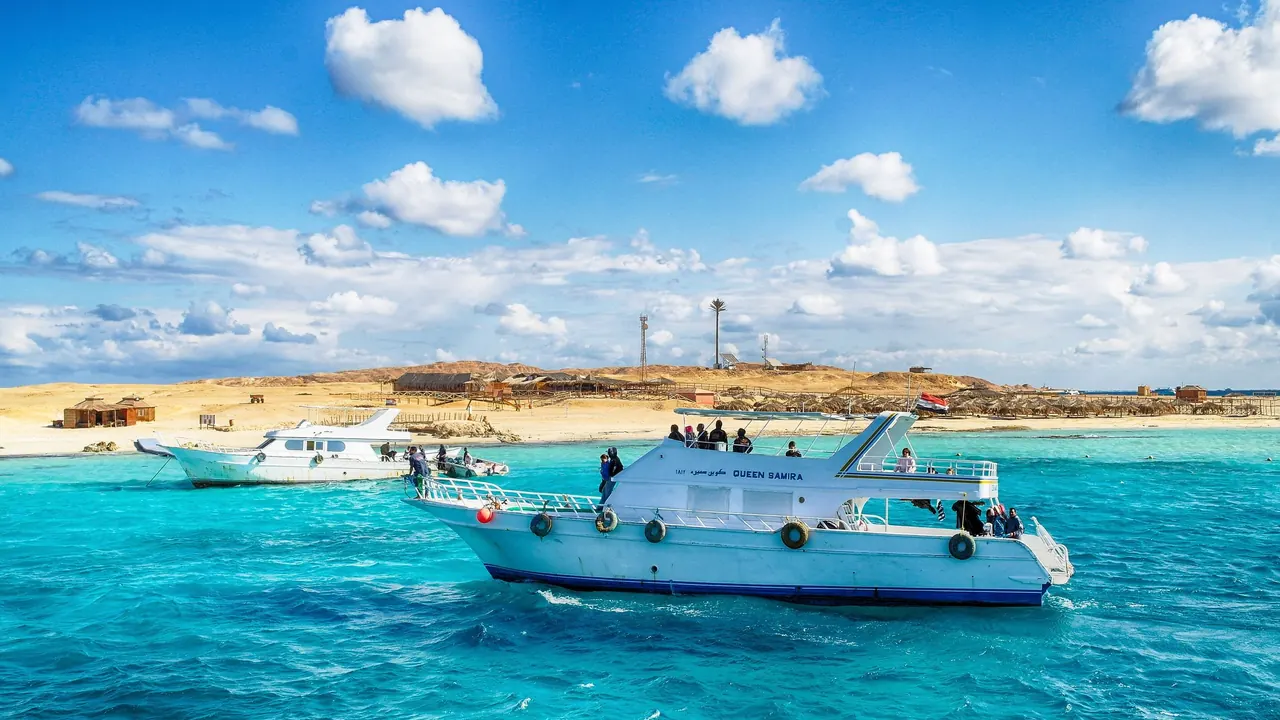
In Hurghada the beaches belong to the hotels. In town some are small artificial bays, and in front of many resorts reef flats mean you get in from a jetty. The reward is clear Red Sea water over coral, and the finest sand is out on the Giftun islands and in the bays towards Makadi and Sahl Hasheesh.
Food & drink
Neither is a food destination, and in both most visitors eat at the all-inclusive buffet. Djerba has a little more of its own cooking to look for, such as riz djerbien, fish couscous and fish from the morning auction grilled at simple places in Houmt Souk.
Hurghada's local food is everyday Egyptian cooking: koshary, ful and taameya in El Dahar, and fish you pick from the ice by the harbour. The international menus in Sakkala and the marina are rarely memorable. In both places alcohol is mostly limited to hotels and licensed venues.
Culture & sights
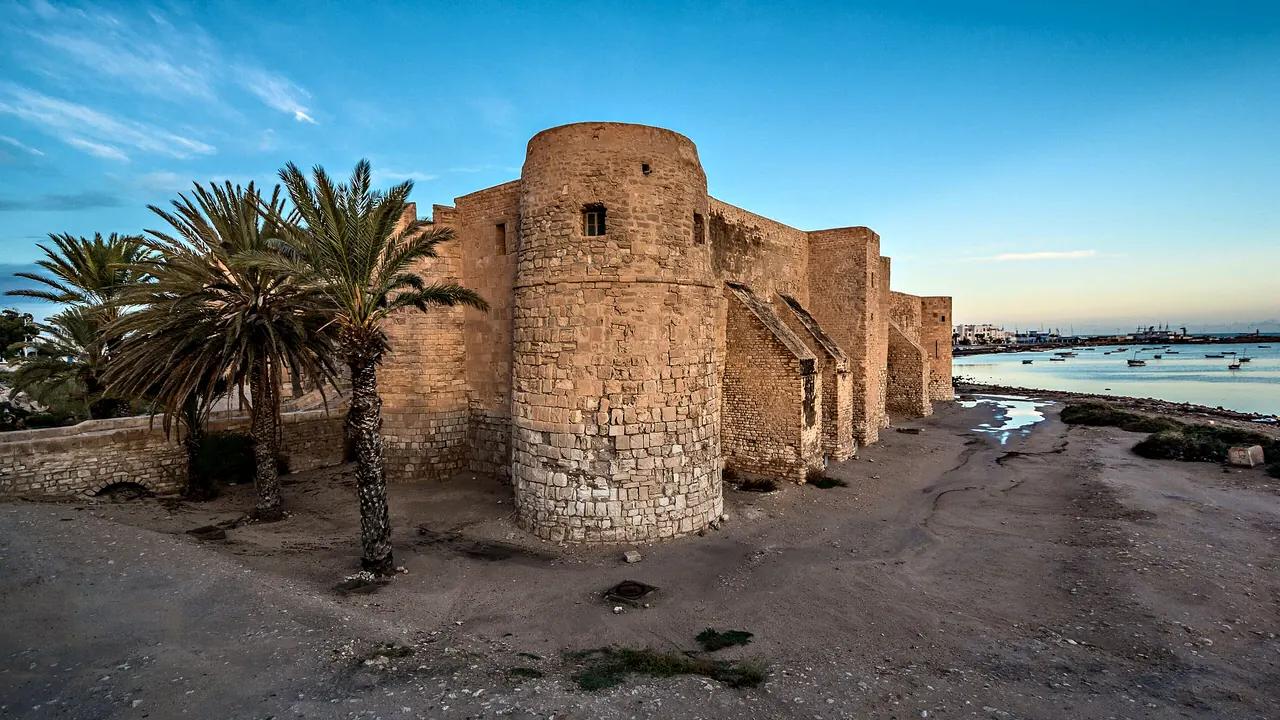
Djerba has a modest but genuine heritage. The highlights are the tiled interior of the Ghriba synagogue at Erriadh, the whitewashed lanes and old funduqs of Houmt Souk, the Borj el Kebir fort, and the fortified Ibadite mosques and domed menzels out among the olive groves. It is enough for a couple of days, not a whole trip.
Hurghada grew from a fishing village into a resort and has almost no historic fabric. Its cultural offer is the pharaonic pieces in the Hurghada Museum, the El Mina mosque and a walk through the market streets of El Dahar.
Nightlife
Hurghada is the one for going out. Sheraton Road in Sakkala and the marina have bars, shisha lounges and large beach clubs that stay busy into the small hours at weekends and in summer. It is a resort strip with little local character, but it is a real night out.
On Djerba, evenings mostly mean the hotel's entertainment programme and pool bar, plus a few clubs on the coast in high summer. Houmt Souk is quiet after dinner, and a night there means tea on a café terrace.
Nature & outdoors
Hurghada's nature is underwater, and it is far richer. Reefs start just offshore, the waters around the Giftun islands have turtles, dolphins and sometimes dugongs, and divers can reach wrecks and walls known across the Red Sea. Behind the town, the bare Red Sea mountains are explored by jeep and quad bike, with stargazing at Bedouin camps.
Djerba is flat and quiet: palm groves, ancient olive trees and salt flats, easy to cross by bike or on horseback. Its highlight is the birdlife, with flamingos on the Ras Rmel lagoon in winter and spring. Both coasts have the steady wind that kitesurfers and windsurfers look for.
Day trips
Djerba has more within a day's reach. The Roman ruins of Gightis are just across the water, and further on are the fortified granaries of Medenine, the hilltop ksour and Chenini around Tataouine, and the cave houses of Matmata. Most of these mean long drives through dry country, and the Sahara needs an overnight stay.
Hurghada has one outstanding excursion, Luxor with Karnak and the Valley of the Kings. At about four hours each way, though, it means a pre-dawn start, and staying a night is often the better choice. Closer to Hurghada there is little beyond El Gouna's marina and the Roman quarries out in the desert.
Good for families
Both work equally well for a family resort vacation. The difference is the age of the children they suit best outside the hotel. Djerba is ideal for toddlers, with safe paddling in the shallow, calm sea, the crocodile farm near Midoun and camel rides on the beach. Hurghada has more to keep older children busy: hotel water parks, glass-bottom boats and semi-submarines over the reef, dolphin trips and quad bikes in the desert.
In both places the midsummer heat is hard on small children, and the town markets come with pushy selling.
Getting around
Djerba is far easier to get around. It is small and flat, Houmt Souk and Midoun are a short taxi ride from the hotel zone, a hired bike works well on the coast road, and Houmt Souk is easy to explore on foot. Trips to the mainland mean the causeway or the Ajim ferry, then a driver.
Hurghada stretches for tens of kilometres along one main road with few pavements, and crossing it can be stressful. The shared minibuses and taxis work once you know the system and agree the fare first, but many visitors rely on hotel shuttles and excursion transfers instead.
Shopping & style
Djerba's shopping has more substance. The covered souks of Houmt Souk sell rugs, leather and gold and silver jewellery, a trade long tied to the island's Jewish craftsmen. In Guellala you can buy pottery straight from the workshops, and the village weekly markets are more local.
Hurghada's shopping is mostly souvenirs, such as papyrus, alabaster and perfume oils in El Dahar and along Sheraton Road, with malls for everyday brands and supermarkets. Expect haggling and insistent sellers in both.
Affordability
Both are among the cheapest warm-water beach vacations you can book, thanks largely to all-inclusive packages, and taxis and local food cost little in each. The difference is in the extras. In Hurghada, diving and boat trips are a bargain if you book them locally rather than through the hotel. On Djerba, trips to the south are the main extra cost, though shared tours keep them reasonable. In both places, imported alcohol is what pushes the bill up.
Live music & performing arts
Neither has live music or theatre worth planning an evening around. On Djerba you mostly get folk shows in the hotels, plus traditional music at summer weddings and village festivals. Hurghada adds tanoura dancers and belly dancing at folklore evenings and desert-camp dinners, which are fun for one night.
Wellness & relaxation
Djerba is the stronger choice for spa treatments. Thalassotherapy is a draw in itself, with large seawater centres in the hotels on the northeast coast, and some guests plan a whole stay around a programme of treatments. Simple hammams used by local people in Houmt Souk and the villages, and the island's unhurried pace, add to the calm.
Hurghada's spas are hotel facilities of uneven quality, offering Turkish-style hammams and Red Sea salt rituals at low cost. The calm ends at the resort gate, because the town outside is noisy and full of hassle.
When should you go?
Pick your month. The climate figures are measured averages, not a forecast.
Djerba in July
Hurghada in July
Daytime high, °C
Rainfall in the month, mm
Where the figures come from
Djerba has no rain gauge within 25 km of the centre, so its rainfall comes from a gridded climate dataset read at the destination rather than from a gauge further away.
Djerba's sunshine is measured 73 km from the centre, at Gabes.
Temperature and rainfall are climate normals, averaged over the years shown. Djerba: 1991-2020 normals, Djerba Mellita (14.2 km from centre). Hurghada: 1991-2020 normals, Hurguada (15.2 km from centre).
Djerba has a real winter, so its beach season is limited. The sea is warm enough for swimming from June to October and reaches 28°C in August and September. On land, highs climb to about 34°C in August, which makes midday walks around Houmt Souk hard going. Winter days are mild at about 17°C. The sea is too cool for most swimmers then, and what little rain the island gets falls between October and March, with November the wettest month. Sunshine stays generous all year, so spring and autumn are good for walking, cycling and spa stays.
Hurghada hardly sees rain at all, and its sea never drops much below 22°C, so swimming works in every month. Its problem is the opposite one. From June to August highs sit around 37°C, which limits anything active to early morning and evening. Winter is when it is at its most pleasant, with warm, dry days just when Djerba is too cool for the beach.
Which traveller are you?
On a relaxing and wellness trip, Djerba is the better choice. Its thalassotherapy centres are a reason to visit in their own right, and the mild months suit a programme of treatments. The island's slow pace also carries on outside the hotel gates, which Hurghada's noisy town does not.
For an outdoors trip, Hurghada wins clearly. Coral starts just offshore, boats run to the Giftun islands and to dive sites known across the Red Sea, kitesurfers have steady wind and jeeps head into the mountains. Djerba offers flat cycling and flamingos, but no reef.
On a culture and arts trip, Djerba has more close at hand: the Ghriba synagogue, Houmt Souk's old lanes and seafront fort, and the ksour and cave houses of the mainland south. Hurghada has little history of its own, and Luxor is a long journey away.
Before you go
| Measure | Djerba | Hurghada |
|---|---|---|
| Official language | Arabic | Arabic |
| Currency | Tunisian Dinar (TND) | Egyptian Pound (EGP) |
| Sockets | CE230 V, 50 Hz | CF220 V, 50 Hz |
| Driving side | Right | Right |
| Time zone | UTC+1 | UTC+2, UTC+3 in summer |
| Emergency number | Police 197, ambulance 190, fire 198 | Police 122, ambulance 123, fire 180 |
| Elevation | - | 11 m |
| Main airport | Djerba Zarzis International Airport (DJE)34 non-stop destinations | Hurghada International Airport (HRG)9 km from centre122 non-stop destinations |
| Public holidays this year | 8 days | 15 days |
By the numbers
| Measure | Djerba | Hurghada |
|---|---|---|
| Population | 175,820 | 214,247 |
| People per km² | 342 | - |
| Museums within 10 km | - | 1 |
| UNESCO World Heritage sites within 50 km | - | 0 |
| Swim season, months above 21 °C | 6 months | 12 months |
Where else could you go?
Every comparison below shares a destination with this one, so you can follow Djerba or Hurghada somewhere new.
- Sharm el-Sheikhvs Hurghada
- Dahabvs Hurghada
- Luxorvs Hurghada
- Tunisvs Djerba
- Aswanvs Hurghada
- Cairovs Hurghada