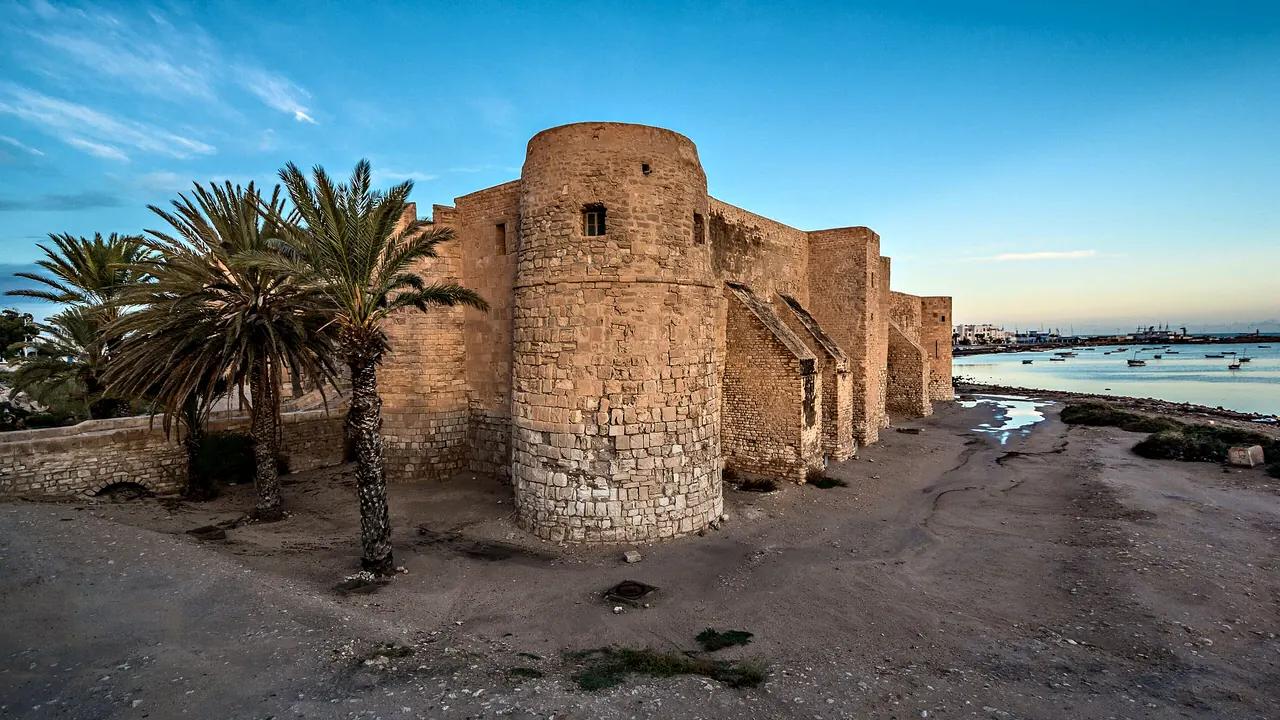
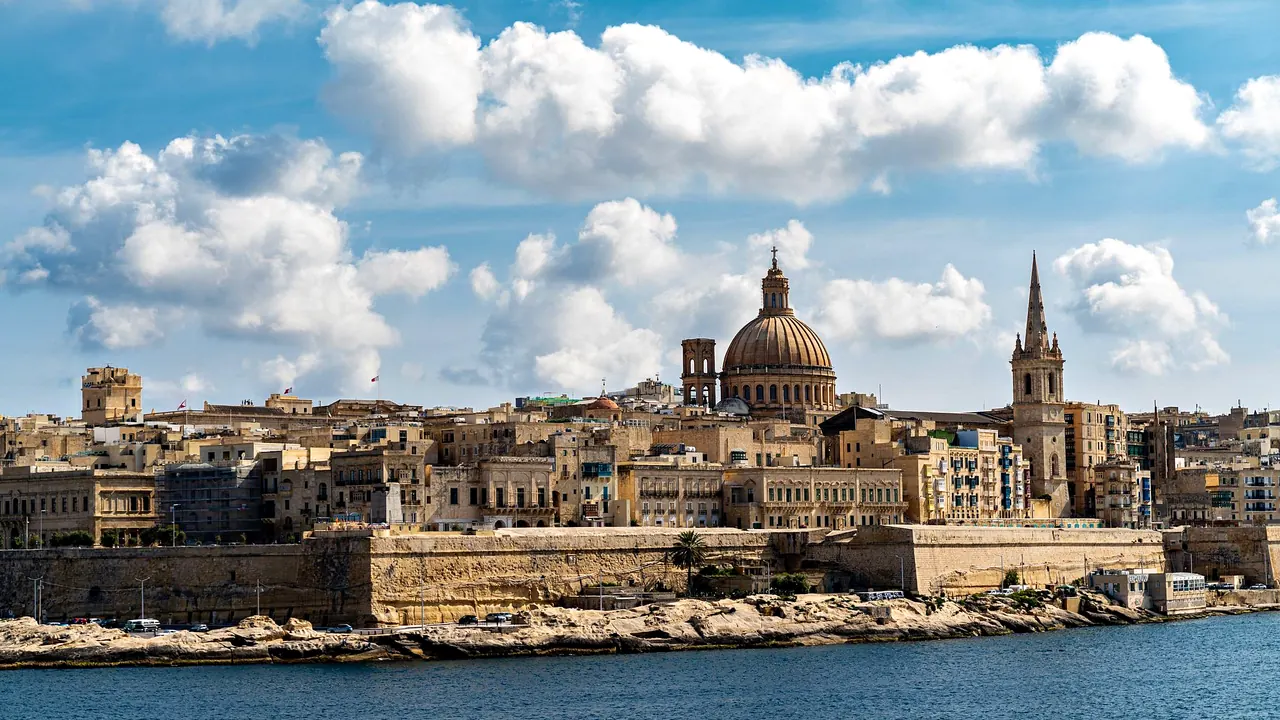
Photos: Djerba by IssamBarhoumi, CC BY-SA 4.0, cropped; Valletta by Pho Tomass, Pexels License.
Djerba or Valletta?
Our verdict in twelve categories, each scored against the same fixed benchmark cities, and the climate month by month, so you can choose for your trip.
Choose Djerba for
- wellness
- prices
- beaches
Djerba is the pick for a sun-and-sand vacation that asks little of you. It has long, pale beaches on the northeast coast with shallow, calm water, resort hotels with thalassotherapy centres, and costs well below most Mediterranean resorts. It suits people who want to stay in one place, swim and rest, and who will happily give up sightseeing and evenings out for quiet.
Choose Valletta for
- day trips
- live music and the arts
- culture and sights
Travellers who want somewhere to explore should choose Valletta. The walled city of the Knights, St John's Co-Cathedral and the Three Cities fill a few days, and Mdina, the prehistoric temples and Gozo are all close by bus or ferry. Swimming there means rocks or small bays, the evenings are livelier, and the whole trip costs more.
Scoreboard
Twelve categories on one fixed scale from 0 to 100. The shaded stretch is the gap between the two.
Your match
Pick a travel style or drag the sliders, and both match scores follow your weighting.
Wins on wellness and prices with your weighting.
Wins on day trips and live music and the arts with your weighting.
What matters to you?
Category by category
What the scores mean for a trip.
Beaches & swimming
Beaches are the main reason to go to Djerba. Fine sand runs from Sidi Mahrez to Aghir with the hotels right behind it, and the water is shallow enough to wade far out. The trade-off is a flat, plain setting, and the water can turn cloudy or bring in seaweed after a windy day.
Valletta offers a different kind of swimming. You climb down ladders from limestone ledges into very clear water below the bastions or along the Sliema shore. Its sandy bays, such as Golden Bay and Mellieha, are small, crowded in August and a bus ride away, so they make a half-day out rather than the centre of the trip.
Food & drink
Valletta offers better and more varied food. Pastizzi from cheap counters, ftira at lunchtime, rabbit stew and wine bars on the city's steps give you a fuller day of eating, and Marsaxlokk adds harbour fish on a Sunday morning.
On Djerba most meals are at hotel buffets, and to try the island's own cooking you go to Houmt Souk for fish grilled fresh from the auction and for riz djerbien. It is good, simple food, but there is little choice, and alcohol is mostly limited to the hotels.
Culture & sights
Valletta is worth visiting for its culture alone. The whole walled city is a UNESCO site, and St John's Co-Cathedral with its Caravaggio, the Grandmaster's Palace and Fort St Elmo are all a short walk from each other. The Three Cities across the harbour and the Hypogeum at Paola add more close by.
Djerba's heritage is real but spread out. The Ghriba synagogue at Erriadh is the highlight. Houmt Souk's old funduqs, the Borj el Kebir fort and the small fortified mosques among the olive groves make a couple of days of sightseeing between beach days.
Nightlife
Neither place is for partying, but Valletta gives you more to do after dark. There are wine bars along Strait Street and tables on the steps of side streets, and the loud club strip at Paceville is half an hour away for anyone who wants to stay out until dawn.
On Djerba, evenings mostly happen inside the resort, with a pool bar and the hotel's entertainment. Houmt Souk winds down to tea on a café terrace.
Nature & outdoors
Malta's outdoor strengths are in the sea: clear water, wrecks and caves for divers, boat trips into the Blue Grotto, and short cliff walks at Dingli and on Gozo in spring. Djerba is flatter and gentler. Flamingos feed on the Ras Rmel lagoon, the palm and olive country is easy to cross by bike or on horseback, and the steady wind suits kitesurfing.
Neither has real hiking. To see desert landscapes from Djerba you have to go to the mainland.
Day trips
Valletta is the far better base for days out because everything is close. Mdina and Rabat are half an hour away by bus, the temples of Hagar Qim and Mnajdra stand above the southern cliffs, and a ferry to Gozo makes a full day.
From Djerba the sights are worth seeing, from Roman Gightis to the ksour around Tataouine and the cave houses of Matmata. Almost all of them, though, mean crossing the causeway or taking the Ajim ferry and then long drives through dry country, and the Sahara needs a night away.
Good for families
Both work for families, in different ways. Djerba is the easier beach vacation with small children, with shallow, calm water off the northeast coast, resorts with pools and children's clubs, and camel rides on the sand. The midsummer heat and the long drives south are hard on young children, though.
Malta is easier in practical terms, with English spoken everywhere and short trips to the aquarium, Popeye Village and the northern bays. Valletta's stepped streets are hard going with a pushchair, so families usually stay in Sliema or near the beaches.
Getting around
Valletta is small and best seen on foot. A lift runs down to the harbour, short ferries cross to Sliema and the Three Cities, and buses from the city gate reach nearly every part of the island, though they are slow on its congested roads.
On Djerba you rely on taxis from the hotel zone, because the local buses are hard for visitors to use. Any trip to the mainland means joining a tour or hiring a driver.
Shopping & style
Neither is a place to go for shopping, and what each offers is crafts rather than fashion. On Djerba that means a souk: rugs, leather, spices and jewellery in the covered lanes of Houmt Souk, where haggling is expected, and pottery bought straight from the workshops at Guellala. Valletta is calmer, with chain stores on Republic Street and silver filigree, lace and glass in small showrooms or at the Ta' Qali crafts village.
Affordability
Djerba is clearly the cheaper trip. All-inclusive stays on the northeast coast cost far less than at comparable Mediterranean resorts, and taxis, tea and a fish lunch in Houmt Souk cost little.
Valletta is mid-priced, and rooms inside the walls are among the dearest on Malta, so many visitors stay in Sliema or Gzira instead. Cheap buses and pastizzi keep day-to-day spending down, and room rates fall in winter.
Live music & performing arts
Valletta has a small but real stage. There is the gilded Manoel Theatre of 1731, concerts by the Malta Philharmonic and an open-air stage on the ruined opera house site in summer, plus a baroque music festival in winter and a jazz festival in summer. Djerba has no theatre or concert hall, and live performance there means folk shows in the hotels and music at village weddings and festivals.
Wellness & relaxation
Djerba is made for resting. Thalassotherapy is one of its main draws, with large seawater centres in the coastal hotels that some guests plan a whole stay around in the mild months. Houmt Souk and the villages also have simple local hammams.
In Valletta, the restful part is the quiet of the streets once the cruise passengers leave, with evening light on the limestone and the Barrakka Gardens looking over the harbour. Its spas are in hotels, pleasant but not a reason to come.
When should you go?
Pick your month. The climate figures are measured averages, not a forecast.
Djerba in July
Valletta in July
Daytime high, °C
Rainfall in the month, mm
Where the figures come from
Djerba has no rain gauge within 25 km of the centre, so its rainfall comes from a gridded climate dataset read at the destination rather than from a gauge further away.
Djerba's sunshine is measured 73 km from the centre, at Gabes.
Temperature and rainfall are climate normals, averaged over the years shown. Djerba: 1991-2020 normals, Djerba Mellita (14.2 km from centre). Valletta: 1991-2020 normals, Luqa (5.9 km from centre).
Djerba has the longer beach season and the drier winter. The sea is warm enough to swim in from June to October and reaches 28°C in August and September. In July and August daytime highs near 34°C make the middle of the day heavy going, whether on the sand or in Houmt Souk. Winter stays mild, sunny and fairly dry, so the months from autumn to spring suit a stay built around treatments rather than swimming.
Valletta is best for walking in April, May and October, when the streets are warm without wearing you out. July and August reach about 32°C, which is hard work on the stepped streets, though the sea is at its warmest then. Rain arrives in September and peaks at about 90mm in November. Winters here are noticeably wetter and greyer than on Djerba.
Which traveller are you?
On a relaxing and wellness trip, Djerba is the better choice. The days settle into a routine of a treatment, a long lunch, a siesta and tea in the shade, even in the mild winter. In Valletta, calm arrives only once the day's crowds thin.
On a trip on a tight budget, Djerba makes your money go further. Sights cost little to enter, and shared tours put the trips south within reach, as long as you go easy at the hotel bar. In Valletta, museum tickets and meals in the centre add up.
For a culture and arts trip, Djerba's sights are outings you fit between beach days and reach by taxi. Valletta suits much better, because there the stay itself is the sightseeing. You step from a townhouse into the old streets and can end the day at a concert.
Before you go
| Measure | Djerba | Valletta |
|---|---|---|
| Official language | Arabic | English, Maltese |
| Currency | Tunisian Dinar (TND) | Euro (EUR) |
| Sockets | CE230 V, 50 Hz | G230 V, 50 Hz |
| Driving side | Right | Left |
| Time zone | UTC+1 | UTC+1, UTC+2 in summer |
| Emergency number | Police 197, ambulance 190, fire 198 | 112 |
| Elevation | - | 56 m |
| Main airport | Djerba Zarzis International Airport (DJE)34 non-stop destinations | Malta International Airport (MLA)6 km from centre113 non-stop destinations |
| Public holidays this year | 8 days | 14 days |
By the numbers
| Measure | Djerba | Valletta |
|---|---|---|
| Population | 175,820 | 5,197 |
| People per km² | 342 | 6,496 |
| Museums within 10 km | - | 16 |
| UNESCO World Heritage sites within 50 km | - | 3 |
| Swim season, months above 21 °C | 6 months | 6 months |
Where else could you go?
Every comparison below shares a destination with this one, so you can follow Djerba or Valletta somewhere new.
- Syracuse, Sicilyvs Valletta
- Cataniavs Valletta
- Taorminavs Valletta
- Palermovs Valletta
- Tunisvs Djerba
- Leccevs Valletta