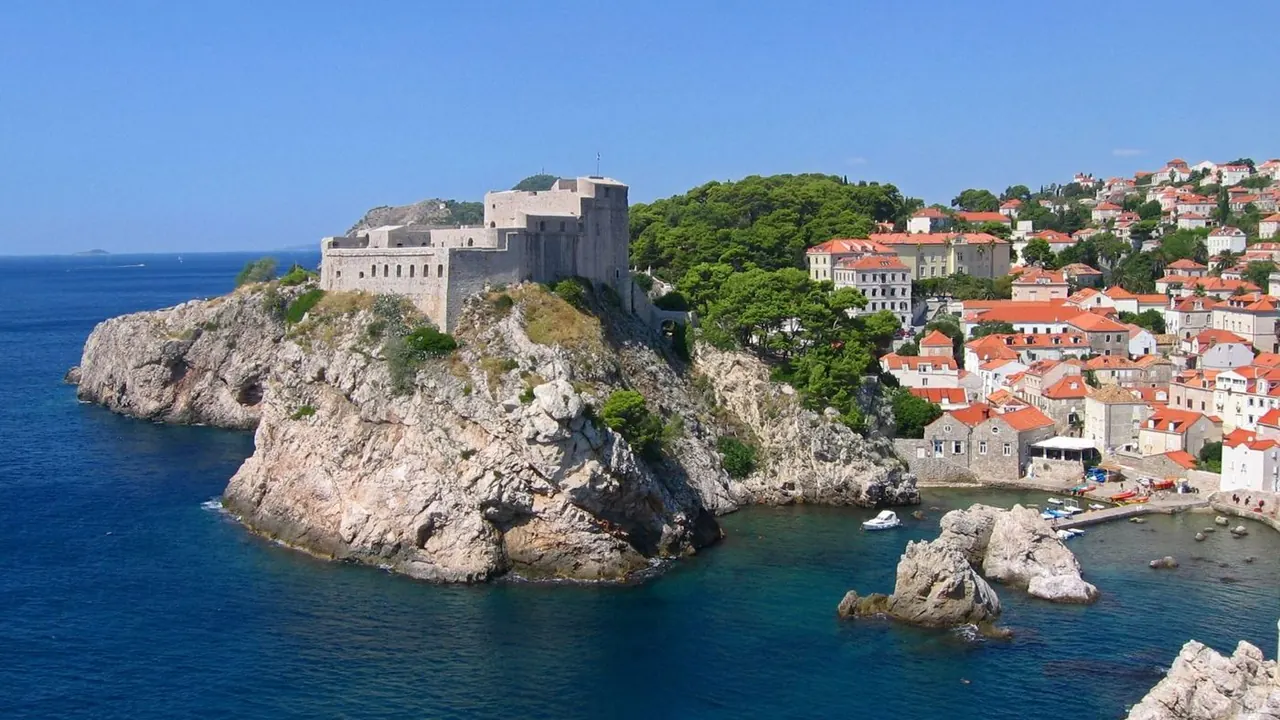
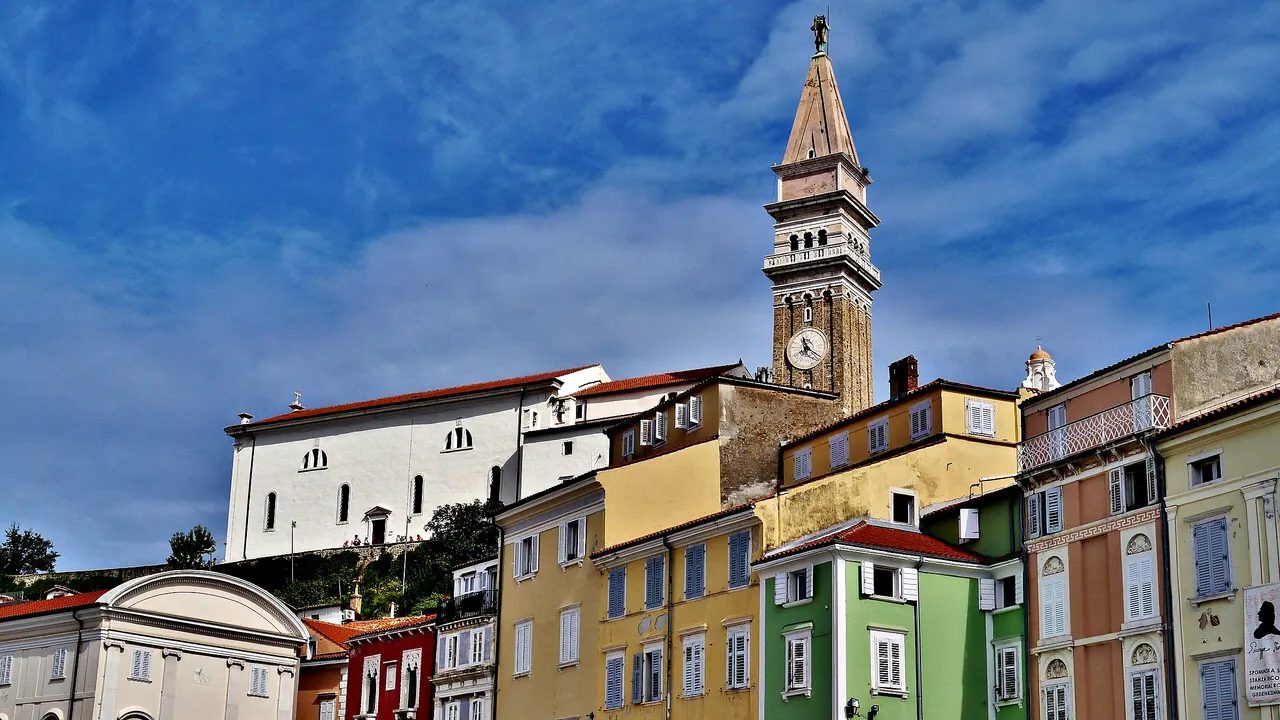
Photos: Dubrovnik by Natalia Semenova, CC BY 3.0, cropped; Piran by Zairon, CC BY-SA 4.0, cropped.
Dubrovnik or Piran?
Our verdict in twelve categories, each scored against the same fixed benchmark cities, and the climate month by month, so you can choose for your trip.
Choose Dubrovnik for
- culture and sights
- beaches
- nightlife
Dubrovnik is the better choice for travellers who want a famous old town and a proper swimming summer. The walls, the Stradun and the palaces and monasteries inside give two or three days of real sightseeing. The coves, Lokrum and the Elafiti islands offer more and better swimming, and the evenings have a little more life. In return you pay more, and the streets are crowded on summer days.
Choose Piran for
- wellness
- prices
- day trips
Piran suits a slower and cheaper stay. Its Venetian peninsula takes a day to see rather than three, but it makes a calm base. The salt-pan spas of Portoroz and Secovlje are close by, and Trieste, the hill towns of Istria and the Karst caves are all an easy drive away. Go there to unwind and explore the area around it, not for a long list of sights in town.
Scoreboard
Twelve categories on one fixed scale from 0 to 100. The shaded stretch is the gap between the two.
Your match
Pick a travel style or drag the sliders, and both match scores follow your weighting.
Wins on culture and sights and beaches with your weighting.
Wins on wellness and prices with your weighting.
What matters to you?
Category by category
What the scores mean for a trip.
Beaches & swimming
Neither has a sandy town beach, and in both you swim from rocks and concrete platforms into clear Adriatic water. Dubrovnik simply has more of it: Banje below the walls, the coves of Lapad and Babin Kuk, and by boat Lokrum, the quieter Elafiti bays and the sandy cove at Sunj on Lopud.
In Piran you climb down ladders off the seafront around the Punta or use the small pebble cove at Fiesa. For sand you go to the small artificial beach at Portoroz or the cliff-backed shore at Strunjan. It is fine for a daily swim but thin for a full beach vacation.
Food & drink
Both cook in the same Adriatic way, with grilled fish and shellfish in simple konobas and little range beyond seafood. Dubrovnik has a little more worth seeking out: black risotto and pasticada, Ston oysters eaten at the farms, Peljesac reds and the morning market at Gruz. The good tables are in Lapad, Gruz and Konavle rather than on the Stradun.
Piran is simpler still. The harbour menus repeat scampi buzara and squid, with local salt, Malvazija, Refosk and truffles from the hills adding interest. For more ambitious cooking you drive into the Istrian hinterland.
Culture & sights
This is where the two differ most. Dubrovnik's walls run unbroken for almost 2km. Inside them, the Rector's Palace, the Sponza Palace, the Franciscan and Dominican monasteries and the cathedral make up a remarkably intact set, and Fort Lovrijenac and the war museum on Mount Srd lie beyond.
Piran is a smaller version of the same idea: Venetian Gothic lanes, the oval Tartini Square and the campanile of St George above the bay, plus a maritime museum and a monastery cloister. It is lovely for a slow wander, but it is a stroll rather than a sightseeing programme.
Nightlife
Neither suits serious clubbing, but Dubrovnik does offer a summer night out. There are sunset drinks at the bars cut into the rocks below the walls, small wine and cocktail bars in the lanes off the Stradun that stay busy late, and a club inside the Revelin fortress.
In Piran an evening is a glass of wine on Tartini Square, and the town is quiet soon after. The only alternative is the beach bars, casino and few summer clubs in Portoroz. Both towns go very quiet out of season.
Nature & outdoors
Dubrovnik has the more dramatic setting, with bare limestone mountains dropping straight into an island-scattered sea. You can climb Mount Srd or ride the cable car up for the view, kayak around the walls, see the saltwater lakes of Mljet and walk between villages on the Elafiti islands.
Piran's outdoors is gentler: the cliff path at Strunjan, wading birds in the Secovlje salt pans, cycling the Parenzana through vineyards, and the Skocjan caves on the Karst about an hour away. In both, spring and autumn are far better for walking than summer.
Day trips
Both sit close to borders, but Piran has more within an easy drive. Trieste is under an hour away, the Istrian towns of Rovinj, Porec, Motovun and Groznjan are close, Predjama Castle and Lipica take about an hour, Ljubljana is under two, and summer boats cross to Venice.
Dubrovnik has fewer standout trips and they are further off. The Bay of Kotor and Perast take about two hours, and Mostar is a long day. Summer border queues can add hours. Trebinje, Ston, Cavtat and the Elafiti islands are the easy outings.
Good for families
Dubrovnik is a city of stairs, while Piran's seafront is flat and closed to cars, and that shapes a family trip more than anything else. In Dubrovnik a pushchair struggles away from the Stradun, and the Old Town is hot and crowded on summer days, so families do best staying in Lapad or Babin Kuk. From there, children have the calm coves, boat rides to Lokrum, the Mount Srd cable car and the aquarium in the St John fortress.
Piran is calmer and simpler to manage. It has a small harbour aquarium for younger children and a quiet, warm sea in summer. Swimming in town is from ledges and ladders, though, so families who want sand go to the shallow beach at Portoroz. Both suit a few days better than a long stay.
Getting around
In both, the old town is car-free, you can cross it on foot in minutes, and there is no railway. The difference is where you sleep. Most of Dubrovnik's hotels are in Lapad, Babin Kuk or Gruz, so you rely on city buses on steep roads and on taxi boats to the islands, and traffic jams at the Pile gate in summer.
Piran is small enough that if you stay in town you need no transport at all, and a shuttle runs to Portoroz. Its slow regional buses make a hire car the practical way to reach Istria and the Karst.
Shopping & style
Shopping is a small part of a trip to either town, but Dubrovnik gives a little more to take home. Its best buys are handmade things, Konavle embroidery and silver filigree, rather than food. The market square inside the walls adds a morning browse among local sweets and liqueurs, and Gruz has a shopping centre for practical needs, though there are no fashion streets.
Piran's buys are fewer and nearly all for the kitchen: salt flower from the Secovlje pans, Istrian olive oil and coastal wine, with a few galleries in the lanes. For clothes or anything larger you go to Trieste or Ljubljana.
Affordability
Piran is the easier place to keep costs down. It is mid-priced for Western Europe, with a summer premium on old-town rooms and harbour tables, and its main pleasures, swimming off the seafront and walking, cost nothing.
Dubrovnik is expensive by any Mediterranean measure. Summer rooms near the Old Town cost as much as in a major capital, and the walls, cable car and boat trips add up. In both towns, the biggest savings come from staying outside the old town, in Lapad or Cavtat, or in Portoroz, and from coming in spring or autumn.
Live music & performing arts
Both are quiet for most of the year and come alive in summer, but in different ways. Dubrovnik's Summer Festival brings theatre, dance and classical concerts to Fort Lovrijenac and the Rector's Palace atrium in July and August, and the Dubrovnik Symphony Orchestra plays through the year.
Piran's offer is smaller and mostly music: classical concerts in honour of Tartini in churches, the monastery cloister and on the main square, plus occasional recitals at the little Tartini Theatre.
Wellness & relaxation
Piran is the place to unwind. Portoroz grew up as a spa resort using seawater, brine and mud from the salt pans. The Secovlje pans have an outdoor thalasso spa among the lagoons, and Strunjan has a seawater health resort, all a short way from a car-free town that slows down in the evening.
Dubrovnik has no bathing tradition of its own, and its spas are limited to the larger hotels in Lapad and Babin Kuk. For real calm there, leave the summer crowds behind for Cavtat or the Elafiti islands.
When should you go?
Pick your month. The climate figures are measured averages, not a forecast.
Dubrovnik in July
Piran in July
Daytime high, °C
Rainfall in the month, mm
Where the figures come from
Dubrovnik has no rain gauge within 25 km of the centre, so its rainfall comes from a gridded climate dataset read at the city rather than from a gauge further away.
Dubrovnik's sunshine is measured 83 km from the centre, at Mostar.
Temperature and rainfall are climate normals, averaged over the years shown. Dubrovnik: 1999-2020 (sunshine 1991-2020, rainfall 1991-2020) normals, Dubrovnik / Cilipi (15.3 km from centre). Piran: 2005-2020 (sunshine 1991-2020, rainfall 1991-2020) normals, Portoroz (1.2 km from centre).
Summer is much the same in both: highs near 30°C in July and August, sea warm enough for swimming from June to September, and stone lanes too hot for comfortable walking at midday. May, June and September are the best months for combining sightseeing with a swim. Dubrovnik's sea is slightly warmer at 26°C in August, and its summers are sunnier and noticeably drier.
The two differ most in when the rain falls. Dubrovnik's rain is concentrated from October to February, and November is very wet at 179mm. Piran's is spread through the year, so it has more summer showers but drier winters. Those winters are colder, though, at around 9°C in January, and Piran's sea stays chilly later into spring.
Which traveller are you?
For a culture and arts trip, Dubrovnik is the clear pick. Its unbroken walls, palaces, monasteries and Fort Lovrijenac fill two or three days, and in July and August the Summer Festival stages theatre and concerts inside those same buildings. Piran is charming but takes only a day.
On a relaxing and wellness trip, choose Piran. The seawater pools and brine baths of Portoroz and the open-air salt-pan spa at Secovlje are minutes away, and the quiet, car-free town sets a slow pace. Dubrovnik's summer crowds make rest hard to find.
On a tight budget, Piran makes your money go further. Simple konobas, local wine and free swimming off the seafront keep costs fair, especially if you stay in Portoroz. In Dubrovnik the rooms, wall tickets and boat trips add up even if you eat away from the Stradun.
Before you go
| Measure | Dubrovnik | Piran |
|---|---|---|
| Official language | Croatian | Slovene |
| Currency | Euro (EUR) | Euro (EUR) |
| Sockets | CF230 V, 50 Hz | CF230 V, 50 Hz |
| Driving side | Right | Right |
| Time zone | UTC+1, UTC+2 in summer | UTC+1, UTC+2 in summer |
| Emergency number | 112 | 112 |
| Elevation | 10 m | 7 m |
| Main airport | Dubrovnik Ruđer Bošković Airport (DBV)16 km from centre76 non-stop destinations | Trieste Airport (TRS)34 km from centre32 non-stop destinations |
| Public holidays this year | 14 days | 21 days |
By the numbers
| Measure | Dubrovnik | Piran |
|---|---|---|
| City population | 41,562 | 3,787 |
| People per km² | - | 85 |
| Museums within 10 km | 7 | 5 |
| UNESCO World Heritage sites within 50 km | 3 | 4 |
| Swim season, months above 21 °C | 5 months | 4 months |
Where else could you go?
Every comparison below shares a destination with this one, so you can follow Dubrovnik or Piran somewhere new.