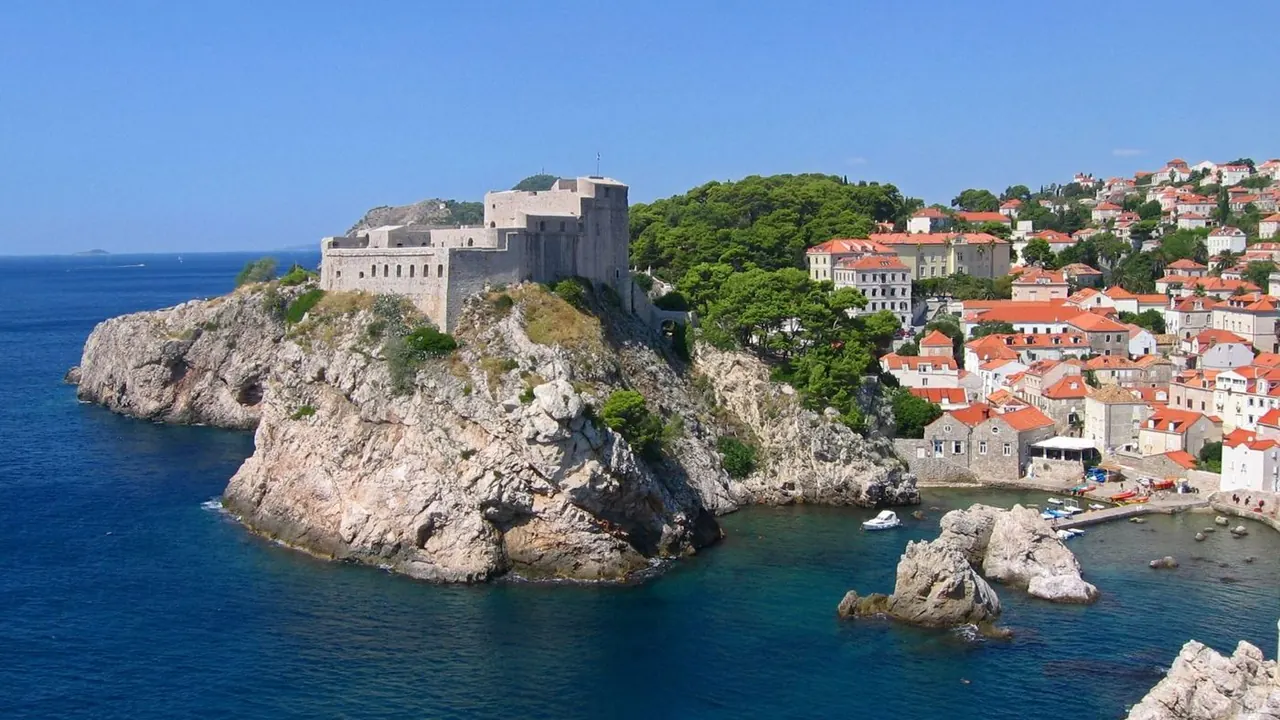
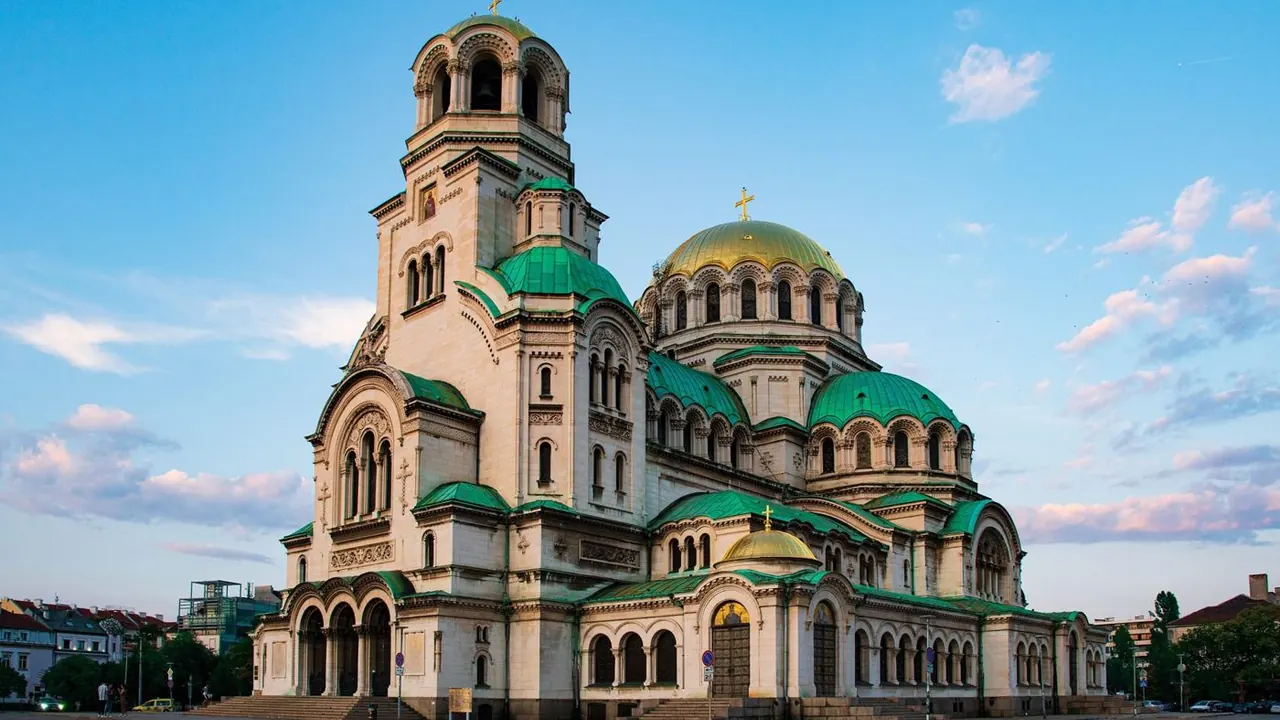
Photos: Dubrovnik by Natalia Semenova, CC BY 3.0, cropped; Sofia by Jose Ligero Loarte, CC BY-SA 4.0, cropped.
Dubrovnik or Sofia?
Our verdict in twelve categories, each scored against the same fixed benchmark cities, and the climate month by month, so you can choose for your trip.
Choose Dubrovnik for
- beaches
- culture and sights
- families
Dubrovnik is the choice for a summer trip built around the sea and a single great sight. You walk the walls in the morning, swim off the rocks or take a boat to Lokrum in the afternoon, and finish with a drink above the water. It also takes you along the coast into Montenegro and Bosnia. The price is high, and the crowds come with it, so it rewards people who want beauty more than bargains.
Choose Sofia for
- prices
- live music and the arts
- nightlife
If you want a capital that goes easy on your wallet, look at Sofia, especially if mountains matter more to you than beaches. Vitosha rises straight from the city's edge and Rila is close, and evenings bring opera, wine bars and a broader night out than Dubrovnik's handful of lanes. There is no sea at all, but for a cheap, active few days with layers of Roman and Orthodox history, it is the better fit.
Scoreboard
Twelve categories on one fixed scale from 0 to 100. The shaded stretch is the gap between the two.
Your match
Pick a travel style or drag the sliders, and both match scores follow your weighting.
Too close to call, 2 points apart
Wins on beaches and culture and sights with your weighting.
Wins on prices and live music and the arts with your weighting.
What matters to you?
Category by category
What the scores mean for a trip.
Beaches & swimming
This is Dubrovnik's clearest win. You can swim from rocks below the seaward walls, at Banje beach and in the Lapad coves, though the beaches are pebble and concrete platforms rather than sand. For calmer bays, take a boat to Lokrum, the Elafiti islands or Sunj's sandy cove on Lopud.
Sofia has no coast. A summer swim there means a park pool or the lake at Pancharevo, and the Black Sea needs a separate trip.
Food & drink
The two are on a par, but the cooking is quite different. Dubrovnik's is Dalmatian and built on the sea: black risotto, octopus salad, grilled fish and Ston oysters, with Peljesac reds to go with them. The catch is that you have to avoid the Old Town's tourist menus and seek out konobas in Gruz or Konavle.
Sofia's food is heartier and comes from the land: kebapche, shopska salad, clay-pot stews and banitsa for breakfast, served in mehana taverns. Both have good local wine. Neither has much range beyond its own region, but in Sofia it is easier to eat well close to the centre.
Culture & sights
Dubrovnik's Old Town is one complete, intact set piece. You can walk the full circuit of the walls, then the marble Stradun past the Rector's Palace and the Franciscan pharmacy, with Fort Lovrijenac on its rock outside. The museums are small, and summer crowds squeeze the lanes.
Sofia is more scattered. Roman Serdica sits beneath the Serdika station, the Rotunda of St George is close by, and the gold domes of Alexander Nevsky stand to the east. Out at Boyana are UNESCO-listed frescoes, and the city has stronger museums, from Thracian gold to socialist statues. The plain streets between the sights mean it never matches Dubrovnik's overall impression.
Nightlife
Sofia gives you more choice after dark. Around Shishman and Tsar Ivan Asen streets there are cocktail bars, craft beer and wine bars, there are cellar bars under old buildings and a few electronic clubs, and the scene runs all year.
Dubrovnik's evenings are about the view rather than the variety. You have the rock bars outside the walls at sunset, small bars in the lanes off the Stradun, and a club in the Revelin fortress. It is lovely on a July night but thin, and much of it closes in winter.
Nature & outdoors
Sofia has more mountain on its doorstep. Vitosha rises above 2,200m right at the city's edge, with spruce forest and the climb to Cherni Vrah, and the glacial Seven Rila Lakes and the slopes of Borovets are further out. It works in summer for hiking and in winter for snow.
Dubrovnik's outdoors is the meeting of mountain and sea. You can climb Mount Srd for the archipelago views, kayak around the walls to Lokrum, cycle on the Elafiti islands and visit Mljet's saltwater lakes. Its bare hills are hard going in summer heat.
Day trips
Dubrovnik's edge comes from crossing borders. The Bay of Kotor with Perast, Ottoman Trebinje and, on a long day, Mostar all make it easy to add another country, while Ston, Cavtat and the islands are close by sea. Summer border queues are the drawback.
Sofia's outings stay within Bulgaria but are excellent. Rila Monastery sits in its mountain valley and Plovdiv has its Roman theatre and painted old town, each about two hours away, with Koprivshtitsa as a quieter choice.
Good for families
Dubrovnik gives children more to enjoy: walking the walls, boat rides to Lokrum, the cable car and calm swimming coves in Lapad. The difficulty is stairs everywhere and summer crowds, so families usually stay near the beaches.
Sofia is calm but has less to offer children. Its big parks, a science centre and a gondola day on Vitosha are the highlights, while cracked pavements make pushchairs hard work.
Getting around
Both are easy without a car, but in different ways. Dubrovnik's Old Town is small and car-free, but its side streets are stairways, the hotels are spread around it and linked by buses, and boats do much of the longer-distance work. Sofia has a proper metro from the airport through the centre, plus trams. That gives it a slight advantage, despite broken pavements and Cyrillic signs.
Shopping & style
Sofia gives you a little more to browse. Vitosha Boulevard has chains with the mountain at its end, there are rose oil and Troyan pottery, and the icon flea market sits near Alexander Nevsky. Dubrovnik is mostly souvenirs, with filigree jewellery, Konavle embroidery and candied peel from the morning market as the local finds.
Affordability
The gap here is wide. Sofia is one of the cheapest capitals in the EU, where comfortable hotels, tavern meals, wine and day trips cost little, and even its smarter bistros feel moderate.
Dubrovnik in summer charges Western European capital prices for rooms, and the walls, cable car and boats add up. Spring, autumn and a base in Lapad or Cavtat soften the cost, but it never becomes cheap.
Live music & performing arts
Sofia has a full season through the year: the National Opera and Ballet, the Philharmonic at Bulgaria Hall, Orthodox choral singing and jazz bars, all at gentle prices.
Dubrovnik's strength is a single event. The Summer Festival in July and August stages theatre and concerts in Fort Lovrijenac and the Rector's Palace atrium, which is memorable, but for the rest of the year there is little on.
Wellness & relaxation
Sofia has the spring water Dubrovnik lacks. There are warm mineral taps beside the old baths, pools at Bankya half an hour away and spa resorts such as Velingrad further out, and the city's pace is unhurried for a capital.
In Dubrovnik, rest comes from the setting rather than from any spa tradition. Its quiet times are spring, autumn and a stay on the Elafiti islands or in Cavtat, as the centre in high summer is anything but restful.
When should you go?
Pick your month. The climate figures are measured averages, not a forecast.
Dubrovnik in July
Sofia in July
Daytime high, °C
Rainfall in the month, mm
Where the figures come from
Dubrovnik has no rain gauge within 25 km of the centre, so its rainfall comes from a gridded climate dataset read at the city rather than from a gauge further away.
Dubrovnik's sunshine is measured 83 km from the centre, at Mostar.
Temperature and rainfall are climate normals, averaged over the years shown. Dubrovnik: 1999-2020 (sunshine 1991-2020, rainfall 1991-2020) normals, Dubrovnik / Cilipi (15.3 km from centre). Sofia: 1991-2020 normals, Sofia Observ. (7.3 km from centre).
Dubrovnik is a summer place. From June to September the Adriatic is warm enough for long swims, reaching about 25°C in July, and days are hot and very sunny, close to 29°C at the peak. That makes midday sightseeing on the stone streets tiring, so May, June and late September are the most comfortable months for walking. Rain picks up sharply from September, and November and December are very wet, at close to 160mm a month, with mild but grey days.
Sofia sits high and inland, so its year has more contrast and less rain. Summers are about as warm as Dubrovnik's and are good for hiking, with the wettest spell in late spring and early summer at around 78mm in June. Winters are properly cold, with January highs of about 4°C and snow on the mountains, which suits skiers but not people who want to stroll the streets. Spring and early autumn are the easiest times for the city itself, and the coast has nothing to match Sofia's winter.
Which traveller are you?
For a beach and sun trip, Dubrovnik is the only real option. You get clear Adriatic water below the walls, coves on Lapad and boats to the Elafiti islands. Sofia is inland and offers only park pools and a lake.
On a tight budget, Sofia goes much further. Central hotels, mehana meals, Bulgarian wine and metro rides all cost little. Dubrovnik is costly even if you stay in Lapad or Gruz and eat away from the Stradun.
For an outdoors trip, Sofia has the edge. Vitosha's forests and boulder rivers are a bus or gondola ride away, the Seven Rila Lakes are within reach, and there is skiing at Borovets. Dubrovnik's kayaking and island walks are lovely but hot in summer.
Before you go
| Measure | Dubrovnik | Sofia |
|---|---|---|
| Official language | Croatian | Bulgarian |
| Currency | Euro (EUR) | Euro (EUR) |
| Sockets | CF230 V, 50 Hz | CF230 V, 50 Hz |
| Driving side | Right | Right |
| Time zone | UTC+1, UTC+2 in summer | UTC+2, UTC+3 in summer |
| Emergency number | 112 | 112 |
| Elevation | 10 m | 560 m |
| Main airport | Dubrovnik Ruđer Bošković Airport (DBV)16 km from centre76 non-stop destinations | Sofia Airport (SOF)8 km from centre97 non-stop destinations |
| Public holidays this year | 14 days | 15 days |
By the numbers
| Measure | Dubrovnik | Sofia |
|---|---|---|
| City population | 41,562 | 1,213,134 |
| People per km² | - | 2,466 |
| Museums within 10 km | 7 | 42 |
| UNESCO World Heritage sites within 50 km | 3 | 1 |
| Swim season, months above 21 °C | 5 months | - |
Where else could you go?
Every comparison below shares a destination with this one, so you can follow Dubrovnik or Sofia somewhere new.