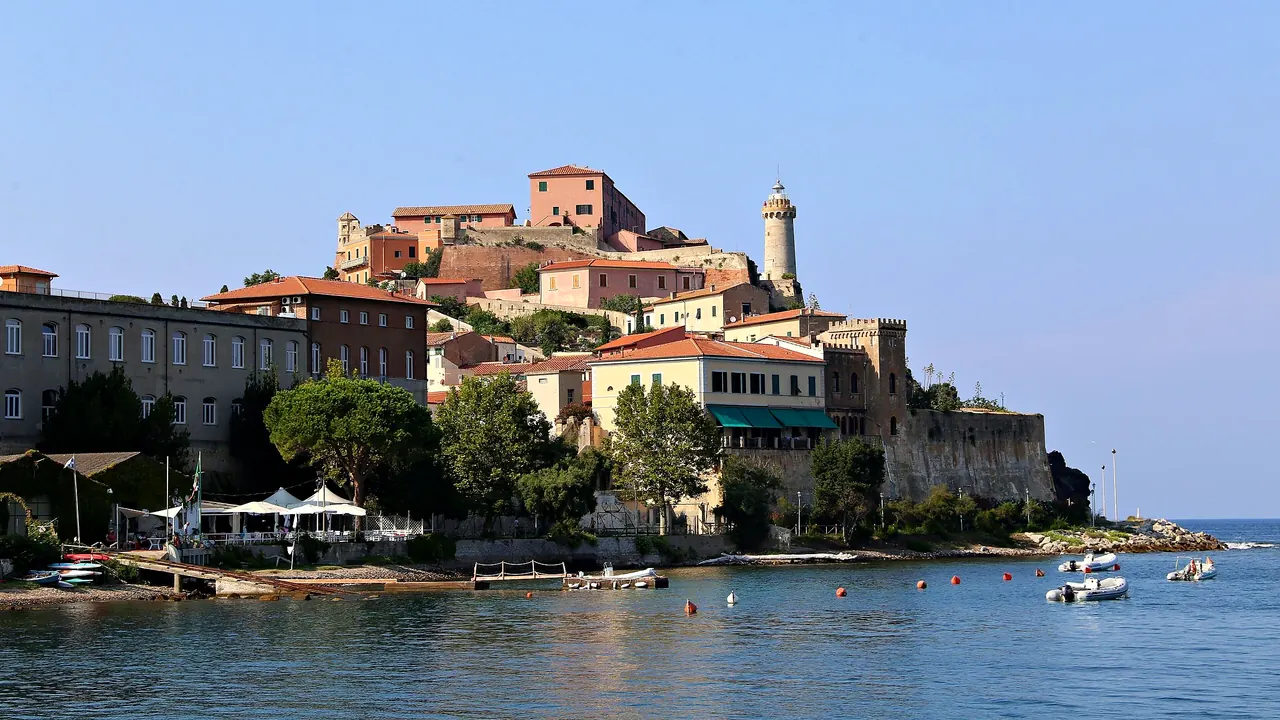
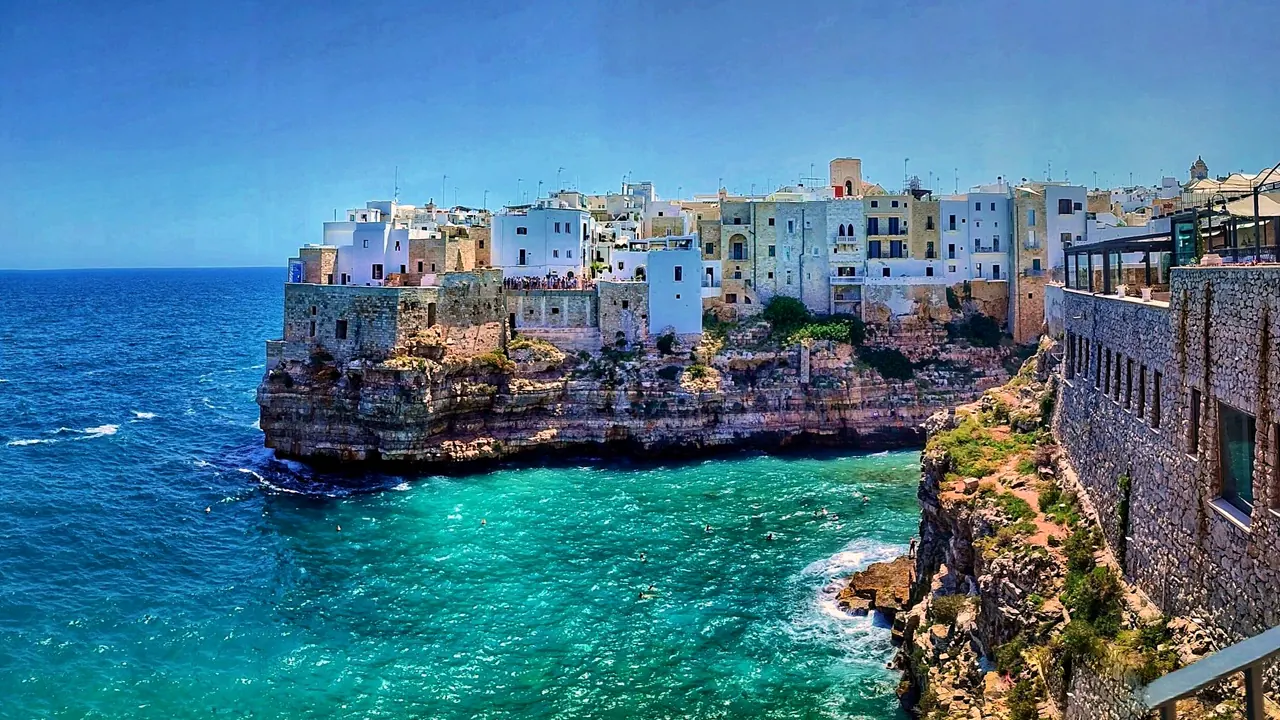
Photos: Elba by Sailko, CC BY 3.0, cropped; Puglia by Acquario51, CC BY-SA 4.0, cropped.
Elba or Puglia?
Our verdict in twelve categories, each scored against the same fixed benchmark cities, and the climate month by month, so you can choose for your trip.
Choose Elba for
- nature and the outdoors
Elba suits a compact beach vacation where the sea and the mountains are the whole point: granite bays in the south-west, walks over Monte Capanne, and quiet evenings in a hill village like Marciana. It is small enough to get to know in a week. In exchange you give up Puglia's food, towns and evening life, and the ferry turns any outing off the island into a day's effort.
Choose Puglia for
- day trips
- live music and the arts
- culture and sights
Choose Puglia if you want the beach to be one part of a longer, more varied trip. Its coasts are as good as Elba's, and around them you get baroque Lecce, the trulli of Alberobello, a string of small towns for day outings and some of the most generous regional cooking in Italy. It is a big region that needs a car and often two bases, but it costs less once you sit down to eat.
Scoreboard
Twelve categories on one fixed scale from 0 to 100. The shaded stretch is the gap between the two.
Your match
Pick a travel style or drag the sliders, and both match scores follow your weighting.
Wins on nature and the outdoors with your weighting.
Wins on day trips and live music and the arts with your weighting.
What matters to you?
Category by category
What the scores mean for a trip.
Beaches & swimming
Both are about as good as the Mediterranean gets in summer, so the choice comes down to the kind of beach. Elba's best are small granite bays in the south-west, such as Fetovaia, Cavoli and Seccheto, along with white pebble coves under the cliffs near Portoferraio. The island is small enough to try a different bay every day.
Puglia has more variety and far more coastline: the long, shallow sands of the Ionian Salento, the rock platforms and coves of Polignano a Mare and Otranto on the Adriatic, and the cliffs and sea caves of the Gargano. Both fill up in August, but Puglia has a lot more shore to spread out along.
Food & drink
Puglia is one of Italy's great places to eat simply, and Elba is not in that league. Elba has a handful of island dishes worth looking for, such as cacciucco, stuffed squid and schiaccia briaca, with Ansonica to drink. They are best found in hill villages like Capoliveri and Marciana, because the resort waterfronts are predictable and many places close out of season.
In Puglia the everyday food is a reason to go in itself: burrata from the Murge, orecchiette, focaccia barese, sea urchins on the Bari waterfront, butcher-grill houses in the Valle d'Itria and farm cooking at the masserie, with Primitivo and Negroamaro to drink. Neither is a place for tasting menus.
Culture & sights
On Elba, history fills half-days between swims: Napoleon's residences at Portoferraio and San Martino, the Medici bastions, the star-shaped fortress at Porto Azzurro and the mining museums.
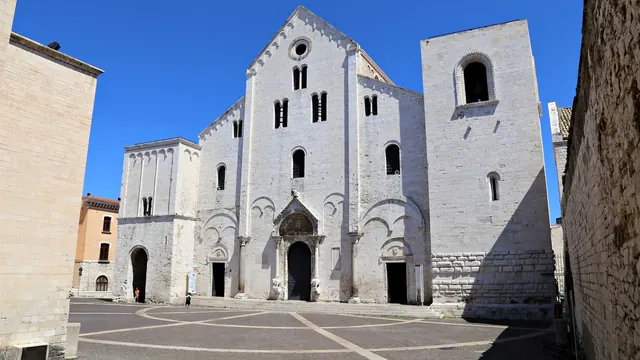
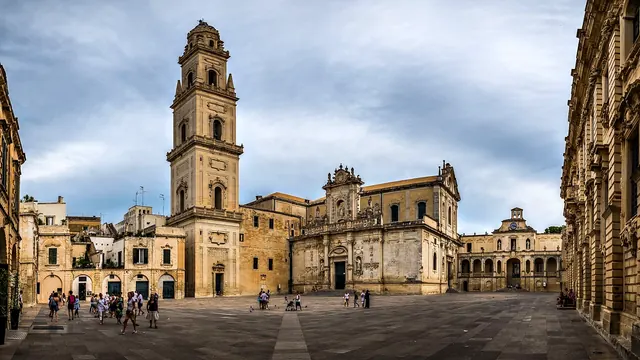
Puglia has enough to build a whole trip on: Lecce's baroque, the trulli of Alberobello, Castel del Monte, and the cathedrals of Trani, Bari and Otranto. The catch is that the sights are spread out, so you drive from town to town, and the museums are modest.
Nightlife
Nobody chooses Elba for a night out. Summer evenings there mean a late dinner and a stroll around the piazza at Capoliveri or the harbours of Porto Azzurro and Marina di Campo, plus a few seasonal discos near Procchio. Puglia has a real summer party town in Gallipoli, beach clubs and DJ nights along the Salento and Lecce's squares busy until late. Bari also has some bar life all year, while the coast in both places goes quiet once summer ends.
Nature & outdoors
Elba packs more drama into a smaller space. Monte Capanne rises to about 1,000m almost straight from the sea, most of the island is national park, and the ridge trail, coastal paths, iron-red mining country and rough bike tracks are all close together.
Most of Puglia is gentle olive country, lovely by bicycle in the Valle d'Itria but flat. Its wilder side is the Gargano in the far north, with the Foresta Umbra, sea caves and the Tremiti islands, plus cliff paths in the southern Salento. Both have clear water for snorkelling and diving.
Day trips
This is where the two differ most. From Elba every outing starts with an hour's ferry to Piombino, which puts Populonia, Campiglia Marittima and Massa Marittima within reach. Otherwise you take a boat to Pianosa or Capraia. Most visitors do one or two such trips and stay on the island the rest of the time.
Puglia is made for moving about. Ostuni, Locorotondo and Martina Franca are short drives from the Valle d'Itria, Trani and Polignano a Mare line the coast, and the cave town of Matera is about an hour from Bari. A week can easily take in a different town every day.
Good for families
Both work well for a beach vacation with small children, with gently shelving sand and Italian evenings where children stay up late. Puglia has a little more to fill the days: the safari and amusement park at Fasano, the trulli at Alberobello and villas with pools. Elba's extras are a small aquarium at Marina di Campo and the open lift up Monte Capanne, but its winding roads can be hard on children who get car-sick.
Getting around
You need a car in both, but for different reasons. Elba is only about 27km long, yet its narrow hill roads are slow, the buses are sparse and August traffic into Portoferraio is heavy. The ferry is also part of every arrival.
Puglia's roads are better and quieter, and the main railway line through Bari, Polignano a Mare, Monopoli and Lecce makes a stay without a car possible. The catch is size: the Gargano and the southern tip are hours apart.
Shopping & style
Neither is a shopping destination, but Puglia gives you more to bring back. Elba's boutiques in Capoliveri and Porto Azzurro sell linen and beachwear, and its best souvenirs are Aleatico wine, honey and minerals from the old mines. Puglia has living craft traditions, with Grottaglie's quarter of ceramic workshops and Lecce's papier-mache figures, and Bari's Via Sparano covers mainstream fashion.
Affordability
Puglia is easier on the budget, mainly because eating and drinking cost less there than in most of central Italy. On Elba the summer costs add up: the car ferry, rentals near the best beaches, parking and sunbeds, though campsites and apartments help. In both, high-season rooms are the expensive part, and June or September give you the same sea for noticeably less.
Live music & performing arts
Elba has almost no stage life beyond summer concerts in squares and in the Portoferraio fortresses, plus a chamber music festival late in the season. Puglia has a major opera house in Bari's Teatro Petruzzelli and a summer opera festival in the ducal palace courtyard at Martina Franca. It also has pizzica, the Salento's folk dance, which fills village festivals and the huge August Notte della Taranta at Melpignano.
Wellness & relaxation
Elba's bathing tradition comes down to one place, the thermal establishment at San Giovanni facing Portoferraio, which uses mud and seawater from the old salt pans. Beyond that, the spas belong to the larger resort hotels around Biodola and Procchio. Whether the island feels calm depends on when you go: a hill village such as Marciana or Sant'Ilario is peaceful in June or September, but in August the traffic and the packed bays take that away.
Puglia is the better choice for a restful stay. Many of its masserie, farm estates turned into country hotels, have their own pool and spa, so you get quiet and treatments in the same place, well away from the beaches. It also has more thermal sites, from the sulphur springs in the sea caves at Santa Cesarea Terme to Torre Canne and the salt-pan mud of Margherita di Savoia. Still, neither region is somewhere you would go just for the spas.
When should you go?
Pick your month. The climate figures are measured averages, not a forecast.
Elba in July
Puglia in July
Daytime high, °C
Rainfall in the month, mm
Where the figures come from
Elba's temperatures are measured 62 km from the centre, at Grosseto.
Elba has no rain gauge within 25 km of the centre, so its rainfall comes from a gridded climate dataset read at the destination rather than from a gauge further away.
Puglia's temperatures are measured 64 km from the centre, at Brindisi.
Puglia has no rain gauge within 25 km of the centre, so its rainfall comes from a gridded climate dataset read at the destination rather than from a gauge further away.
Temperature and rainfall are climate normals, averaged over the years shown. Elba: 1991-2020 (sunshine 1961-1990) normals, Grosseto (61.7 km from centre). Puglia: 1991-2020 (sunshine 1981-2010) normals, Brindisi (64.4 km from centre).
Both follow the same summer pattern. The sea is warm enough for swimming from June to late September, and Puglia's water stays about a degree warmer through high summer, reaching 26°C in August. On Elba, measured around the main resort area, July and August are a little hotter, with highs near 32°C. Those months get almost no rain, so midday walks on the open slopes are hard going. Where Puglia's figures are taken, summer is a degree or two cooler, and it gets more sunshine than Elba in every month except October.
May and late September are the comfortable months for walking old towns or hill paths in both, and the sea is still warm in September. Rain arrives in both in September and October. November is Elba's wettest month, at about 92mm. From December to February highs sit around 13°C to 14°C in both, and the sea is too cold for most swimmers. In January and February Puglia is the wetter of the two.
Which traveller are you?
On a culture and arts trip, Puglia is the clear choice. Lecce's baroque streets, the trulli, Castel del Monte and the Romanesque cathedrals fill days of sightseeing, and the Petruzzelli opera house and summer pizzica fill evenings in a way Elba cannot.
For a food and nightlife trip, Puglia wins again. Burrata, orecchiette and Bari's raw seafood stalls go well beyond Elba's short list of island dishes, and Gallipoli's beach clubs and Lecce's squares stay up much later than Elba's quiet piazzas.
On an outdoors trip, Elba has the edge. Most of the island is national park, and the Grande Traversata Elbana ridge trail, Monte Capanne above its chestnut woods and the mountain-bike tracks around Capoliveri are all a short drive from one another.
Before you go
| Measure | Elba | Puglia |
|---|---|---|
| Official language | Italian | Italian |
| Currency | Euro (EUR) | Euro (EUR) |
| Sockets | CFL230 V, 50 Hz | CFL230 V, 50 Hz |
| Driving side | Right | Right |
| Time zone | UTC+1, UTC+2 in summer | UTC+1, UTC+2 in summer |
| Emergency number | 112 | 112 |
| Main airport | Pisa International Airport (PSA)82 non-stop destinations | Bari Karol Wojtyła International Airport (BRI)104 non-stop destinations |
| Public holidays this year | 13 days | 13 days |
By the numbers
| Measure | Elba | Puglia |
|---|---|---|
| Population | 32,000 | 3,866,174 |
| People per km² | 143 | 198 |
| Swim season, months above 21 °C | 4 months | 4 months |
Where else could you go?
Every comparison below shares a destination with this one, so you can follow Elba or Puglia somewhere new.