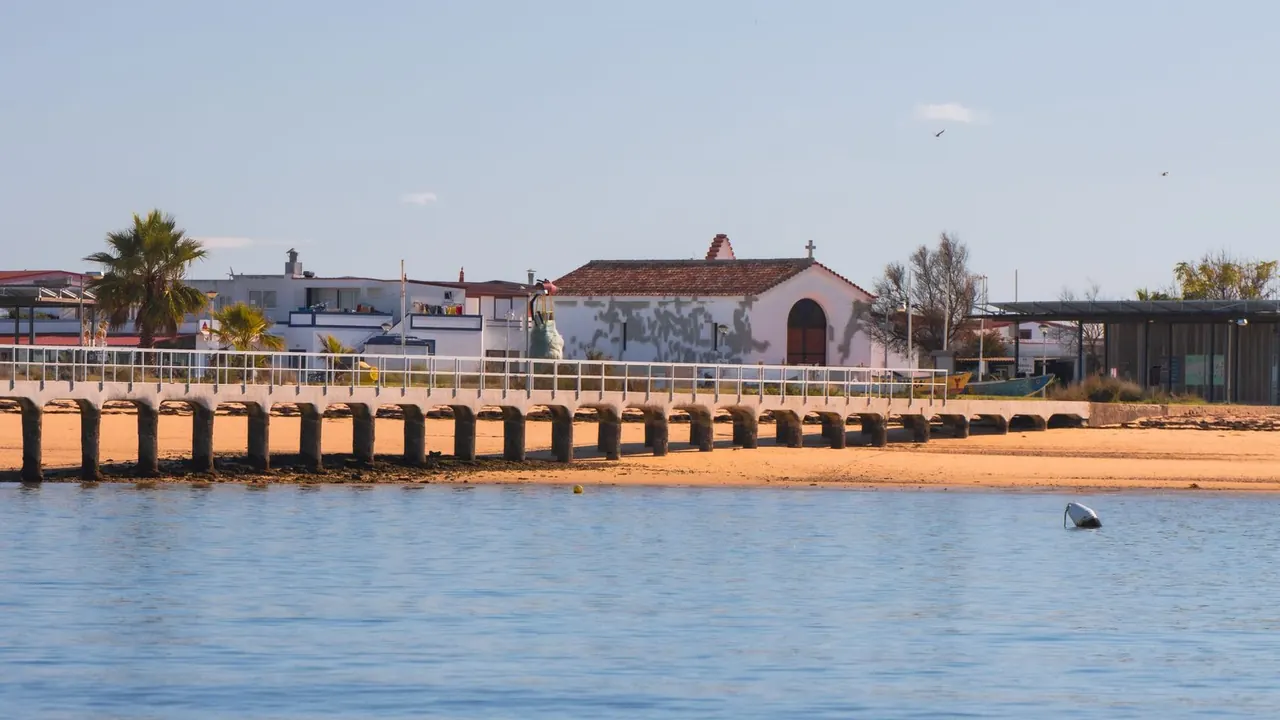
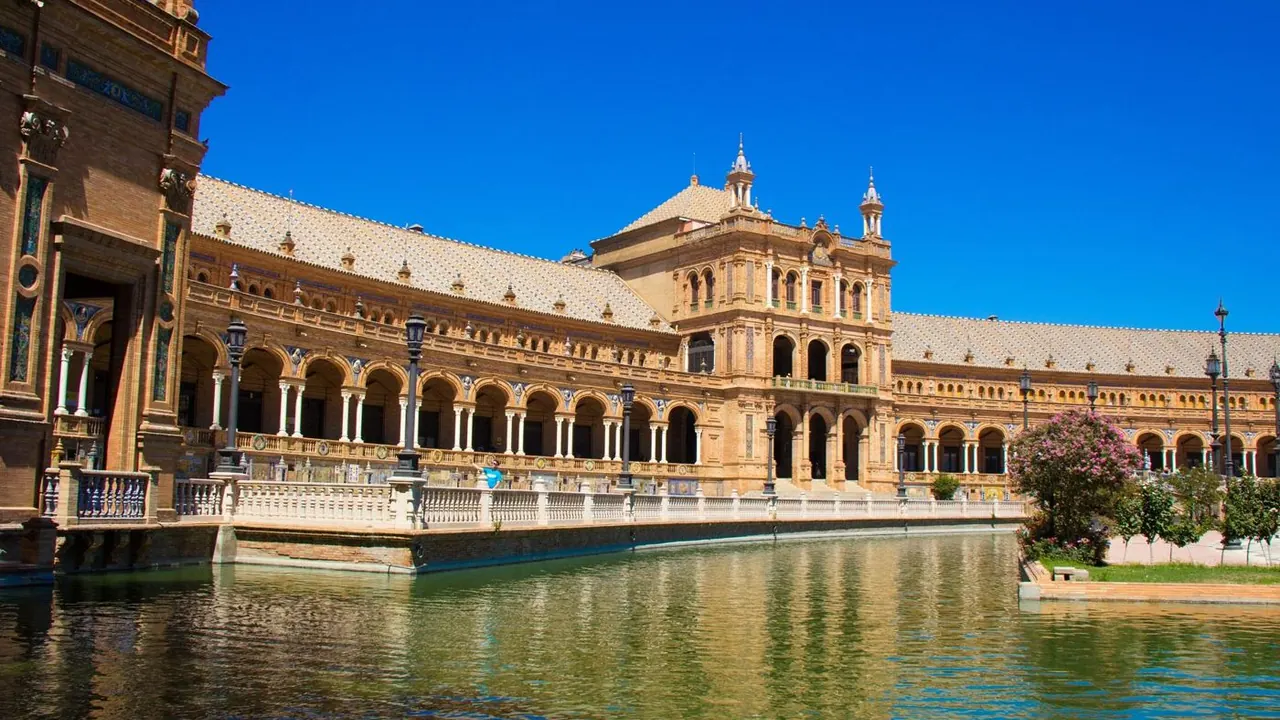
Photos: Faro by Efrem Efre, Pexels License; Seville by Tibor Kovacs, CC BY 2.0, cropped.
Faro or Seville?
Our verdict in twelve categories, each scored against the same fixed benchmark cities, and the climate month by month, so you can choose for your trip.
Choose Faro for
- beaches
- nature and the outdoors
- families
Faro suits a slower trip built around sand and water. Its beaches lie on the barrier islands of the Ria Formosa, a short bus or ferry ride from a quiet walled old town, and the lagoon itself gives you birdwatching, kayaking and boat trips. It makes a calm base for families and for anyone who wants sea, seafood and early nights more than monuments.
Choose Seville for
- culture and sights
- live music and the arts
- nightlife
Choose Seville if the city itself is the point. The Alcázar, the cathedral and the lanes of Santa Cruz make up one of Europe's great historic centres, flamenco is performed every night, and long tapas evenings run into the early hours. The fast train to Córdoba adds a second major city, and in return you give up the sea, which is a long day out from here.
Scoreboard
Twelve categories on one fixed scale from 0 to 100. The shaded stretch is the gap between the two.
Your match
Pick a travel style or drag the sliders, and both match scores follow your weighting.
Wins on beaches and nature and the outdoors with your weighting.
Wins on culture and sights and live music and the arts with your weighting.
What matters to you?
Category by category
What the scores mean for a trip.
Beaches & swimming
This is where Faro has the clearest lead. Its beaches are on the barrier islands of the Ria Formosa: Praia de Faro is reached by bus over a bridge, and summer ferries go to the empty dune-backed sands of Culatra and Ilha Deserta. The coves near Albufeira are also within reach for a change of scene.
Seville is inland on the Guadalquivir, and the nearest sea is at Matalascañas or Mazagón, well over an hour away by car. In the city, swimming means a rooftop or municipal pool, so a beach day from Seville is something you plan rather than something you just do.
Food & drink
Seville is the better place to eat. Its tapas culture of standing at a counter, ordering spinach with chickpeas or pork cheek a few plates at a time, then moving on to the next tiled bar, is a reason to go in itself. Add sherry from Sanlúcar and Jerez and the Triana market, and it has far more variety.
Faro's cooking is narrower and simpler: clams and oysters from the lagoon, sardines, and cataplana at grill houses near the marina. It is honest and good, but the stronger seafood places are in Olhão nearby.
Culture & sights
The gap here is wide. Seville's UNESCO-listed group of the Alcázar, the cathedral with its Giralda tower and the Archivo de Indias sits at the centre of a city that also has Plaza de España, Casa de Pilatos and a fine collection of Murillo and Zurbarán. Three or four days pass easily.
Faro's walled Cidade Velha is lovely to wander, with storks on the bell towers, the cathedral tower looking over the lagoon and the bone chapel at the Igreja do Carmo. It is a pleasant day of sightseeing rather than a reason to make the trip.
Nightlife
Seville stays out much later. Dinner starts around ten, and the evening moves on to the Alameda de Hércules, the streets round the Alfalfa and Triana, with riverside bars in summer. It is a scene of terraces and squares rather than big clubs.
In Faro a night out means a few bar terraces on Rua do Prior and by the marina, which are livelier in university term. Most visitors call it a night after a long dinner, and anyone after clubs drives to Albufeira.
Nature & outdoors
Faro has wild nature right on its doorstep. The Ria Formosa begins at the edge of the old town, and you can paddle its channels or watch flamingos and spoonbills on the salt pans at Ludo without arranging a day trip.
Seville's countryside is flat farmland and olive groves, so its great wetland, Doñana, is a guided outing of an hour and a half each way. Both cities have cork-oak hills inland for gentle walking, the Serra do Caldeirão near Faro and the Sierra de Aracena near Seville.
Day trips
Seville is the stronger base. The high-speed train reaches Córdoba's Great Mosque in under an hour, the Roman ruins of Itálica are at the edge of town, and Jerez, Cádiz and Carmona are all easy days out by rail or road.
From Faro the outings are smaller in scale and spread along the Algarve, among them Tavira's riverfront, the markets in Olhão, Silves castle and the Roman villa at Milreu. Seville itself is the longest and best of them, which says a lot about the difference between the two.
Good for families
The two are about even for children, but the days look different. Faro is a beach base, with gentle lagoon sands, boat rides to the islands and a quiet, compact old town. The big water parks and the marine park are a drive away.
Seville keeps children busy in the parks, with rowing boats at Plaza de España and the maze in the Alcázar gardens, plus a theme park and aquarium on La Cartuja. Its summer heat, often above 40°C, is harder on small children than Faro's sea breezes.
Getting around
Both centres are flat and easy to walk. Seville covers more ground on foot and has more help besides: a tram, a metro line, dense buses and bike lanes with a public bike scheme that makes cycling a real option.
Faro is fine within its small centre, and buses and ferries reach the beaches, but the slow coastal railway leaves gaps. Many visitors end up hiring a car to see the wider Algarve, which they would hardly ever need in Seville.
Shopping & style
Seville has more to browse, and much of it is distinctly local. There are tiles and ceramics from the Triana potteries, and around Sierpes and Cuna you find flamenco dresses, shawls, fans and guitars made for the city's own Fair. The Thursday flea market on Calle Feria adds to it.
Faro's shopping is mostly practical, with chains on Rua de Santo António and a mall on the edge of town. The best buys are food and crafts: cork goods, tinned fish and flor de sal from the lagoon salt pans.
Affordability
The two cost about the same day to day, but in different places. In Seville, cheap tapas and a walkable centre keep spending down, and rooms only become expensive during Holy Week and the April Fair.
Faro's grilled fish lunches and buses are inexpensive, but rooms are priced for the beach in July and August, and a hire car adds to the cost if you want to tour the region. Its quieter months are the time to save.
Live music & performing arts
Seville is far ahead. It is the home of flamenco, which you can see every night in tablaos and in the peñas where local enthusiasts gather, and the Teatro de la Maestranza stages opera in the city where Carmen and The Barber of Seville are set.
Faro has the ornate little Teatro Lethes and the Teatro das Figuras for touring concerts and dance. Fado here is limited to the odd restaurant evening, and on many nights nothing is on.
Wellness & relaxation
Neither city has a bathing tradition of its own, but Seville has a slight edge with its Arab-style bath houses in old mansions, which make a memorable evening. Its cool courtyards and gardens help, though the streets can be noisy at night.
In Faro, rest comes from the pace of the place: sunset walks by the lagoon and quiet winters. Resort spas line the golf coast to the west, and the spring-water spa at Caldas de Monchique is over an hour away.
When should you go?
Pick your month. The climate figures are measured averages, not a forecast.
Faro in July
Seville in July
Daytime high, °C
Rainfall in the month, mm
Temperature and rainfall are climate normals, averaged over the years shown. Faro: 1991-2020 normals, Faro / Aeroporto (2.8 km from centre). Seville: 1991-2020 normals, Sevilla / San Pablo (8.1 km from centre).
Faro is the gentler of the two in summer. Highs reach about 29°C in July and August, the sea warms to around 22°C, and June to September is reliably beach weather with almost no rain and long sunny days. Seville is close by but inland, and it is much hotter. Highs of about 36°C in July and August make walking the streets an ordeal by midday, so its best months are March to May and October, when the city is warm but not punishing.
Winter is mild in both, with highs in the mid-teens, but this is also when the rain comes. In Faro it builds through autumn to around 102mm in December. Seville's wettest stretch runs from October to December, and it gets slightly more rain than Faro in spring. If you want one trip that suits both cities, aim for late spring or early autumn.
Which traveller are you?
On a beach and sun trip, Faro is the obvious pick. Long sandy islands such as Culatra and Ilha Deserta are a short ferry ride from the old town, and the sea is calm and warm. From Seville the coast takes a car and most of a day.
For a culture and arts trip, Seville is clearly ahead. The Alcázar, the Gothic cathedral and the Museo de Bellas Artes are all within walking distance of each other, and there is live flamenco every night, while Faro's sights fill a relaxed day.
On a food and nightlife trip, Seville gives you much more. You can make an evening of moving between tapas counters in Triana and the Alameda, followed by terraces that stay busy past midnight. Faro offers good grilled fish and a few bars, and most nights end after dinner.
Before you go
| Measure | Faro | Seville |
|---|---|---|
| Official language | Portuguese | Spanish |
| Currency | Euro (EUR) | Euro (EUR) |
| Sockets | CF230 V, 50 Hz | CF230 V, 50 Hz |
| Driving side | Right | Right |
| Time zone | UTC, UTC+1 in summer | UTC+1, UTC+2 in summer |
| Emergency number | 112 | 112 |
| Elevation | 10 m | 18 m |
| Main airport | Faro - Gago Coutinho International Airport (FAO)3 km from centre91 non-stop destinations | Seville Airport (SVQ)9 km from centre96 non-stop destinations |
| Public holidays this year | 14 days | 12 days |
By the numbers
| Measure | Faro | Seville |
|---|---|---|
| City population | 64,560 | 689,423 |
| People per km² | 319 | 4,896 |
| Museums within 10 km | 2 | 24 |
| UNESCO World Heritage sites within 50 km | 0 | 1 |
| Swim season, months above 21 °C | 3 months | - |
Where else could you go?
Every comparison below shares a destination with this one, so you can follow Faro or Seville somewhere new.