Photos: Fort Collins by Gribeco, CC BY-SA 3.0, cropped; Sedona by dconvertini, CC BY-SA 2.0, cropped.
Fort Collins or Sedona?
Our verdict in twelve categories, each scored against the same fixed benchmark cities, and the climate month by month, so you can choose for your trip.
Choose Fort Collins for
- nightlife
- getting around
- prices
Fort Collins suits a relaxed, sociable trip where the outdoors and the evening carry equal weight. Its strength is balance: foothills trails and the Poudre canyon by day, a walkable brick-built Old Town full of taprooms, patios and small music stages by night, and a bike-friendly layout that takes much of the strain off planning. It also costs noticeably less to stay, and it is the easier pick with children.
Choose Sedona for
- wellness
- nature and the outdoors
- beaches
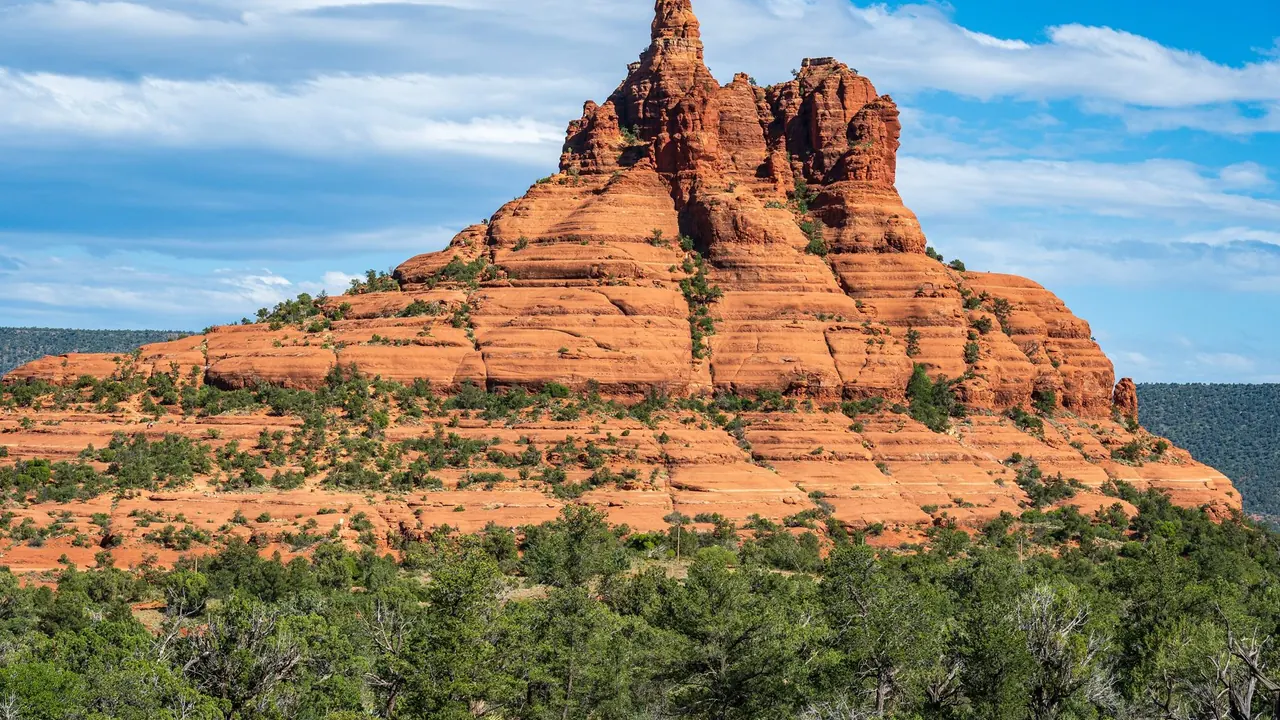
Sedona is for travellers who come for the landscape and want quiet afterwards. The red rock buttes, slickrock trails and Oak Creek Canyon are among the most memorable scenery in the country, and the town builds its whole rhythm around them, with dawn hikes, spa treatments, yoga and dark, starry nights. Expect resort prices, early evenings and a car for almost everything, and in return a trip that is restful and quite unlike anywhere else.
Scoreboard
Twelve categories on one fixed scale from 0 to 100. The shaded stretch is the gap between the two.
Your match
Pick a travel style or drag the sliders, and both match scores follow your weighting.
Wins on nightlife and getting around with your weighting.
Wins on wellness and nature and the outdoors with your weighting.
What matters to you?
Category by category
What the scores mean for a trip.
Beaches & swimming
Neither town is a swimming destination, and both offer only a summer sideline, though Sedona's is slightly more memorable. At Fort Collins it means Horsetooth Reservoir, with a designated swim beach, coves and paddleboards on warm afternoons.
Sedona swaps open water for Oak Creek: sliding down the sandstone chute at Slide Rock and swimming in deep pools under red cliffs at Grasshopper Point. The water stays cold and the spots are small and crowded on hot weekends, but the setting is more distinctive than a reservoir.
Food & drink
Fort Collins comes out ahead, mostly because of what is poured there. It is one of America's best-known craft-beer towns, with big brewery tours and taprooms across the city, plus Old Town gastropubs, taco spots and summer farmers' markets selling Colorado produce.
Sedona eats well in a narrower range: Southwestern dishes, health-minded and vegetarian menus, and resort terraces where the sunset over the red rocks matters as much as the plate. Wine tasting in the Verde Valley is its answer to the breweries, but the choice of good kitchens runs out quickly.
Culture & sights
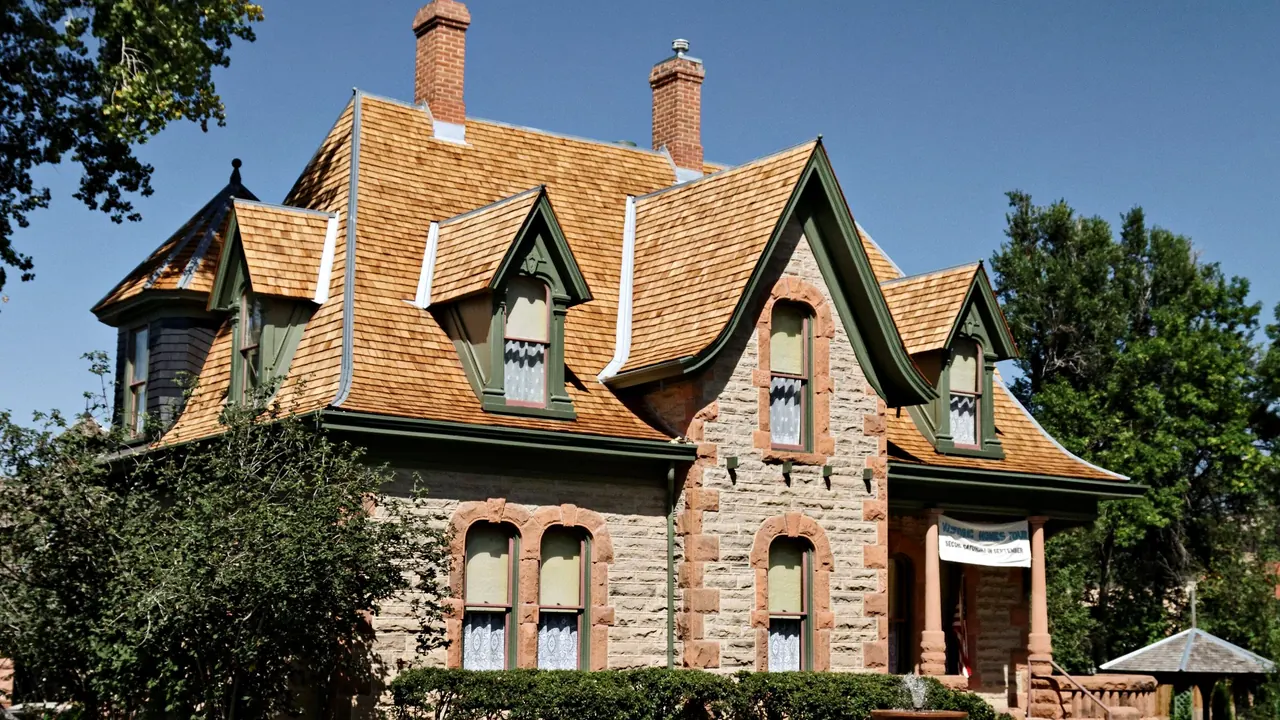
Neither is a sightseeing town, and each takes about a day. Fort Collins offers a townscape: a late nineteenth-century Old Town of red brick and sandstone, Victorian and Craftsman districts, the Museum of Discovery and the university's art museum.
Sedona's sights are scattered single landmarks. There is the Chapel of the Holy Cross set into a butte, galleries of Western and Native American art, and Sinagua cliff dwellings and petroglyphs out in the backcountry, which give it a deeper sense of the past.
Nightlife
This is one of the widest gaps between them. With a large student population, Fort Collins keeps Old Town busy on weekend nights with pubs, sports bars, rooftop patios, cocktail bars and taprooms, casual rather than late, and a few dance clubs.
Sedona barely has a night out. A few brewpubs, wine bars and resort lounges suit one drink after dinner, the town goes to bed early ahead of dawn hikes, and the best thing to do after dark is look at the stars.
Nature & outdoors
Both are outdoor towns, but Sedona's landscape is in a different league. Cathedral Rock, Bell Rock, Devil's Bridge and Boynton Canyon rise right beside town, the slickrock singletrack draws mountain bikers from far away, and Oak Creek Canyon and the Grand Canyon's South Rim lie within reach.
Fort Collins counters with variety rather than spectacle. It has foothills summits at Horsetooth and Lory, rafting and fly fishing on the wild and scenic Cache la Poudre, an excellent in-town trail network, and alpine lakes and elk in Rocky Mountain National Park about an hour and a half away.
Day trips
The two are fairly level here, but the outings differ in kind. From Fort Collins, the pull is towns and cities: Boulder under the Flatirons, Denver's big museums, Estes Park, and the frontier capital of Cheyenne just over the Wyoming line.
Sedona's excursions lean towards the ancient and the scenic. Montezuma Castle and Tuzigoot pueblo are nearby, the hillside mining town of Jerome is close, the Verde Canyon Railroad and its tasting rooms are down the valley, and Flagstaff opens the way to Walnut Canyon and Wupatki. All of them are small and need a car.
Good for families
Fort Collins is the easier base with children. It has playgrounds in every neighbourhood, flat river paths for small bikes, the hands-on Museum of Discovery, a city farm with animals and a children's garden, and gentle river tubing and reservoir days in summer.
Sedona works best for families who already love the outdoors. Slide Rock and jeep tours go down well, but there is little else aimed at children, many hotels are geared to couples, and the heat and exposed trails need care with young walkers.
Getting around
Fort Collins is much easier to manage. Old Town is flat and walkable, a rapid-bus line runs north to south, and protected bike lanes, bike share and long trails make cycling between breweries, campus and parks natural. The foothills and day trips still need a car.
Sedona is spread along two highways meeting at the Y, with only Uptown walkable and a shuttle to a few busy trailheads. A car is close to essential, weekend traffic and full trailhead car parks are common, and most visitors arrive with a two-hour drive from Phoenix.
Shopping & style
Sedona has a slight edge and a much stronger character. Tlaquepaque's courtyard arts village, roadside galleries selling Native American jewellery, pottery and rugs, and the town's crystal and metaphysical shops give it purchases you would not find elsewhere.
Fort Collins offers pleasant browsing in Old Town's independent boutiques, bookshops, vintage stores and outdoor and cycling shops, with chain retail out on the highways. Neither has fashion or department-store shopping worth the trip.
Affordability
Fort Collins is clearly the cheaper stay. Highway chain hotels and casual brewery meals keep it moderate, and trails, river paths and Old Town cost nothing, though graduation and football weekends lift room rates and a hire car adds up.
Sedona is a resort town, and almost everything costs resort prices, from lodging and dinners to jeep tours, balloon flights and spa treatments. The trails need little more than a parking pass, and many budget travellers sleep in Cottonwood or Flagstaff and drive in.
Live music & performing arts
Fort Collins has a real if regional programme. The Lincoln Center hosts touring Broadway, dance and the local symphony, the university's arts centre stages opera, theatre and concerts in term time, and Old Town bar stages book indie, bluegrass and rock bands, with free outdoor concerts in summer.
Sedona has occasions rather than a season: chamber concerts, community theatre, the long-running film festival in late winter and acoustic sets or Native American flute in resort bars. There is no concert hall.
Wellness & relaxation
Here Sedona is far ahead. It is one of America's best-known retreat towns, with spa resorts set against the canyons, yoga, meditation, breathwork and alternative therapies all around, and sunrise walks to the vortexes. Neither town has hot springs, and Sedona's treatments come at resort prices.
Fort Collins has the ordinary day spas and yoga studios of a university town. Its calm comes from shaded river paths and quiet streets, and the nearest mineral soak is at Idaho Springs, close to two hours away.
When should you go?
Pick your month. The climate figures are measured averages, not a forecast.
Fort Collins in July
Sedona in July
Daytime high, °C
Rainfall in the month, mm
Where the figures come from
Fort Collins has no rain gauge within 25 km of the centre, so its rainfall comes from a gridded climate dataset read at the destination rather than from a gauge further away.
Sedona's station stands 153 m above the city centre, so the centre is likely a little warmer than the figures say.
Sedona has no rain gauge within 25 km of the centre, so its rainfall comes from a gridded climate dataset read at the destination rather than from a gauge further away.
Temperature and rainfall are climate normals, averaged over the years shown. Fort Collins: 2006-2020 (rainfall 1991-2020) normals, Fort Collins / Redmond (16.1 km from centre). Sedona: 2009-2025 (rainfall 1991-2020) normals, Sedona / West Sedona (1.3 km from centre).
Fort Collins has a short, clear high season. Winters are cold and dry, with daytime highs around 5°C, spring warms slowly and brings its wettest weather in May, and from June to August it is hot and sunny, reaching about 32°C in July. That is the time for the reservoir and the river, though midday is warm for long walks. September is often the sweetest month, still warm, fairly dry and good for hiking.
Sedona runs warmer all year and is at its best in spring and autumn, when days around 22°C in April and 25°C in October suit long trail walks. June is very hot and almost rainless, and July and August bring monsoon storms on top of the heat, so hikes need early starts. Winter is mild for walking in the sun but is also a wetter season, with a little snow now and then. Put simply, Fort Collins is a summer and early autumn place, and Sedona a spring and autumn one.
Which traveller are you?
On a relaxing and wellness trip, Sedona is the clear choice. Its destination spas face the red rock, yoga, meditation and massage are everywhere, and sunrise walks to the vortexes set a slow pace that Fort Collins, with only ordinary day spas, cannot match.
For a food and nightlife trip, Fort Collins wins easily. Its craft breweries and taprooms could fill several days, and Old Town's pubs, rooftop patios and cocktail bars keep weekends lively, while Sedona's brewpubs and resort lounges wind down early for dawn hikers.
On a trip on a tight budget, Fort Collins is easier on the wallet. Chain hotels, cheap taprooms and free foothills and river trails keep costs reasonable, whereas Sedona's resorts, restaurants and jeep tours push many budget travellers to sleep in Cottonwood or Flagstaff instead.
Before you go
| Measure | Fort Collins | Sedona |
|---|---|---|
| Currency | US Dollar (USD) | US Dollar (USD) |
| Sockets | AB120 V, 60 Hz | AB120 V, 60 Hz |
| Driving side | Right | Right |
| Time zone | UTC-7, UTC-6 in summer | UTC-7 |
| Emergency number | 911 | 911 |
| Elevation | 1,525 m | 1,319 m |
| Main airport | Denver International Airport (DEN)88 km from centre231 non-stop destinations | Phoenix Sky Harbor International Airport (PHX)160 km from centre149 non-stop destinations |
| Public holidays this year | 12 days | 12 days |
By the numbers
| Measure | Fort Collins | Sedona |
|---|---|---|
| Population | 169,810 | 9,684 |
| People per km² | 1,181 | 195 |
| Museums within 10 km | 2 | 0 |
| UNESCO World Heritage sites within 50 km | 0 | 0 |
Where else could you go?
Every comparison below shares a destination with this one, so you can follow Fort Collins or Sedona somewhere new.
- Flagstaffvs Sedona
- Estes Parkvs Fort Collins
- Bouldervs Fort Collins
- Denvervs Fort Collins
- Winter Park, Coloradovs Fort Collins
- Keystonevs Fort Collins