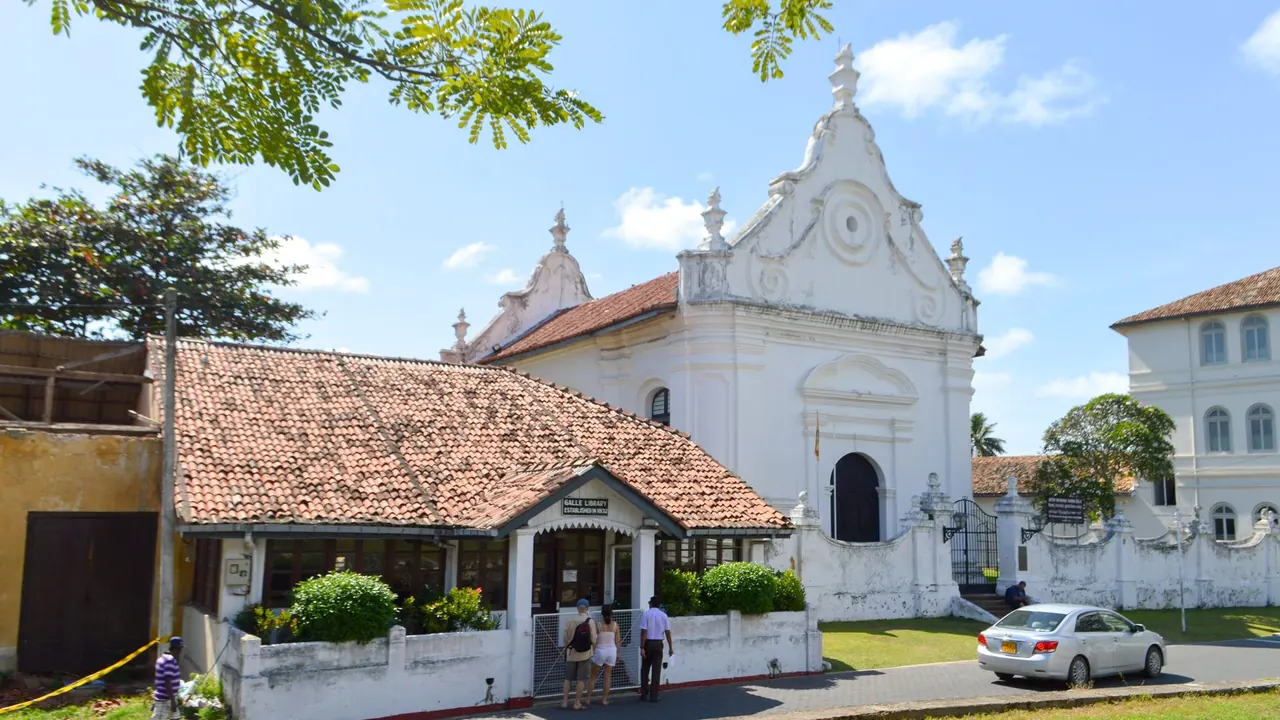
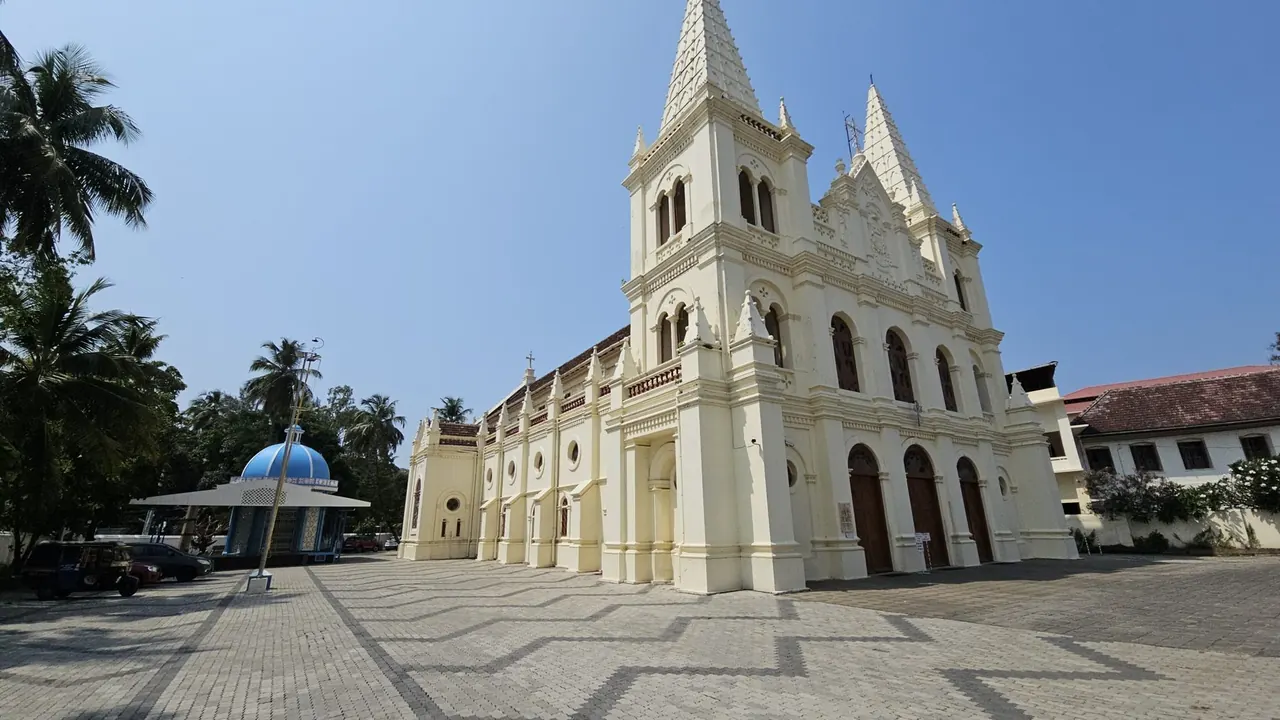
Photos: Galle by Francisco Anzola, CC BY 2.0, cropped; Kochi by Vis M, CC BY-SA 4.0, cropped.
Galle or Kochi?
Our verdict in twelve categories, each scored against the same fixed benchmark cities, and the climate month by month, so you can choose for your trip.
Choose Galle for
- beaches
- nature and the outdoors
- families
Galle is the choice for a slow tropical beach vacation with a heritage town attached. The walled Dutch fort is a lovely place to stay, but the real pull lies a short tuk-tuk ride away: Unawatuna's sheltered bay, turtles over the reef pools at Dalawella, surf at Weligama and whale-watching boats out of Mirissa. Pick it if days on the sand and in the water matter more to you than variety in town.
Choose Kochi for
- live music and the arts
- food and drink
- prices
Travellers who come for the place itself rather than the sea will get more from Kochi. Mattancherry's synagogue and palace murals, the Chinese fishing nets, Kathakali every evening and Kerala's coconut-and-pepper cooking give it far more to do between breakfast and bed, and day-to-day costs are lower too. Its swimming beach is an hour away and an afterthought, so anyone after sun and sea will feel short-changed.
Scoreboard
Twelve categories on one fixed scale from 0 to 100. The shaded stretch is the gap between the two.
Your match
Pick a travel style or drag the sliders, and both match scores follow your weighting.
Wins on beaches and nature and the outdoors with your weighting.
Wins on live music and the arts and food and drink with your weighting.
What matters to you?
Category by category
What the scores mean for a trip.
Beaches & swimming
This is Galle's great advantage. It sits on a coast of sandy bays, with sheltered Unawatuna minutes away, Jungle Beach under the Rumassala headland and reef pools at Dalawella and Thalpe where you can snorkel among turtles, and Mirissa and Weligama within the hour.
Kochi has the Arabian Sea but no swimming in town, since the Fort Kochi sand is for strolling past the fishing nets. Cherai Beach on Vypeen island is a fine palm-backed stretch, but it is an hour away and works as a side trip. Both coasts turn rough in the southwest monsoon, so the calm winter months matter in either place.
Food & drink
Kochi is the stronger place to eat. Kerala cooking has real depth here, from appam and stew at breakfast to banana-leaf rice meals, pearl spot in its leaf wrap, and the Syrian Christian duck roasts and Malabar biryanis left by the city's old communities. You can also buy fish at the nets and have it cooked nearby, or eat spicy food with palm wine in a toddy shop.
Galle has good Sri Lankan rice and curry, hoppers and kottu, but the range is narrower and a few days covers it. The fort's courtyard cafés lean towards visitors, and the best curries are usually in plain places outside the walls.
Culture & sights
Kochi has more to see and more of it is individually significant. St Francis Church, the Paradesi Synagogue with its Chinese tiles, the Hindu murals in Mattancherry Palace and the royal collections at the Hill Palace fill two or three unhurried days. In the years it is held, the Biennale adds contemporary art to the old warehouses.
Galle's appeal is a single, complete townscape: the UNESCO-listed Dutch fort with its ramparts, verandas, gravestone-floored church and lighthouse, best enjoyed on a sunset walk along the bastions. It is a more coherent place to wander but can be seen in a day or two, and neither city has a large museum.
Nightlife
Neither city is for a night out, and both suit a long dinner and an early bed. In Galle that means a drink on a fort veranda or rooftop, with Unawatuna's beach bars and the odd party night in high season for anyone wanting more. Kerala's strict alcohol rules make Kochi quieter still, with drinking mostly in hotel bars and a few licensed lounges in Ernakulam, and evenings built around a sunset walk by the fishing nets.
Nature & outdoors
Galle offers more to do outdoors, and most of it is in the sea: snorkelling and diving over the reefs in the dry season, surf breaks for beginners at Weligama and Hikkaduwa, and blue whales off Mirissa from December to April. Inland, the Kanneliya rainforest and the birdlife of Sinharaja add jungle.
Kochi's landscape is water of a calmer kind. You can kayak or take a country boat through the canals of Kumbalangi and around Vembanad Lake, watch birds at Mangalavanam and Thattekad, or visit the Athirappilly falls. Hill walking around Munnar needs an overnight trip.
Day trips
The range of outings is much the same, but the character differs. From Galle the trips run along the coast: Ambalangoda for carved masks, old Matara and Dondra Head, the cliff temple at Mulkirigala, or Colombo for a dose of the capital. Many of them are simply more beaches.
Kochi's trips go inland and into history: a houseboat day on the Alappuzha backwaters, the Muziris sites of the port that once traded with Rome, and Thrissur's great temple. Slow, congested roads make the days longer than the distances suggest.
Good for families
Both cities are easy with children rather than built for them, and both are hot and humid all year. Galle works best as a beach and villa stay, with paddling at Unawatuna in the dry months, turtle hatcheries and whale-watching trips to fill the days.
Kochi has no swimming beach close at hand, so families lean on a pool hotel, ferry crossings, backwater boats and the large amusement and water park on the city's eastern edge. Heavy traffic in Ernakulam is a strain, and food and water need care.
Getting around
Kochi is easier to move around. Public ferries and the water metro link Fort Kochi with Ernakulam and make the crossing part of the day, a metro line runs through the commercial centre, and app taxis back up the auto-rickshaws.
Galle's fort is flat and walkable, but beyond the walls everything depends on tuk-tuks and private drivers. Walking between beaches along the narrow coast road is impractical, and the train and buses to other towns are cheap but uncomfortable.
Shopping & style
Kochi has more worth buying and more variety. In Jew Town, warehouses are stacked with carved doors, temple bells and Dutch-era furniture, and spice merchants sell pepper and cardamom by the sack. Broadway in Ernakulam is a working market street, kasavu handloom is the craft to bring home, and a huge mall covers international brands.
Galle's shopping is a pleasant browse along a few fort lanes: linen and handloom boutiques, tea, beeralu lace and masks from Ambalangoda. Its sapphire and moonstone dealers need care and some knowledge before you buy anything valuable.
Affordability
Galle is good value as long as you live like a local. Rice and curry, short eats, trains and tuk-tuks cost very little. The catch is that the most appealing base is also the dearest: the fort's restored villas, boutique hotels and visitor cafés charge close to European resort prices, and imported drinks add up quickly. A stay inside the walls can cost far more than the town's cheap streets would suggest.
Kochi is the cheaper of the two and much harder to overspend in. Fort Kochi, the quarter where you want to be, is full of modest family-run lodgings, so you pay no premium just for sleeping among the sights. Kerala's alcohol rules leave little to spend money on in the evenings. The big bills come only from extras you choose on purpose, such as a heritage hotel, a private houseboat or a long Ayurvedic course.
Live music & performing arts
Kochi has a real tradition to see. Small Fort Kochi theatres put on shortened Kathakali every evening, where you can watch the performers apply their green-and-red make-up, often alongside Mohiniyattam dance and Kalaripayattu. In festival season, the temples fill with chenda drumming.
Galle has almost nothing beyond hotel dance and drumming shows and the odd acoustic set. Its mask-dance heritage belongs to Ambalangoda up the coast.
Wellness & relaxation
Both cities are equally strong for unwinding, and both are built on Ayurveda. In Galle it comes with a beach setting: yoga retreats around Unawatuna and Thalpe, villa treatment rooms and week-long residential programmes close to the sea, with evening walks on the ramparts.
Kochi treats Ayurveda more as medicine, with doctor-led courses of shirodhara and oil treatments running for weeks, traditionally taken in the monsoon. Ernakulam's noise means many people finish with a few days at a backwater resort.
When should you go?
Pick your month. The climate figures are measured averages, not a forecast.
Galle in July
Kochi in July
Daytime high, °C
Rainfall in the month, mm
Where the figures come from
Galle has no weather station within reach, so its figures come from a gridded climate model rather than a measured record, and read a broad area rather than the city itself.
Kochi has no weather station within reach, so its figures come from a gridded climate model rather than a measured record, and read a broad area rather than the city itself.
Temperature and rainfall are climate normals, averaged over the years shown. Galle: 2001-2020 normals, NASA POWER reanalysis grid, no weather station within 90 km. Kochi: 2001-2020 normals, NASA POWER reanalysis grid, no weather station within 90 km.
Galle stays at about 28°C all year, with the sea just as warm, so the question is rain and surf rather than heat. January and February are the driest months, each under 100mm, and the calm, clear water lasts until about April. Rain builds from April, the southwest monsoon makes many beaches unsafe to swim from May to September, and October and November are the wettest of all, with November reaching 334mm.
Kochi follows a sharper pattern. January to March is almost dry but hot, with highs of 33°C that make midday walks in Fort Kochi heavy going, so mornings and evenings are the time for the lanes. The monsoon arrives in force in June, which brings 494mm, and keeps the beaches unsafe and many outdoor plans on hold until October. The two cities share their best window from December to March, but Kochi's dry season is sharper and hotter, while Galle's rain is spread more evenly through the year.
Which traveller are you?
For a beach and sun trip, Galle wins clearly. Unawatuna, Jungle Beach and the reef pools along the coast are minutes away, with Mirissa and Weligama within the hour, while Kochi's own shore is not for swimming and Cherai means an hour's drive.
On a culture and arts trip, Kochi gives more. Beyond its colonial churches it has the Paradesi Synagogue, the murals of Mattancherry Palace, the Biennale in the years it runs and nightly Kathakali, where Galle offers one fine fort and few performances.
On a trip with a tight budget, Kochi stretches the money further. Homestays, banana-leaf meals, ferries and mostly free sights cost very little, while in Galle the cheap options sit outside the fort and the walled town's villas and cafés charge resort prices.
Before you go
| Measure | Galle | Kochi |
|---|---|---|
| Official language | Tamil, Sinhala | Hindi, English |
| Currency | Sri Lanka Rupee (LKR) | Indian Rupee (INR) |
| Sockets | GM230 V, 50 Hz | CM230 V, 50 Hz |
| Driving side | Left | Left |
| Time zone | UTC+5:30 | UTC+5:30 |
| Emergency number | Police 119, ambulance 110, fire 110 | 108 or 112 |
| Elevation | 0 m | 0 m |
| Main airport | Bandaranaike International Colombo Airport (CMB)133 km from centre56 non-stop destinations | Cochin International Airport (COK)24 km from centre36 non-stop destinations |
By the numbers
| Measure | Galle | Kochi |
|---|---|---|
| City population | 93,118 | 677,381 |
| People per km² | - | 7,138 |
| Museums within 10 km | 2 | 4 |
| UNESCO World Heritage sites within 50 km | 2 | 0 |
| Swim season, months above 21 °C | 12 months | 12 months |
Where else could you go?
Every comparison below shares a destination with this one, so you can follow Galle or Kochi somewhere new.