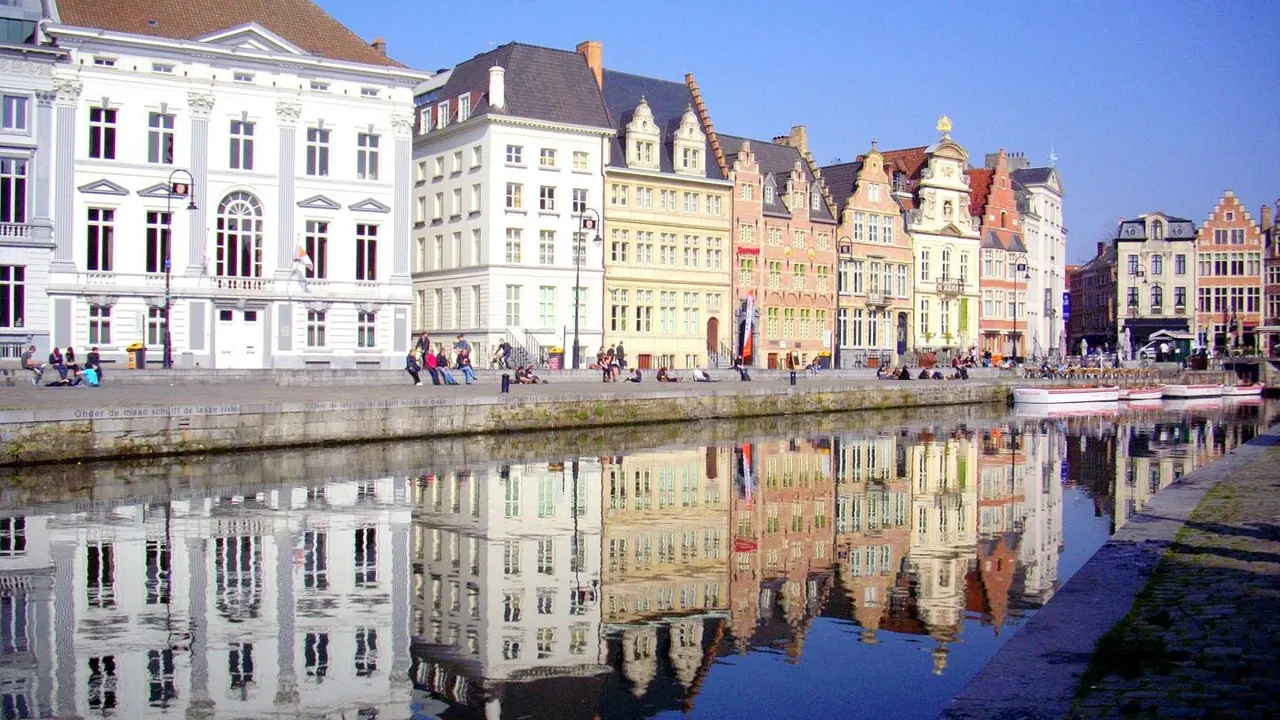
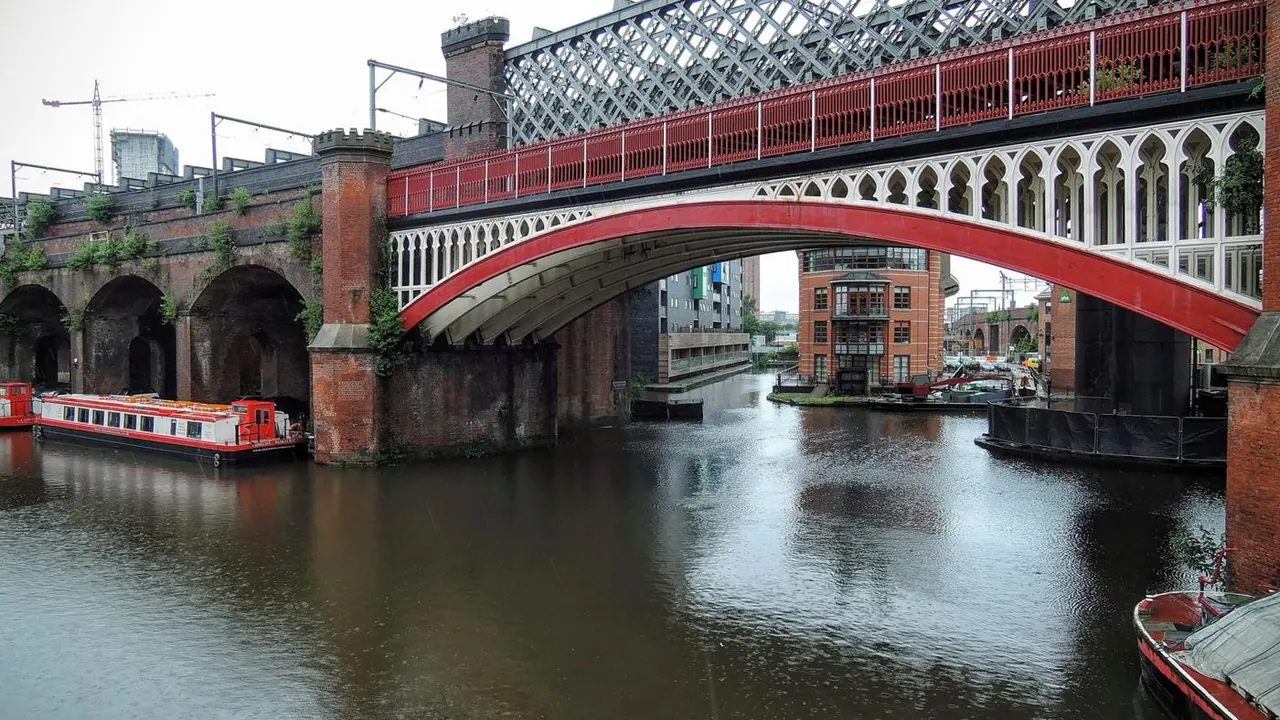
Photos: Ghent by ykeiko, CC BY-SA 3.0, cropped; Manchester by IIya Kuzhekin, CC BY 3.0, cropped.
Ghent or Manchester?
Our verdict in twelve categories, each scored against the same fixed benchmark cities, and the climate month by month, so you can choose for your trip.
Choose Ghent for
- culture and sights
- wellness
- beaches
Ghent is the better choice for travellers who want an old city to walk through and look at. The medieval centre is mostly free of cars, the van Eyck altarpiece and the Gravensteen are a few minutes apart, and Bruges, Brussels and Antwerp are each a short train ride away. Add brown cafés pouring Belgian beer and quiet canal-side evenings, and it suits an unhurried sightseeing trip.
Choose Manchester for
- nature and the outdoors
- nightlife
- live music and the arts
Manchester suits people who come for what happens after dark and at weekends. It has a deep gig circuit, two major orchestras, the clubs and bars of the Northern Quarter and Canal Street, and better shopping. The Peak District moors start on the city's edge, so a walking day fits easily between nights out.
Scoreboard
Twelve categories on one fixed scale from 0 to 100. The shaded stretch is the gap between the two.
Your match
Pick a travel style or drag the sliders, and both match scores follow your weighting.
Too close to call, level with your weighting
Wins on culture and sights and wellness with your weighting.
Wins on nature and the outdoors and nightlife with your weighting.
What matters to you?
Category by category
What the scores mean for a trip.
Beaches & swimming
Neither city is for a beach vacation, but Ghent comes closer. Ostend is about an hour away by train, and the coast tram links wide sandy resorts from De Panne to Knokke. On hot days the Blaarmeersen lake on the city's western edge has supervised swimming from a sandy shore.
From Manchester the Irish Sea at Formby or Blackpool is a seaside walk rather than a swim, because the water stays too cold for most people. An indoor pool is the realistic option.
Food & drink
Ghent has the more distinctive table. Waterzooi, beef stewed in dark beer and grey shrimp croquettes give it a real regional cooking, the restaurants have a long meat-free habit that suits vegetarians, and the brown cafés of the Patershol and Vrijdagmarkt pour Trappist and lambic beers by the long list.
Manchester's strength is range rather than a cuisine of its own. It has the curry houses of Rusholme, one of Britain's larger Chinatowns and food halls in Ancoats mills, and the craft breweries under the railway arches are its best match for Ghent's beer.
Culture & sights
Ghent has the deeper sights. Its medieval centre is still lived in. From St Michael's Bridge you see three towers in one line, a twelfth-century castle stands in the middle of town, and St Bavo's holds the van Eyck altarpiece, one of the founding works of European painting.
Manchester tells a later and narrower story, that of the first industrial city. The neo-Gothic Town Hall, the John Rylands Library and the Science and Industry Museum make a fine two days for anyone curious about cotton, railways and Victorian ambition, and most of the galleries are free. Nothing here matches the altarpiece, though.
Nightlife
Manchester is the place for a proper night out. The warehouse bars and DJ rooms of the Northern Quarter, the long-established Gay Village on Canal Street and the autumn warehouse raves give it a range Ghent cannot match, and weekend nights run very late.
Ghent's evenings are smaller and slower, mostly long sessions over strong beer in old cafés, with the student bars of the Overpoort for something louder. The exception is July, when the ten-day Gentse Feesten turns the whole centre into a street party.
Nature & outdoors
Manchester has real hill country on its doorstep. The gritstone edges of the Peak District start on the eastern fringe, Kinder Scout and the Mam Tor ridge are under an hour away by train, and Heaton Park is one of Europe's largest municipal parks. Expect low cloud and mud on the moors.
Ghent's outdoors is flat and gentle: riverside cycling along the Leie to Sint-Martens-Latem, birdwatching in the Bourgoyen-Ossemeersen wetland and the Zwin reserve near the coast. It is pleasant, but there is nothing to climb.
Day trips
Both cities make excellent bases, but Ghent's outings are closer and more concentrated. Bruges is under half an hour away and Brussels about the same, Antwerp is under an hour, and the First World War sites around Ypres and Lille across the border are within easy reach. Many visitors stay in Ghent precisely to see Flanders.
Manchester's outings are more spread out but still rich. Liverpool and Chester are about an hour away, York takes a little longer across the Pennines, and Chatsworth, Haworth and the Lake District towns make good longer days.
Good for families
Manchester has more for children, largely because so much of it is indoors and free. There are working engines at the Science and Industry Museum and dinosaurs at the Manchester Museum. The Trafford Centre has an aquarium and an indoor real-snow slope, and Chester Zoo is about an hour away.
Ghent is the calmer and safer-feeling city to walk with children, thanks to its car-free centre. The Gravensteen's battlements and the canal boats are the highlights, but little else is designed for children, and the cobbles are hard going with a pushchair.
Getting around
Ghent is the easier city to get about. With cars kept out of the flat medieval core, the cathedral, the Graslei and the Patershol are minutes apart on foot, and the city is built around the bicycle, with bike streets and rental bikes everywhere. The main station is a twenty-minute walk or a short tram ride from the centre.
Manchester's centre is also compact, and the yellow Metrolink trams reach Salford Quays, Old Trafford and the airport. Rain, crowded trams on event days and a confusing road layout make it a little less smooth.
Shopping & style
Manchester is the better shopping city. It is the commercial capital of northern England, with department stores around Exchange Square and designer labels on King Street. The Northern Quarter adds record shops, vintage clothing and the stalls of Afflecks, and the huge Trafford Centre sits on the city's edge.
Ghent is better for browsing. Independent design shops line the Serpentstraat, the flea market at Sint-Jacobs and the flower market on the Kouter are worth a morning, and the best things to take home are edible: cuberdons, chocolate and the local mustard.
Affordability
Costs are broadly similar, and neither is a budget city. They differ in where the money goes. In Ghent, Belgian restaurant and café bills are the main expense, while getting around the walkable centre costs little and the cathedral is free, though the Gravensteen and the main museums charge.
In Manchester most of the major museums are free, and curry houses and food halls keep meals cheap. Hotel rooms jump when a home football match or a big arena concert is on, so your dates matter there in the way July's festival matters in Ghent.
Live music & performing arts
Manchester's stage and music life is broader and better known. The Hallé and the BBC Philharmonic both play at the Bridgewater Hall, the gig circuit runs from tiny Northern Quarter rooms to one of Europe's largest arenas, and the Royal Exchange stages theatre-in-the-round inside the old cotton trading hall.
Ghent holds its own for its size. Its nineteenth-century opera house is home to half of the Flemish national company, De Bijloke is known for early music in a medieval hospital, and NTGent is admired far beyond Belgium, although most of its productions are in Dutch.
Wellness & relaxation
Neither city has a bathing tradition, but Ghent is the more restful place to spend time. Its enclosed beguinage gardens, canal walks along the Coupure and quiet Sundays slow the pace once the day-trippers have left.
Manchester stays loud and busy, especially at weekends, and Victoria Baths is a heritage building to tour rather than a place to swim. People who want quiet there usually take the train to the old spa town of Buxton.
When should you go?
Pick your month. The climate figures are measured averages, not a forecast.
Ghent in July
Manchester in July
Daytime high, °C
Rainfall in the month, mm
Where the figures come from
Ghent has no rain gauge within 25 km of the centre, so its rainfall comes from a gridded climate dataset read at the city rather than from a gauge further away.
Ghent's sunshine is measured 45 km from the centre, at Vlissingen.
Temperature and rainfall are climate normals, averaged over the years shown. Ghent: 2009-2025 (sunshine 1991-2020, rainfall 1991-2020) normals, Melle / Kalverhaag (10.1 km from centre). Manchester: 1991-2020 normals, Manchester Airport (14.8 km from centre).
The two climates are close, with mild summers and cool, grey winters, but Ghent is the sunnier of the pair. Its summer days are noticeably brighter, with over 230 hours of sunshine a month in May and June, against Manchester's best of around 180. Both peak at about 22°C in July and August, which is comfortable walking weather rather than beach weather. The North Sea off the Belgian coast reaches only 19°C at its warmest, and the Irish Sea near Manchester is colder still.
Spring separates them most. Ghent's April is its driest month, which makes April to June the best time to go, before the summer rain arrives. Manchester stays damp all year and is at its wettest in autumn, with October bringing about 95mm. Choose late spring or summer for it, and in both cities expect short, dark, damp days from November to February.
Which traveller are you?
For a culture and arts trip, Ghent is the stronger pick. The Ghent Altarpiece, the moated Gravensteen and the guildhalls along the Graslei sit in one walkable medieval core, and Bruges and Antwerp add more Flemish art a short train ride away.
On an outdoors trip, Manchester wins clearly. Trains reach Edale in under an hour for walks onto Kinder Scout and Mam Tor, and the Lake District is within a day's reach. Around Ghent the country is flat farmland that suits gentle cycling.
On a relaxing and wellness trip, Ghent is the calmer place to be. Neither city has spas worth travelling for, but the enclosed beguinage gardens, slow walks along the Leie and quiet Sundays make for a gentler pace than Manchester's loud, busy weekends.
Before you go
| Measure | Ghent | Manchester |
|---|---|---|
| Official language | French, German, Dutch | English |
| Currency | Euro (EUR) | Pound Sterling (GBP) |
| Sockets | CE230 V, 50 Hz | G230 V, 50 Hz |
| Driving side | Right | Left |
| Time zone | UTC+1, UTC+2 in summer | UTC, UTC+1 in summer |
| Emergency number | 112 | 112 or 999 |
| Elevation | 12 m | 38 m |
| Main airport | Brussels Airport (BRU)56 km from centre191 non-stop destinations | Manchester Airport (MAN)15 km from centre211 non-stop destinations |
| Public holidays this year | 14 days | 8 days |
By the numbers
| Measure | Ghent | Manchester |
|---|---|---|
| City population | 272,657 | 547,627 |
| People per km² | 1,728 | 4,737 |
| Museums within 10 km | 30 | 28 |
| UNESCO World Heritage sites within 50 km | 5 | 2 |
| Swim season, months above 21 °C | None | None |
Where else could you go?
Every comparison below shares a destination with this one, so you can follow Ghent or Manchester somewhere new.