Photos: Graz by C.Stadler/Bwag, CC BY-SA 4.0, cropped; Wroclaw by Jar.ciurus, CC BY-SA 3.0 PL, cropped.
Graz or Wroclaw?
Our verdict in twelve categories, each scored against the same fixed benchmark cities, and the climate month by month, so you can choose for your trip.
Choose Graz for
- wellness
- nature and the outdoors
- food and drink
Graz suits a slower, greener trip built around the land it sits in. The Styrian kitchen, with its pumpkin seed oil and hillside wine taverns, is the stronger reason to eat out, and the Schöckl, the wine hills and the alpine walls of the Gesäuse put real walking within reach. The compact, tram-linked centre is effortless, and the thermal spa villages to the east round off a stay that is more about calm than late nights.
Choose Wroclaw for
- prices
- nightlife
- culture and sights
Wroclaw is the better pick for travellers who want their money to go further and their evenings to run later. Rooms, meals and beer cost far less, and the courtyard bars off the Market Square keep going well past midnight at weekends. Its sights rival Graz's in a different register, a layered city of a rebuilt square, a gaslit cathedral island and a modernist UNESCO hall, and the castles of Lower Silesia make strong outings.
Scoreboard
Twelve categories on one fixed scale from 0 to 100. The shaded stretch is the gap between the two.
Your match
Pick a travel style or drag the sliders, and both match scores follow your weighting.
Too close to call, 2 points apart
Wins on wellness and nature and the outdoors with your weighting.
Wins on prices and nightlife with your weighting.
What matters to you?
Category by category
What the scores mean for a trip.
Beaches & swimming
Neither city is a place for sea and sand, and both leave the coast far behind. The difference is what you can do on a hot day. Graz has proper bathing lakes south of town, such as the Schwarzlsee, with jetties and water warm enough to swim in high summer.
Wroclaw's sandy spots along the Oder are for deckchairs and a drink rather than getting in, so a swim means an outdoor pool or a trip out to a countryside reservoir.
Food & drink
Graz gives a food-minded traveller more to seek out. Styrian cooking has a strong regional identity, from cold fried chicken salad dressed in pumpkin seed oil to Wurzelfleisch with horseradish, and the morning markets at Kaiser-Josef-Platz and Lendplatz show off the produce. Local Sauvignon Blanc from the southern hills, drunk at Buschenschank taverns, adds a wine angle Wroclaw lacks.
Wroclaw feeds you well on pierogi, żurek in a bread bowl and roast duck, and its milk bars are an experience in themselves. Its drinking strength is beer rather than wine, with brewpubs in old cellars, but the cooking is hearty rather than memorable.
Culture & sights
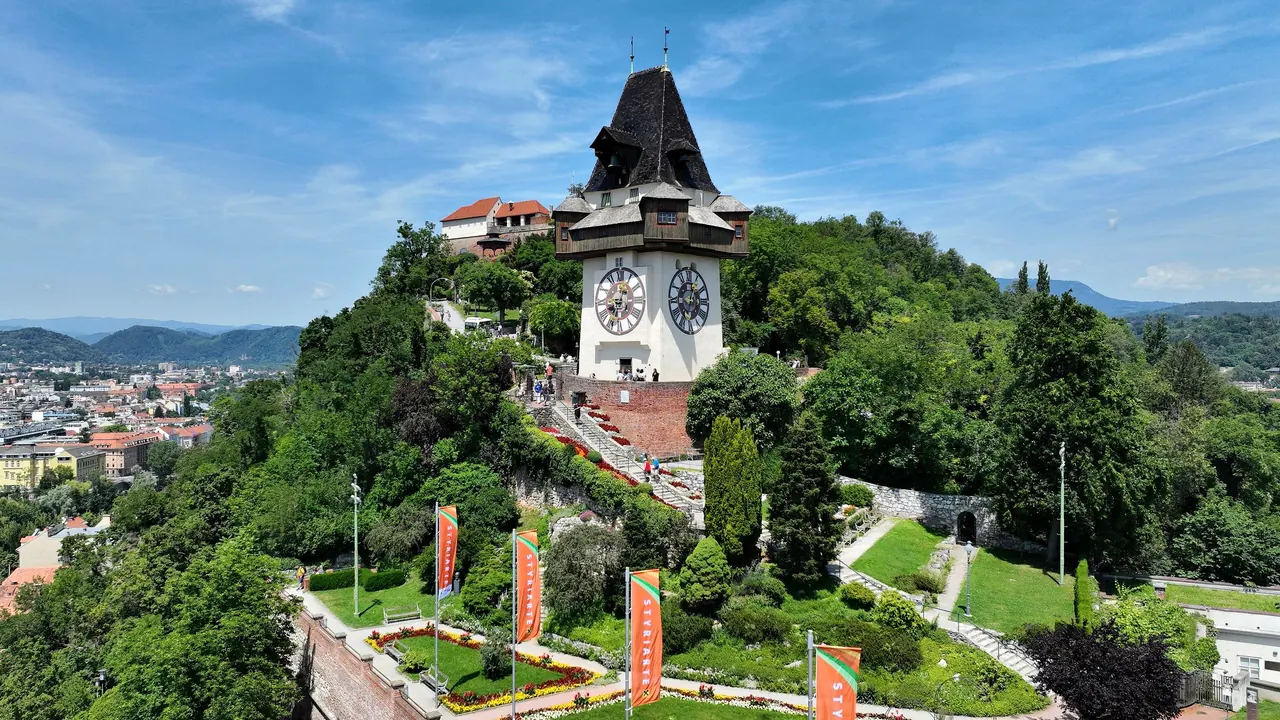
The two are evenly matched, but the history they show is very different. Graz offers an intact old town of Renaissance courtyards and red roofs beneath the Schlossberg clock tower, plus the extraordinary Landeszeughaus armoury and the Baroque Schloss Eggenberg, with the bulbous Kunsthaus as a modern counterpoint.
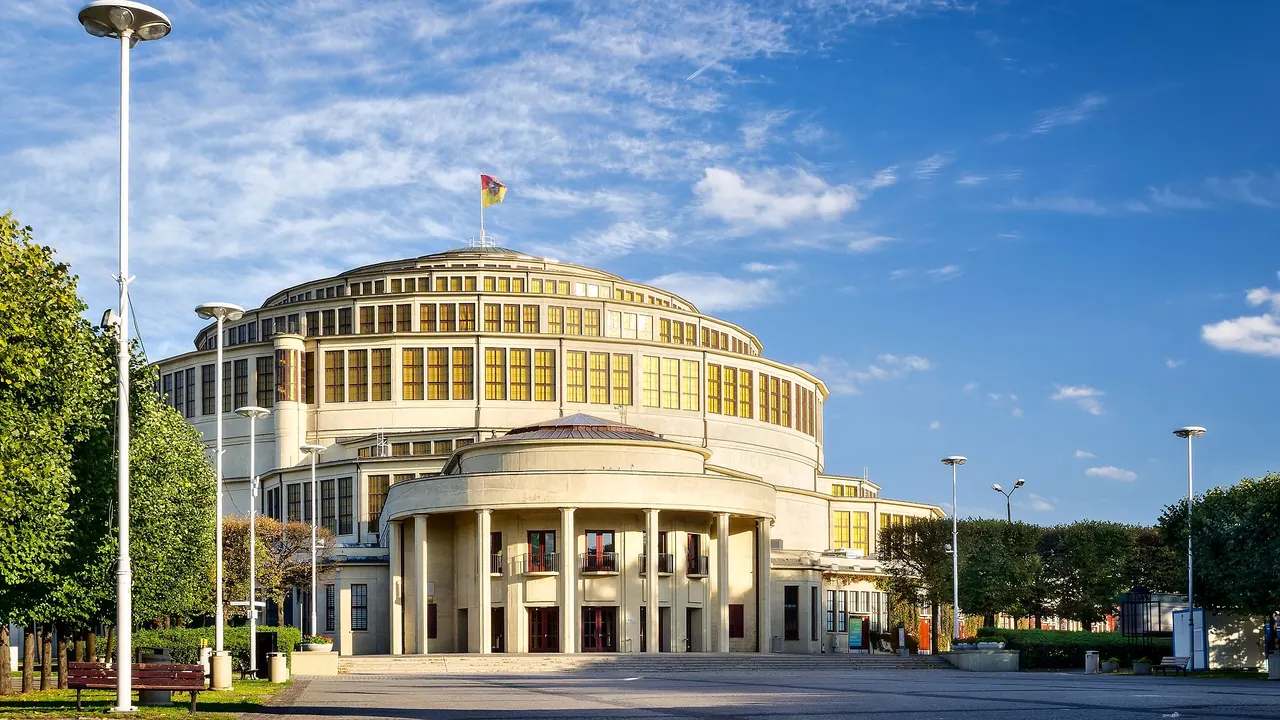
Wroclaw's centre is largely rebuilt after 1945, and that layered story is part of its interest: the vast Market Square with its Gothic town hall, the gaslit lanes of Ostrów Tumski, the Racławice Panorama and the concrete Centennial Hall. Graz feels preserved, Wroclaw feels reconstructed and reinvented.
Nightlife
Wroclaw is the livelier city after dark. The courtyard passage off Ruska Street, packed with small bars, and the cellars around the Market Square carry on past 2am at weekends, and in summer the drinking spills onto the riverbanks and islands.
Graz has its student crowd too, centred on the lanes of the Bermuda Triangle and the artier bars of Lend, but evenings there lean towards wine bars and a gentle pub crawl. Neither is a clubbing destination, and both go quiet when the students leave for summer.
Nature & outdoors
Graz has far more landscape on its doorstep. The Schöckl rises above the city with a cable car, trails and paragliders, the Mur cycle path runs straight through town, and within about two hours the Gesäuse and Hochschwab offer serious alpine hiking. The South Styrian wine hills add gentle autumn walking.
Wroclaw is flat, and its green spaces are mostly in town: the river islands, Szczytnicki Park and its Japanese Garden. Ślęża makes a good half-day climb, but the Karkonosze and the Table Mountains are long days out.
Day trips
Both cities have rewarding countryside within a couple of hours, and both are easier with a car. From Graz the outings lean towards wine and rural life: the South Styrian Wine Road, Riegersburg on its volcanic crag, the Lipizzaner stud at Piber and Admont's great abbey library, with Maribor across the border by train.
Wroclaw's pull is castles and churches. Książ above its gorge, the wooden Churches of Peace at Świdnica and Jawor and the palaces of the Jelenia Góra valley make it the stronger base for architecture and history.
Good for families
Both are calm, safe and easy with children, but the highlights differ. In Graz the fun is built into the Schlossberg: up by funicular or lift, down by the long underground slide, with the Märchenbahn fairytale train in the tunnels and the FRida & freD children's museum nearby.
Wroclaw has what Graz lacks, a big zoo with the Afrykarium and its walk-through shark tunnel, plus the endless game of hunting bronze dwarfs on street corners.
Getting around
Graz is the simpler city to get about. Its small, flat, largely pedestrianised centre puts the sights minutes apart, and one ticket covers trams along the Herrengasse and the climb up the Schlossberg.
Wroclaw is also walkable at its core, but sights such as the zoo and Centennial Hall need the larger tram network, which can be slow at rush hour and takes some learning. In both, the countryside is far easier by car.
Shopping & style
Neither is a shopping destination, though Graz is the more pleasant place to browse. Its Herrengasse and steep Sporgasse put traditional shops in historic buildings, Lend adds small design studios, and the edible souvenirs, pumpkin seed oil, Schilcher rosé and craft chocolate, are excellent.
Wroclaw is more practical, with malls for the chains, the striking 1930s Renoma building and a riverside market hall. Bolesławiec stoneware and amber are its best buys.
Affordability
Wroclaw is much kinder to the wallet. Central rooms, milk bar lunches, beer, trams and museum tickets all cost noticeably less, and stepping a few streets off the Market Square brings prices down further.
Graz is fair for Austria, with student lunch menus and bakeries to help, but sit-down dinners and wine cost Western European amounts, so the same budget stretches less far.
Live music & performing arts
Graz builds its musical life around a grand late-nineteenth-century opera house, the second largest in Austria, whose season runs from opera and ballet to operetta and musicals, with the Musikverein's orchestral and chamber concerts alongside. Its festivals pull two ways: early music at Styriarte in early summer and avant-garde theatre and art at steirischer herbst in autumn. Jazz is a particular strength, because the music university's programme keeps the club stages busy.
Wroclaw's flagship is the modern National Forum of Music, a large hall built for its acoustics, with the opera in an older house by the moat. Its festivals are Wratislavia Cantans, devoted to oratorio, and Jazz on the Oder, and its stages carry Grotowski's experimental legacy. In both cities plays are performed in the local language, so concerts are the surer choice for most visitors.
Wellness & relaxation
Graz is the better choice for unwinding. The Styrian thermal villages about an hour east, from Hundertwasser's Bad Blumau to Loipersdorf, offer big warm pools and saunas for a day visit, and the city's coffee houses and Schlossberg paths keep the pace slow.
Wroclaw relies on an aquapark and hotel spas in town, and its historic spa towns such as Szczawno-Zdrój are more about pump rooms and spa parks than a day of soaking.
When should you go?
Pick your month. The climate figures are measured averages, not a forecast.
Graz in July
Wroclaw in July
Daytime high, °C
Rainfall in the month, mm
Temperature and rainfall are climate normals, averaged over the years shown. Graz: 1991-2020 normals, Graz Airport (7.9 km from centre). Wroclaw: 1991-2020 (rainfall 1961-1990) normals, Wroclaw Copernicus Airport (10.5 km from centre).
Both cities share the same Central European rhythm: cold winters with daytime highs barely above freezing in January, a pleasant spring and autumn, and a warm summer. Graz runs slightly warmer, reaching about 27°C in July against Wroclaw's 26°C, and it is the one where summer swimming makes sense, since its bathing lakes are warm enough through July and August. Neither gets too hot for walking the streets.
The real difference is rain. Graz is much wetter from late spring through September, with around 127mm in August, while Wroclaw's wettest month brings about 83mm, so a Graz summer carries more risk of washed-out afternoons. In winter the balance flips: Graz has noticeably more sunshine from November to February, while Wroclaw's dark months are grey. For walking either city, May, June and September are the most comfortable choices, and September in Graz pairs well with the wine hills.
Which traveller are you?
On a trip on a tight budget, Wroclaw is the clear choice. Central hotels cost a fraction of Western prices, milk bars serve filling lunches very cheaply, and trams, museums and the zoo are modestly priced, while Graz is fair but rarely cheap.
For an outdoors trip, Graz has the edge. The Schöckl rises on the city's doorstep with trails and a cable car, the Bärenschützklamm gorge and the wine hills are close, and proper alpine hiking in the Gesäuse is about two hours away.
On a relaxing and wellness trip, Graz is the better base. The Styrian thermal villages, including Hundertwasser's Bad Blumau, lie about an hour east with large warm pools and saunas, and the city's unhurried coffee-house pace helps you slow down.
Before you go
| Measure | Graz | Wroclaw |
|---|---|---|
| Official language | German, Austrian Sign Language | Polish |
| Currency | Euro (EUR) | Zloty (PLN) |
| Sockets | CF230 V, 50 Hz | CE50 Hz |
| Driving side | Right | Right |
| Time zone | UTC+1, UTC+2 in summer | UTC+1, UTC+2 in summer |
| Emergency number | 112 | 112 |
| Elevation | 353 m | 111 m |
| Main airport | Graz Airport (GRZ)9 km from centre26 non-stop destinations | Copernicus Wrocław Airport (WRO)11 km from centre84 non-stop destinations |
| Public holidays this year | 16 days | 14 days |
By the numbers
| Measure | Graz | Wroclaw |
|---|---|---|
| City population | 306,971 | 673,531 |
| People per km² | 2,406 | 2,299 |
| Museums within 10 km | 29 | 42 |
| UNESCO World Heritage sites within 50 km | 1 | 2 |
Where else could you go?
Every comparison below shares a destination with this one, so you can follow Graz or Wroclaw somewhere new.