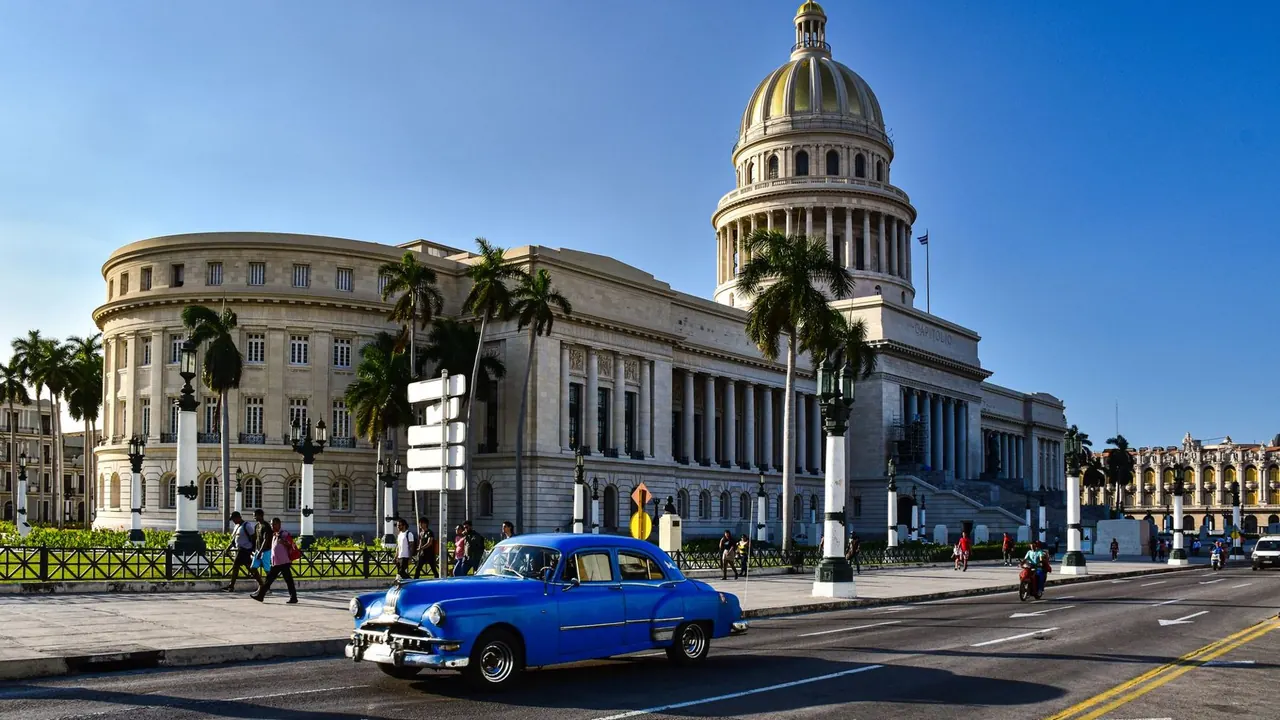
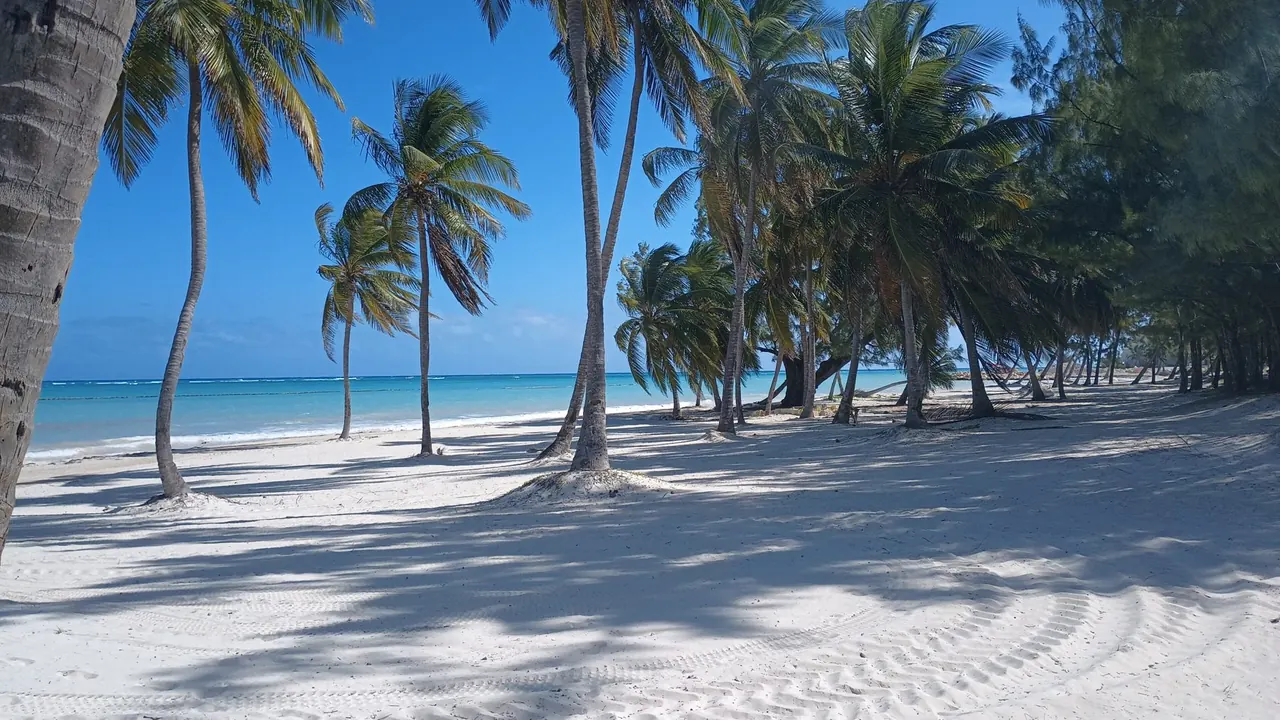
Photos: Havana by AXP Photography, Pexels License; Punta Cana by Mary Mark Ockerbloom, CC0.
Havana or Punta Cana?
Our verdict in twelve categories, each scored against the same fixed benchmark cities, and the climate month by month, so you can choose for your trip.
Choose Havana for
- culture and sights
- live music and the arts
- getting around
Havana suits travellers who want a city to explore rather than a beach to lie on. The colonial squares and fortresses of Habana Vieja, art deco streets in Centro and Vedado, live son and salsa in bars from midday and the Ballet Nacional at the Gran Teatro make it one of the most absorbing places in the Caribbean. It asks for patience with broken pavements, patchy supplies and taxis between neighbourhoods. The sea is a side trip, not the point.
Choose Punta Cana for
- families
- beaches
- wellness
Anyone whose idea of a week away is sand, calm warm water and nothing to organise will be happier in Punta Cana. Its long reef-sheltered coast, family resorts with kids' clubs and splash parks, and hotel spas make an easy, contained stay, especially with young children. Expect little history, few performances and resort-style food. The one real cultural outing, Santo Domingo's old quarter, is a long day away.
Scoreboard
Twelve categories on one fixed scale from 0 to 100. The shaded stretch is the gap between the two.
Your match
Pick a travel style or drag the sliders, and both match scores follow your weighting.
Wins on culture and sights and live music and the arts with your weighting.
Wins on families and beaches with your weighting.
What matters to you?
Category by category
What the scores mean for a trip.
Beaches & swimming
Havana has no sand in its centre. Its seafront is the rocky Malecón, so a swim means a taxi half an hour east to the Playas del Este. Strands such as Santa María del Mar and Guanabo are white and clear but basic, and crowded with local families at weekends.
Punta Cana is built around the beach. Pale sand runs almost unbroken from Juanillo to Macao, mostly calm behind the reef, with sunbeds a few steps from your room. Bávaro suits a sociable day, Juanillo a quiet one and Macao the surf, though some summers bring sargassum onto the shore.
Food & drink
Neither is a destination for serious eaters, but Havana gives you more to seek out. Its paladares, in old mansions, on Vedado rooftops and in family apartments, serve ropa vieja, roast pork and lobster, sometimes with real invention. The daiquiris, mojitos and aged rum in the old bars are worth the trip on their own.
In Punta Cana most meals are resort buffets and themed restaurants: plentiful but forgettable. The honest Dominican cooking, sancocho, la bandera and mangú, is in roadside comedores used by local workers, and you have to go looking for it.
Culture & sights
This is where the two cities differ most. Havana's UNESCO-listed Habana Vieja is a grid of colonial squares, baroque churches and arcaded mansions. The Morro and La Cabaña fortresses stand across the harbour, the Capitolio marks the edge of the old town, and Centro and Vedado are full of art deco. Add the Cuban collection at the Bellas Artes and the Museo de la Revolución, and you have a week of sightseeing.
Punta Cana is a resort coast built from the 1970s onwards, with no old town and no museums of note. If you want heritage, you have to leave for the day.
Nightlife
Havana's nights are about dancing alongside locals: salsa clubs in Vedado and Miramar, old town bars pouring rum until late, and the Malecón filling with people on warm evenings. It is rough around the edges, but nights go on long.
Punta Cana's evenings mostly end at the resort disco around midnight. Bávaro adds big party-show clubs, a club inside a limestone cave and colmados playing bachata and reggaeton. That suits a group after one or two loud nights more than anyone looking for a local bar scene.
Nature & outdoors
Both are flat coasts with no hills to walk from the door. Havana's outdoor life is mostly the Malecón, with waves breaking over the wall, and the shade of the Almendares river park. For forest trails and river pools you go an hour west to Las Terrazas, and Viñales is three hours away.
Punta Cana offers much more without a long drive, nearly all of it on the water. You can snorkel and dive the offshore reef, take a boat across Parque Nacional del Este to Saona's starfish pool or kitesurf at Cabeza de Toro. On land there are the lagoon trails of Indigenous Eyes and the Hoyo Azul sinkhole.
Day trips
From both places, the best of each country lies further away than a comfortable day out allows. Around Havana the easy outings are Hemingway's Finca Vigía, Cojímar and Matanzas with its rumba tradition. Viñales and Trinidad really need overnight stays.
From Punta Cana the nearby options are the basilica at Higüey, the stone village of Altos de Chavón and Bayahibe for the Saona boats. Its one great excursion, Santo Domingo's Zona Colonial, is a long day on the road, but it supplies the colonial history the coast itself lacks.
Good for families
Children are warmly welcomed in Havana, and the aquarium in Miramar, the classic-car rides and the fortress cannons are real treats. But broken pavements, heavy summer heat and scarce baby supplies make it better for older children with an interest in music and history.
Punta Cana is far easier with little ones. Family resorts have kids' clubs, splash parks and food all day, and the beaches at Bávaro and Juanillo shelve gently into calm water. Catamaran trips and zip lines fill the days out. Choose a family resort rather than a party one, and pack for strong sun and mosquitoes.
Getting around
Havana at least has a centre you can walk. Habana Vieja is compact, and the Malecón takes you on foot to Centro and Vedado in under an hour. Beyond that you rely on classic-car taxis, shared almendrones and coco-taxis, agreeing the fare first, and you need to watch your step on uneven, dim streets at night.
Punta Cana has no centre at all. The resorts sit behind gates and long driveways on roads with few pavements, so the beach is where you walk. Everything else means a transfer, a hotel taxi or a tour pickup, with guaguas on the main road for the adventurous.
Shopping & style
Neither is a place to shop for clothes, so the difference lies in what each sells of its own. In Havana that means cigars, aged rum, coffee and, best of all, paintings and prints from artists' studios in Habana Vieja and Vedado, with the harbourside craft market for woodwork and guayaberas.
Punta Cana's specialities are larimar, the pale blue stone found only on this island, along with amber, cacao and faceless dolls from beach stalls where you haggle. Its open-air malls in Bávaro and Cap Cana stock sportswear and resort fashion, which Havana lacks.
Affordability
Havana usually costs less once you arrive, provided you sleep in a casa particular with breakfast included, ride shared taxis and spend your evenings on live music and simple food. State hotels and the smarter paladares charge far more, and card payments are unreliable, so carry cash.
Punta Cana's all-inclusive packages can be fair value when booked with flights, but the extras add up quickly: fixed tourist taxi fares, boat trips and resort-area restaurants. Eating in comedores, riding guaguas and staying in the apartment hotels of Los Corales keep the costs down.
Live music & performing arts
Havana is one of the great music cities of the Americas. Son, salsa and rumba play live in bars and on street corners from midday, and Vedado's jazz clubs host the island's best players. The Ballet Nacional de Cuba dances at the Gran Teatro, and the Callejón de Hamel and the Tropicana offer a looser night.
Punta Cana has no theatre and no concert hall. What it offers is resort shows, glossy acrobatic spectacles in Bávaro and merengue and bachata bands at beach bars, which are enjoyable but light.
Wellness & relaxation
Havana is a much harder place to unwind than Punta Cana. It has only a few hotel spas, and the heat, noise and traffic fumes work against rest. Calm comes from a shaded balcony in a Vedado guesthouse or a day on the sand.
Punta Cana makes relaxing simple. The larger resorts have hydrotherapy circuits, steam rooms and massages using cacao or coconut, and nothing pulls you away. If quiet is what you want, choose an adults-only resort.
When should you go?
Pick your month. The climate figures are measured averages, not a forecast.
Havana in July
Punta Cana in July
Daytime high, °C
Rainfall in the month, mm
Where the figures come from
Havana has no rain gauge within 25 km of the centre, so its rainfall comes from a gridded climate dataset read at the city rather than from a gauge further away.
Punta Cana has no rain gauge within 25 km of the centre, so its rainfall comes from a gridded climate dataset read at the city rather than from a gauge further away.
Temperature and rainfall are climate normals, averaged over the years shown. Havana: 1991-2020 normals, Casa Blanca, La Habana (3.5 km from centre). Punta Cana: 1993-2020 (rainfall 1991-2020) normals, Punta Cana (0.9 km from centre).
Havana is at its best from December to April, when highs sit around 27°C, the air is dry and walking the old town is comfortable. March is the driest month of all. From May the heat climbs to 32°C and the rain arrives. It is heaviest in June and again from September into October, so summer sightseeing is hot and sticky, and the weather only dries out in November. The sea at the Playas del Este is warm enough to swim in all year and warmest in August, at around 30°C.
Punta Cana changes less through the year. Highs never fall below 29°C and the sea stays at 26°C or more, so the beach works in every month. January to March is the driest stretch, and its summer rain is lighter than Havana's June downpours. Its wettest weather comes later, though. October is wet in both places, but in November and December Havana dries out while Punta Cana stays showery.
Which traveller are you?
For a culture and arts trip, Havana is the obvious choice. The city itself is the reason to come, and a week of sightseeing by day and music by night barely covers it. Punta Cana would leave you with almost nothing to see.
On a beach and sun trip, Punta Cana wins easily. You wake beside the sea and can spend every day in it without planning anything. In Havana a swim is an outing you fit around the sightseeing, not the shape of the trip.
On a family trip with young children, Punta Cana takes the effort out of the week, because meals, play and calm water are all in one place. Havana works better as an adventure for teenagers who are curious about music and history.
Before you go
| Measure | Havana | Punta Cana |
|---|---|---|
| Official language | Spanish | Spanish |
| Currency | Cuban Peso (CUP) | Dominican Peso (DOP) |
| Sockets | AB110 V, 60 Hz | AB110 V, 60 Hz |
| Driving side | Right | Right |
| Time zone | UTC-5, UTC-4 in summer | UTC-4 |
| Emergency number | Police 106, ambulance 104, fire 105 | 911 |
| Elevation | 59 m | 28 m |
| Main airport | José Martí International Airport (HAV)17 km from centre21 non-stop destinations | Punta Cana International Airport (PUJ)1 km from centre93 non-stop destinations |
| Public holidays this year | 9 days | 13 days |
By the numbers
| Measure | Havana | Punta Cana |
|---|---|---|
| City population | 2,492,618 | 138,919 |
| People per km² | 3,423 | 292 |
| Museums within 10 km | 12 | 0 |
| UNESCO World Heritage sites within 50 km | 1 | 0 |
| Swim season, months above 21 °C | 12 months | 12 months |
Where else could you go?
Every comparison below shares a destination with this one, so you can follow Havana or Punta Cana somewhere new.