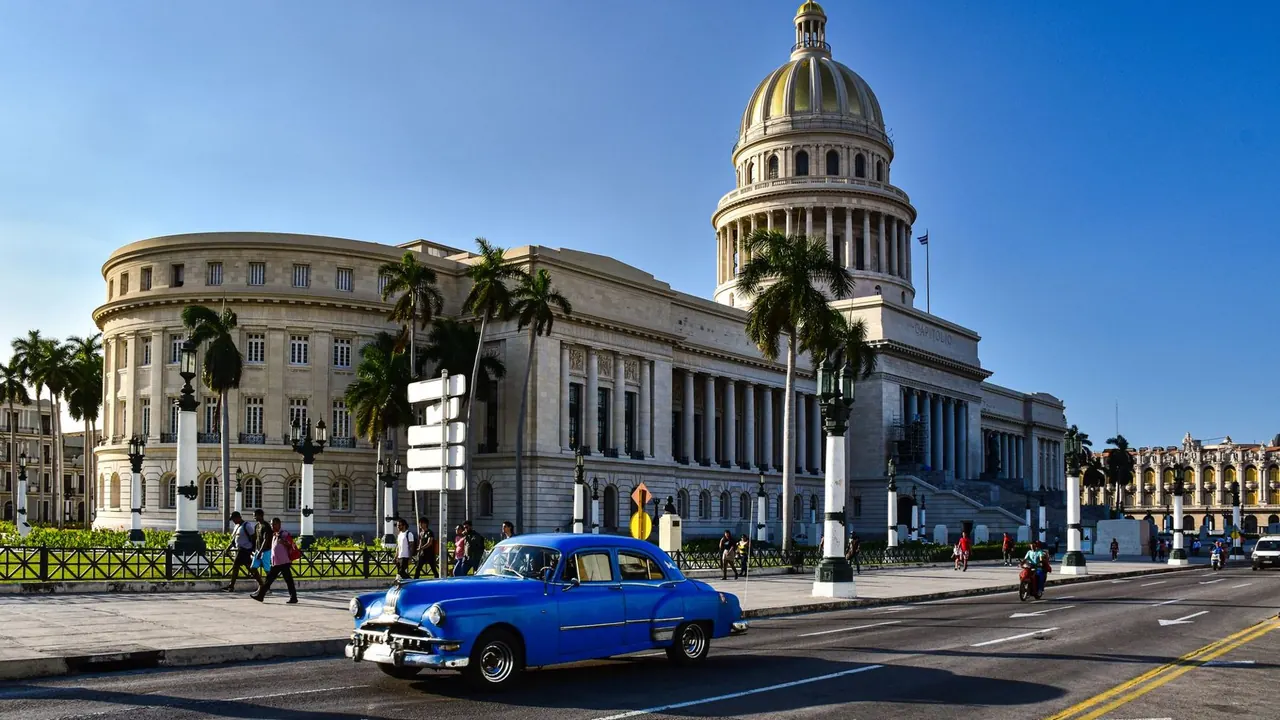
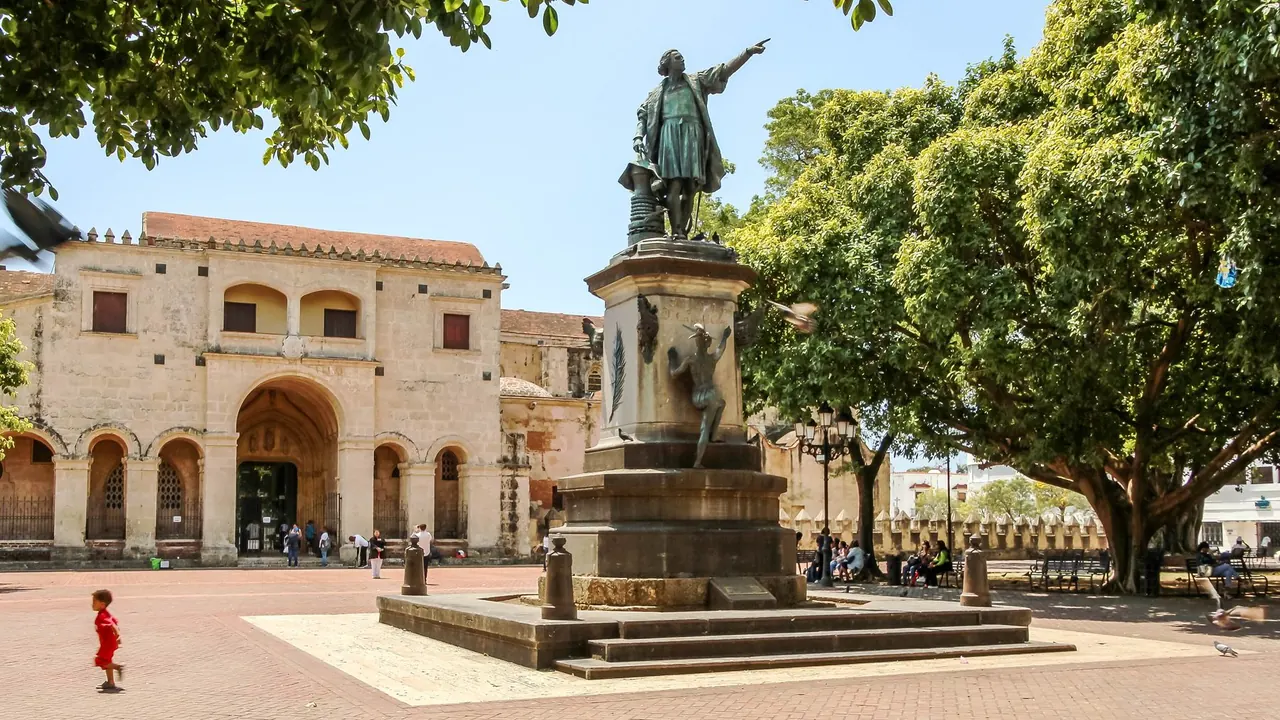
Photos: Havana by AXP Photography, Pexels License; Santo Domingo by Dr. Thomas Liptak, CC BY-SA 4.0, cropped.
Havana or Santo Domingo?
Our verdict in twelve categories, each scored against the same fixed benchmark cities, and the climate month by month, so you can choose for your trip.
Choose Havana for
- live music and the arts
- culture and sights
- beaches
Havana is the choice for travellers who want the city itself to be the event. Its old town of colonial squares, its art deco and mid-century streets and, above all, its music, live in bars, jazz clubs and the Gran Teatro, make for a trip spent walking, listening and staying out to dance. Come for the atmosphere and the rum, not the cooking or the shops.
Choose Santo Domingo for
- food and drink
- shopping
- prices
Santo Domingo makes more sense if eating, going out and spending carefully count for more than grand sights. It is cheaper day to day, its Creole cooking and street carts are better than Havana's, and weekend nights to merengue and bachata run late. The oldest colonial quarter in the Americas takes two or three days, which leaves time for the coast to the east.
Scoreboard
Twelve categories on one fixed scale from 0 to 100. The shaded stretch is the gap between the two.
Your match
Pick a travel style or drag the sliders, and both match scores follow your weighting.
Too close to call, 2 points apart
Wins on live music and the arts and culture and sights with your weighting.
Wins on food and drink and shopping with your weighting.
What matters to you?
Category by category
What the scores mean for a trip.
Beaches & swimming
Neither city swims from its centre, since both seafronts are rock and sea wall, so in each case the beach is a trip east. Havana has the edge: the Playas del Este, half an hour out, are a long string of white-sand strands like Santa María del Mar and Guanabo, with clear water.
Santo Domingo's Boca Chica is closer in feel to a big shallow pool, a reef-sheltered lagoon that is calm for wading but crowded at weekends, with quieter Juan Dolio a little further on. Its best white sand is much further along the coast.
Food & drink
Santo Domingo eats better. Its cheap lunchtime comedores, street carts selling yaniqueques and chimi burgers, and the Piantini and Naco kitchens reworking Creole dishes give more range and more ways to eat on the go.
In Havana the good meals are found in paladares in old mansions and on rooftops, while state restaurants are dull and menus depend on supplies. Its strength is the drink: daiquiris, mojitos and aged rum in the old bars.
Culture & sights
Havana offers more to look at. Habana Vieja is a whole grid of colonial squares and baroque churches, the Morro and La Cabaña guard the harbour, and Centro and Vedado add streets of art deco and mid-century buildings, with the Bellas Artes holding a fine Cuban collection.
Santo Domingo's Ciudad Colonial matters more as history than as a spectacle. Its first cathedral, first paved street and the Alcázar de Colón tell of Spain's earliest foothold in the Americas, but the core is compact and fully seen in two or three days.
Nightlife
Both cities go out to dance, but Santo Domingo gives a visitor more choice. The Colonial Zone has bars in old houses with crowds filling the plazas, Piantini and Naco have polished lounges and proper clubs, and the colmadón with its loud speakers and plastic chairs is the classic local night out.
Havana's nights centre on salsa clubs in Vedado and Miramar, old town bars and the Malecón as an open-air meeting place, with few real clubs. In both cities you will need taxis between districts.
Nature & outdoors
Both are flat, hot coastal capitals where serious hiking means leaving town. Santo Domingo has more green space inside the city, with the limestone cave lagoons of Los Tres Ojos, the botanical garden and the long wooded Parque Mirador Sur.
Havana has less inside the city beyond the Malecón and the Almendares park, but the forest trails and river pools of Las Terrazas are only about an hour away, closer than Los Haitises or Jarabacoa are to Santo Domingo.
Day trips
Santo Domingo has slightly more to fill a day out, mostly along the coast to the east: the hilltop village of Altos de Chavón, boats from Bayahibe to Saona island, and the sugar town of San Pedro de Macorís on the way.
From Havana the easy trips are short ones, such as Hemingway's Finca Vigía, Cojímar and Matanzas, plus Varadero's beaches. Viñales and Trinidad, the highlights of Cuba, are too far for a day and need a night away.
Good for families
Children are warmly welcomed in both. Santo Domingo is a little easier, with a zoo as well as an aquarium, the caves of Los Tres Ojos and the shallow lagoon at Boca Chica, one of the gentlest places for small swimmers.
Havana's treats are the Miramar aquarium, rides in classic cars or horse carriages, and the cannons at the fortresses. Baby supplies and medicines can be hard to find there, so it suits older children better than toddlers.
Getting around
For a visitor, Santo Domingo is slightly easier to get around. App-based taxis take you between the Colonial Zone, Piantini and the Malecón without any haggling, and the clean metro helps on the odd trip, even if its lines were built for commuters rather than sightseers. The catch is heavy traffic, and the guaguas are hard to work out.
Havana gives you more to cover on foot, since a walk along the Malecón joins Habana Vieja to Centro and Vedado. Further afield, though, every classic car, almendrón or coco-taxi ride means agreeing a fare before you set off, the buses are hard for a visitor to use, and uneven, badly lit streets call for care after dark.
Shopping & style
Santo Domingo is the better place to shop. Amber and blue larimar, a stone found only on this island, give it its own souvenirs, and Calle El Conde and the Mercado Modelo sell them. Large malls in Piantini and Naco cover fashion and international brands.
Havana has almost no fashion retail, and its shelves can be sparse. The best buys there are cigars, rum and the work of the artists' studios in Habana Vieja and Vedado.
Affordability
Santo Domingo is the cheaper and simpler city to budget for. Comedor lunches, colmado beer, street food and app taxis all cost little, and only the boutique hotels and Piantini restaurants push prices up.
Havana can be good value too if you stay in casas particulares with breakfast included and stick to shared taxis. State hotels and the better paladares charge foreigners much more, though, and since cards are unreliable you have to carry cash.
Live music & performing arts
This is where Havana pulls well clear. Son, salsa, bolero and rumba play from midday onwards in the plainest bars, jazz clubs in Vedado host top players, and the Gran Teatro is home to the Ballet Nacional de Cuba, a classical company with a world reputation.
Santo Domingo has its own music in merengue and bachata, and the Sunday evening concert in the San Francisco ruins is a lovely ritual. The Teatro Nacional's season is modest by comparison, and visitors tend to remember the dancing more than any stage.
Wellness & relaxation
Neither city has a spa or bathing tradition, and both are hot and noisy. In Havana, rest comes from slowing the pace in a rocking chair in a colonial courtyard or a quiet guesthouse in Vedado or Miramar.
In Santo Domingo, the international hotels along the Malecón have more complete spas, and the usual answer for real rest is to leave for a beach resort along the coast.
When should you go?
Pick your month. The climate figures are measured averages, not a forecast.
Havana in July
Santo Domingo in July
Daytime high, °C
Rainfall in the month, mm
Where the figures come from
Havana has no rain gauge within 25 km of the centre, so its rainfall comes from a gridded climate dataset read at the city rather than from a gauge further away.
Santo Domingo has no rain gauge within 25 km of the centre, so its rainfall comes from a gridded climate dataset read at the city rather than from a gauge further away.
Temperature and rainfall are climate normals, averaged over the years shown. Havana: 1991-2020 normals, Casa Blanca, La Habana (3.5 km from centre). Santo Domingo: 1991-2020 normals, Santo Domingo (6.4 km from centre).
Havana has a real winter season. From December to April the days sit around 27°C to 30°C with little rain, which is ideal for walking the old town, and the sea stays warm enough to swim. From May the heat and humidity build, June and September bring the heaviest downpours, and midday streets become hard going in summer, though the sea is at its warmest then, close to 30°C in August.
Santo Domingo is hotter all year, already near 30°C in January, so it never has a cool spell for sightseeing on foot. January to March is its driest stretch. The rainy season is longer and wetter than Havana's, running from May into November and peaking in August at around 235mm. The sea barely changes, staying warm for swimming in every month.
Which traveller are you?
On a culture and arts trip, Havana is the stronger pick. Its colonial squares, harbour fortresses and art deco streets give days more to see, and evenings bring the Ballet Nacional, Vedado's jazz players and son bands that play to a high standard everywhere.
For a food and nightlife trip, Santo Domingo suits better. Mangú at breakfast, sancocho and mofongo give each meal real Dominican character, and weekend nights move from plaza bars to packed merengue and bachata floors until well after midnight. Havana mostly wins only at the bar.
On a trip on a tight budget, Santo Domingo makes saving money easier. Ordinary local life is cheap without much planning, and plain guesthouses are fairly priced. In Havana, keeping costs down takes more care, since anything imported is dear and the comfortable options charge international rates.
Before you go
| Measure | Havana | Santo Domingo |
|---|---|---|
| Official language | Spanish | Spanish |
| Currency | Cuban Peso (CUP) | Dominican Peso (DOP) |
| Sockets | AB110 V, 60 Hz | AB110 V, 60 Hz |
| Driving side | Right | Right |
| Time zone | UTC-5, UTC-4 in summer | UTC-4 |
| Emergency number | Police 106, ambulance 104, fire 105 | 911 |
| Elevation | 59 m | 14 m |
| Main airport | José Martí International Airport (HAV)17 km from centre21 non-stop destinations | Las Américas International Airport (SDQ)28 km from centre40 non-stop destinations |
| Public holidays this year | 9 days | 13 days |
By the numbers
| Measure | Havana | Santo Domingo |
|---|---|---|
| City population | 2,492,618 | 2,201,941 |
| People per km² | 3,423 | 1,691 |
| Museums within 10 km | 12 | 10 |
| UNESCO World Heritage sites within 50 km | 1 | 1 |
| Swim season, months above 21 °C | 12 months | 12 months |
Where else could you go?
Every comparison below shares a destination with this one, so you can follow Havana or Santo Domingo somewhere new.