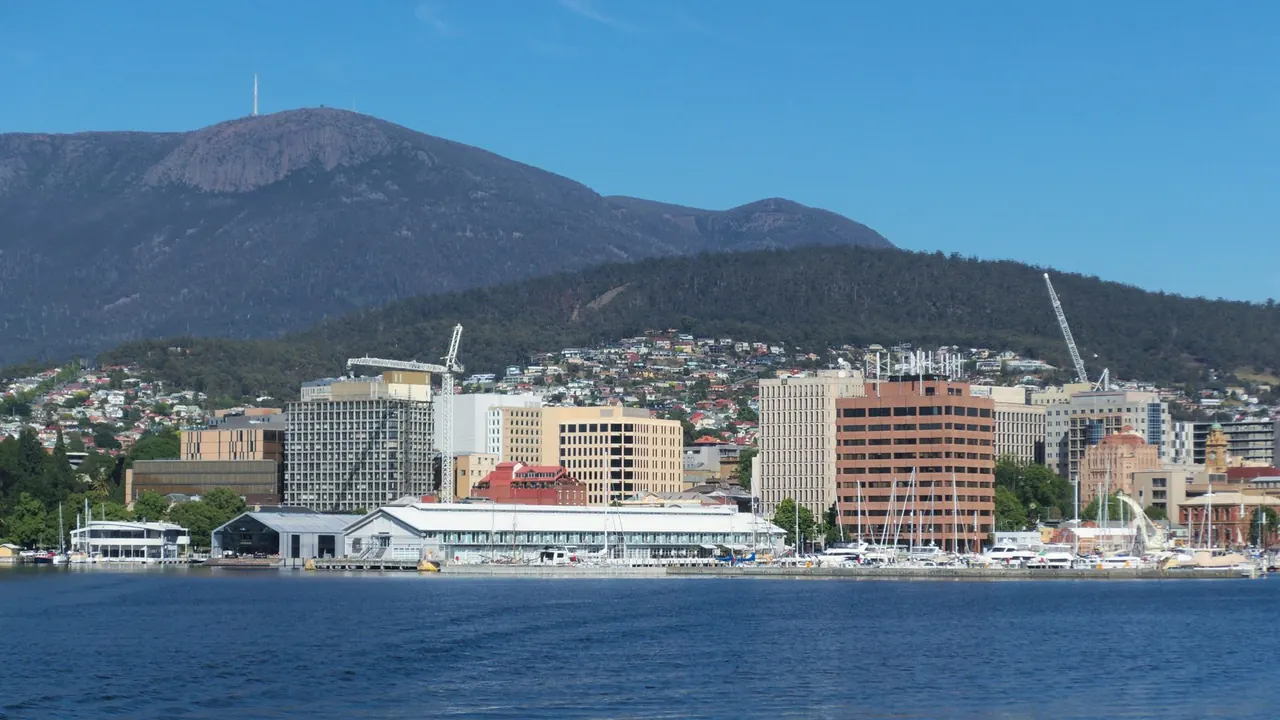
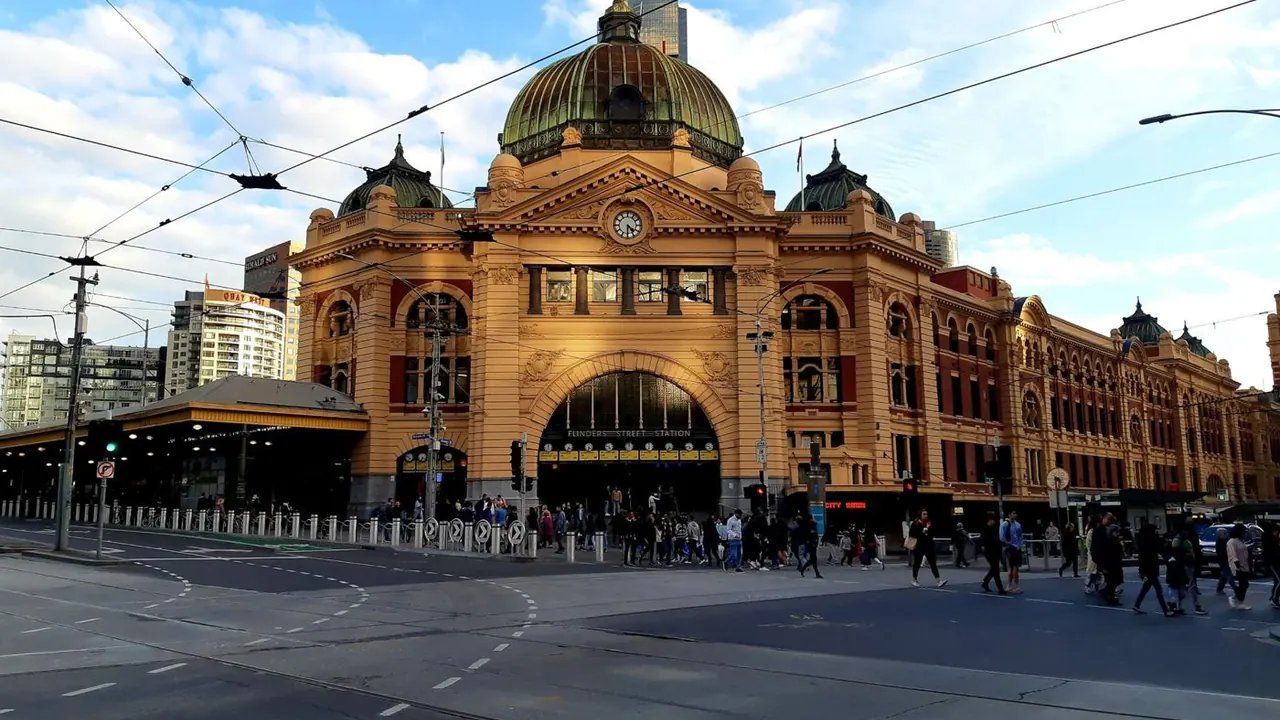
Photos: Hobart by Gary Houston, CC0; Melbourne by Medelam, CC BY-SA 4.0, cropped.
Hobart or Melbourne?
Our verdict in twelve categories, each scored against the same fixed benchmark cities, and the climate month by month, so you can choose for your trip.
Choose Hobart for
- nature and the outdoors
- prices
Hobart is the pick for travellers who want the wild outdoors close at hand and a quiet small city to come back to. kunanyi/Mount Wellington starts at the edge of town, and the Tasman Peninsula's sea cliffs, Bruny Island and the forests of Mount Field are all within a drive. The sandstone waterfront, MONA and the convict history make up the city side. Plan on hiring a car and having early evenings.
Choose Melbourne for
- nightlife
- shopping
- getting around
Melbourne suits people who want the city itself to be the trip. Its laneway bars, band rooms and wide range of cuisines keep evenings busy, Fitzroy and Collingwood are good for browsing, and the trams make getting around easy without a car. It also works better with children, has the bigger stage calendar, and its beaches are warmer, even if still brief.
Scoreboard
Twelve categories on one fixed scale from 0 to 100. The shaded stretch is the gap between the two.
Your match
Pick a travel style or drag the sliders, and both match scores follow your weighting.
Wins on nature and the outdoors and prices with your weighting.
Wins on nightlife and shopping with your weighting.
What matters to you?
Category by category
What the scores mean for a trip.
Beaches & swimming
Neither city is a swimming destination, but Melbourne gets more use out of its shore. St Kilda, Elwood and Brighton's bathing boxes are a tram or train ride from the centre, and Port Phillip Bay warms enough on hot days for a proper swim. The Mornington Peninsula has better sand within driving distance.
In Hobart, Sandy Bay, Kingston Beach and Seven Mile Beach are calm and pleasant, but the Derwent stays cold all summer. They are better for a walk along the sand or a quick, chilly dip.
Food & drink
Hobart's food is about the island's produce: oysters from the channel, salmon, scallop pies, summer cherries, and fish and chips from the punts at Constitution Dock, with pinot, sparkling wine and whisky to go with them. It is very good for a small city, but you will run out of options quickly and kitchens close early.
Melbourne offers much more choice. You can have Greek food on Lonsdale Street, Italian on Lygon Street, Vietnamese in Footscray and Richmond, and dumplings in Chinatown. Add the café brunch culture of Fitzroy and Brunswick and you can eat somewhere different every meal for a week.
Culture & sights
The two are roughly equal, but in different ways. Hobart's history is older and harsher: Georgian Battery Point, the Salamanca warehouses and the convict story at the Cascades Female Factory. Its one big sight is MONA, the strange, cliffside museum you reach by ferry up the river.
Melbourne's heritage is grand Victorian gold-rush architecture, including the Royal Exhibition Building, Flinders Street Station and the State Library. The National Gallery of Victoria offers a broader international collection than anything in Hobart. Either city takes two or three days to cover.
Nightlife
Melbourne is far stronger after dark. You can go up a stairwell to a hidden cocktail bar in the CBD, spend the night in the pubs along Smith and Brunswick streets, or head to the clubs on Chapel Street, and something is open most nights of the week.
In Hobart, a night out means a wine or whisky bar on Salamanca Place or a pub in North Hobart. It gets lively on weekends and around New Year, but quiet the rest of the time, so it suits dinner and a nightcap.
Nature & outdoors
This is where Hobart pulls ahead. The mountain rises directly behind the city, with fern gullies, the Organ Pipes and trails down to town. Within a couple of hours you can reach the southern hemisphere's highest sea cliffs, Bruny Island's penguins and white wallabies, and the edge of the southwest wilderness.
Melbourne has plenty too, but it is flatter and further away: the Royal Botanic Gardens and Yarra trail in town, the mountain ash forest of the Dandenongs an hour east, and Phillip Island's penguin parade and the surf coast at Torquay further out.
Day trips
Both have a good set of day trips, built around different themes. From Hobart, they lean towards history and the countryside: the convict ruins at Port Arthur, Richmond's old bridge, cider in the Huon Valley and oysters on Bruny Island. Almost all of them need a car.
From Melbourne, the main trips are to wine country in the Yarra Valley and the gold-rush towns of Ballarat and Bendigo, which you can reach by regional train. Daylesford adds spa towns to the options.
Good for families
Melbourne has more to keep children busy. There are two zoos, including the open-range one at Werribee, Healesville's platypus and koalas, Scienceworks and Sea Life for wet days, Luna Park in St Kilda and the Puffing Billy steam train. Flat streets and trams make pushing a pram easy.
Hobart is calm and safe, and the wildlife sanctuaries where children can meet Tasmanian devils are a real highlight. Beyond those and the museum, though, family days depend on forest walks and having a car, which suits older children best.
Getting around
Melbourne is much easier without a car. The central grid is flat, trams are free in the CBD, and the network reaches St Kilda, Fitzroy and Carlton, with regional trains out to Ballarat and Bendigo. You only need a car for the Yarra Valley or Phillip Island.
Hobart's centre is small enough to walk, though the streets climb steeply from the water. Beyond the buses and the MONA ferry, most visitors end up hiring a car, because the mountain, Port Arthur and the national parks are hard to reach otherwise.
Shopping & style
A shopping trip means something quite different in each place. In Hobart it centres on Saturday morning at Salamanca Market, working your way along the stalls on the sandstone waterfront, with the craft galleries in the old warehouses open on other days. What you take home is distinctly Tasmanian: a bowl turned from Huon pine, a piece of local glass, a knitted jumper, a bottle of gin or single malt. For clothes, the CBD malls cover the basics and not much more.
Melbourne gives you far more ground to cover, and much of the pleasure is in wandering. You can look up at the glass roofs and down at the mosaic floors of the old arcades, find small record and design shops tucked into the laneways, and come across weekend craft and design markets in the inner suburbs. Shoppers here leave with clothes by local designers, homewares and records rather than souvenirs, and Queen Victoria Market takes care of the gifts.
Affordability
Both cities are expensive, and neither will suit a tight budget. Hobart's rooms cost a little less, but car hire and fuel usually cancel out the saving.
Melbourne's main savings come from the free tram zone, free entry to major galleries and cheap food in Footscray and Chinatown. In Hobart, it is market food, self-catering with local produce and free walks on the mountain.
Live music & performing arts
Melbourne has much more to see on any given night. The Arts Centre is home to the symphony orchestra and the Australian Ballet and stages opera. The Regent and Her Majesty's put on big musicals, the band rooms of Fitzroy and St Kilda have gigs most nights, and the autumn Comedy Festival fills venues across the centre.
Hobart's stages are fewer but special: the Theatre Royal is Australia's oldest working playhouse, the Tasmanian Symphony Orchestra plays on the waterfront, and the MONA festivals bring experimental music and performance, even in midwinter.
Wellness & relaxation
Hobart relaxes you mostly through its slow pace: quiet mornings by the water, the Botanical Gardens and clean air. It has only a handful of day spas, and serious retreats are out in the countryside.
Melbourne offers more ways to unwind: the sea baths at St Kilda and Brighton with saunas by the bay, plenty of day spas, and the mineral springs of Daylesford and Hepburn Springs or the Mornington Peninsula's hot pools within a day's outing.
When should you go?
Pick your month. The climate figures are measured averages, not a forecast.
Hobart in July
Melbourne in July
Daytime high, °C
Rainfall in the month, mm
Temperature and rainfall are climate normals, averaged over the years shown. Hobart: 1991-2020 normals, Hobart (2.3 km from centre). Melbourne: 1991-2020 normals, Latrobe University / Kingsbury (13.1 km from centre).
Both cities are at their best from December to March, but Melbourne's summer is clearly warmer. Its highs reach about 27°C in January and February, warm enough for a swim in the bay, which gets to around 21°C. Hobart peaks nearer 23°C in January with cooler water, so its summer is for walking and sightseeing rather than swimming. Both get plenty of sunshine through midsummer.
Neither city has a real rainy season. Rain is spread fairly evenly through the year. Hobart gets its wettest weather in late winter and early spring, and Melbourne gets more showers in November and December. Winter is cool in both, with daytime highs in the low teens from June to August. It is fine for walking around the city, but you will need warm layers, especially in Hobart, where the mountain can get snow. Autumn months like March and April are a mild compromise in either city.
Which traveller are you?
On a food and nightlife trip, Melbourne is the obvious choice. It has Greek, Italian, Vietnamese and Chinese neighbourhoods, a serious coffee culture and laneway bars that are busy most nights. Hobart eats well from its own produce but goes quiet early.
For an outdoors trip, choose Hobart. You can hike or ride a mountain bike on kunanyi/Mount Wellington from the city, the Three Capes walk and the Tasman Peninsula's sea cliffs are nearby, and Bruny Island has wildlife. Melbourne's Dandenongs and coast are good, but they are further away and less wild.
On a shopping trip, Melbourne has far more. There are Victorian arcades off Collins Street, luxury labels and department stores, and independent designers and vintage shops in Fitzroy and on Chapel Street. In Hobart, shopping mostly means Salamanca Market and Tasmanian crafts.
Before you go
| Measure | Hobart | Melbourne |
|---|---|---|
| Official language | English | English |
| Currency | Australian Dollar (AUD) | Australian Dollar (AUD) |
| Sockets | I230 V, 50 Hz | I230 V, 50 Hz |
| Driving side | Left | Left |
| Time zone | UTC+10, UTC+11 in summer | UTC+10, UTC+11 in summer |
| Emergency number | 000 | 000 |
| Elevation | 54 m | 31 m |
| Main airport | Hobart International Airport (HBA)17 km from centre9 non-stop destinations | Melbourne Airport (MEL)19 km from centre69 non-stop destinations |
| Public holidays this year | 9 days | 13 days |
By the numbers
| Measure | Hobart | Melbourne |
|---|---|---|
| City population | 197,451 | 5,350,705 |
| People per km² | 116 | 535 |
| Museums within 10 km | 8 | 43 |
| UNESCO World Heritage sites within 50 km | 1 | 1 |
| Swim season, months above 21 °C | None | None |
Where else could you go?
Every comparison below shares a destination with this one, so you can follow Hobart or Melbourne somewhere new.