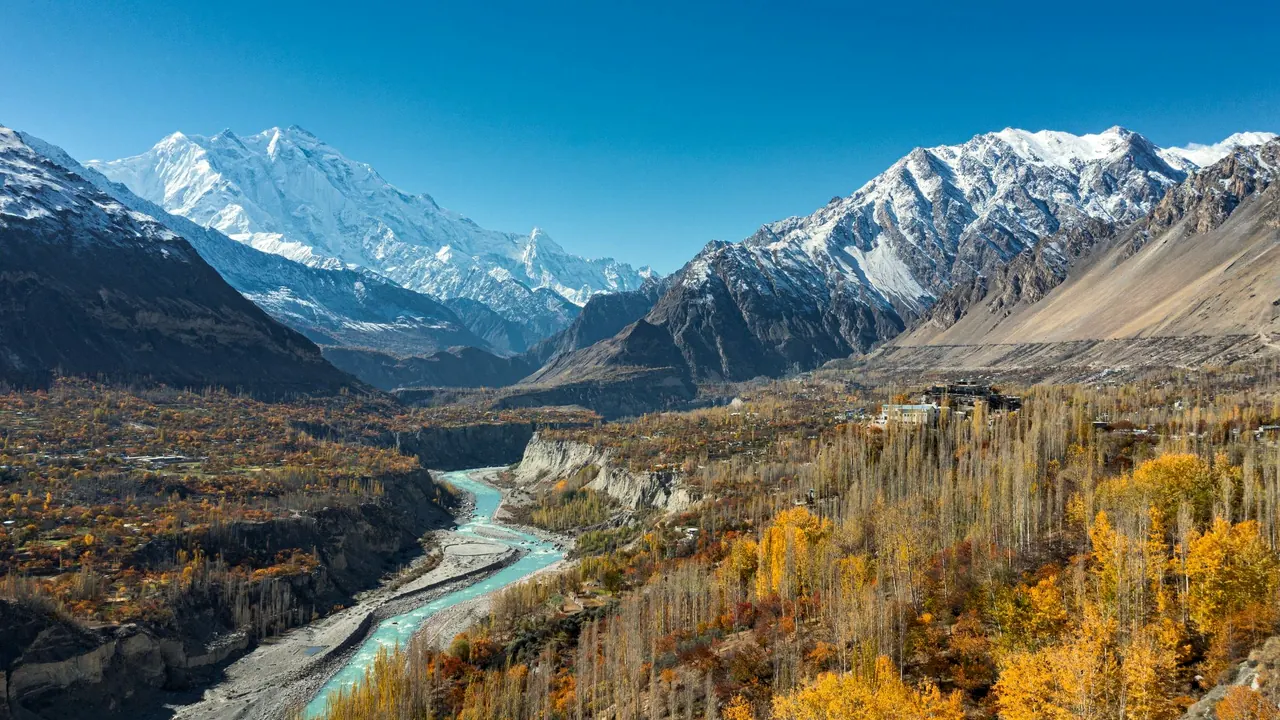
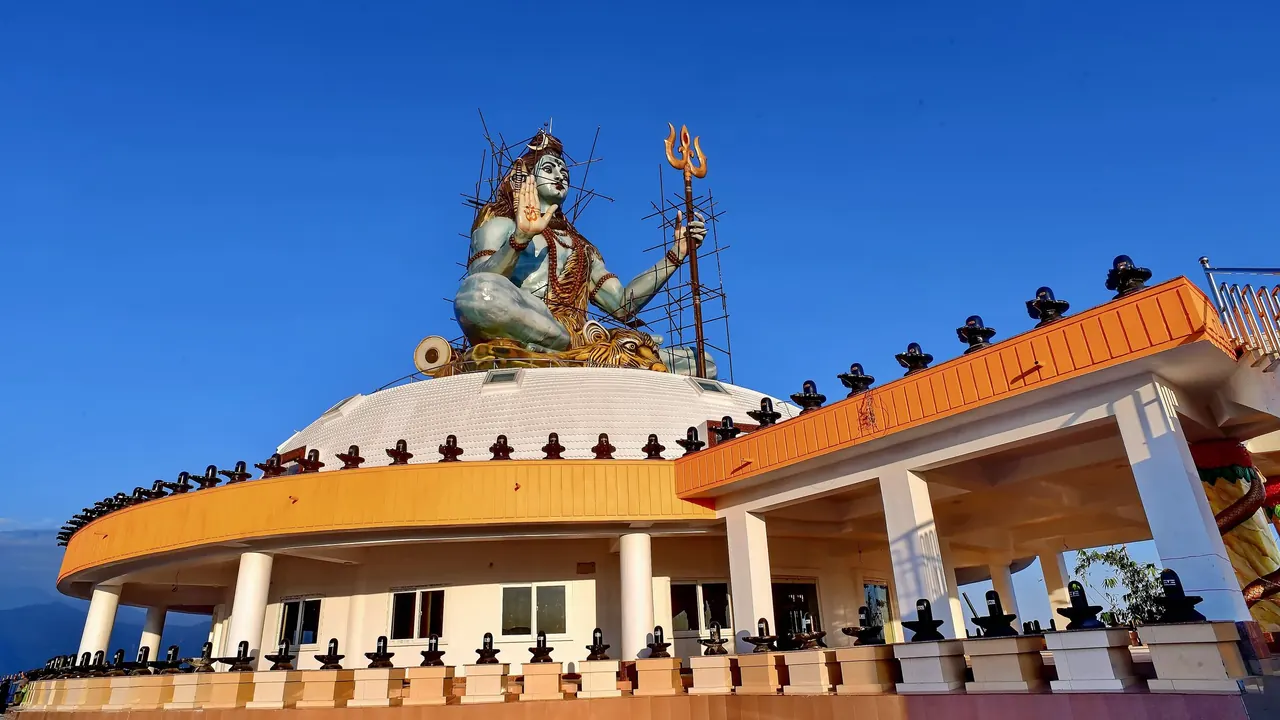
Photos: Hunza Valley by Wasif Mehmood, Pexels License; Pokhara by Rajesh Dhungana, CC BY-SA 4.0, cropped.
Hunza Valley or Pokhara?
Our verdict in twelve categories, each scored against the same fixed benchmark cities, and the climate month by month, so you can choose for your trip.
Choose Hunza Valley for
- culture and sights
- day trips
Hunza Valley suits travellers who want high mountains with real history attached and don't mind some effort to get there. The forts at Baltit and Altit, the stone lanes of Ganish and the carvings on the Sacred Rock give it a heritage Pokhara can't match. The villages along the Karakoram Highway also make for more varied outings. The price is an unreliable flight or two days on the road, quiet evenings without alcohol, and very little comfort laid on.
Choose Pokhara for
- nightlife
- wellness
- getting around
Pokhara is the easier and more sociable base. Guesthouses, cafés, boat jetties and bars along Lakeside are all a short, flat walk apart, and the Annapurna trailheads are an hour or two away. Yoga retreats and massage places make it a natural spot to recover after a trek. It is the cheaper of two cheap places and gentler with children, but its own sights are thin and most of the town around the lake is modern.
Scoreboard
Twelve categories on one fixed scale from 0 to 100. The shaded stretch is the gap between the two.
Your match
Pick a travel style or drag the sliders, and both match scores follow your weighting.
Wins on culture and sights and day trips with your weighting.
Wins on nightlife and wellness with your weighting.
What matters to you?
Category by category
What the scores mean for a trip.
Beaches & swimming
Neither place is for swimmers, and both lakes are for boating. Attabad Lake in Hunza is a striking turquoise but fed by glaciers and cold even in midsummer, so people see it from a boat or the shore.
Pokhara has the slight edge. Phewa Lake is for paddling about in painted wooden boats rather than swimming off Lakeside, but quieter shores and Begnas Lake allow the odd warm dip. In both places, a hotel pool is the realistic option.
Food & drink
The two are close, but the food differs in kind. Hunza's kitchen is small and local, built on its own terraces. Expect apricots in everything, chapshoro meat pies, sprouted-wheat diram fitti with apricot oil, and walnut cakes in the Karimabad cafés. There is little else, and no open alcohol.
Pokhara offers more choice and less character. The Lakeside menus are made for hungry trekkers, from pizza to curries, while the meals worth finding are Thakali dal bhat, momos and grilled buffalo away from the lake. Beer and lazy breakfasts with a mountain view come easily.
Culture & sights
Hunza has the more rewarding heritage. Baltit Fort, the old seat of the Mirs, looks down on Karimabad with Rakaposhi behind it, and Altit Fort is older still. Ganish survives as a lived-in village with a watchtower and wooden mosques, and the Sacred Rock records travellers on the old mountain routes.
Pokhara's sights fill a day or two without defining the trip: the island temple of Tal Barahi, the Peace Pagoda on the ridge, and a few Newar shopfronts in the old bazaar. Its strengths are the International Mountain Museum and the Gurkha Museum, a kind of indoor background on climbing and soldiering that Hunza doesn't have.
Nightlife
In Hunza Valley the day ends with the meal. You eat where you are staying, talk with the family or other guests for an hour, and go to bed early, ready for a clear morning on the terraces. Alcohol has no public place in the valley. That suits walkers, photographers and anyone glad to be offline, but a traveller who likes to go out will run out of ideas by the second night.
Pokhara gives you a choice of where to spend the evening. You can have a beer by the water, listen to a live band or end up dancing with people you met on the trail. It is still a small-town scene that winds down around midnight, good for a sociable end to an active day rather than a trip built around going out.
Nature & outdoors
Both are among the great mountain settings, so the difference is in what you do there. Hunza is the rawer and more remote of the two. Passu Cones and Batura Glacier, long suspension bridges over the river, and ibex and Marco Polo sheep in Khunjerab National Park reward walkers who take a local guide, since marked trails and rescue are thin.
Pokhara puts the Annapurnas and Machhapuchhre straight above a lakeside town and adds organised adventure. You can watch the sunrise from Sarangkot, paraglide off the same ridge or kayak on Phewa. Well-trodden routes to Poon Hill, Ghandruk and Annapurna Base Camp start an hour or two away.
Day trips
Hunza has more to fill a day out. The villages along the Karakoram Highway each have their own character. Nagar leads up to Hopper's glacier, Gulmit has its old wooden mosque, and Passu has its bridges. Gilgit, two hours south, adds bazaars and the carved Kargah Buddha, and the long drive towards the Khunjerab Pass makes a road-trip day.
From Pokhara, the hilltop Newar town of Bandipur is the one easy outing. The Gurung villages are usually reached on a trek, and Gorkha and Tansen work better as overnight stops.
Good for families
Pokhara is the gentler choice with children. The lakeside is flat and quiet, rowing boats are easy to hire, and the caves, waterfall and mountain museum suit a half day. Older children can paraglide in tandem if they meet the limits.
Hunza is safe and welcoming, and teenagers will enjoy the swaying bridges and boat trips on Attabad. However, the long journey in, the steep lanes at around 2,500m and the basic medical care make it hard going with small children. Both places suit outdoor-minded teenagers best.
Getting around
Getting into Hunza is the hard part, whereas Pokhara's Lakeside is flat and easy to walk. Flights from Islamabad to Gilgit are often cancelled when cloud sits over the mountains, the road takes the better part of two days, and landslides sometimes close it. Once you arrive, Karimabad is walkable but steep, and outings to Passu or Nagar mean hiring a car or jeep with a driver.
In Pokhara, the guesthouses, cafés and boat jetties are a short walk or bicycle ride apart along the shore. Taxis, rented scooters and hired drivers cover Sarangkot and the trailheads, though the roads out of town are rough and slow.
Shopping & style
Pokhara offers more to buy. Lakeside's trekking shops sell or rent jackets, boots and poles, and craft shops stock pashmina, singing bowls and thangkas. In the Tibetan settlements on the edge of town you can buy carpets and visit the workshops where they're woven.
Hunza's bazaar below Baltit Fort is a pleasant afternoon at most. It sells embroidered Hunza caps, wool shawls, gemstones and mineral specimens from the mountains, and bags of dried apricots and mulberries to take home.
Affordability
Both are very cheap by international standards, and Pokhara is cheaper still. Lakeside guesthouses with mountain views, dal bhat lunches, taxis and boat hire all cost little, and the money goes on paragliding, guided treks and Annapurna permits.
In Hunza, rooms and home-cooked meals are inexpensive too. The costs come from the journey in and from hiring a car and driver for each outing. The best hotels with views also charge more in summer and autumn.
Live music & performing arts
Neither has a stage worth planning around, and the music you can hear differs in kind. In Hunza it is the real thing but only now and then: drums, rubab and shawm at a village celebration, with men dancing in lines, or a group arranged for guests in the evening.
Pokhara offers more regular but more staged entertainment: cover bands in the Lakeside bars and Gurung and Magar dances at dinner shows put on for visitors.
Wellness & relaxation
Pokhara is the better place to rest and be looked after. Yoga and meditation retreats on the quieter hillsides range from drop-in classes to residential courses, and Nepali and Ayurvedic massage is easy to find in town, though spas outside the resort hotels are simple.
Hunza offers only its pace: cool summer air, orchard afternoons and terrace mornings facing the peaks. It is good for switching off but has no spas, baths or treatments.
When should you go?
Pick your month. The climate figures are measured averages, not a forecast.
Hunza Valley in July
Pokhara in July
Daytime high, °C
Rainfall in the month, mm
Where the figures come from
Hunza Valley has no weather station within reach, so its figures come from a gridded climate model rather than a measured record, and read a broad area rather than one spot.
Pokhara has no weather station within reach, so its figures come from a gridded climate model rather than a measured record, and read a broad area rather than one spot.
Temperature and rainfall are climate normals, averaged over the years shown. Hunza Valley: 1991-2020 normals, TerraClimate 4 km grid at the town, no weather station within 90 km. Pokhara: 1991-2020 normals, TerraClimate 4 km grid at the town, no weather station within 90 km.
The two climates fit together almost perfectly. Around Karimabad, Hunza is dry all year and the seasons are about temperature. April and May are mild, with blossom in April. Summer days reach about 31°C in July, warm enough for slow afternoons but fine for walking. September and October are clear and turn the valley gold. From November the cold sets in, January highs are near 4°C, and the higher routes become unreliable.
Pokhara is the opposite. The monsoon runs from June to September, bringing about 674mm in July and hiding the mountains for days at a time. October and November have the clearest skies and comfortable days. The winter months stay mild at around 19°C, good for walking around the lake. By April and May it is hot and hazy, and the rhododendrons are out. In practice that means Hunza from late spring to autumn and Pokhara from autumn through early spring.
Which traveller are you?
On a culture and arts trip, Hunza Valley is the better choice. Its history still stands where it happened, as the seat of a mountain kingdom and a stop on the old routes over the passes, and you see it within its living villages. Pokhara's history is mostly in its museums.
For a relaxing and wellness trip, choose Pokhara. Hunza gives clean air and calm orchards, but no treatments at all. In Pokhara, yoga and meditation retreats line the quieter hillsides, massage for sore legs is easy to find, and lakeside mornings are slow.
On a food and nightlife trip, Pokhara comes out ahead, mostly once it gets dark. At the table the two are close, because Hunza's apricot cooking is as memorable as Pokhara's dal bhat and momos. But Hunza's evenings end over tea, while Lakeside's bars keep going until around midnight.
Before you go
| Measure | Hunza Valley | Pokhara |
|---|---|---|
| Official language | Urdu, English | Nepali |
| Currency | Pakistan Rupee (PKR) | Nepalese Rupee (NPR) |
| Sockets | CGM230 V, 50 Hz | CM230 V, 50 Hz |
| Driving side | Left | Left |
| Time zone | UTC+5 | UTC+5:45 |
| Emergency number | Police 15, ambulance 1122, fire 16 | Police 100, ambulance 102, fire 101 |
| Elevation | - | 900 m |
| Main airport | Gilgit Airport (GIL)1 non-stop destination | Pokhara International Airport (PHH)4 km from centre9 non-stop destinations |
By the numbers
| Measure | Hunza Valley | Pokhara |
|---|---|---|
| Population | - | 353,841 |
| People per km² | - | 762 |
| Museums within 10 km | - | 2 |
| UNESCO World Heritage sites within 50 km | - | 0 |
Where else could you go?
Every comparison below shares a destination with this one, so you can follow Hunza Valley or Pokhara somewhere new.
- Kathmanduvs Pokhara
- Kashmirvs Hunza Valley
- Varanasivs Pokhara
- Ladakhvs Hunza Valley
- Darjeelingvs Pokhara
- Himachal Pradeshvs Hunza Valley