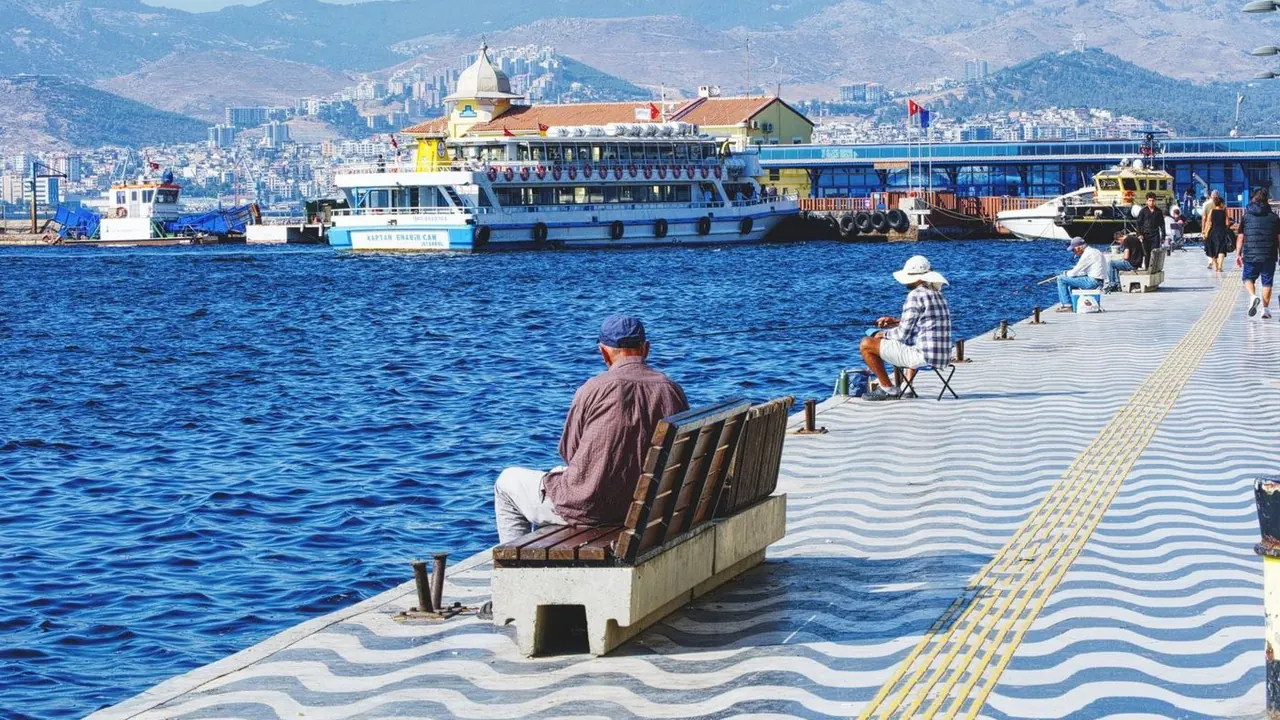
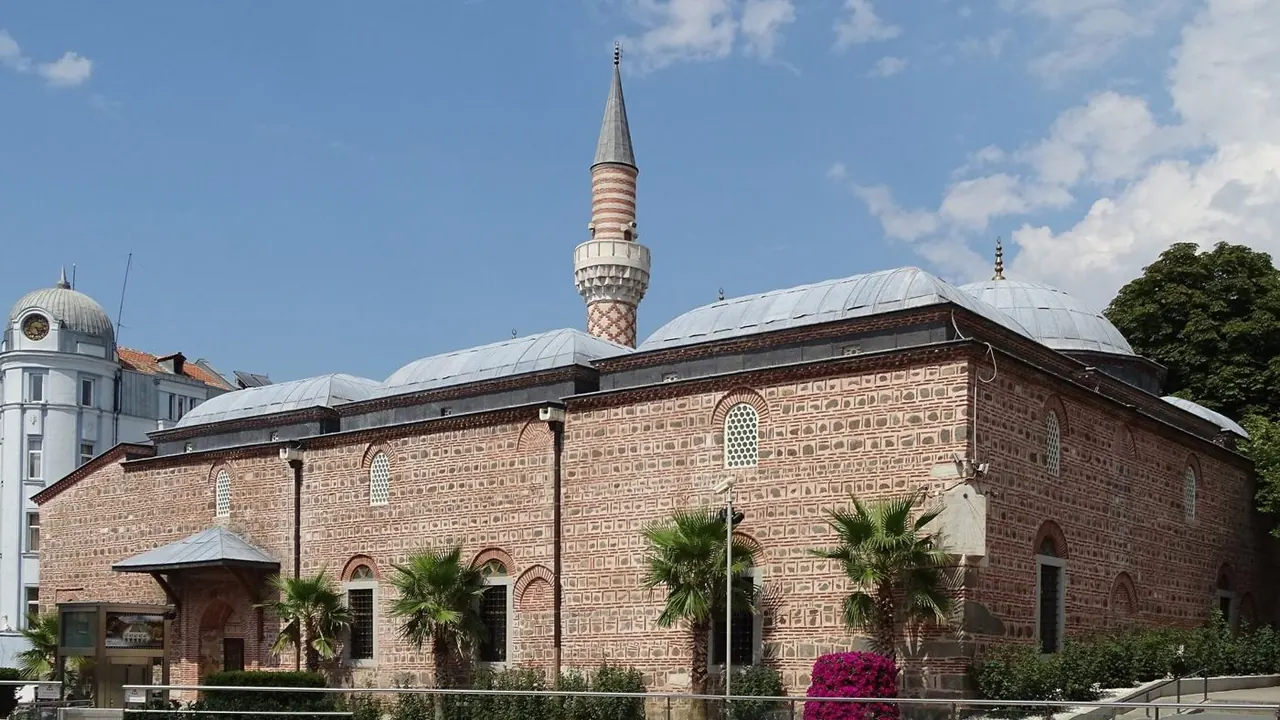
Photos: Izmir by Toygar Par, Pexels License; Plovdiv by Ad Meskens, CC BY-SA 4.0, cropped.
Izmir or Plovdiv?
Our verdict in twelve categories, each scored against the same fixed benchmark cities, and the climate month by month, so you can choose for your trip.
Choose Izmir for
- beaches
- food and drink
- shopping
Izmir suits the traveller who wants the Aegean in the trip: beach days on the Cesme peninsula, long meze dinners by the water, evenings out in Alsancak, and a run of famous ancient sites within reach. It is the bigger, livelier and more varied choice, best for a week or more with a hire car for the coast and the ruins.
Choose Plovdiv for
- prices
- culture and sights
- nature and the outdoors
Plovdiv is the better pick for someone who wants history close at hand and a slower pace for less money. Its Roman theatre, stadium and painted Revival houses lie within walking distance of each other, the wine is local and cheap, and two or three unhurried days cover the city before heading out to the Rhodopes or the monasteries.
Scoreboard
Twelve categories on one fixed scale from 0 to 100. The shaded stretch is the gap between the two.
Your match
Pick a travel style or drag the sliders, and both match scores follow your weighting.
Wins on beaches and food and drink with your weighting.
Wins on prices and culture and sights with your weighting.
What matters to you?
Category by category
What the scores mean for a trip.
Beaches & swimming
This is the widest gap between the two. Izmir's own waterfront is not for swimming, but an hour west the Cesme peninsula offers the shallow sand of Ilica and clearer coves around Altinkum, with long family beaches at Gumuldur and Ozdere to the south, so beach days are easy outings.
Plovdiv lies on the Thracian plain about 250km from the Black Sea. Cooling off there means the rowing canal, outdoor pools or a Rhodope reservoir, and anyone who wants the sea has to plan separate days on the coast.
Food & drink
Izmir eats better and with more range. Its Aegean cooking of olive oil, wild greens and fish comes to the table as long meze spreads with raki, and the street food is distinctive, from boyoz and gevrek to the kumru sandwich. Kemeraltı's market lanes and the seafood places of Alsancak give plenty of choice.
Plovdiv keeps to hearty Bulgarian dishes such as kavarma, kebapche and banitsa, served in Old Town mehanas or the bistros of Kapana. Its strong suit is Thracian wine, Mavrud and Rubin above all, though Urla's vineyards mean Izmir has local wine too.
Culture & sights
Plovdiv has the richer set of sights, and more of them survive. The Roman theatre in the hillside, the stadium under the main street, and the mosaics in the two basilicas sit just below an Old Town of painted National Revival merchant houses, and all of it is close enough to see on foot.
Izmir lost much of its old fabric in the fire of 1922, so it is a modern city with good fragments: the Roman Agora, Kadifekale above the gulf, the Clock Tower on Konak Square and the hans of Kemeraltı. Its greatest antiquities lie outside the city rather than in it.
Nightlife
Izmir goes out more and later. Drinks on the Kordon at sunset lead into Alsancak's packed back streets of bars, pubs and rock bars, and in summer the bigger nights move west to the beach clubs of Alaçatı and Çeşme.
Plovdiv's evenings are smaller and gentler, centred on the craft beer and wine bars of Kapana with a few clubs along the river. A night there usually ends over a glass of local red rather than on a dance floor.
Nature & outdoors
Both are good for getting outdoors, but in opposite settings. Izmir's outdoors means the coast: the gulf promenade, flamingos in the Gediz Delta, the cliffs and olive groves of Karaburun, and some of the Mediterranean's best windsurfing and kitesurfing at Alaçatı.
Plovdiv looks to the mountains. The Rhodopes begin about 20km away with forested gorges and trails, the Central Balkan range offers higher hiking, and the city's own rocky hills give short climbs. Both have skiing within reach, at Bozdağ and Pamporovo.
Day trips
Izmir has the stronger set of outings, because it sits among some of the great sites of the ancient world. Ephesus is an hour away by train, Pergamon and Sardis about two hours, and Priene, Miletus and Didyma make a full day by car, with Alaçatı, Şirince and Old Foça for lighter days.
Plovdiv is a fine base for central Bulgaria, with Bachkovo Monastery half an hour away and the Thracian tombs of Kazanlak, the Valley of Roses and Koprivshtitsa further out. Both cities really need a hire car for most of these trips.
Good for families
Izmir gives children more to do. The Sasalı Wildlife Park, the fun fair in Kultürpark, ferry rides across the bay and the shallow sandy water at Ilica make for easy days, and the flat Kordon is good for scooters.
Plovdiv is welcoming but has less aimed at children: the singing fountains in the Tsar Simeon Garden, Lauta park and the playgrounds by the rowing canal. Its steep, polished Old Town cobbles are hard work with a pushchair.
Getting around
Both are easy, in different ways. Izmir is a long city wrapped round its gulf, so it relies on a network of metro, İZBAN suburban trains, trams, buses and the bay ferries on one card, with a flat walk from Konak to Alsancak at its heart.
Plovdiv is small enough that a visitor barely needs transport. The long car-free main street links the station side, Kapana, the Roman ruins and the Old Town, and taxis cover the rest.
Shopping & style
Izmir is the better place to shop. Kemeraltı is a working bazaar quarter of lanes and old hans selling copperware, leather, spices and olive oil soaps to locals, and Alsancak and the malls add fashion and Turkish chains.
Plovdiv's shopping is mostly high-street chains on the main street, with more character in Kapana's small design studios and the antique stalls on the climb to the Old Town. Rose oil cosmetics and embroidery are its typical buys.
Affordability
Izmir is fair value rather than cheap. Mid-range hotels in the city are reasonably priced, and one transport card covering the metro, trams and bay ferries keeps getting about inexpensive. The costs rise when the trip moves to the coast: in summer the Cesme peninsula charges resort rates for rooms and meals, so a week split between city and beach costs far more than a week in the city alone.
Plovdiv comes out cheaper on almost every count, and it has no resort season to inflate the bill. Rooms in the historic centre cost less than their equivalents in Izmir, the compact centre means you hardly spend anything on transport, and the painted museum houses of the Old Town charge only small fees. The money you save in town can go on a hire car for the Rhodopes or the wine estates of the plain.
Live music & performing arts
Both scenes are modest and mostly in the local language, with Izmir slightly fuller. It has a state opera and ballet in the historic Elhamra, a symphony orchestra and the long-running International Izmir Festival, which puts concerts in the ancient theatre at Ephesus, plus live music in Alsancak bars.
Plovdiv's best moment is a summer night of opera or concerts in its own Roman theatre, in the middle of town. Its opera, philharmonic and jazz festival fill the rest of the year.
Wellness & relaxation
Izmir has bathing on its doorstep. The Balçova springs, known in antiquity as the Baths of Agamemnon, feed thermal pools on the city's edge, Ilıca has warm springs near the shore, and old hammams in Kemeraltı still offer a scrub and steam.
Plovdiv has no thermal baths of its own, so a proper soak means a trip to Hisarya or Velingrad. Its calm comes from aylyak, the local art of taking things slowly over coffee under the plane trees.
When should you go?
Pick your month. The climate figures are measured averages, not a forecast.
Izmir in July
Plovdiv in July
Daytime high, °C
Rainfall in the month, mm
Where the figures come from
Plovdiv has no rain gauge within 25 km of the centre, so its rainfall comes from a gridded climate dataset read at the city rather than from a gauge further away.
Plovdiv's sunshine is measured 75 km from the centre, at Kurdjali.
Temperature and rainfall are climate normals, averaged over the years shown. Izmir: 1991-2020 normals, Izmir (3.4 km from centre). Plovdiv: 1997-2020 (sunshine 1991-2020, rainfall 1991-2020) normals, Plovdiv (1.2 km from centre).
Izmir has a classic Aegean year. From June to September it is dry and very sunny, and the sea warms to about 24°C by August, so that is the time for the beach. July and August reach 34°C, which makes midday walking hard work. Spring and autumn are the comfortable months for the streets and the ruins. Winter is mild but wet, with December the rainiest month.
Plovdiv is inland and runs to greater extremes. Its summers are a little less fierce, but January highs of only 5°C make winter cold and grey, while rain falls fairly evenly all year rather than in a single wet season. May, June and September are the most pleasant months, warm enough for evenings outside in Kapana. Izmir stays the milder of the two from autumn through to spring.
Which traveller are you?
For a beach and sun trip, Izmir is the clear choice. The sandy shallows at Ilica and the coves of the Cesme peninsula lie about an hour away, while Plovdiv is hours from any sea and offers only pools and reservoirs.
On a food and nightlife trip, Izmir offers more. Aegean meze, grilled fish and street breakfasts of boyoz lead into bar-lined Alsancak lanes and summer beach clubs at Alaçatı, against Plovdiv's smaller Kapana scene and its narrow choice of cooking.
On a trip with a tight budget, Plovdiv stretches money further. Guesthouses, mehana meals with local wine and taxis cost little, and the ruins along the main street are free to see, whereas Izmir's seafood dinners, alcohol and Ephesus fees add up.
Before you go
| Measure | Izmir | Plovdiv |
|---|---|---|
| Official language | Turkish | Bulgarian |
| Currency | Turkish Lira (TRY) | Euro (EUR) |
| Sockets | CF230 V, 50 Hz | CF230 V, 50 Hz |
| Driving side | Right | Right |
| Time zone | UTC+3 | UTC+2, UTC+3 in summer |
| Emergency number | 112 | 112 |
| Elevation | 2 m | 172 m |
| Main airport | Adnan Menderes International Airport (ADB)13 km from centre120 non-stop destinations | Plovdiv International Airport (PDV)12 km from centre8 non-stop destinations |
| Public holidays this year | 14 days | 15 days |
By the numbers
| Measure | Izmir | Plovdiv |
|---|---|---|
| City population | 4,493,242 | 333,994 |
| People per km² | 4,760 | 3,274 |
| Museums within 10 km | 29 | 18 |
| UNESCO World Heritage sites within 50 km | 0 | 0 |
| Swim season, months above 21 °C | 5 months | - |
Where else could you go?
Every comparison below shares a destination with this one, so you can follow Izmir or Plovdiv somewhere new.