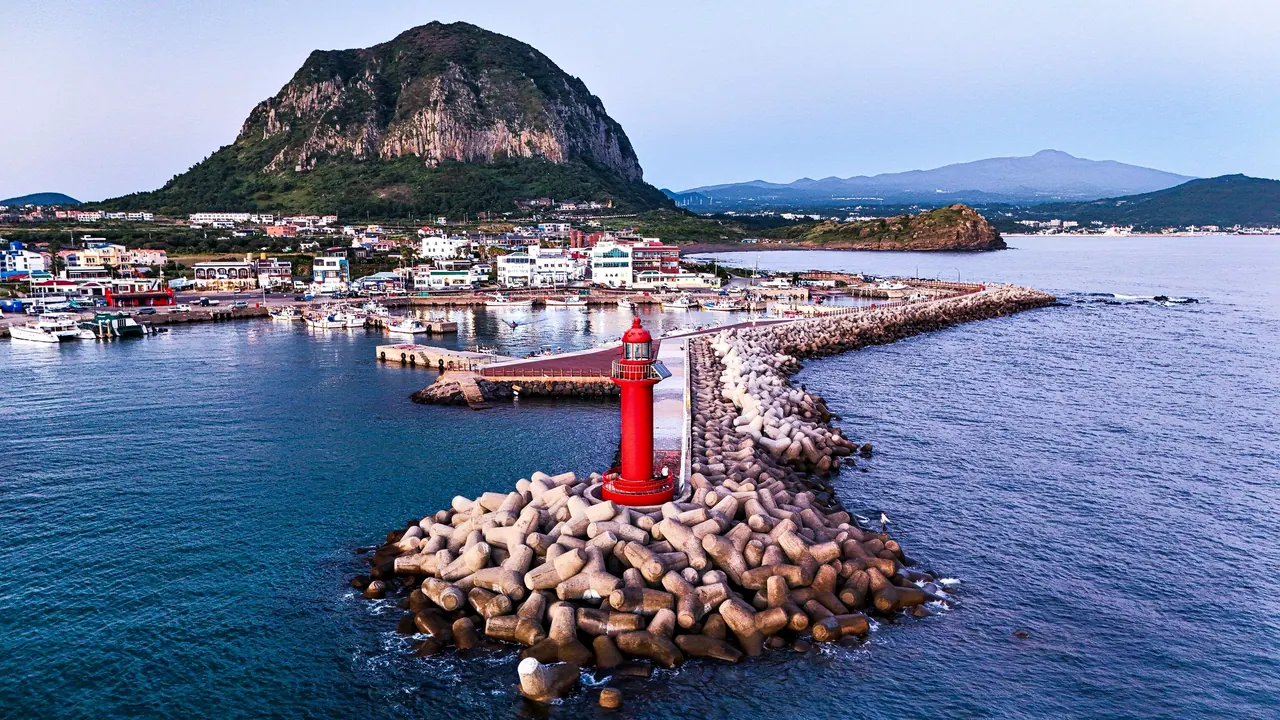
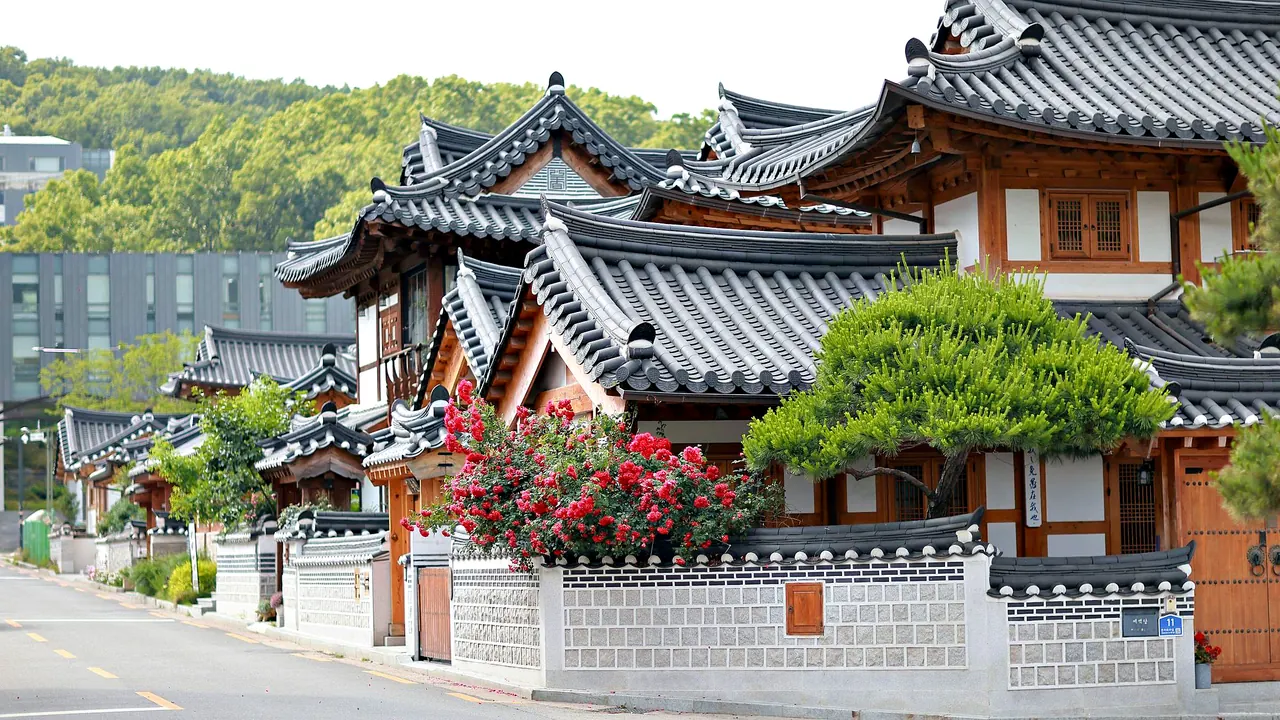
Photos: Jeju by Nuhyil Ahammed, Pexels License; Seoul by 거열 박, Pexels License.
Jeju or Seoul?
Our verdict in twelve categories, each scored against the same fixed benchmark cities, and the climate month by month, so you can choose for your trip.
Choose Jeju for
- beaches
- nature and the outdoors
Jeju suits a slower trip built around the outdoors: a hire car, white-sand coves on the northwest coast, a day climbing Hallasan and evenings that end soon after dinner. It is the better choice for a summer beach vacation and for anyone who would rather spend the days on volcanic landscapes and coastal trails than on sights and streets. In return you accept thin nightlife, shopping and culture.
Choose Seoul for
- nightlife
- live music and the arts
- shopping
For a city trip with depth, Seoul is the stronger pick. The Joseon palaces and the National Museum, late nights in Hongdae and Itaewon, serious shopping and food from market stalls to fine dining are all linked by one excellent subway. It also does more for families, and it easily wins on day trips. What it can't give you is a swimming beach.
Scoreboard
Twelve categories on one fixed scale from 0 to 100. The shaded stretch is the gap between the two.
Your match
Pick a travel style or drag the sliders, and both match scores follow your weighting.
Wins on beaches and nature and the outdoors with your weighting.
Wins on nightlife and live music and the arts with your weighting.
What matters to you?
Category by category
What the scores mean for a trip.
Beaches & swimming
Jeju is the place to swim, and the biggest difference is the water itself. Its bays are clear and shallow, set against dark lava rock, and each part of the coast feels different: sheltered coves in the east, Iho Taewoo as the town beach for Jeju City, and bigger waves along the longer stretch at Jungmun. The catch is the short summer season, when Korean families fill the sand and jellyfish appear in some years.
Seoul's sea is the Yellow Sea west of Incheon, at Eurwangni, Muuido and Ganghwa. The water there is cloudy, and the huge tides often leave it far out across the mud, so these beaches suit a summer outing better than a swim. Locals cool off in the open-air pools of the Han River parks instead. If you're based in Seoul and want proper beaches, you'll need a separate trip to the east coast or Busan.
Food & drink
Seoul has the wider and deeper table. Everyday eating means barbecue, stone-pot stews, cold noodles and fried chicken with beer, followed by late soju at tented stalls. Gwangjang and Mangwon markets are made for grazing, and above all this sit modern Korean fine dining and temple cuisine.
Jeju's cooking is narrower but more its own: black pork grilled over charcoal, abalone porridge and sea urchin soup from the haenyeo divers, and gogi-guksu for lunch. Dongmun Market is the place to eat well, but good restaurants are often a drive apart and there is little beyond Korean food.
Culture & sights
Seoul can fill a full cultural itinerary. It has Gyeongbokgung and the other Joseon palaces, Changdeokgung's secret garden and the Jongmyo shrine on the UNESCO list, the hanok lanes of Bukchon and one of Asia's great museum collections.
Jeju's heritage is quieter and bound up with island life. Seongeup Folk Village, the Haenyeo Museum and the 4.3 Peace Park are worth seeing, but they fit between outdoor days rather than filling a trip, and many of the island's museums are novelties.
Nightlife
The gap here is wide. Seoul stays out until the first trains, with indie clubs and buskers in Hongdae, cocktail bars in Itaewon, big dressed-up clubs in Gangnam and karaoke rooms on almost any group night out.
On Jeju, going out means the Korean pubs and few clubs of Nohyeong and Sinjeju in Jeju City, or the Tapdong seafront on summer evenings. Elsewhere on the island an evening is a long dinner or a beer on the sand.
Nature & outdoors
Jeju comes out ahead because the whole island is the landscape. It is a UNESCO-listed volcano with a crater lake on top of Hallasan, hundreds of grassy oreum, the sunrise cone of Seongsan Ilchulbong and a lava tube. The Olle trails run round the coast past basalt columns and waterfalls that drop into the sea, and divers find soft corals off Seogwipo.
Seoul's outdoors is unusually good for a capital. The granite ridges of Bukhansan National Park are a subway ride away, and cycle paths run for many kilometres along the Han River. Still, this is hiking from a big city, not an island made for it.
Day trips
Seoul is the better base for outings. Suwon's Hwaseong Fortress is about an hour away, the DMZ can be visited on organised tours, and KTX trains reach Jeonju's hanok quarter in about two hours.
From Jeju the choices are mostly ferries to smaller islands: Udo for a bike ride, Gapado's barley fields and Marado at Korea's southern tip. After those and a day in the other main town the list runs out, because the mainland is a flight away.
Good for families
Both welcome children, but Seoul gives them more to do. Lotte World is in the city, and Everland with its safari is an hour south. Aquariums, science centres and Han River playgrounds fill the other days, all reached by a subway with lifts.
Jeju's appeal for families is gentler: shallow, sheltered water at Hamdeok and Hyeopjae, horse riding, picking your own tangerines in winter and easy oreum climbs. The downsides are long drives between sights and a lot of novelty museums that are better skipped.
Getting around
In Seoul you never need a car. One tap-on card covers a clean, punctual subway, signed in English, that reaches the palaces, the nightlife districts and the trailheads. The city's size does mean long rides across the river.
Jeju is the opposite. The island takes about an hour to cross, and most visitors hire a car, which needs an international driving permit. Express buses link the two towns, but services thin out along the coast.
Shopping & style
Seoul is worth visiting for its shopping alone. There are Myeongdong's skincare shops, Dongdaemun's all-night fashion malls, designer stores in Seongsu and Hannam-dong, and celadon and hanji paper in Insadong.
Shopping on Jeju is mostly duty-free cosmetics, market stalls selling dried fish and tangerine sweets, and a few coastal craft studios with basalt pieces and ceramics. It is fine for gifts but not a reason to go.
Affordability
Overall costs are much the same, but the money goes in different places. In Seoul the cheap subway and market meals offset hotels priced like those in other big Asian cities, especially in Myeongdong and Gangnam.
On Jeju, small pensions, noodle shops and the free coastal trails keep spending down. A hire car adds to the bill, though, and resort rooms at Jungmun cost more in July and August. Avoiding summer and the Lunar New Year and Chuseok weeks makes the island noticeably cheaper.
Live music & performing arts
Seoul has the stage life. The Seoul Philharmonic, opera and ballet play at the Seoul Arts Center and the Sejong Center, and the National Gugak Center stages court music. There are indie bands in Hongdae and jazz bars in Itaewon and Seochon, though most of the plays in Daehangno are in Korean.
Jeju offers little beyond occasional concerts at its arts centres, a few dinner shows for tourists, and haenyeo work songs and shaman rituals at folk festivals.
Wellness & relaxation
Seoul has the deeper bathing culture. Its jjimjilbang range from neighbourhood baths to multi-storey complexes open around the clock, with scrubs by an attendant, and there are also Korean skincare spas and temple stays. Calm in the city has to be found in pockets, such as the palace gardens and the teahouses of Insadong.
On Jeju the relaxation comes from the island itself: cedar forests, villages behind stone walls and long café stops facing the sea. Add the hotel spas at Jungmun and a rare carbonated spring near Sanbangsan. The interior and the east coast are quietest in spring and autumn.
When should you go?
Pick your month. The climate figures are measured averages, not a forecast.
Jeju in July
Seoul in July
Daytime high, °C
Rainfall in the month, mm
Temperature and rainfall are climate normals, averaged over the years shown. Jeju: 1991-2020 normals, Cheju (1.9 km from centre). Seoul: 1991-2020 normals, Seoul (2.2 km from centre).
Jeju is the milder of the two in winter, with highs around 9°C in January while Seoul hovers just above freezing. Jeju's winter skies are much greyer, though, and Seoul's are bright and dry. Spring and autumn are the best times for walking in both places: April, May and October are comfortable on Jeju's trails and in Seoul's palace lanes alike.
Summer splits them. On Jeju the sea is warm enough to swim from July to September and reaches about 27°C in August, but these are also the island's wettest months, with 281mm in August. Seoul's monsoon is heavier still, with 422mm in July, and the hot, sticky weeks of July and August make long days on foot in the city hard going.
Which traveller are you?
On a beach and sun trip, Jeju is the clear choice. Hyeopjae and Geumneung have white sand and shallow turquoise water, and the sea stays warm from July to September. Seoul's nearest beaches are tidal mudflats an hour or more away.
For a food and nightlife trip, Seoul wins by a distance. Dinner moves from barbecue and soju to fried chicken and a late pub, and Hongdae, Itaewon and Euljiro are still full at 3am. Jeju has superb black pork but goes quiet early.
On a culture and arts trip, Seoul has far more to fill the days: five Joseon palaces, the National Museum of Korea, court music at the Gugak Center and the theatres of Daehangno. Jeju's folk village and haenyeo museum are good stops between outdoor days.
Before you go
| Measure | Jeju | Seoul |
|---|---|---|
| Official language | Korean, Korean Sign Language | Korean, Korean Sign Language |
| Currency | Won (KRW) | Won (KRW) |
| Sockets | CF220 V, 60 Hz | CF220 V, 60 Hz |
| Driving side | Right | Right |
| Time zone | UTC+9 | UTC+9 |
| Emergency number | Police 112, ambulance 119, fire 119 | Police 112, ambulance 119, fire 119 |
| Elevation | - | 38 m |
| Main airport | Jeju International Airport (CJU)39 non-stop destinations | Incheon International Airport (ICN)49 km from centre164 non-stop destinations |
| Public holidays this year | 18 days | 18 days |
By the numbers
| Measure | Jeju | Seoul |
|---|---|---|
| Population | 583,284 | 9,668,465 |
| People per km² | 316 | 15,973 |
| Museums within 10 km | - | 81 |
| UNESCO World Heritage sites within 50 km | - | 5 |
| Swim season, months above 21 °C | 4 months | 2 months |
Where else could you go?
Every comparison below shares a destination with this one, so you can follow Jeju or Seoul somewhere new.