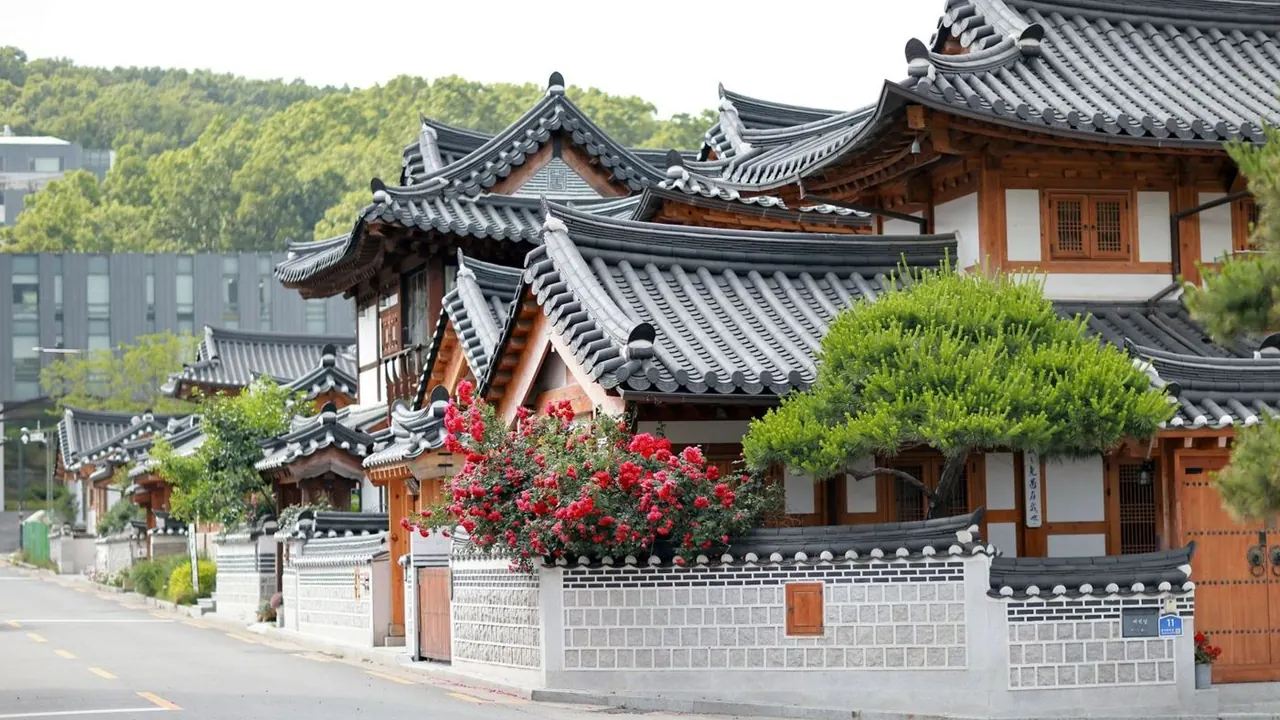
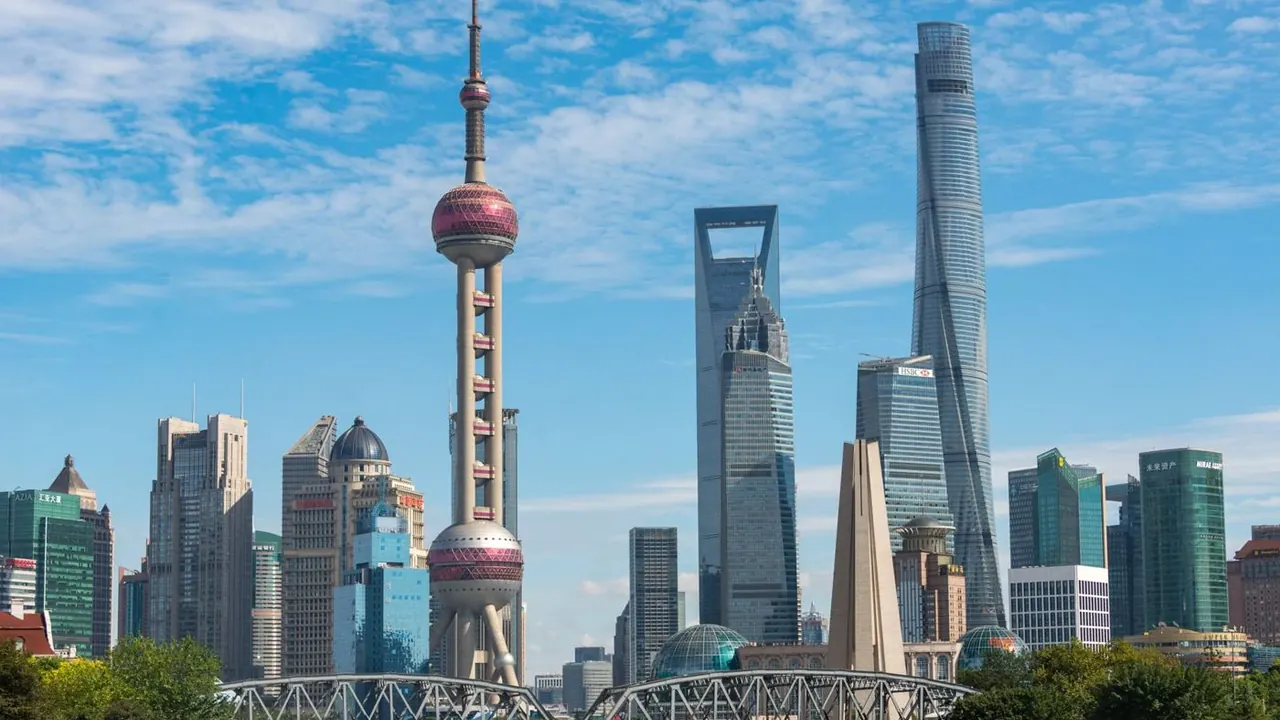
Photos: Seoul by 거열 박, Pexels License; Shanghai by xiquinhosilva, CC BY 2.0, cropped.
Seoul or Shanghai?
Our verdict in twelve categories, each scored against the same fixed benchmark cities, and the climate month by month, so you can choose for your trip.
Choose Seoul for
- nature and the outdoors
- wellness
- beaches
Seoul suits travellers who want a big city with the outdoors built in. Granite ridges and trails start at subway stops, the Joseon palaces give it an older royal heritage at its core, and the round-the-clock bathhouses make rest part of daily life. It is the better pick if you like to hike in the morning, soak in the afternoon and eat barbecue late at night.
Choose Shanghai for
- day trips
- prices
- food and drink
Shanghai is the stronger base for anyone who wants to see a wider region. Suzhou's gardens, Hangzhou's West Lake and the delta canal towns are only a short train ride away, and the city's food draws on every part of China. Its treaty-port waterfront, its cocktail bars and its milder winters make it a good choice for a trip built around eating, drinking and fast rail outings.
Scoreboard
Twelve categories on one fixed scale from 0 to 100. The shaded stretch is the gap between the two.
Your match
Pick a travel style or drag the sliders, and both match scores follow your weighting.
Wins on nature and the outdoors and wellness with your weighting.
Wins on day trips and prices with your weighting.
What matters to you?
Category by category
What the scores mean for a trip.
Beaches & swimming
Neither city is a place to swim, but Seoul at least has real sand within about an hour. That means the Yellow Sea beaches at Eurwangni and on Muuido, even if the tide pulls back over mudflats, and in high summer the Han River parks open big outdoor pools.
Shanghai's shoreline is the silty mouth of the Yangtze. Its one beach is the walled, filtered bay at Jinshan in an industrial setting, so for most visitors swimming means the hotel pool. In both cities a proper beach means a separate trip, to Busan or the east coast from Seoul, or to Hainan from Shanghai.
Food & drink
Both are outstanding places to eat, with very different tables. In Seoul you grill pork belly at the table and work through spreads of side dishes, then end the night with soju at a tented stall. Gwangjang Market is the classic food market, and the coffee shops of Seongsu and Yeonnam-dong are part of the experience.
Shanghai's own cooking is sweeter and soy-rich: soup dumplings, shengjian buns, red-braised pork and hairy crab in autumn. Its real edge is range, because the whole of China's regional cooking is on offer, from Sichuan to Xinjiang, along with a deeper international scene than Seoul's.
Culture & sights
The sights are evenly matched but come from different centuries. Seoul's heritage is royal and Korean: the Joseon palaces of Gyeongbokgung and Changdeokgung, the Jongmyo shrine, the hanok lanes of Bukchon and the Fortress Wall over the hills. The National Museum of Korea anchors it all.
Shanghai's defining heritage is its treaty-port era. You get the neoclassical and Art Deco Bund facing the Lujiazui towers, and the plane-tree streets and shikumen lane houses of the former French Concession. The Shanghai Museum's bronzes and ceramics are superb, but apart from Yu Garden and a few temples, the classical Chinese past lies outside the city.
Nightlife
A night in Seoul is a run of rounds, while a night in Shanghai is built around the cocktail. In Seoul you move from barbecue and soju to fried chicken and beer, then on to a small pub, and a group usually ends up in a private karaoke room. Hongdae's clubs and street buskers keep going until the first trains. Itaewon is the most international district, and much of the rest of the bar scene leans towards Korean-speaking crowds.
Shanghai's best evenings are in speakeasies behind unmarked doors in the former French Concession, or in hotel bars above the Bund looking across at the lit-up Pudong skyline. Its techno and house rooms run until dawn at weekends, and a foreign visitor will find the scene easier to slip into. Drinks in the smarter places cost as much as in a Western capital, though.
Nature & outdoors
Here the two are far apart. Seoul is ringed by mountains, Bukhansan National Park lies inside the city limits with granite ridges reached by subway and bus, and Inwangsan or Bugaksan give short climbs with views over the palaces. The Han River's parks and cycle paths add easy outdoor days, and Gangwon's forests are within two hours.
Shanghai sits on the flat Yangtze delta. Its outdoors means Century Park, riverside running paths, the low Sheshan hills and the Dongtan wetlands on Chongming Island for birdwatchers. Real hiking country, such as Moganshan, takes more than a day.
Day trips
Seoul has good outings: Suwon's walled Hwaseong Fortress, the DMZ on an organised tour, and Jeonju's hanok quarter about two hours away by KTX. Gyeongju, the most rewarding historic city, really needs an overnight stay.
Shanghai is in another league as a base. High-speed trains reach Suzhou's gardens in about half an hour and Hangzhou's West Lake in about an hour, and imperial Nanjing is not much further. The canal towns of Zhujiajiao, Tongli and Wuzhen add a string of easy days, best on weekdays.
Good for families
Both work equally well with children, with their big parks and the same warmth towards families. Seoul has Lotte World in the city and Everland with its safari an hour south, as well as playgrounds along the Han. Shanghai counters with Disney Resort on the metro, plus Legoland and a hands-on science museum. In both, the summers are the hardest time with small children. Seoul's crowds peak at weekends, while Shanghai's peak in the national travel weeks around Chinese New Year and early October.
Getting around
Seoul runs on a single tap-on card that covers subway, bus and taxi. Shanghai runs on your phone, because cash is rarely used and mobile payments need setting up before you arrive. Seoul's subway reaches everything from the palaces to the hiking trailheads, but Korean map apps work far better than international ones. Away from the old palace quarter, wide roads and underground passages break up walks.
Shanghai's metro is one of the largest in the world and runs out to the airports and Disneyland. The Maglev from Pudong and cheap ferries across the Huangpu are useful extras, and the Bund and the former French Concession are its best areas on foot. In either city a cross-town trip often takes 30 to 45 minutes, so it pays to stay near the area you will use most.
Shopping & style
Both are major shopping cities, and the real difference is what you bring home. Seoul is the place for Korean skincare and cosmetics, which fill Myeongdong shop after shop, and for fast, trend-led clothing. That runs from the young labels in the concept stores of Seongsu and Hannam-dong to Dongdaemun's wholesale malls, which trade through the night. Insadong covers traditional crafts, and the underground malls at Gangnam and COEX can fill a wet afternoon.
Shanghai suits a slower kind of shopping. Seoul sells whatever is new this season, but in Shanghai a stay of a few days is enough to have a suit or a qipao made to measure at the fabric markets. The small shops of the former French Concession lean towards Chinese design and ceramics rather than beauty. Both cities have luxury flagships, in Cheongdam-dong in Seoul and along West Nanjing Road in Shanghai. Take more care in Shanghai's souvenir lanes around Yu Garden, where fakes are mixed in with the tea and silk.
Affordability
Costs are much the same, mid-range for a big Asian capital, with hotels taking the largest share in both. Shanghai has a slight edge for anyone eating locally, since breakfast stalls, dumplings and noodle bowls cost very little and many museums are free.
Seoul's casual meals and palace entry are good value too, but imported goods and fruit can be surprisingly expensive. In Shanghai, the cost jumps sharply once you move to cocktails and Western restaurants.
Live music & performing arts
The two are close, but Shanghai is easier for a visitor to use. Its acrobatics shows need no language, and the city is a home of Kunqu, Yue and Peking opera, with the Yifu Theatre dating from the 1920s. Touring musicals are often in English, and the jazz scene goes back to the 1930s.
Seoul's draws are traditional court music at the National Gugak Center and the indie clubs and street buskers of Hongdae. Most of the Daehangno theatre district performs in Korean, and K-pop tickets are hard to get.
Wellness & relaxation
Seoul is clearly the better place to unwind. The jjimjilbang is part of everyday life, with hot and cold pools, a scrub by an attendant, heated jade and salt rooms, and whole families sleeping over. Temple stays at city monasteries add a quieter option.
Shanghai has its own large bath centres and foot-massage parlours, but they are harder for outsiders to find their way into. Its calm comes instead from tea houses, temple courtyards, morning tai chi in the parks and acupuncture at Chinese medicine clinics.
When should you go?
Pick your month. The climate figures are measured averages, not a forecast.
Seoul in July
Shanghai in July
Daytime high, °C
Rainfall in the month, mm
Temperature and rainfall are climate normals, averaged over the years shown. Seoul: 1991-2020 normals, Seoul (2.2 km from centre). Shanghai: 1991-2020 normals, Shanghai / Hongqiao (8.1 km from centre).
Seoul has the sharper seasons. Winters are properly cold, with January highs around 2°C, and the monsoon peaks in July at about 422mm, so the best months are April to early June and late September to early November. Those are also its sunniest months. Shanghai's winter is milder, near 9°C in January, so sightseeing works there in winter when Seoul is freezing. Its summer is harder going, though: July and August reach about 33°C with heavy humidity.
Shanghai's rain comes in two bursts, the June plum rains and an August peak near 216mm. That makes April, May, October and November its most comfortable months. The sea warms more off Shanghai in late summer, but neither coast is good for a beach day, so plan either city around walking weather rather than swimming.
Which traveller are you?
For an outdoors trip, Seoul is the clear choice. Bukhansan's peaks and the shorter climbs on Inwangsan are reached by subway, and the Han River has cycle paths running for many kilometres. Flat Shanghai offers parks, and its real hills are more than a day's travel away.
On a relaxing and wellness trip, Seoul again comes out ahead. Its jjimjilbang bathhouses, with scrubs, heated clay and salt rooms and overnight lounging, are everywhere and easy for visitors to use. Temple stays add quiet. Shanghai's bath centres exist but are less visible to outsiders.
For a culture and arts trip that reaches beyond one city, choose Shanghai. The Bund and the Shanghai Museum match Seoul's palaces, and classical gardens in Suzhou, West Lake in Hangzhou and Ming-era Nanjing are all close by fast train. Chinese opera and acrobatics fill the evenings.
Before you go
| Measure | Seoul | Shanghai |
|---|---|---|
| Official language | Korean, Korean Sign Language | Putonghua |
| Currency | Won (KRW) | Yuan Renminbi (CNY) |
| Sockets | CF220 V, 60 Hz | ACI220 V, 50 Hz |
| Driving side | Right | Right |
| Time zone | UTC+9 | UTC+8 |
| Emergency number | Police 112, ambulance 119, fire 119 | Police 110, ambulance 120, fire 119 |
| Elevation | 38 m | 4 m |
| Main airport | Incheon International Airport (ICN)49 km from centre162 non-stop destinations | Shanghai Pudong International Airport (PVG)33 km from centre207 non-stop destinations |
| Public holidays this year | 18 days | 6 days |
By the numbers
| Measure | Seoul | Shanghai |
|---|---|---|
| City population | 9,668,465 | 24,870,895 |
| People per km² | 15,973 | 3,922 |
| Museums within 10 km | 81 | 45 |
| UNESCO World Heritage sites within 50 km | 5 | 0 |
| Swim season, months above 21 °C | 2 months | 5 months |
Where else could you go?
Every comparison below shares a destination with this one, so you can follow Seoul or Shanghai somewhere new.