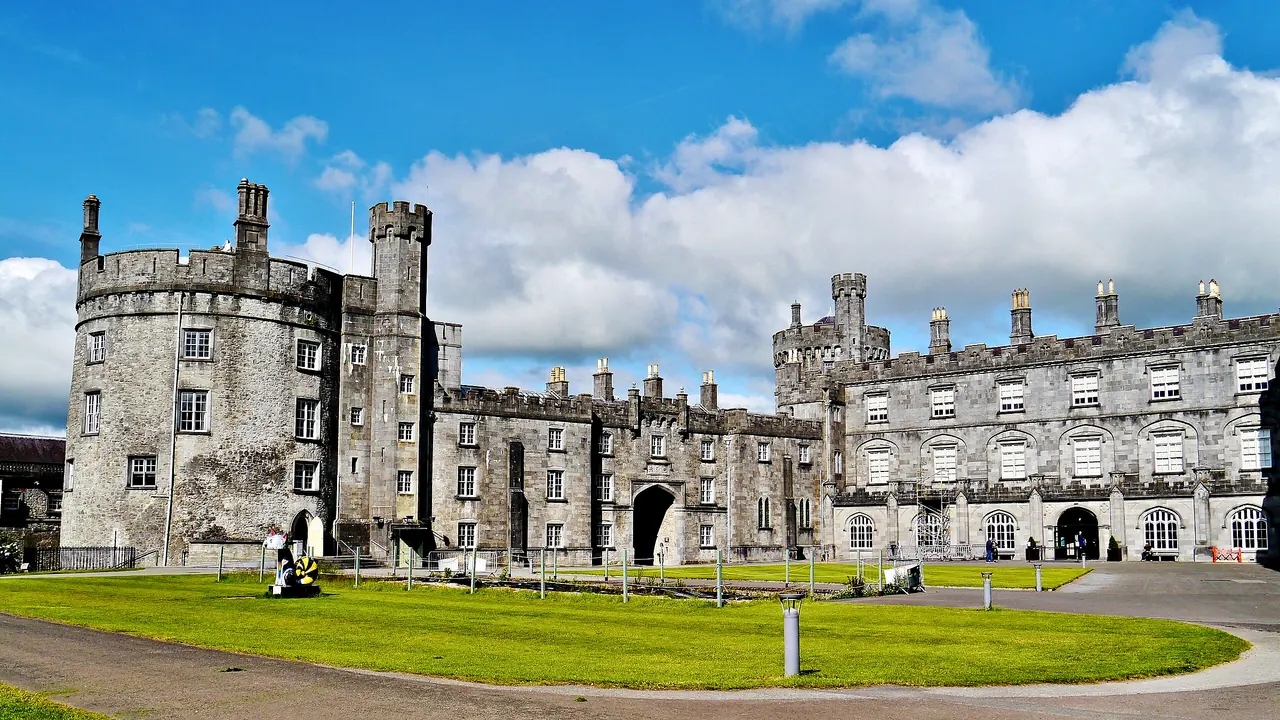
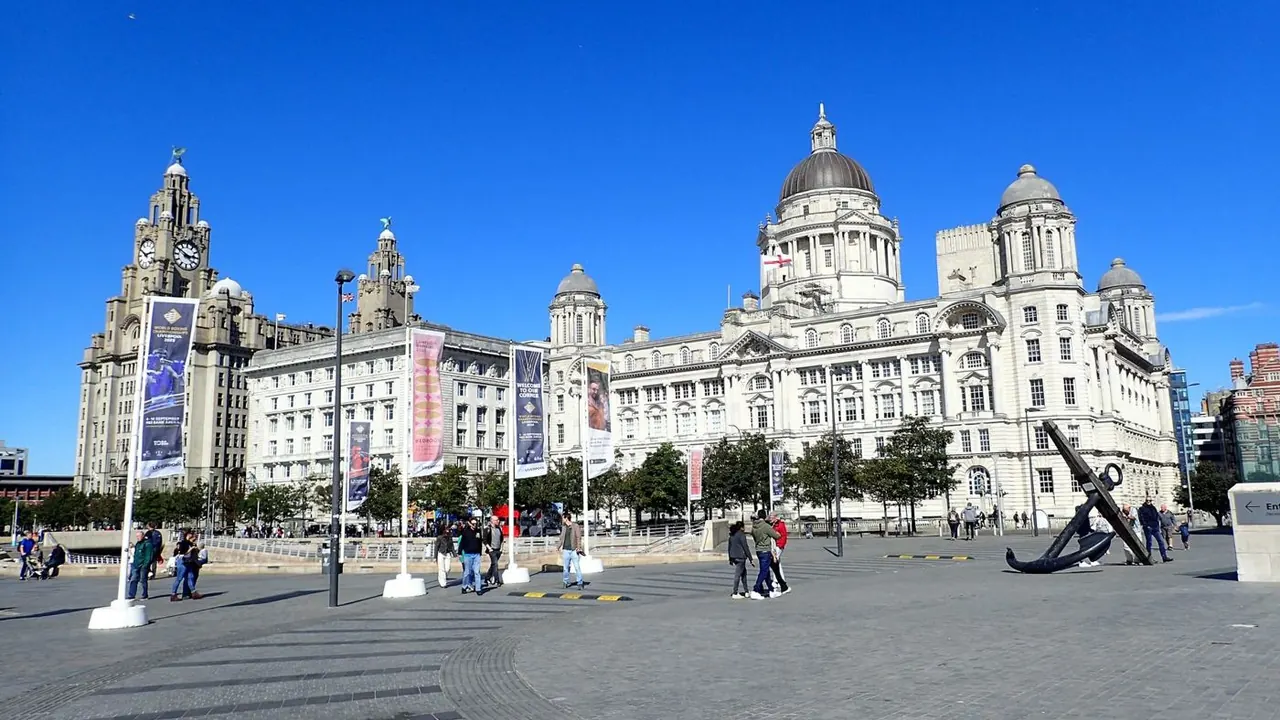
Photos: Kilkenny by Zairon, CC BY 4.0, cropped; Liverpool by Marathon, CC BY-SA 2.0, cropped.
Kilkenny or Liverpool?
Our verdict in twelve categories, each scored against the same fixed benchmark cities, and the climate month by month, so you can choose for your trip.
Choose Kilkenny for
- wellness
Kilkenny suits a slower, smaller trip built around medieval stone and green countryside. You can walk the whole town between the castle and St Canice's in a morning, spend the evening in a pub with an open fire and a fiddle in the corner, and give the next days to Jerpoint, Cashel and the Nore villages by car. It is best for travellers who want a quiet base, Irish heritage and traditional music, and who don't mind a modest choice of food and late nights.
Choose Liverpool for
- nightlife
- live music and the arts
- shopping
Liverpool is the better pick for almost any other kind of city trip. It has more to see, more to eat and far more going on after dark, from the free maritime and art collections at the docks to the Philharmonic, the theatres and the club streets of the Ropewalks. Trains run along the coast and to Chester, so you won't need a car, and the free museums make it the cheaper of the two. It suits groups, music lovers and families who want plenty to fill each day.
Scoreboard
Twelve categories on one fixed scale from 0 to 100. The shaded stretch is the gap between the two.
Your match
Pick a travel style or drag the sliders, and both match scores follow your weighting.
Wins on wellness with your weighting.
Wins on nightlife and live music and the arts with your weighting.
What matters to you?
Category by category
What the scores mean for a trip.
Beaches & swimming
From Kilkenny the coast is about an hour's drive, to Tramore or the coves of the Copper Coast, so a day by the sea is a scenic outing rather than part of the routine. Liverpool puts sand much closer. Merseyrail runs straight out to Crosby's iron figures and the pine-backed dunes at Formby, an easy half-day without a car.
Neither is for swimming. The Celtic Sea off Waterford and the Irish Sea off Merseyside both stay cold even in late summer, and on Liverpool's shore the tide goes far out over soft mud, so treat it as a place for walks.
Food & drink
Liverpool gives you more choice. Alongside scouse and fish and chips there are the independent cafés and international kitchens of Bold Street, the street-food halls of the Baltic Triangle and an old Chinatown, so a few days of meals never repeat.
Kilkenny's strength is the produce of its own county: dairy, lamb, cheese and coast seafood, served in gastropubs and in country-house dining rooms outside town. It does that well, but there is little foreign cooking or street food. Both places save their best drinking for old pubs, Victorian gin palaces in one and firelit snugs serving red ale in the other.
Culture & sights
Liverpool has far more to see. The Three Graces and the Royal Albert Dock frame the waterfront, the Maritime and International Slavery museums tell the port's story, and the Walker's Pre-Raphaelites and two very different 20th-century cathedrals fill a second and third day.
Kilkenny is a single, well-preserved medieval town rather than a collection of major institutions. The castle, Rothe House, the Black Abbey and St Canice's with its climbable round tower all lie along one short route. It is charming and easy to take in, but you will have seen it in a day or two.
Nightlife
Liverpool is a real party city. There are bars and clubs packed around Concert Square and Seel Street, harder electronic nights in Baltic Triangle warehouses, easygoing locals on Lark Lane, and a student crowd that keeps weeknights busy too.
Kilkenny's night out is the pub, and its old bars with low ceilings and open fires are a pleasure. Beyond a few late bars and one small club, though, there is little dancing, and the town goes quiet midweek.
Nature & outdoors
Liverpool comes out a little ahead, mostly because its green spaces are so easy to reach. You have Sefton Park and its palm house in the city, the breezy Mersey promenade, red squirrels in Formby's pinewoods a train ride away, and the Wirral Way out to the wading birds of the Dee estuary.
Kilkenny's countryside is gentler and more rural: the wooded Nore Valley Way, modest climbs on Brandon Hill and the Blackstairs, and the forest trails at Castlecomer. Most of it needs a car, but the Comeraghs are closer than Liverpool's nearest real mountains.
Day trips
The two are about equal for outings, but they offer different kinds of day. From Liverpool you go by train to towns and cities: Roman Chester, Manchester's museums, the model village at Port Sunlight, and, with a longer drive, Conwy's walled town on the Welsh coast.
From Kilkenny the trips are to ruins in open country, such as the Rock of Cashel, Jerpoint's carved cloister and the walled Kells Priory, along with Viking Waterford. Apart from Waterford and Dublin, you will need a car for nearly all of them.
Good for families
Liverpool keeps children busier. The World Museum's dinosaurs, aquarium and planetarium are free, the Mersey ferry is an easy treat, and Chester Zoo and Knowsley Safari Park are both close by.
Kilkenny is small, safe and calm, with castle lawns to run on and a forest adventure park and Dunmore Cave a short drive away. Castles appeal to young knights, but with no zoo or aquarium a family stay here is better kept short.
Getting around
Both centres are best on foot. Kilkenny's sights sit along a single kilometre of street, while Liverpool's spread a little further and up the hill to Hope Street.
Getting beyond the centre is where Liverpool pulls ahead. Merseyrail and the ferry take you to the coast and the Wirral simply and often. In rural Kilkenny the buses are sparse, so the abbeys and villages mean hiring a car or booking a tour.
Shopping & style
Liverpool is the better shopping city. Liverpool ONE has the national chains and department stores, and Bold Street adds vintage clothes, records and independent boutiques.
Kilkenny has one thing Liverpool lacks, a real craft tradition. The old castle stables and the studios around the county sell pottery, glass, silver and woollens made in the region. Beyond that, High Street is an hour of browsing.
Affordability
Liverpool is easier on the wallet. Its big museums and galleries charge nothing, rooms cost less than in Britain's pricier cities except on match and race weekends, and the centre is small enough to walk.
Kilkenny is cheaper than Dublin, but it still charges Irish prices for rooms, pints and dinners, and weekend and festival rates climb sharply. Exploring the county also means paying for a hire car.
Live music & performing arts
Liverpool has a much fuller stage. Bands play most nights around Mathew Street and the Baltic Triangle, the Royal Liverpool Philharmonic runs a full season in its art deco hall, and the Everyman and Playhouse make their own theatre.
Kilkenny's music lives in the pub sessions of fiddle, flute and bodhrán. These are a genuine draw, but outside its festivals there is little formal music or theatre. The town comes alive in August, when the Arts Festival brings classical concerts into St Canice's Cathedral.
Wellness & relaxation
Neither is a place to come just to rest, and neither has a bathing tradition. Kilkenny is a little better for it, though, because its spas belong to country-house estates set in parkland, and the Nore villages offer real quiet.
Liverpool's spas are in city hotels, and calm there means a walk in Sefton Park, a ferry crossing or a slow hour in a gallery. Both centres are noisy on weekend nights.
When should you go?
Pick your month. The climate figures are measured averages, not a forecast.
Kilkenny in July
Liverpool in July
Daytime high, °C
Rainfall in the month, mm
Where the figures come from
Kilkenny has no rain gauge within 25 km of the centre, so its rainfall comes from a gridded climate dataset read at the city rather than from a gauge further away.
Kilkenny's sunshine is measured 77 km from the centre, at Rosslare.
Liverpool's temperatures are measured 47 km from the centre, at Manchester Airport.
Liverpool has no rain gauge within 25 km of the centre, so its rainfall comes from a gridded climate dataset read at the city rather than from a gauge further away.
Temperature and rainfall are climate normals, averaged over the years shown. Kilkenny: 1991-2020 normals, Kilkenny (2.1 km from centre). Liverpool: 1991-2020 normals, Manchester Airport (47.4 km from centre).
Kilkenny and Liverpool share a mild, damp climate with no real beach season. Summer highs reach about 20°C in both, which makes May to September comfortable for walking the streets, and heat is never a problem. The sea off both coasts peaks at only around 16°C to 17°C in August, so a paddle is more likely than a swim. From November to February the days are short, grey and cold, better suited to pubs and museums than to long days outdoors.
Kilkenny is the wetter of the two in most months, especially in autumn and winter, with November bringing about 103mm. Only in June and September do the two draw level, or Liverpool turns slightly wetter. Kilkenny is also the sunnier of the pair, and late spring is its brightest time, so May and June suit a trip built on country walks and drives. Liverpool's drier winters and its indoor galleries make it the easier choice outside summer.
Which traveller are you?
For a food and nightlife trip, Kilkenny gives you a good steak or chowder and a firelit pub, then not much once the pubs close. Liverpool has far more range, from Bold Street's small kitchens to Chinatown, followed by bars and clubs open until well past 2am.
On a trip on a tight budget, Kilkenny works if you come midweek, walk the river path to the castle park and hear a trad session for the price of a pint. Liverpool gets more from less: scouse for lunch, a train to Crosby's iron figures and bands most nights.
On a relaxing and wellness trip, Kilkenny is the better fit. Stay in the countryside, take the river path from Thomastown to Inistioge and spend a still afternoon in Jerpoint's cloister. In Liverpool, rest means staying out at West Kirby, with sunsets over the marine lake.
Before you go
| Measure | Kilkenny | Liverpool |
|---|---|---|
| Official language | English, Irish | English |
| Currency | Euro (EUR) | Pound Sterling (GBP) |
| Sockets | G230 V, 50 Hz | G230 V, 50 Hz |
| Driving side | Left | Left |
| Time zone | UTC, UTC+1 in summer | UTC, UTC+1 in summer |
| Emergency number | 112 | 112 or 999 |
| Elevation | 60 m | 70 m |
| Main airport | Dublin Airport (DUB)109 km from centre200 non-stop destinations | Liverpool John Lennon Airport (LPL)12 km from centre75 non-stop destinations |
| Public holidays this year | 11 days | 8 days |
By the numbers
| Measure | Kilkenny | Liverpool |
|---|---|---|
| City population | 22,179 | 513,441 |
| People per km² | 828 | 4,592 |
| Museums within 10 km | 4 | 31 |
| UNESCO World Heritage sites within 50 km | 0 | 2 |
| Swim season, months above 21 °C | None | None |
Where else could you go?
Every comparison below shares a destination with this one, so you can follow Kilkenny or Liverpool somewhere new.