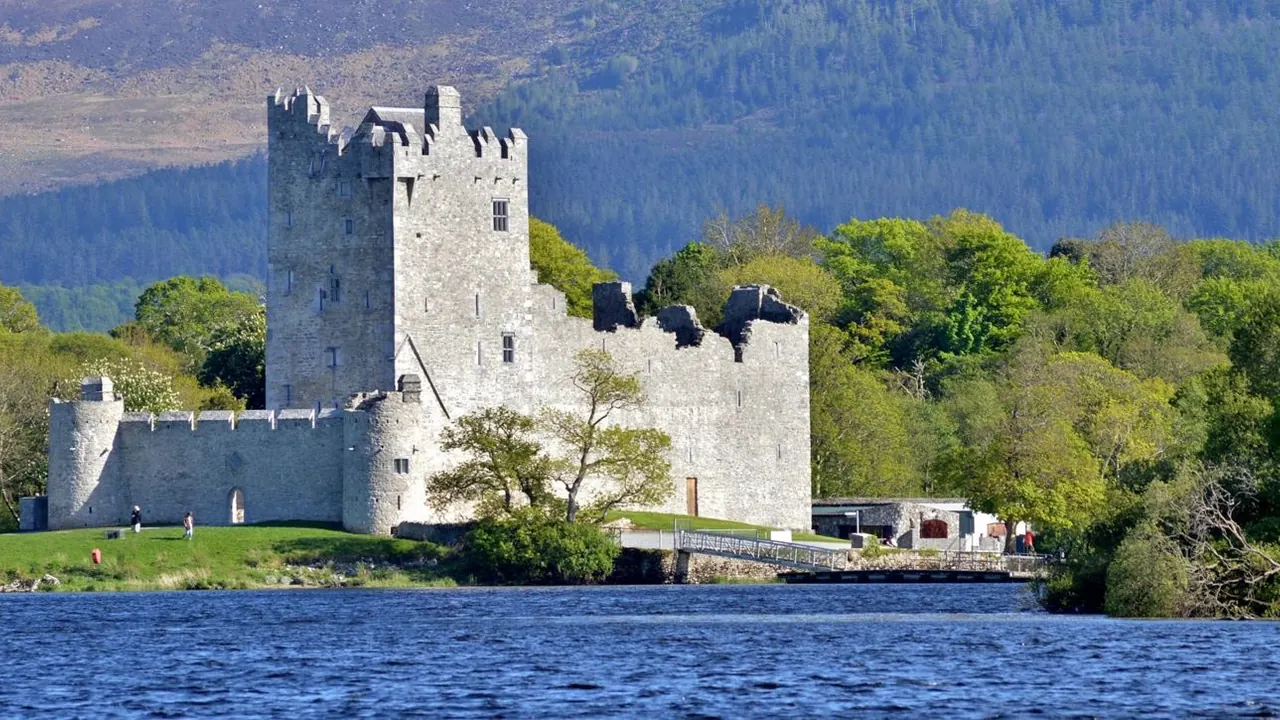
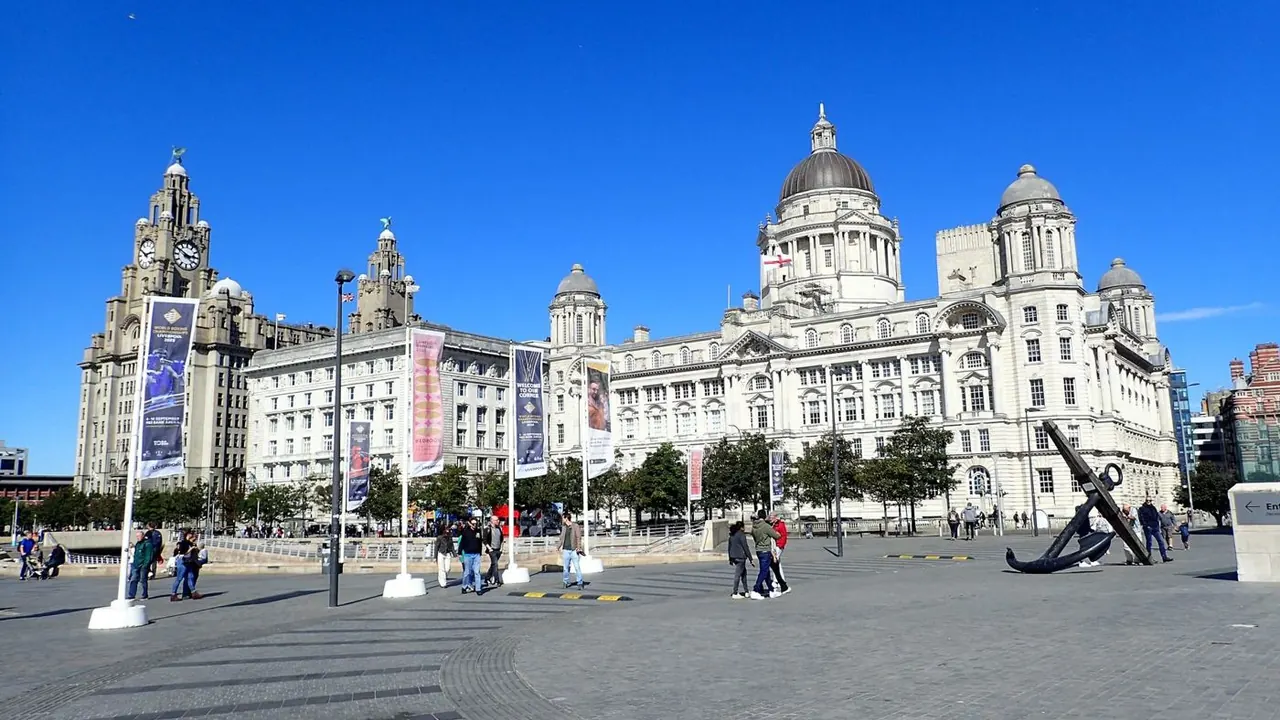
Photos: Killarney by NicholasH, CC BY-SA 4.0, cropped; Liverpool by Marathon, CC BY-SA 2.0, cropped.
Killarney or Liverpool?
Our verdict in twelve categories, each scored against the same fixed benchmark cities, and the climate month by month, so you can choose for your trip.
Choose Killarney for
- nature and the outdoors
- wellness
Killarney is for travellers who want to be outdoors. The national park starts where the town ends, with lakes, oak woods and red deer on flat paths, and the Reeks, the Gap of Dunloe and the Kerry coasts lie beyond. Evenings are simple: a pub session, a good dinner, perhaps a spa in one of the lakeside hotels. It suits walkers, cyclists and couples after a slow, green break more than anyone hoping for city life.
Choose Liverpool for
- culture and sights
- nightlife
- live music and the arts
Liverpool is the better pick for a city trip. Its waterfront, museums and galleries can fill two or three days, the music runs from Cavern cellar bands to the Philharmonic, and the nights out are long and loud. It is cheaper to visit, easier to get around without a car and kinder to families on a wet day. The countryside is there for an outing, not as the main reason to go.
Scoreboard
Twelve categories on one fixed scale from 0 to 100. The shaded stretch is the gap between the two.
Your match
Pick a travel style or drag the sliders, and both match scores follow your weighting.
Wins on nature and the outdoors and wellness with your weighting.
Wins on culture and sights and nightlife with your weighting.
What matters to you?
Category by category
What the scores mean for a trip.
Beaches & swimming
Neither city makes sense for a beach trip, and both treat the shore as somewhere to walk. What separates them is the kind of coast and how you reach it. Killarney's beaches, Inch and Rossbeigh, are wild Atlantic strands about 40 minutes away by car, good for beginner surf lessons and big skies.
Liverpool's sands are closer and you can reach them by train: Crosby with Gormley's iron men, Formby's dune-backed beach, and the sheltered marine lake at West Kirby. Long tides and soft mud make swimming unwise there too.
Food & drink
Liverpool offers more choice when eating out. Bold Street's small international kitchens, the street-food halls of the Baltic Triangle, Chinatown and its old pubs give you several days of variety. Scouse is the local dish to try.
Killarney cooks good Kerry produce, including lamb, Atlantic seafood and farmhouse cheese, but in a small town where many menus are built for coach parties. Keen diners there often drive to Kenmare or Dingle for a better meal.
Culture & sights
Liverpool has far more to see. The Three Graces and the Grade I listed warehouses of the Royal Albert Dock hold the Maritime and International Slavery museums. On William Brown Street you find St George's Hall and the Walker Art Gallery, and the two very different cathedrals face each other along Hope Street.
Killarney's sights are few and stand at the edge of the park: Muckross House and its gardens, Ross Castle on Lough Leane and the abbey ruins. With Pugin's cathedral in town, that is a day or two of sightseeing in lovely surroundings rather than a cultural trip.
Nightlife
Liverpool is the place for a big night out. Concert Square and Seel Street fill with bars and clubs, the Baltic Triangle holds the electronic nights, Lark Lane has quieter local bars, and many nights run past 2am.
Killarney's nightlife is a summer pub crawl along High Street and Plunkett Street. It is friendly and noisy, with pints and conversation, but it has no clubs or cocktail bars to speak of and goes quiet on winter weeknights.
Nature & outdoors
This is where Killarney is strongest. Lakes, ancient oak and yew woods, Torc Waterfall and native red deer are a short walk or bike ride from the centre, with Ireland's highest mountains and the Gap of Dunloe right behind them. The Ring of Kerry and Dingle coasts add cliff walks and sea kayaking.
Liverpool's outdoors is gentler and flatter: Sefton Park's lake and palm house, the Mersey promenade, the red squirrels in Formby's pinewoods and the Wirral Way out to the Dee estuary. It is pleasant, but it is no match for Kerry.
Day trips
Both bases offer good outings, and Liverpool's are easier to reach without a car. Chester's Roman walls and Rows are a short train ride away, Manchester is under an hour, and Port Sunlight, Southport and Conwy's castle make further days out.
Killarney's day trips are mostly drives through scenery, to Kenmare, Dingle and the villages of the Ring of Kerry. Its great prize is Skellig Michael, though landing there depends on calm summer seas. Cork, Blarney and Kinsale lie to the east.
Good for families
Liverpool is the easier family choice, especially in bad weather. The World Museum has dinosaurs, an aquarium room and a planetarium, the Museum of Liverpool has a play gallery, and Chester Zoo and Knowsley Safari Park are close. The Mersey ferry is an easy treat.
Killarney is calm and safe, and in good weather children enjoy the deer, the jaunting cars, the lake boats and Muckross Traditional Farms. A wet day leaves few indoor options, and in this climate that matters.
Getting around
In Liverpool you can do without a car. The docks, the Pier Head, the Ropewalks and both cathedrals lie within about 2km of one another, and Merseyrail runs out to the beaches and the Wirral. You will need a bus or a taxi only for places such as Sefton Park and Anfield.
Killarney's centre and the nearer parts of the park are easy on foot or by bike, and the town has a railway station. Beyond that you need a hire car or a tour, on narrow Kerry roads shared with coaches in summer.
Shopping & style
Killarney's shops fill an hour. Knitwear, tweed and Celtic jewellery line a few streets, which is enough for a good Aran sweater and little more.
Liverpool can carry a whole shopping day. The chains and department stores of Liverpool ONE and Church Street come first, then vintage clothes, records and independent design on Bold Street and around the Baltic Triangle, although luxury fashion is thin even here.
Affordability
Your money goes further in Liverpool. Hotels are moderate for a British city except on big match and race weekends, the major museums cost nothing to enter, and you walk rather than pay for transport.
Killarney carries full Irish prices for food and drink, and its hotels charge heavily in July and August. Family-run B&Bs, a park that costs nothing to explore and a spring or autumn visit help, but a hire car or tours usually add to the bill.
Live music & performing arts
Killarney's live performance is Irish traditional music in the pubs. In season it is good, but there is no orchestra or theatre, and for anything staged you have to go to Tralee.
Liverpool is far ahead. Bands play most nights, from the Cavern's cellar to the warehouse rooms of the Baltic Triangle, the Royal Liverpool Philharmonic gives a full season in its art deco hall, and the Everyman and the Playhouse produce their own work. A few nights there could take in a gig, a symphony and a new play without repeating anything.
Wellness & relaxation
Killarney is the better place for a restful stay. It has an unusual number of large country and lakeside hotels, many with full spas and pools that look across the water to the mountains, so a long walk in the park can end in a treatment room. Book on the outskirts rather than in the centre, which fills with coaches in summer, and come out of season for the deepest quiet.
Liverpool has spas as well, but they sit in a city built for going out, and its weekend nights are loud. Its quiet moments, such as a stroll round Sefton Park's lake or a slow crossing of the Mersey, are breaks within a lively trip rather than the reason to go.
When should you go?
Pick your month. The climate figures are measured averages, not a forecast.
Killarney in July
Liverpool in July
Daytime high, °C
Rainfall in the month, mm
Where the figures come from
Killarney's temperatures are measured 53 km from the centre, at Valentia Observatory.
Killarney has no rain gauge within 25 km of the centre, so its rainfall comes from a gridded climate dataset read at the city rather than from a gauge further away.
Liverpool's temperatures are measured 47 km from the centre, at Manchester Airport.
Liverpool has no rain gauge within 25 km of the centre, so its rainfall comes from a gridded climate dataset read at the city rather than from a gauge further away.
Temperature and rainfall are climate normals, averaged over the years shown. Killarney: 1991-2020 normals, Valentia Observatory (52.7 km from centre). Liverpool: 1991-2020 normals, Manchester Airport (47.4 km from centre).
Neither place is a sun-and-swim destination, so the question is mainly about rain and light. Killarney is mild all year but very wet, and from October to January rainfall runs to about 160mm a month. May is its best month, the driest and sunniest, and late spring through September suits the park and the mountain passes, although summer highs only reach about 18°C. The sea stays cold all year.
Liverpool gets roughly half Killarney's rain and runs a few degrees warmer in summer, reaching around 21°C in July. Its winters are colder, though, and highs drop to about 7°C in January. May to August is the most comfortable time for walking the waterfront and getting out to Formby. Autumn and winter in Liverpool are grey but still workable for museums, while in Killarney they are hard going for anyone planning long days outdoors.
Which traveller are you?
On an outdoors trip, Killarney wins. Days go on foot or by bike, through the Gap of Dunloe with a boat back across the lakes, or up Carrauntoohil on a clear morning. From Liverpool, real hills mean a long drive.
For a culture and arts trip, Killarney manages a morning at Muckross House and an evening session, and then runs out. Liverpool fills several days, moving from a gallery to a dockside museum and then to an orchestral concert or a home-produced play at night.
For a relaxing and wellness trip, pick Killarney. A slow day there means a morning walk, an afternoon in the hotel pool and an early night. In Liverpool, quiet comes only in pockets, in a city that is geared to going out.
Before you go
| Measure | Killarney | Liverpool |
|---|---|---|
| Official language | English, Irish | English |
| Currency | Euro (EUR) | Pound Sterling (GBP) |
| Sockets | G230 V, 50 Hz | G230 V, 50 Hz |
| Driving side | Left | Left |
| Time zone | UTC, UTC+1 in summer | UTC, UTC+1 in summer |
| Emergency number | 112 | 112 or 999 |
| Elevation | 50 m | 70 m |
| Main airport | Kerry Airport (KIR)14 km from centre10 non-stop destinations | Liverpool John Lennon Airport (LPL)12 km from centre75 non-stop destinations |
| Public holidays this year | 11 days | 8 days |
By the numbers
| Measure | Killarney | Liverpool |
|---|---|---|
| City population | 14,412 | 513,441 |
| People per km² | - | 4,592 |
| Museums within 10 km | 1 | 31 |
| UNESCO World Heritage sites within 50 km | 0 | 2 |
| Swim season, months above 21 °C | None | None |
Where else could you go?
Every comparison below shares a destination with this one, so you can follow Killarney or Liverpool somewhere new.