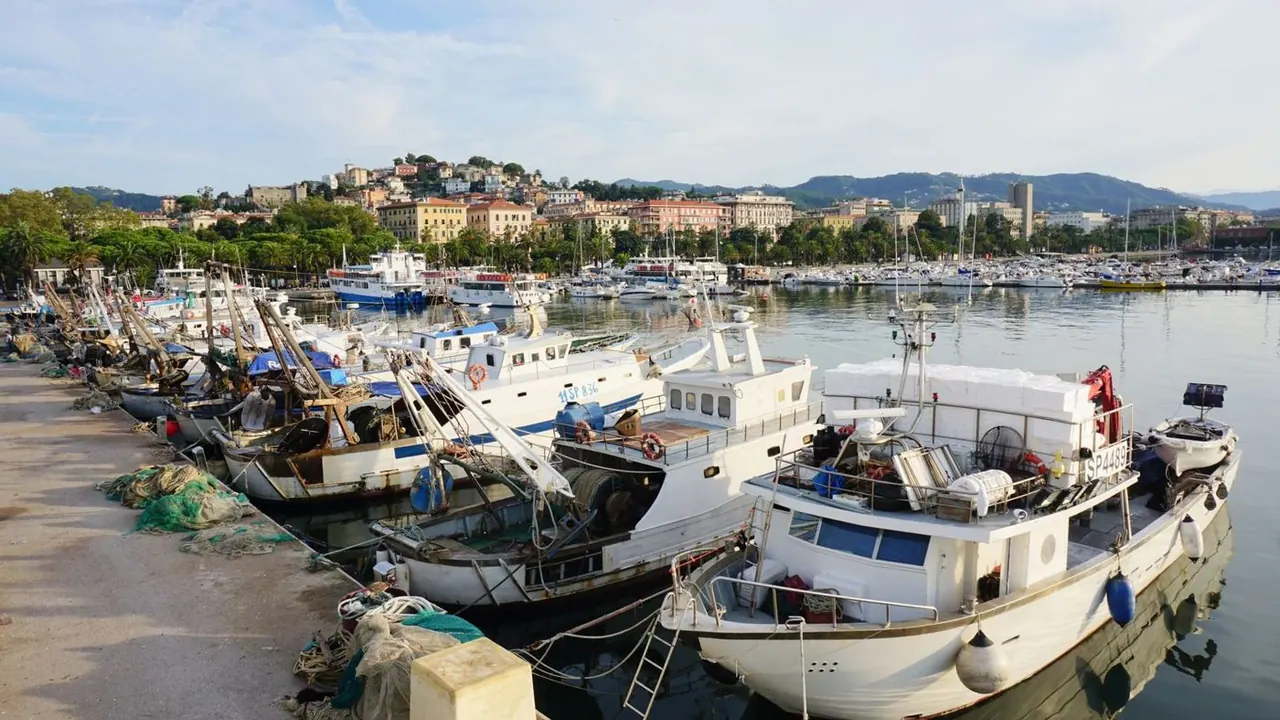
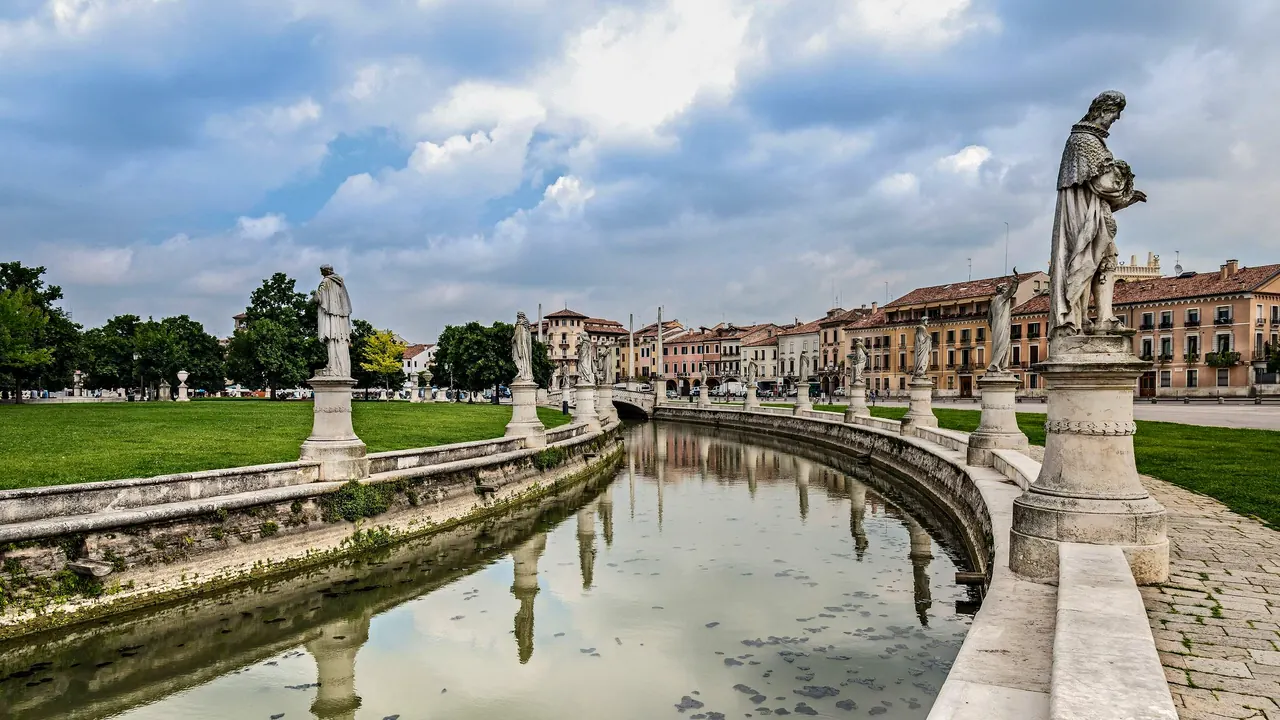
Photos: La Spezia by Irina Balashova, Pexels License; Padua by Didier Descouens, CC BY-SA 4.0, cropped.
La Spezia or Padua?
Our verdict in twelve categories, each scored against the same fixed benchmark cities, and the climate month by month, so you can choose for your trip.
Choose La Spezia for
- beaches
- nature and the outdoors
- families
La Spezia suits a trip built around the coast: walking the Cinque Terre paths, swimming off Palmaria or in the coves near Lerici, and taking boats along the cliffs. It is a practical, low-key base rather than a destination in itself, so it is best for travellers who want to spend their days outdoors and are happy with quiet evenings.
Choose Padua for
- wellness
- culture and sights
- nightlife
Travellers who want art, history and an easy base for the cities of the Veneto will do better in Padua. Giotto's frescoes and the Basilica of Saint Anthony are on the doorstep, and Venice, Vicenza and Verona are short train rides away. The thermal pools of Abano also give it a restful side that La Spezia lacks. The trade-off is that the sea and serious hiking are further off.
Scoreboard
Twelve categories on one fixed scale from 0 to 100. The shaded stretch is the gap between the two.
Your match
Pick a travel style or drag the sliders, and both match scores follow your weighting.
Wins on beaches and nature and the outdoors with your weighting.
Wins on wellness and culture and sights with your weighting.
What matters to you?
Category by category
What the scores mean for a trip.
Beaches & swimming
La Spezia has the sea close at hand, even though the town itself is a port. A short bus or train ride takes you to the sheltered sand at San Terenzo and Lerici, the clear rocky water around Portovenere and Palmaria, or the long sandy beach at Monterosso.
Padua is inland. Its nearest sand, at Sottomarina or the Lido of Venice, is about an hour away: flat strips lined with umbrellas, with water calm enough for small children. That works for the odd day out, while from La Spezia you can swim on most days of a summer stay.
Food & drink
Both cities cook regional, market-based food with little fine dining, so the difference is in what lands on the plate. La Spezia is Ligurian: farinata from wood ovens, pesto on trofie and testaroli, and mussels from the gulf, with crisp Cinque Terre whites to drink.
Padua leans on Venetian home cooking, with bigoli, baccalà, risotto and boiled meats. Its daily markets under the Palazzo della Ragione are bigger and livelier than the one on Piazza Cavour. The standing spritz in the squares and the old Caffè Pedrocchi also give Padua a stronger café and drinking culture.
Culture & sights
Padua is in a different league here. The Scrovegni Chapel, the fourteenth-century fresco cycles, the Basilica of Saint Anthony, the anatomical theatre at Palazzo Bo and the oldest university botanical garden make a compact centre of world-class art and history.
La Spezia is a nineteenth-century naval town of arcaded streets and Liberty facades. Its highlights are the Museo Amedeo Lia and the prehistoric Lunigiana stele statues at Castello San Giorgio. Most of the area's history is out along the coast, in Portovenere and the Cinque Terre villages.
Nightlife
Neither city is a place for clubbing, and in both the evening centres on the aperitivo. Padua's is bigger and lasts longer, at least during term: students and locals fill Piazza delle Erbe and Piazza dei Signori until late, then move on to wine bars in the old ghetto, though the city goes quiet in high summer. A spritz on Via del Prione or the Lerici waterfront is pleasant, but in La Spezia most people are in bed early before a day on the trails.
Nature & outdoors
La Spezia has much the more dramatic landscape. Terraced cliffs drop into the sea, and you can walk the Sentiero Azzurro or the quieter ridge paths, explore Palmaria's forts and sea caves, or dive and kayak in the gulf. The marble peaks of the Apuan Alps are about an hour inland.
Padua sits on a flat plain, so its outdoors is gentler. There are trails and vineyards in the volcanic Euganean Hills, level bike rides along the Brenta towpaths and birdwatching on the lagoon. Proper mountain walking means driving to Monte Grappa or the Asiago plateau.
Day trips
Both are excellent bases, but Padua reaches further. Venice is under half an hour by train and Vicenza a quarter of an hour, and Verona, Bologna, Ferrara and Treviso all make easy days out. The Brenta villas and the walled towns of Este and Montagnana are closer still.
La Spezia's strength is having a lot close together: the five Cinque Terre villages, Portovenere and Lerici are minutes away, and Sarzana, Luni, Pisa and Lucca add variety. Its list is mostly coast and small towns, while Padua's includes several major art cities.
Good for families
Neither city has a zoo, aquarium or theme park, and both have safe, flat centres that are easy with a pushchair. La Spezia has a slight edge because its best days suit children anyway: boat trips around Portovenere and paddling at sheltered San Terenzo and Lerici. The steep villages and crowded summer trains are easier with older children.
Padua has Prato della Valle for running about and the glasshouses of the botanical garden, but its main sights are frescoes and churches. Families there tend to rely on Gardaland or the Adriatic, each an hour or more away.
Getting around
Both centres are compact and flat enough to walk, and in neither is a car much use. Padua is slightly easier: a tram runs from the station to Prato della Valle, much of the centre is closed to traffic, arcades give shelter from sun and rain, and main-line trains go in every direction.
La Spezia relies on the regional coastal line, buses around the gulf and ferries from spring to autumn. They work well, but in summer the trains fill up and the platforms in the Cinque Terre villages get crowded.
Shopping & style
Padua has the better shopping, though neither city is a fashion destination. Its arcaded streets have Italian fashion and shoe shops, independent boutiques and university bookshops, and the monthly antiques market on Prato della Valle is worth planning a day around. La Spezia's Via del Prione and Corso Cavour are more everyday, and its best buys are edible: pesto, olive oil and Sciacchetrà.
Affordability
Costs are much the same in both cities, moderate by Western European standards, and many visitors choose each one as a cheaper base than the places nearby. In La Spezia you save compared with staying in the Cinque Terre villages, though trail passes, boat trips and bathing establishments add up in summer. In Padua you save compared with Venice, and the extra costs are museum entry, starting with the Scrovegni Chapel, and dearer rooms during trade fairs and graduation season.
Live music & performing arts
Padua has more going on through the year. The horseshoe-shaped Teatro Verdi stages prose theatre and some opera, a resident chamber orchestra plays in the Sala dei Giganti and the Basilica, and students keep small music venues going. The Fenice in Venice and the summer Arena in Verona are also within easy reach.
La Spezia comes alive mainly in summer, with its long-established jazz festival and open-air concerts in piazzas and castle courtyards around the gulf. For the rest of the year the Teatro Civico provides most of the programme, and for opera you go to Genoa or Pisa.
Wellness & relaxation
Padua has one of Europe's largest thermal districts right on its doorstep. At Abano and Montegrotto, about 12km away, hot mineral water and mud have been used for treatments since Roman times, and many spa hotels take day visitors. A soak after a morning in the frescoed churches is easy to fit in.
La Spezia has no bathing tradition of its own, and the small baths at Equi Terme are about an hour inland. Rest there comes from a slower pace: a long lunch in Tellaro, a quiet day on Palmaria or the seafront out of season.
When should you go?
Pick your month. The climate figures are measured averages, not a forecast.
La Spezia in July
Padua in July
Daytime high, °C
Rainfall in the month, mm
Where the figures come from
La Spezia's temperatures are measured 65 km from the centre, at Pisa / S. Giusto.
La Spezia has no rain gauge within 25 km of the centre, so its rainfall comes from a gridded climate dataset read at the city rather than from a gauge further away.
Padua's temperatures are measured 35 km from the centre, at Treviso / Istrana.
Padua has no rain gauge within 25 km of the centre, so its rainfall comes from a gridded climate dataset read at the city rather than from a gauge further away.
Padua's sunshine is measured 36 km from the centre, at Treviso / S. Angelo.
Temperature and rainfall are climate normals, averaged over the years shown. La Spezia: 1991-2020 normals, Pisa / S. Giusto (64.8 km from centre). Padua: 1991-2020 normals, Treviso / Istrana (35.4 km from centre).
La Spezia is best for the beach from June to September. The sea in the gulf warms to about 25°C, and July is almost dry and very sunny. Spring and early autumn are better for the Cinque Terre paths, because high summer reaches around 30°C. October and November are by far the wettest months, with roughly 150mm each. Winter is mild but grey.
Padua has a more inland climate. Winters are colder, with January highs of about 8°C, and summers are slightly hotter and more humid, peaking around 31°C, which makes July and August hard going for sightseeing. Its rain is spread evenly through the year instead of arriving in an autumn burst, and it gets a little less sunshine than La Spezia in every month. April, May, September and early October are the comfortable months for walking the city.
Which traveller are you?
For an outdoors trip, La Spezia is the clear pick. The Cinque Terre national park is minutes away by train, with cliff paths, ridge trails, the Palmaria loop and kayaking in the gulf. Padua's hills and towpaths are flatter and gentler.
On a culture and arts trip, Padua has far more to offer. The Scrovegni Chapel, the UNESCO fresco cycles, Donatello at the Basilica and the old anatomical theatre fill several days, and Venice and Vicenza add more by train. La Spezia's museums take a day or two.
For a relaxing and wellness trip, Padua is the better choice because of Abano and Montegrotto, a large thermal district with hot mineral pools a short ride from the centre. La Spezia has long lunches and quiet seafronts out of season, but no bathing tradition of its own.
Before you go
| Measure | La Spezia | Padua |
|---|---|---|
| Official language | Italian | Italian |
| Currency | Euro (EUR) | Euro (EUR) |
| Sockets | CFL230 V, 50 Hz | CFL230 V, 50 Hz |
| Driving side | Right | Right |
| Time zone | UTC+1, UTC+2 in summer | UTC+1, UTC+2 in summer |
| Emergency number | 112 | 112 |
| Elevation | 3 m | 12 m |
| Main airport | Pisa International Airport (PSA)65 km from centre82 non-stop destinations | Venice Marco Polo Airport (VCE)39 km from centre103 non-stop destinations |
| Public holidays this year | 13 days | 13 days |
By the numbers
| Measure | La Spezia | Padua |
|---|---|---|
| City population | 92,119 | 206,496 |
| People per km² | 1,792 | 2,220 |
| Museums within 10 km | 12 | 29 |
| UNESCO World Heritage sites within 50 km | 2 | 5 |
| Swim season, months above 21 °C | 4 months | 4 months |
Where else could you go?
Every comparison below shares a destination with this one, so you can follow La Spezia or Padua somewhere new.