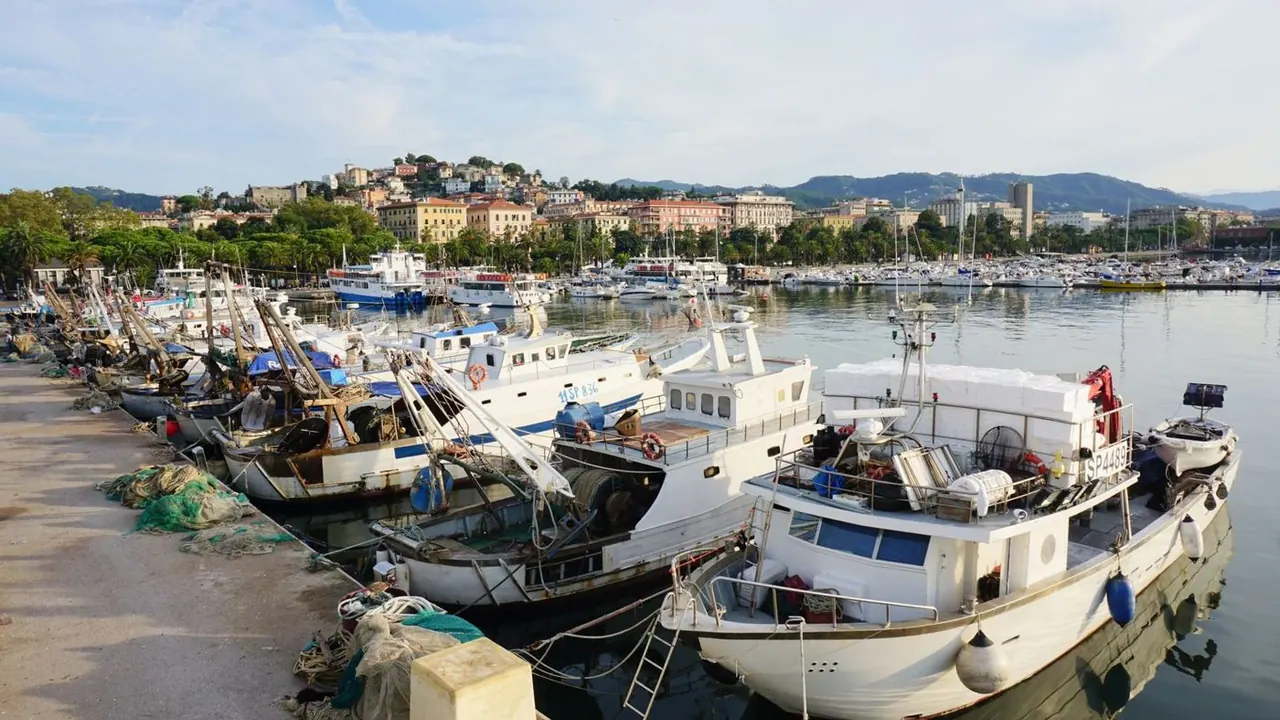
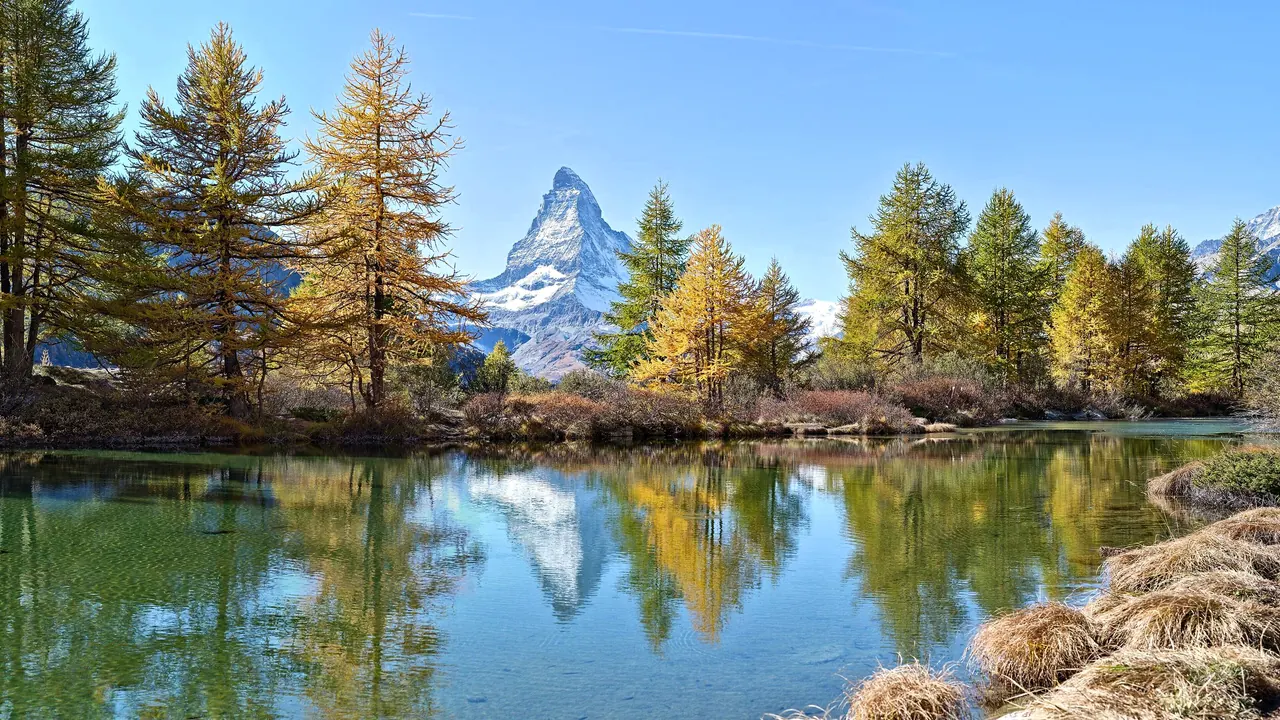
Photos: La Spezia by Irina Balashova, Pexels License; Zermatt by Roy Egloff, CC BY-SA 4.0, cropped.
La Spezia or Zermatt?
Our verdict in twelve categories, each scored against the same fixed benchmark cities, and the climate month by month, so you can choose for your trip.
Choose La Spezia for
- beaches
- day trips
- prices
La Spezia suits a warm-weather trip by the sea that mixes swimming, Ligurian cooking and lots of variety. Its real strength is as a base. The Cinque Terre villages, Portovenere, Lerici, Pisa and Lucca are all an easy train or boat ride away. It also costs far less, especially if you sleep in town rather than in the villages.
Choose Zermatt for
- nature and the outdoors
- wellness
- getting around
Pick Zermatt when the mountains themselves are the point of the trip. The Matterhorn stands above a car-free village, and the lifts climb to glaciers, ski runs that cross into Italy and summer trails to huts and lakes. It rewards skiers, serious hikers and climbers with a generous budget who are happy to spend every day up high rather than touring the region.
Scoreboard
Twelve categories on one fixed scale from 0 to 100. The shaded stretch is the gap between the two.
Your match
Pick a travel style or drag the sliders, and both match scores follow your weighting.
Wins on beaches and day trips with your weighting.
Wins on nature and the outdoors and wellness with your weighting.
What matters to you?
Category by category
What the scores mean for a trip.
Beaches & swimming
La Spezia's own waterfront is a working port, but good swimming is a short bus or train ride away. There is sheltered sand at San Terenzo and Lerici, small coves at Fiascherino and Tellaro, clear water off the rocks of Palmaria and a long sandy beach at Monterosso. The beaches are small, often pebbly and mostly taken up by paid bathing establishments, but the sea is warm from June into October, so a swim is easy to fit in.
Zermatt has nothing comparable. The tarns above the village are glacial meltwater: good for photographing the Matterhorn, far too cold for a swim. The only bathing is in a hotel pool.
Food & drink
Both kitchens are rooted in their region, but La Spezia gives you more to eat through the day. There is focaccia in the morning, farinata from wood ovens, mussels farmed off Portovenere, pesto on trofie or testaroli, and the fish counters of the Piazza Cavour market. Everyday meals are reliable and fairly priced, though there is little fine dining.
In Zermatt the best eating is a long lunch at a mountain chalet in Findeln or Furi: raclette, air-dried beef and a glass of Petite Arvine. The village adds a few ambitious kitchens, but the choice is narrow, cheap meals are hard to find and many places close between seasons.
Culture & sights
Neither is a heritage destination, but La Spezia fills a couple of days better. The Museo Amedeo Lia has early Italian paintings and ivories, the naval museum stands by the arsenal, the Castello San Giorgio holds the Lunigiana stele statues, and the arcaded streets and Liberty facades show a nineteenth-century naval town. Older history lies just along the coast.
Zermatt's heritage is about mountaineering and takes a morning. The Matterhorn Museum tells the story of the 1865 first ascent, the climbers' graves lie beside the parish church, and the old larch barns of the Hinterdorf still stand on their stone slabs.
Nightlife
Neither is a place for late nights, so the difference is in style and season. In La Spezia evenings mean an aperitivo, a spritz or a Vermentino on Via del Prione or the seafront, moving out to Lerici's waterfront in summer. Most people head to bed early before a day on the trails.
Zermatt is louder and comes alive in winter. Après-ski starts in the slope-side bars while people still have their ski boots on, and a few clubs on the main street stay open past midnight on busy weekends. Summer evenings there end after dinner.
Nature & outdoors
Both are outdoor destinations, but Zermatt works on a far bigger scale. The Matterhorn, the Gorner Glacier and a ring of four-thousand-metre peaks rise straight above the village. Lifts climb to the Gornergrat and the glacier, giving skiing in winter and some pistes into summer. Once the snow melts there are hut paths, the Five Lakes walk and guided ascents.
La Spezia's landscape is coastal and gentler. Terraced vines drop to the sea along the Cinque Terre paths, a loop walk circles Palmaria and pines cover Montemarcello, with kayaking and diving in the gulf. The Apuan Alps inland add harder walking, but nothing near the town matches Zermatt's glaciers and high peaks.
Day trips
La Spezia is a superb base for days out. The Cinque Terre villages are minutes away by train, Portovenere and Lerici are a short ride by boat or bus, Sarzana and the Roman ruins of Luni lie just inland, and Pisa and Lucca are about an hour away. You could spend a week without repeating a trip.
From Zermatt every outing starts with the long train ride down the valley. Sion's castle hills and Brig's Stockalper Palace are worth seeing, as is Saas-Fee in the next valley, but most visitors spend their spare days on the mountain instead.
Good for families
The two suit families about equally, in different ways. In La Spezia the best days with children are on the water: boat trips round Portovenere and the shallow, sheltered beaches at San Terenzo and Lerici. The steep villages and crowded summer trains are easier with older children than with toddlers.
Zermatt's car-free streets mean children can walk around without traffic, and it suits families who ski or hike together, with ski schools, marmots to spot and the fun of cog railways. Rainy days are hard to fill, and the highest viewpoints can be too cold and thin-aired for small children.
Getting around
Zermatt is easier to get around once you arrive. There are no cars, the village is compact enough to walk, electric taxis reach the outlying lifts, and the cog railway, funicular and gondolas all start a short walk from the centre. The drawbacks are the train ride in and out of the valley and the steep climb to hotels on the slopes.
La Spezia also has a flat, walkable centre and works well as a hub for trains, buses and ferries. But in summer the trains along the Cinque Terre fill up, the village platforms get crowded, and driving to the villages is more trouble than it is worth.
Shopping & style
La Spezia's shops serve the people who live there, while Zermatt's serve wealthy skiers, and the everyday kind gives you a little more to browse. Via del Prione and Corso Cavour mix chain stores with a few independent boutiques, the Piazza Cavour market has produce and fish, and the souvenirs worth taking home are edible: pesto, olive oil and Sciacchetrà.
Zermatt's one main street runs from the station to the church, lined with watch and jewellery boutiques and shops selling cowbells and Matterhorn-shaped souvenirs. Its mountaineering outfitters are the real strength if you need boots or gear.
Affordability
La Spezia is much easier on the wallet. Farinata, focaccia and simple trattorias are good value, trains and buses are cheap, and rooms in town cost less than in the Cinque Terre villages. In summer, though, rooms, trail passes, boat trips and beach loungers add up.
Zermatt is one of the most expensive places in the Alps, from plain hotel rooms to a drink on a mountain terrace, and the lifts every visitor uses are costly too. Self-catering or staying down the valley in Täsch helps, but it is no place for a tight budget.
Live music & performing arts
Neither town is somewhere you would go for performances, but La Spezia gives you more chances of a night out at a show because it has a real theatre with a season of its own. At the Teatro Civico that means plays, touring companies and concerts, and Sarzana's small historic house is close by. In summer, music moves outdoors into town squares and the gulf's castle courtyards, and a jazz festival that has been running for many years tops off the calendar. The rest of the year is quieter, and for opera you need to take the train to Genoa or Pisa.
Zermatt has no stage at all, so whether you see anything depends on when you go. In spring you might catch Zermatt Unplugged, with acoustic sets in tents and up on the slopes. Late summer brings serious chamber music to the village church. Visit in any other week and the only live music is the bands in the après-ski bars, while La Spezia at least has a programme worth checking.
Wellness & relaxation
Zermatt is better for rest and pampering. It has a large number of excellent hotel spas with pools, saunas and mountain views, and some sell day passes to visitors who are not staying there. The car-free village with its clean air feels quiet, though the mood in peak weeks is more active than slow.
La Spezia has no spa tradition of its own. Beyond hotel spas, the small thermal baths at Equi Terme are an hour inland. Its calm comes from pace instead: a long lunch in Tellaro, a quiet day on Palmaria or the seafront out of season.
When should you go?
Pick your month. The climate figures are measured averages, not a forecast.
La Spezia in July
Zermatt in July
Daytime high, °C
Rainfall in the month, mm
Where the figures come from
La Spezia's temperatures are measured 65 km from the centre, at Pisa / S. Giusto.
La Spezia has no rain gauge within 25 km of the centre, so its rainfall comes from a gridded climate dataset read at the city rather than from a gauge further away.
Zermatt has no weather station within reach, so its figures come from a gridded climate model rather than a measured record, and read a broad area rather than the city itself.
Temperature and rainfall are climate normals, averaged over the years shown. La Spezia: 1991-2020 normals, Pisa / S. Giusto (64.8 km from centre). Zermatt: 1991-2020 normals, TerraClimate 4 km grid at the town, no weather station within 90 km.
La Spezia is at its best in the warm half of the year. The sea is pleasant for swimming from June into early October and reaches about 24°C in high summer. July and August bring highs near 30°C and very little rain, which makes the coastal paths hot work. May and September, with long sunny days and milder heat, are the best months for walking. Autumn turns wet, with October and November the rainiest months at up to 151mm. Winter is mild but grey.
Zermatt runs on a different calendar. From December to February daytime highs sit around -2°C, the cold of the ski season. Even July and August only reach about 14°C, which is ideal for hiking but never beach weather. Rain and snow are spread fairly evenly across the year, and November is the wettest month.
Which traveller are you?
On a beach and sun trip, La Spezia is the only real choice. It has sheltered coves at Lerici and Tellaro, clear water off Palmaria, sand at Monterosso and hot, dry summers. Zermatt has no sea, and its tarns are too cold to swim in.
For a trip on a tight budget, La Spezia lets the money go further. Walks on Palmaria and Montemarcello, free stretches of shore and a farinata from a wood oven fill a day for little. In Zermatt nearly every day starts with a ride up the mountain, so it only works as a planned splurge.
For a skiing vacation, Zermatt is clearly the better pick. Its high runs lie below the Matterhorn and link into Italy, the glacier keeps some pistes open into summer, and there are children's ski schools and cheerful après-ski. La Spezia's mild coastal winter has no slopes.
Before you go
| Measure | La Spezia | Zermatt |
|---|---|---|
| Official language | Italian | French, German, Italian, Romansh |
| Currency | Euro (EUR) | Swiss Franc (CHF) |
| Sockets | CFL230 V, 50 Hz | CJ230 V, 50 Hz |
| Driving side | Right | Right |
| Time zone | UTC+1, UTC+2 in summer | UTC+1, UTC+2 in summer |
| Emergency number | 112 | 112 |
| Elevation | 3 m | 1,624 m |
| Main airport | Pisa International Airport (PSA)65 km from centre82 non-stop destinations | Geneva International Airport (GVA)128 km from centre150 non-stop destinations |
| Public holidays this year | 13 days | 9 days |
By the numbers
| Measure | La Spezia | Zermatt |
|---|---|---|
| City population | 92,119 | 6,023 |
| People per km² | 1,792 | 25 |
| Museums within 10 km | 12 | 2 |
| UNESCO World Heritage sites within 50 km | 2 | 2 |
| Swim season, months above 21 °C | 4 months | - |
Where else could you go?
Every comparison below shares a destination with this one, so you can follow La Spezia or Zermatt somewhere new.
- Portofinovs La Spezia
- Luccavs La Spezia
- Pisavs La Spezia
- Chamonixvs Zermatt
- Interlakenvs Zermatt
- Genoavs La Spezia