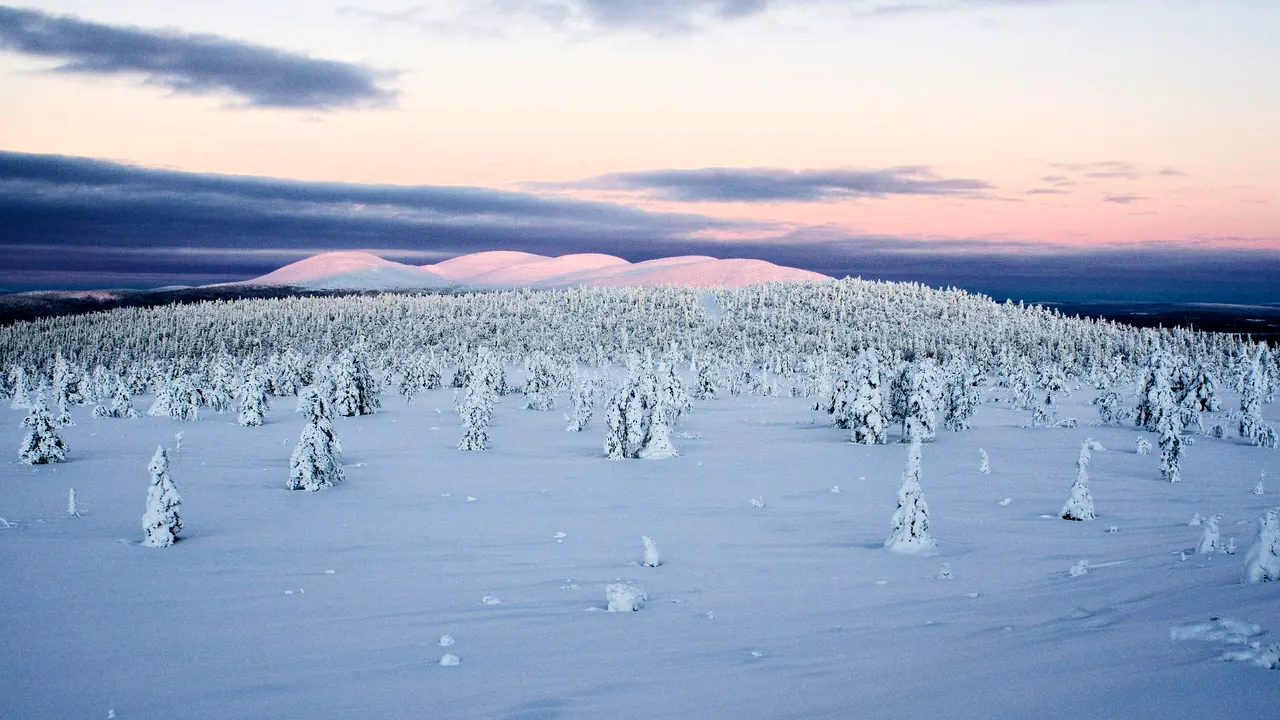
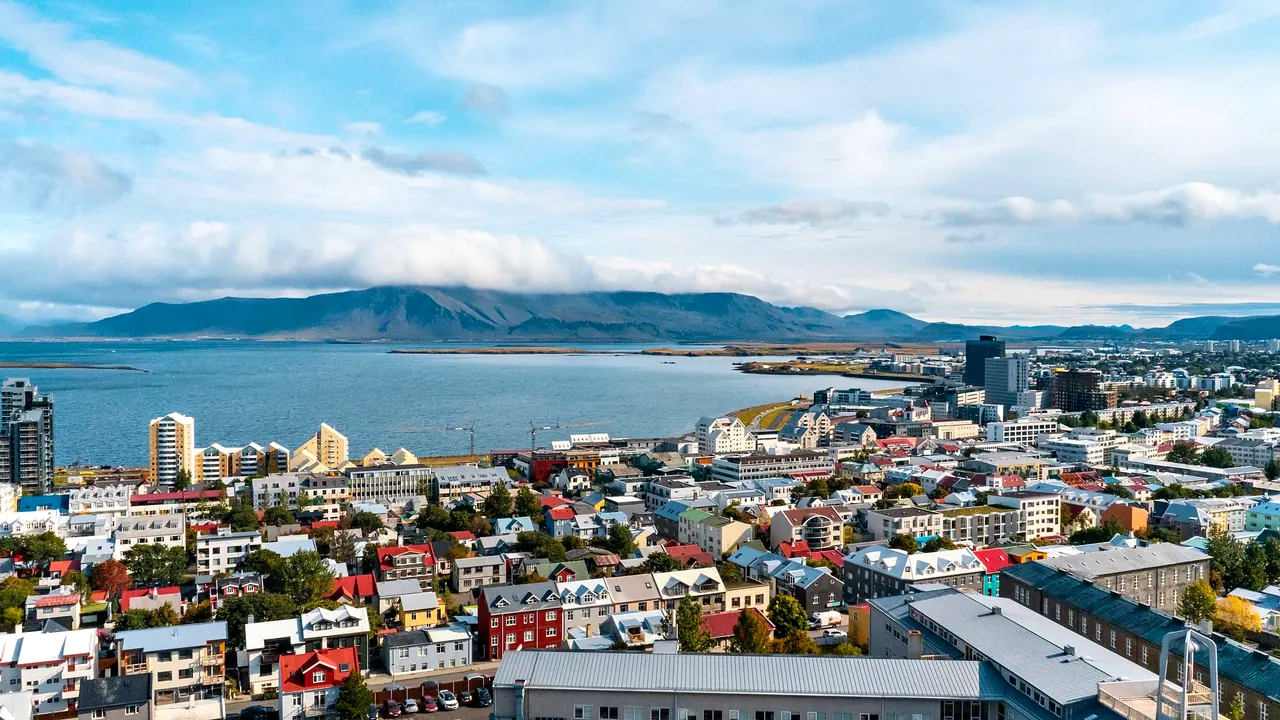
Photos: Lapland by Petr Vodička, CC BY-SA 4.0, cropped; Reykjavik by Atlantic Ambience, Pexels License.
Lapland or Reykjavik?
Our verdict in twelve categories, each scored against the same fixed benchmark cities, and the climate month by month, so you can choose for your trip.
Choose Lapland for
- families
- prices
- culture and sights
Lapland is the choice for a winter trip built around snow: a Christmas visit with young children, husky and reindeer sledding, ski days at Levi or Ylläs, and evenings in a cabin sauna watching the sky for the northern lights. It works best from one base. In return for silence and space, you give up most restaurants, bars and stage shows.
Choose Reykjavik for
- live music and the arts
- nightlife
- day trips
Choose Reykjavik if you want a small capital as well as wild country. Its geothermal pools, weekend bar crawl, concerts at Harpa and wider choice of places to eat are all within walking distance. Waterfalls, geysers and lava fields are close enough for day tours. It costs even more than Lapland and the weather is rougher, but there is more to do in the evening.
Scoreboard
Twelve categories on one fixed scale from 0 to 100. The shaded stretch is the gap between the two.
Your match
Pick a travel style or drag the sliders, and both match scores follow your weighting.
Wins on families and prices with your weighting.
Wins on live music and the arts and nightlife with your weighting.
What matters to you?
Category by category
What the scores mean for a trip.
Beaches & swimming
Neither is a place to swim for pleasure. In a good July, Lapland offers a cool dip from the sandy banks of the Ounasjoki or the lake shores around Inari. Even so, the swim most visitors remember is the plunge through a hole in the ice between sauna rounds.
Reykjavik is on the sea, but the North Atlantic is colder and the shore is mostly rock and black sand. Its one sandy cove, Nauthólsvík, is worth a quick plunge because geothermal water warms its lagoon. Proper swimming happens in the city's heated outdoor pools.
Food & drink
Both kitchens cook what the land and water provide, but Reykjavik gives you more places to eat it. The streets around Laugavegur and the Old Harbour have cafés, bakeries, bistros and New Nordic kitchens cooking cod, lamb and greenhouse vegetables. Lamb soup makes an easy lunch, and lamb hot dogs from harbour stands make an easy snack.
In Lapland, most meals are eaten at the resort, the lodge or around a fire on a safari. That means reindeer with lingonberries, salmon cooked by the flames, baked cheese with coffee, and Sámi smoked meat and fish around Inari. These are dishes worth remembering, but there is little café life and almost no street food.
Culture & sights
The two are broadly level, but the culture comes in different forms. Lapland's culture lives in its museums and in Sámi life. Highlights are Siida in Inari, the Sajos parliament building and the Arktikum in Rovaniemi, plus Alvar Aalto's buildings in a town rebuilt after 1944. The sights are spread out, with Inari far to the north of Rovaniemi.
Reykjavik's sights are compact and fit into a day or two on foot. You can climb Hallgrímskirkja's tower and see Harpa on the harbour. The Settlement Exhibition is built around a Viking-age longhouse, and the old town of painted iron houses lies beside Tjörnin lake.
Nightlife
Reykjavik is clearly the better night out. On Friday and Saturday the runtur moves through small bars around Laugavegur and Austurvöllur, which turn into dance floors after midnight. In midsummer people walk out into daylight at closing time.
In Lapland, nightlife means Levi's après-ski bars and a few clubs, loudest in late winter and at Easter. Ylläs, Saariselkä and Rovaniemi are quieter. Most evenings end in the sauna, because a husky ride starts the next morning.
Nature & outdoors
Both are first-class wild country, but in different ways. Lapland is gentle and vast: rounded fells, spruce forest and lakes, the national parks of Pallas-Yllästunturi, Urho Kekkonen and Lemmenjoki, and the steeper landscape around Kilpisjärvi. Months of deep snow bring sledding, snowshoeing and long groomed ski trails.
Reykjavik's surroundings are more dramatic and more varied. You get the rift at Þingvellir, Strokkur geyser, the waterfalls of the south coast, guided walks on the ice at Sólheimajökull, the lava fields of Reykjanes, and whale and puffin boats from the Old Harbour. Both offer the northern lights. In Iceland the weather is harsher and decides each day's plan.
Day trips
Reykjavik has more places to visit on a day out, though the attraction is still mainly the scenery. Þingvellir, where the parliament met from 930, is the great historic stop. Skálholt, the saga centre at Borgarnes, Snorri Sturluson's Reykholt and the wooden merchant houses of Eyrarbakki break up a scenic drive.
In Lapland, days out mostly head into the snow rather than to other towns. The coast offers an icebreaker trip from Kemi and a walk across the border from Tornio into Sweden. Inari is a short hop from Saariselkä. After that, the list runs out.
Good for families
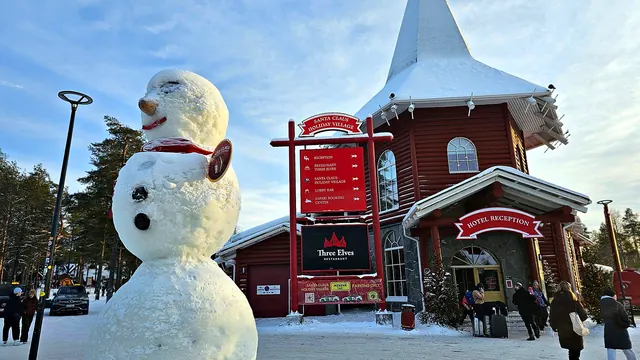
Lapland is the better family choice, especially at Christmas. Santa Claus Village, the Santa cave park, Ranua's bears and Arctic animals, husky and reindeer rides, and gentle slopes with ski schools at Levi or Saariselkä make the trip for younger children. The catch is December darkness and deep cold, which are hard on toddlers.
Reykjavik is safe and relaxed, and its outdoor pools with slides and hot tubs are a daily treat. Laugardalur's animals and rides and Perlan's ice cave add more. Beyond that, it means long coach days to the geysers and waterfalls.
Getting around
Reykjavik is easier. Hallgrímskirkja, Laugavegur, Tjörnin and the harbour are all within a short walk, and buses reach the pools and Perlan. You still need a hire car or a tour to see the country.
Lapland works if you stay put. You fly to Rovaniemi, Kittilä or Ivalo and take a short transfer, and safari operators collect you from your lodgings. Moving between areas means long drives on snow and ice in the dark, with reindeer on the road.
Shopping & style
Neither is a shopping trip, but Reykjavik fills an afternoon better. Laugavegur and Skólavörðustígur offer hand-knitted lopapeysa sweaters, design shops working with lava stone and fish leather, record shops and a weekend flea market in the harbour.
Lapland's worthwhile buys are few but very local: Sámi duodji in antler, leather and silver around Inari, puukko knives and good cold-weather clothing.
Affordability
Both are expensive, but Lapland gives you more ways to cut costs. A cabin with a kitchen and sauna, cooking for yourself, free ski trails, and a visit in late winter or summer rather than December all bring the bill down a long way. The safaris are what add up.
In Reykjavik even a simple guesthouse, a plain meal or a drink costs a lot, and car hire and tours come on top. The cheap pools, supermarkets and bakeries help, but less than you would hope.
Live music & performing arts
Reykjavik is far ahead. Harpa is home to the Iceland Symphony Orchestra and stages opera, and small venues in the centre host local alternative and electronic bands most weekends. Iceland Airwaves in late autumn and the Arts Festival in spring add more.
Lapland has the Lapland Chamber Orchestra in Rovaniemi and a Sámi music festival in Inari, where you can hear yoik. Beyond those, live music means a band in a ski-resort bar.
Wellness & relaxation
Both make hot water and cold air the point of a stay, but Reykjavik does it better and in public. Neighbourhood pools such as Laugardalslaug and Vesturbæjarlaug have hot tubs, cold plunges and steam rooms where locals soak and chat. The Blue Lagoon lies on the way to the airport.
Lapland's version is private and quiet. You get a sauna in your own cabin, lakeside smoke saunas, a dip through the ice and a silence that is hard to find in Reykjavik. There are spa hotels in Levi and Saariselkä for days of bad weather.
When should you go?
Pick your month. The climate figures are measured averages, not a forecast.
Lapland in July
Reykjavik in July
Daytime high, °C
Rainfall in the month, mm
Where the figures come from
Lapland has no rain gauge within 25 km of the centre, so its rainfall comes from a gridded climate dataset read at the destination rather than from a gauge further away.
Temperature and rainfall are climate normals, averaged over the years shown. Lapland: 2008-2020 (rainfall 1991-2020) normals, Rovaniemi Rautatieasema / Kuusela (0.6 km from centre). Reykjavik: 1991-2020 normals, Reykjavik (2.3 km from centre).
Where most Lapland visitors stay, the year swings hard between seasons. Summer is mild, with highs around 21°C in July, but it is also the wettest stretch. Snow covers the ground from about November to April, and January highs sit near -8°C, so winter means cold, dry and dark. Late winter and early spring bring snow along with returning daylight. Early September is the gentlest time for walking in the forest.
Reykjavik never gets that cold or that warm. Highs stay just above freezing through winter and reach only about 15°C in July, while the sea peaks around 11°C. That is no beach weather at any time of year. The real difference there is rain and light. Autumn and winter are wet, with December the wettest month at about 97mm, and December also has almost no sunshine. Late spring and early summer are the driest and brightest months, with May the sunniest, so that is the best time for the city and the country around it.
Which traveller are you?
On a family trip with young children, Lapland wins, because the snow, the animals and the whole Christmas story are close to a single base. Reykjavik suits older children, who cope better with long excursions and changeable weather.
For a food and nightlife trip, Lapland gives you a few memorable meals and the odd loud weekend in a ski resort, but not much choice from one night to the next. Reykjavik wins because dinner, drinks and dancing are all in one centre you can walk around.
On a tight budget, Lapland is the more forgiving of these two expensive places, because much of the money goes on safaris you can cut back. In Reykjavik, high prices come with every bed, meal and drink, so there is much less you can cut.
Before you go
| Measure | Lapland | Reykjavik |
|---|---|---|
| Official language | Finnish, Swedish | Icelandic |
| Currency | Euro (EUR) | Iceland Krona (ISK) |
| Sockets | CF230 V, 50 Hz | CF230 V, 50 Hz |
| Driving side | Right | Right |
| Time zone | UTC+2, UTC+3 in summer | UTC |
| Emergency number | 112 | 112 |
| Elevation | - | 8 m |
| Main airport | Rovaniemi Airport (RVN)44 non-stop destinations | Keflavik International Airport (KEF)37 km from centre88 non-stop destinations |
| Public holidays this year | 15 days | 16 days |
By the numbers
| Measure | Lapland | Reykjavik |
|---|---|---|
| Population | 176,215 | 138,772 |
| People per km² | - | 569 |
| Museums within 10 km | - | 23 |
| UNESCO World Heritage sites within 50 km | - | 1 |
| Swim season, months above 21 °C | - | None |
Where else could you go?
Every comparison below shares a destination with this one, so you can follow Lapland or Reykjavik somewhere new.
- Tromsovs Lapland
- Lofotenvs Lapland
- Norwegian Fjordsvs Lapland
- Bergenvs Reykjavik
- Oslovs Reykjavik
- Tromsovs Reykjavik