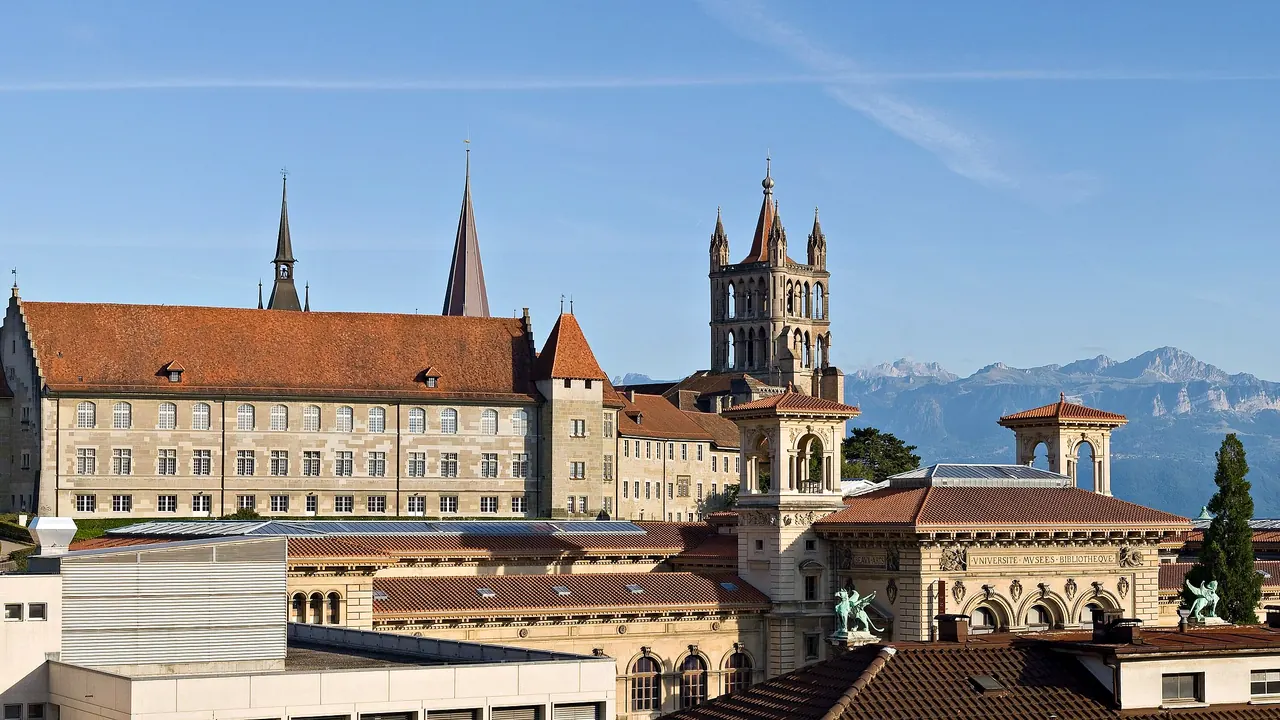
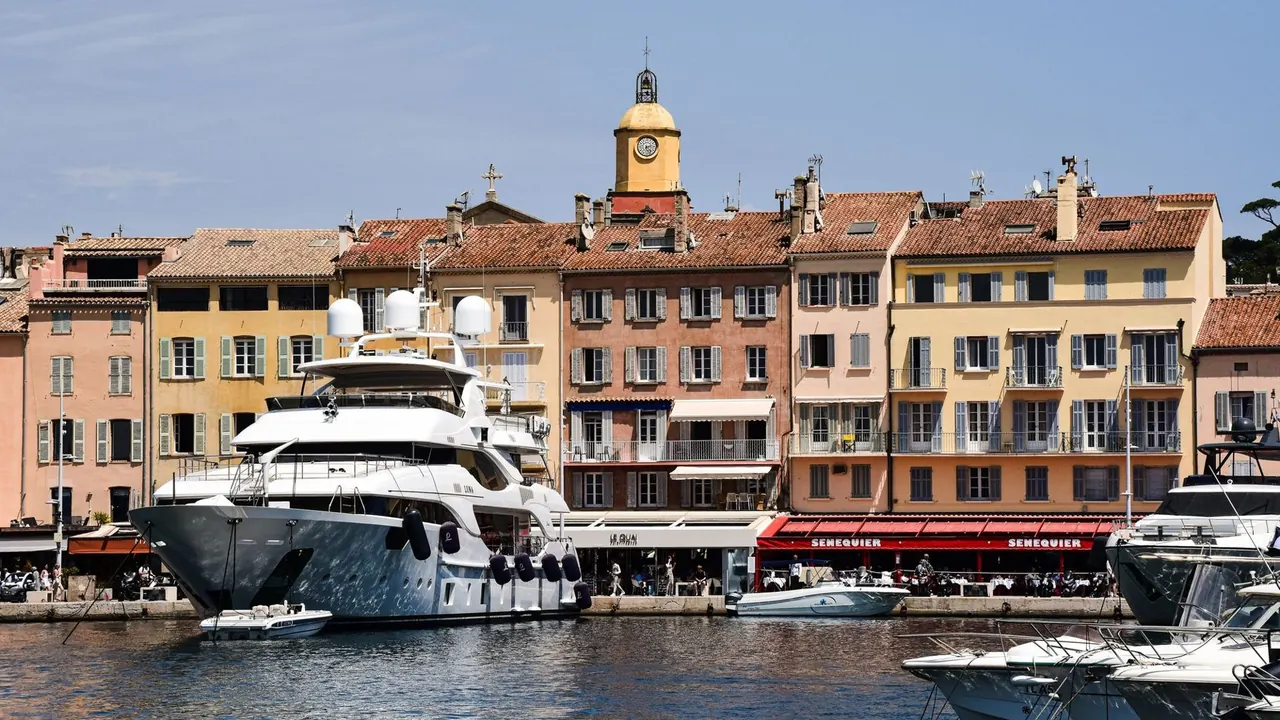
Photos: Lausanne by Christian Mehlführer, CC BY-SA 3.0, cropped; Saint-Tropez by AXP Photography, Pexels License.
Lausanne or Saint-Tropez?
Our verdict in twelve categories, each scored against the same fixed benchmark cities, and the climate month by month, so you can choose for your trip.
Choose Lausanne for
- getting around
- live music and the arts
- day trips
Lausanne suits travellers who want a base rather than a resort. It combines a cathedral town and good museums with vineyard walks, the Alps and a serious stage programme. Trains reach Bern, Geneva, Gruyères and Chillon easily, so you don't need a car. It works in every season, and it is the easier choice with children.
Choose Saint-Tropez for
- beaches
- shopping
- nightlife
Pick Saint-Tropez for a summer of sand and sea. It has Pampelonne, clear warm water, the coastal path, luxury boutiques and a glamorous late-night scene in July and August. It is a place to settle into rather than explore from, because every outing depends on crowded roads, and outside the warm months much of the town closes.
Scoreboard
Twelve categories on one fixed scale from 0 to 100. The shaded stretch is the gap between the two.
Your match
Pick a travel style or drag the sliders, and both match scores follow your weighting.
Wins on getting around and live music and the arts with your weighting.
Wins on beaches and shopping with your weighting.
What matters to you?
Category by category
What the scores mean for a trip.
Beaches & swimming
Lausanne offers lake bathing rather than beaches. From late June to early September people swim from the lawns, piers and shingle at Vidy and Bellerive and towards Lutry, and the old Bellerive lido makes a good summer afternoon.
Saint-Tropez is the place for a proper beach. Pampelonne has about 5km of fine pale sand and clear sea, the coves at Escalet and Cap Taillat are quieter, and the swimming season is longer and warmer. The catch is that the best sand lies several kilometres outside the town.
Food & drink
Lausanne eats a little better, mostly thanks to its wine and its everyday Vaudois cooking: lake perch, papet vaudois and winter fondue, with Chasselas tasted straight from the growers in the Lavaux caveaux. The Saturday market around Riponne is good for cheese and charcuterie.
Saint-Tropez has grilled fish, bouillabaisse, rosé and the tarte tropézienne, and its market on the Place des Lices is lovely. Many quayside restaurants sell the view more than the cooking, though, and much of the town closes in winter. Both have excellent top-end tables and few cheap ones.
Culture & sights
Lausanne has more for a cultural stay. There is the Gothic cathedral, where a night watchman still calls the hours, the steep old town around Place de la Palud, the Olympic Museum at Ouchy and the cluster of museums at Plateforme 10. Together they take two or three days.
Saint-Tropez has one notable museum, the Annonciade, with its pointillist and Fauvist views of the harbour, plus the citadel and the lanes of La Ponche. That makes a pleasant day's sightseeing, but the setting is the real attraction.
Nightlife
In summer Saint-Tropez is the livelier place. Afternoon beach-club parties at Pampelonne lead to champagne on the harbour and then to well-known clubs that stay open until dawn. The style is moneyed, with dress codes, and the scene fades by October.
Lausanne's nights are smaller, but they go on all year and are kept going by students. The clubs and late bars sit in the converted warehouses of the Flon, the wine bars in the old town, and in summer evenings move to the lakeside at Ouchy. It is busy at weekends and quiet on weeknights.
Nature & outdoors
Both have a superb setting, but Lausanne has more within reach. The Lavaux terraces make one of Switzerland's finest vineyard walks and the lake is good for sailing and paddleboarding. The Vaud Alps and the Jura, about an hour away, add skiing, Glacier 3000 and long hikes in every season.
Saint-Tropez's outdoors are coastal. There is the Sentier du Littoral past coves to the capes of Camarat and Taillat, hiking in the Massif des Maures, snorkelling off the rocky points, and the national park islands of Port-Cros and Porquerolles. In summer, heat and the risk of forest fires can close trails.
Day trips
Lausanne is much the better base. Trains reach Montreux and the Château de Chillon in about twenty minutes and Geneva and Bern in about an hour. Gruyères, Fribourg and Murten are easy too, and boats cross to Évian, all without a car.
From Saint-Tropez the outings are charming but modest: the hilltop villages of Ramatuelle and Gassin, Grimaud's castle, a boat to Port Grimaud, the wine estates and, further off, Porquerolles. Most need a car, and the roads jam badly in July and August.
Good for families
Lausanne suits children better. The Olympic Museum is hands-on, the aquarium-vivarium and the animal park and pedal boats at Sauvabelin fill whole days, and the paddle steamers turn the lake into an outing. The steep streets are the main drawback.
Saint-Tropez has gently shelving sand at Pampelonne and Gigaro, which small children enjoy. Beyond the beach, though, most of the town is aimed at adults, and summer traffic and heat make everything harder work.
Getting around
Lausanne is steep but well connected. The m2 metro climbs more than 300m from the lake to the upper town, buses and boats fill the gaps, and the station sits on the fast Swiss rail network, so you won't need a car.
Saint-Tropez itself is tiny and easy to walk, but there is no railway, the buses are slow and the beaches are kilometres away. Most visitors rely on a car, a scooter or taxis. The passenger boats across the gulf are the best way to avoid the summer jams.
Shopping & style
In Lausanne, shopping is mostly about a few quality purchases: a Swiss watch or chocolate on Rue de Bourg, or a bottle of Lavaux wine. The streets around Saint-François and the Flon add the usual chains.
Saint-Tropez is far more rewarding to shop in, with a remarkable cluster of summer boutiques from the big fashion houses behind the port. It also has resort wear, hand-made Tropézienne sandals, and linen, baskets and pottery at the Place des Lices market. Much of it shuts in winter.
Affordability
Both are among the most expensive places you could choose, and neither is easier on a budget. What differs is how you can soften the cost. Lausanne is expensive all year, but efficient public transport, free lakeside promenades and supermarket picnics help, and a glass of Chasselas in a village caveau is good value.
In Saint-Tropez the bill peaks in July and August, when loungers, taxis and parking come on top. Staying across the gulf, or coming in late spring or autumn, softens it a little.
Live music & performing arts
Lausanne has a stage life far beyond its size. It is home to the Béjart Ballet and the Prix de Lausanne for young dancers, contemporary theatre at Vidy, a full opera season and a respected chamber orchestra. In July the Montreux Jazz Festival is a short train ride away.
Saint-Tropez offers summer open-air concerts on the citadel and the Bravade procession each May, but little else. Serious opera or theatre means a long drive to Toulon or Nice.
Wellness & relaxation
Lausanne is the more restful choice overall. You can take slow walks on the Ouchy and Vidy promenades or through the Lavaux vines, use the grand lakeside hotel spas, and reach the thermal springs at Yverdon-les-Bains and Lavey-les-Bains within an hour by train.
Saint-Tropez can be calm too, but only outside high summer. In May, June and September it slows to long lunches and pétanque under the plane trees. Its spas are mostly for hotel guests.
When should you go?
Pick your month. The climate figures are measured averages, not a forecast.
Lausanne in July
Saint-Tropez in July
Daytime high, °C
Rainfall in the month, mm
Where the figures come from
Lausanne's temperatures are measured 40 km from the centre, at Payerne.
Lausanne has no rain gauge within 25 km of the centre, so its rainfall comes from a gridded climate dataset read at the city rather than from a gauge further away.
Saint-Tropez has no rain gauge within 25 km of the centre, so its rainfall comes from a gridded climate dataset read at the city rather than from a gauge further away.
Saint-Tropez's sunshine is measured 62 km from the centre, at Nice.
Temperature and rainfall are climate normals, averaged over the years shown. Lausanne: 1991-2020 (sunshine 1961-1990) normals, Payerne (39.7 km from centre). Saint-Tropez: 1999-2020 (sunshine 1991-2020, rainfall 1991-2020) normals, Le Luc (24.2 km from centre).
Lausanne is at its best from late May to September. Highs reach around 26°C in July, the lake is warm enough for a swim and the Lavaux paths are pleasant underfoot. Rain falls all through the year and is in fact heaviest in summer, often as showers. Winter in town is grey and cold at around 4°C, although the mountains above are often sunny and good for skiing.
Saint-Tropez is warmer and much sunnier in every month. The sea is warm enough to swim from June to September and reaches about 24°C in August. July and August are almost dry but reach 32°C, which is hot for walking the coast path in the middle of the day. May, June and September are the most comfortable months for walking and sightseeing. The rain comes in October and is heaviest in November, at about 155mm. Winters are mild but quiet.
Which traveller are you?
For a beach and sun trip, Saint-Tropez is the clear pick. Pampelonne's long sandy beach, warm clear sea and quieter southern coves beat Lausanne's short season of lake bathing from lawns and shingle, and the sunshine is far more reliable.
On a culture and arts trip, Lausanne gives you much more to do: the Gothic cathedral and old town, the Olympic Museum, Plateforme 10 and the Art Brut collection, plus ballet, opera and the Théâtre de Vidy. Saint-Tropez's sights fit into a single day.
On a family trip with children, Lausanne is easier. The aquarium-vivarium, the hands-on Olympic Museum, the Sauvabelin woods and the lake steamers fill several days, and trains do the work of a car. Saint-Tropez has good sandy beaches but little else for children.
Before you go
| Measure | Lausanne | Saint-Tropez |
|---|---|---|
| Official language | French, German, Italian, Romansh | French |
| Currency | Swiss Franc (CHF) | Euro (EUR) |
| Sockets | CJ230 V, 50 Hz | CE230 V, 50 Hz |
| Driving side | Right | Right |
| Time zone | UTC+1, UTC+2 in summer | UTC+1, UTC+2 in summer |
| Emergency number | 112 | 112 |
| Elevation | 495 m | 0 m |
| Main airport | Geneva International Airport (GVA)52 km from centre150 non-stop destinations | Nice-Côte d'Azur Airport (NCE)64 km from centre130 non-stop destinations |
| Public holidays this year | 9 days | 11 days |
By the numbers
| Measure | Lausanne | Saint-Tropez |
|---|---|---|
| City population | 144,873 | 3,582 |
| People per km² | 3,499 | 320 |
| Museums within 10 km | 31 | 4 |
| UNESCO World Heritage sites within 50 km | 3 | 0 |
| Swim season, months above 21 °C | - | 3 months |
Where else could you go?
Every comparison below shares a destination with this one, so you can follow Lausanne or Saint-Tropez somewhere new.
- Cannesvs Saint-Tropez
- Antibesvs Saint-Tropez
- Genevavs Lausanne
- Nicevs Saint-Tropez
- Chamonixvs Lausanne
- Bernvs Lausanne