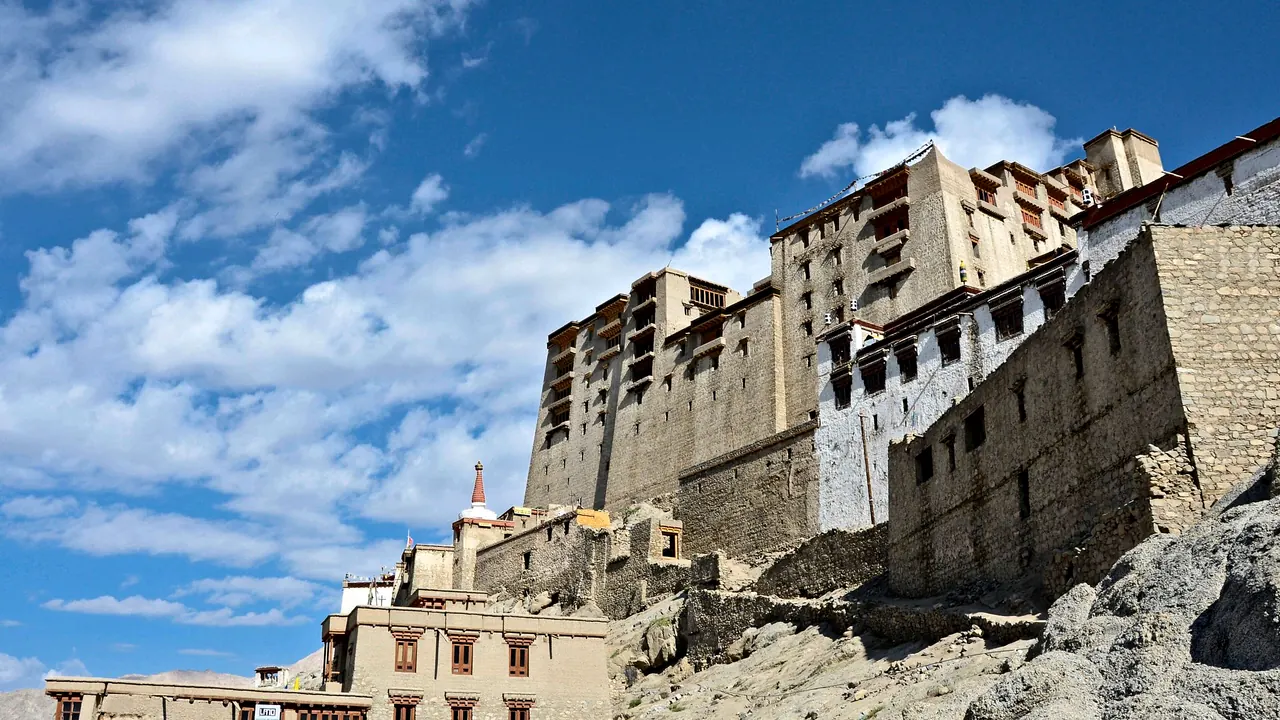
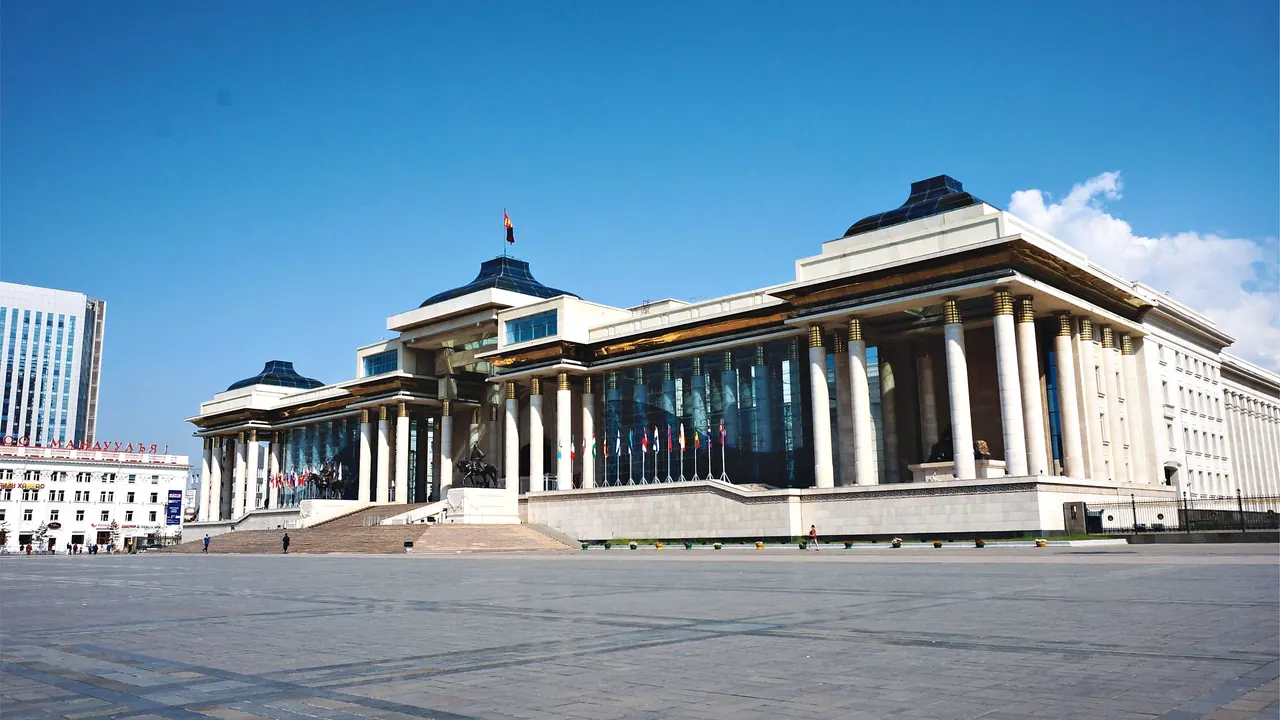
Photos: Leh by Rayan Naqash, CC BY-SA 3.0, cropped; Ulaanbaatar by MBVisign, Pexels License.
Leh or Ulaanbaatar?
Our verdict in twelve categories, each scored against the same fixed benchmark cities, and the climate month by month, so you can choose for your trip.
Choose Leh for
- day trips
- nature and the outdoors
- prices
Leh is for the traveller who wants the mountains and the monasteries and little else. The Indus valley gives you trekking, rafting and passes above 5,000m, and within a drive lie Thiksey, Hemis and the painted temples of Alchi. Guesthouses cost little, and evenings end early on a rooftop. It asks for a few slow days of acclimatising, and it is no place for young children.
Choose Ulaanbaatar for
- live music and the arts
- nightlife
- families
Ulaanbaatar makes more sense if you want a capital with evenings to fill and the steppe close at hand. You get a throat-singing show, the opera house, cashmere to buy and a night out on Seoul Street, then a ger camp and horses in Terelj only a short drive away. Families and anyone wary of altitude will find it the easier of the two, as long as they come in summer.
Scoreboard
Twelve categories on one fixed scale from 0 to 100. The shaded stretch is the gap between the two.
Your match
Pick a travel style or drag the sliders, and both match scores follow your weighting.
Wins on day trips and nature and the outdoors with your weighting.
Wins on live music and the arts and nightlife with your weighting.
What matters to you?
Category by category
What the scores mean for a trip.
Beaches & swimming
Neither city has any swimming to speak of. Leh's snowmelt rivers are for rafting and looking at, whereas in Ulaanbaatar local families at least paddle in the shallow Tuul in high summer, and a hotel pool is the only real place to swim.
Food & drink
Both kitchens are hearty rather than refined, but Ulaanbaatar gives you more to choose from. Besides buuz, khuushuur and stone-cooked khorkhog, a capital's range of Korean barbecue, Russian food and steak houses runs all year, along with a proper beer and vodka culture.
Leh's momos, thukpa and skyu are warming. The rooftop cafés along Fort Road and in Changspa serve trekkers well, and the Indian menus make it the easier of the two for vegetarians. But much of it closes outside summer, and the apricots are the most distinctive thing on the table.
Culture & sights
Both cities have equal cultural weight, and both draw on a Buddhist past, but you see it in different ways. In Leh it is the townscape itself: the nine-storey palace, the Namgyal Tsemo ridge and a mud-brick old town of chortens and lanes, with only modest museums.
Ulaanbaatar is the place for museums. The gilded bronzes in the Zanabazar collection, the Bogd Khan's Winter Palace and the Chinggis Khaan museum stand among Soviet blocks, with Gandan's monks chanting close by. Each takes two or three days at most.
Nightlife
Ulaanbaatar has a real night out, small as it is. Around Sukhbaatar Square and Seoul Street there are pubs, karaoke rooms and a few large clubs playing local hip-hop until late at weekends. Leh has none of this: a beer with a rooftop dinner is the whole evening, and the cold and the dawn starts send everyone to bed early.
Nature & outdoors
Leh's surroundings are on a different scale. Treks through Hemis National Park start within an hour or two, the road climbs to Khardung La for the mountain-bike descent, rafts run the Indus and Zanskar gorges, and Pangong Tso and the Nubra dunes lie further out. Winter adds snow leopard tracking and the frozen Chadar trek.
Ulaanbaatar's nature is gentler and closer to the ground. You can hike the larch forests of Bogd Khan Uul from the southern suburbs, ride across the Terelj valleys or look for takhi wild horses at Hustai. In return there is no altitude to adjust to, though city traffic eats time on the way out.
Day trips
Here Leh is far ahead. Thiksey and Shey are less than half an hour away, Hemis about an hour, and the thousand-year-old murals at Alchi make one of the finest days of early Buddhist art anywhere. The outings are nearly all monasteries, but they are of the highest quality.
From Ulaanbaatar the usual choices are the steel Chinggis Khaan statue, the ruins of Manzushir and a visit to a herding family. The great historic site, Kharkhorin with Erdene Zuu, needs an overnight stay.
Good for families
Ulaanbaatar is the more workable choice with children, mainly because of what lies outside it: ger nights, horse rides and marmot-spotting, plus the Gobi fossils at the dinosaur museum. The city itself, with its traffic and broken pavements, is less friendly.
Leh brings families to high altitude in a single flight, so young children risk altitude sickness, and the outings mean long drives on mountain roads. It works only for older teenagers who are keen on rafting or trekking.
Getting around
Both centres can be walked, though in Leh the climb from the Main Bazaar to the old town is hard work in the thin air. Ulaanbaatar is a little easier because ride-hailing and cheap buses fill the gaps, even if the traffic is heavy. Leh depends on the fixed-rate taxi union, hired motorbikes and shared jeeps. In both cities, any trip into the countryside means hiring a driver.
Shopping & style
Ulaanbaatar has the better shopping, and cashmere is the reason: factory outlets and the long-established State Department Store on Peace Avenue sell good sweaters and blankets. There are also felt crafts and horse-head fiddles, and Narantuul market is rough but fun.
Leh's Main Bazaar has pashmina, thangkas, turquoise jewellery and solid trekking gear. However, the same stock repeats from stall to stall and quality varies, so you need to check carefully what you buy.
Affordability
Leh is the cheaper place to stay, with family guesthouses and plates of momos costing very little. The extra costs are the taxi union's fares and the permits for the outer valleys.
Ulaanbaatar is cheap at street level, but central hotels and Western-style restaurants cost closer to Southern European levels. The driver, guide and vehicle you need for the steppe can cost more than everything else on the trip.
Live music & performing arts
Leh has no theatre or concert hall, and its performances are religious ones. Masked cham dances fill the monastery courtyards at the Hemis festival in summer and around Losar, the Tibetan New Year. Seeing one in its original setting is deeply moving if your dates match, but on other days there is little to go to beyond the odd cultural evening for tourists.
Ulaanbaatar is far better for a night at a show. On most summer evenings its traditional performances put the same masked dance, here called tsam, on stage alongside khoomei throat singing, the morin khuur fiddle, long song and contortionists. The salmon-pink opera and ballet house on Sukhbaatar Square adds European classics and Mongolian works, and in July Naadam brings ceremony and music to the city.
Wellness & relaxation
Neither city is built for pampering, but Leh gives more room to slow down. You get quiet guesthouse roofs, meditation courses at the Buddhist centres and consultations with amchi healers, although the thin air disturbs sleep for the first few days.
Ulaanbaatar's noise, traffic and smoky winters make it tiring, and it offers only hotel spas and Korean saunas. Real rest comes from leaving for a ger camp in Terelj.
When should you go?
Pick your month. The climate figures are measured averages, not a forecast.
Leh in July
Ulaanbaatar in July
Daytime high, °C
Rainfall in the month, mm
Where the figures come from
Leh has no weather station within reach, so its figures come from a gridded climate model rather than a measured record, and read a broad area rather than the city itself.
Temperature and rainfall are climate normals, averaged over the years shown. Leh: 1991-2020 normals, TerraClimate 4 km grid at the town, no weather station within 90 km. Ulaanbaatar: 1991-2020 normals, Ulaan-Baator (2.9 km from centre).
Both cities share a short warm season and a hard winter, but their weather runs in opposite ways. Leh is very dry all year, with barely any rain in any month. From June to September it is pleasant for walking and trekking, peaking around 25°C in July, while May and October are cool but clear. From November to March the days hover around freezing and the high passes can close.
Ulaanbaatar reaches much the same summer warmth, 26°C in July, but almost all its rain falls in summer, about 71mm in July, mostly as showers between long sunny spells. That is also when the steppe turns green, so June to early September is still the time to go. Its winter is far harsher than Leh's, with daytime highs around -16°C in January, which leaves little to do in the city beyond going indoors.
Which traveller are you?
On an outdoors trip, Leh is the stronger choice. The Markha valley trek, the climb to Khardung La, rafting in the Zanskar gorges and the lakes beyond make a far larger range than Ulaanbaatar's day hikes and horse rides, provided you allow time to acclimatise.
For a food and nightlife trip, Ulaanbaatar wins. Korean barbecue, Russian kitchens, buuz canteens and summer airag give it more range at the table, and karaoke rooms and weekend clubs run late, while Leh goes to bed straight after dinner.
On a family trip with children, Ulaanbaatar is the safer bet. Sleeping in a ger, gentle steppe horses and the dinosaur fossils in town all appeal to children, while Leh's sudden altitude and long mountain drives make it suitable only for robust teenagers.
Before you go
| Measure | Leh | Ulaanbaatar |
|---|---|---|
| Official language | Hindi, English | Mongolian |
| Currency | Indian Rupee (INR) | Tugrik (MNT) |
| Sockets | CM230 V, 50 Hz | CE220 V, 50 Hz |
| Driving side | Left | Right |
| Time zone | UTC+5:30 | UTC+8 |
| Emergency number | 108 or 112 | 105 |
| Elevation | 3,500 m | 1,350 m |
| Main airport | Leh Kushok Bakula Rimpochee Airport (IXL)5 km from centre5 non-stop destinations | Ulaanbaatar Chinggis Khaan International Airport (UBN)31 km from centre38 non-stop destinations |
| Public holidays this year | - | 10 days |
By the numbers
| Measure | Leh | Ulaanbaatar |
|---|---|---|
| City population | 30,870 | 1,396,288 |
| People per km² | - | 297 |
| Museums within 10 km | 2 | 19 |
| UNESCO World Heritage sites within 50 km | 0 | 0 |
Where else could you go?
Every comparison below shares a destination with this one, so you can follow Leh or Ulaanbaatar somewhere new.