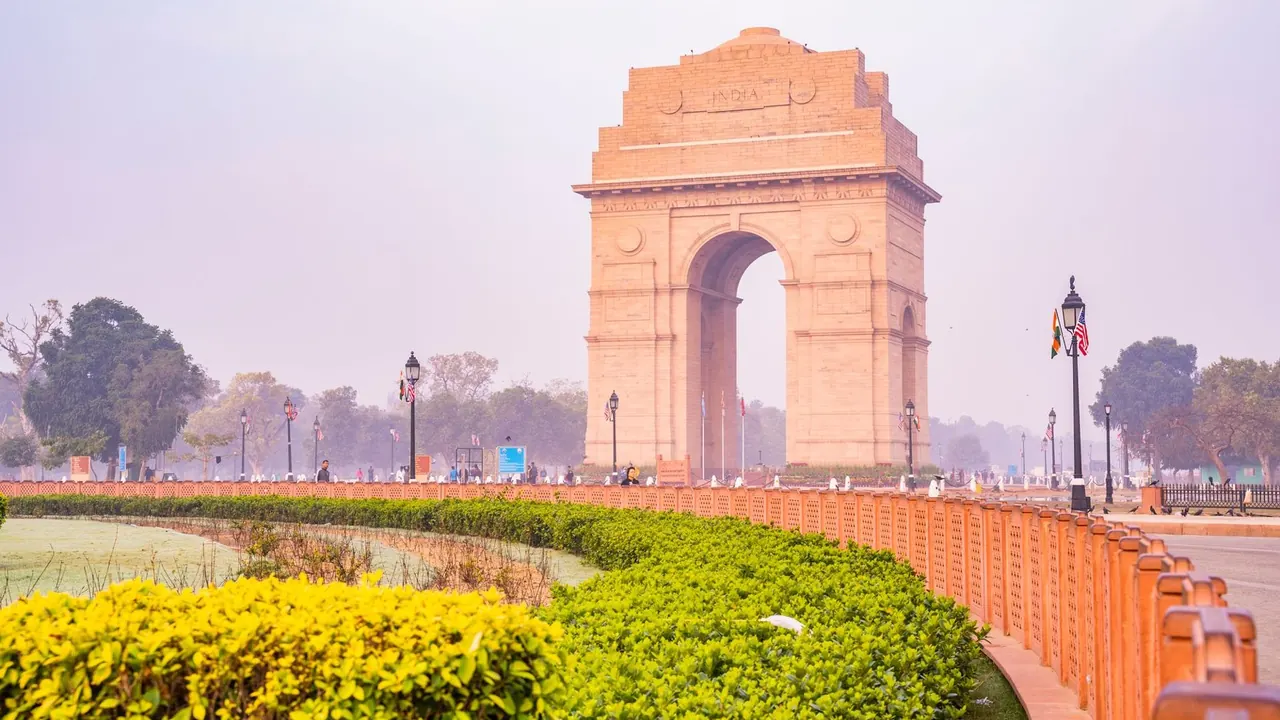
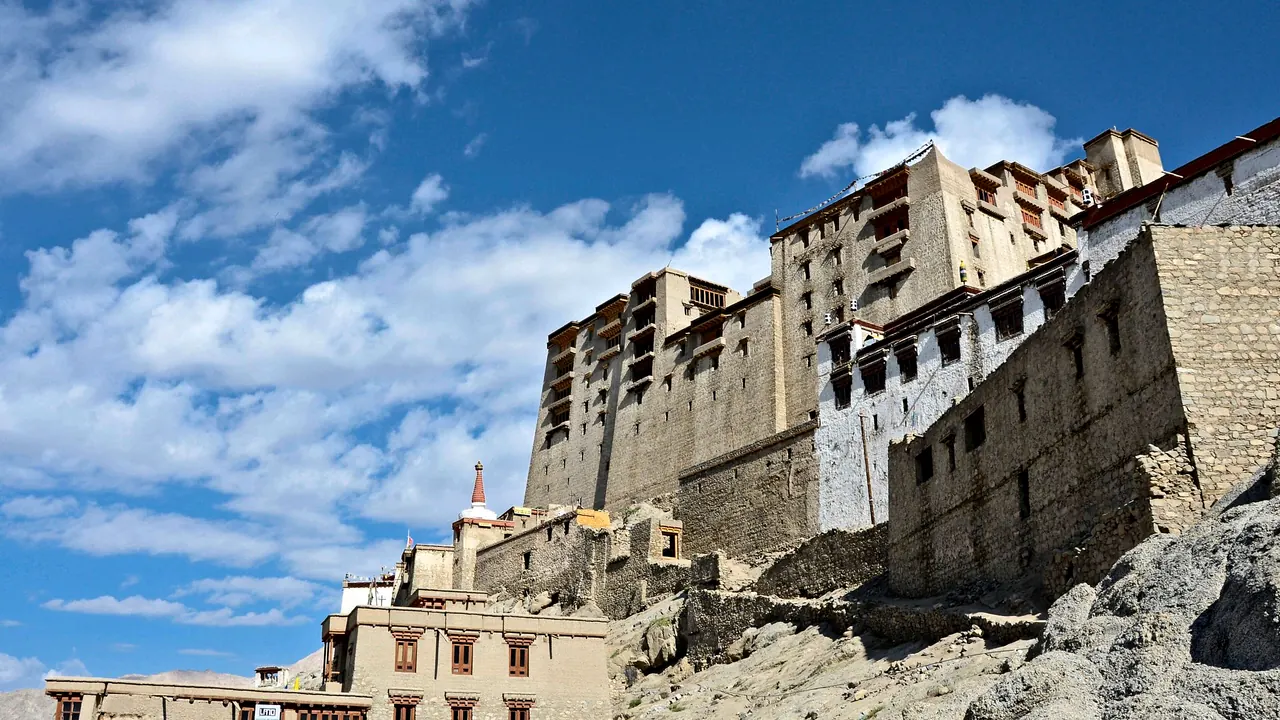
Photos: Delhi by shalender kumar, Pexels License; Leh by Rayan Naqash, CC BY-SA 3.0, cropped.
Delhi or Leh?
Our verdict in twelve categories, each scored against the same fixed benchmark cities, and the climate month by month, so you can choose for your trip.
Choose Delhi for
- food and drink
- shopping
- live music and the arts
Delhi suits a traveller who wants a big, layered city: Mughal tombs and mosques, the street food of Old Delhi, craft bazaars from every corner of India and classical music in the cooler months, all at low cost and much of it within reach of the metro. It is the better choice for a first visit to India, for families and for anyone who wants an evening out. In return you have to put up with heat or smog, heavy traffic and long journeys between the sights.
Choose Leh for
- nature and the outdoors
- wellness
Leh is for mountains rather than city life. It is a small, quiet base high in the Indus valley for treks, high passes, rafting and some of the finest painted Buddhist monasteries anywhere. It rewards travellers who are happy with simple food, early nights and a few slow days to get used to the altitude. It suits young children, shoppers and anyone hoping for restaurants or nightlife far less well.
Scoreboard
Twelve categories on one fixed scale from 0 to 100. The shaded stretch is the gap between the two.
Your match
Pick a travel style or drag the sliders, and both match scores follow your weighting.
Wins on food and drink and shopping with your weighting.
Wins on nature and the outdoors and wellness with your weighting.
What matters to you?
Category by category
What the scores mean for a trip.
Beaches & swimming
Neither city has any swimming to speak of. In Delhi the Yamuna is no place for a dip and the coast is a flight away, so the useful water is a hotel pool in the hot months. In Leh the Indus and the high lakes are fed by snowmelt and stay icy even in summer, so the water is for rafting and for looking at. Beach lovers in either city fly on to Goa or Kerala.
Food & drink
Delhi is one of India's great places to eat. The lanes around Chandni Chowk and Jama Masjid serve stuffed parathas, nihari, kebabs and jalebi, and this is the city that gave the world butter chicken and dal makhani. Above street level, South Delhi and the grand hotels cover every Indian region and offer refined tasting menus.
Leh eats plainly and warmly: momos, thukpa, Ladakhi skyu and salty butter tea, with apricots as the local pride. The rooftop cafés around the Main Bazaar and Changspa feed trekkers well, but the food is filling rather than memorable, and much of it shuts outside summer.
Culture & sights
Delhi has far more to see, with centuries of capitals layered on top of each other. The Red Fort, Humayun's Tomb and the Qutb Minar are all UNESCO sites, and Jama Masjid, the Lodi tombs and the imperial avenue from India Gate to Rashtrapati Bhavan can fill a week, though the distances between them call for planning.
Leh's own heritage is striking but small. The nine-storey palace modelled on the Potala, the mud-brick old town and the view from Shanti Stupa can be seen in a day or two, and its most remarkable monasteries lie outside the town.
Nightlife
Delhi has a real night out, even if it is scattered. Rooftop bars sit above the old reservoir at Hauz Khas Village, there are pubs under the colonnades of Connaught Place and bigger clubs and brewpubs in Gurugram, with a taxi between each. Leh has almost none: a late dinner on a terrace, perhaps a beer, and bed, since the cold and the early starts for the passes empty the streets early.
Nature & outdoors
This is where Leh leaves Delhi far behind. The town sits in the Indus valley among bare, many-coloured mountains with the snowy Stok range above it. Treks through the Markha valley begin within a couple of hours, Khardung La rises above 5,000m, and the dunes of Nubra and the long blue Pangong Tso make overnight trips. In winter there is snow leopard tracking and the frozen Chadar trek.
Delhi offers Lodhi Gardens, Sunder Nursery and the scrubby Ridge forest, and good birdwatching at Okhla and Sultanpur in winter, but the heat, the monsoon and the smog limit time outdoors.
Day trips
Both cities make good bases for day trips, but of very different kinds. From Delhi the outings are varied: the Taj Mahal and Agra Fort a short express train ride away, the Krishna pilgrimage towns of Mathura and Vrindavan, and the hilltop fort at Neemrana on the Rajasthan road.
From Leh the choice is narrower but extraordinary. A string of monasteries runs along the Indus, from Thiksey and Hemis to the thousand-year-old painted temples of Alchi, and you reach them by hired car rather than by train.
Good for families
Delhi is the easier of the two with children, though still demanding. The National Rail Museum's steam engines, the zoo, the science centre and the water parks in Noida and Gurugram give children something to look forward to, and late winter brings clearer air.
Leh is much harder going. The single flight up to altitude is a real health risk for young children, the outings are long mountain drives, and the town has nothing made for them. Only robust teenagers who want to trek or raft really enjoy it.
Getting around
Delhi has the metro, a clean, air-conditioned network signed in English with an express line to the airport and stations near most monuments. The city's size and clogged roads still make every day a matter of planning. Leh's centre is small enough to walk, if breathlessly, but everything beyond it depends on union taxis, hired motorbikes or shared jeeps on slow mountain roads, and some passes close in winter.
Shopping & style
Delhi is a marketplace for the whole country. Dilli Haat and the emporiums on Baba Kharak Singh Marg sell crafts from every state, Old Delhi has Khari Baoli's spices and Kinari Bazaar's trimmings, and Khan Market and Shahpur Jat stock Indian designers and block-printed homeware.
Leh's shopping fits into the Main Bazaar: pashmina, thangkas, turquoise jewellery, prayer flags and good trekking gear. Much of the stock repeats from stall to stall and the quality varies.
Affordability
Both are cheap places to stay, and Delhi is the cheaper of the two day to day. Its street food, metro and auto-rickshaws cost very little, and only the grand hotels and imported drinks approach Western prices. In Leh, guesthouses, homestays and bowls of thukpa are inexpensive, but the fixed taxi-union fares, days of car hire, permits for the outer valleys and summer hotel rates add up quickly.
Live music & performing arts
Delhi has a proper stage life. In the cooler months the halls around Mandi House and Lodhi Road put on Hindustani recitals and Kathak and Bharatanatyam dance, the National School of Drama anchors the theatre, and qawwali at the Nizamuddin shrine is free and unforgettable.
Leh has no theatres or concert halls. Its performance is the masked cham dance in monastery courtyards, at the Hemis festival in summer and around Losar. These are deeply moving if you can time your visit to one.
Wellness & relaxation
Neither city is truly restful, but for different reasons. Delhi wears you down with noise, traffic and winter smog, and the relief it offers is pampering: Ayurvedic treatments in the big hotel spas and quiet early mornings in Lodhi Gardens. Leh is calm and contemplative, with meditation courses and amchi medicine, but the thin air disturbs sleep for the first days, and it has very little spa culture.
When should you go?
Pick your month. The climate figures are measured averages, not a forecast.
Delhi in July
Leh in July
Daytime high, °C
Rainfall in the month, mm
Where the figures come from
Leh has no weather station within reach, so its figures come from a gridded climate model rather than a measured record, and read a broad area rather than the city itself.
Temperature and rainfall are climate normals, averaged over the years shown. Delhi: 1991-2020 normals, New Delhi / Safdarjung (9.4 km from centre). Leh: 1991-2020 normals, TerraClimate 4 km grid at the town, no weather station within 90 km.
The two cities are at their best at opposite ends of the year. Delhi's good season runs from October to March, when days are dry, sunny and comfortable for walking between monuments, though winter mornings can be hazy. From April the heat builds until May reaches about 40°C, far too hot for sightseeing on foot. The monsoon follows from late June, peaks in August at around 236mm, and is still heavy in September. Only in October do the rains really stop.
Leh is a summer place. From June to September the days are mild and dry, with highs near 25°C in July, and rain barely matters in any month because the town sits in the Himalayan rain shadow. Winter is bitterly cold, with January highs of about -3°C, and some passes close. To combine the two, go in early October. Delhi has just dried out but is still warm, and Leh is cooling to highs around 15°C while staying dry, so pack warm layers for its nights.
Which traveller are you?
For an outdoors trip, Leh is the clear choice. Treks in Hemis National Park, the road up to Khardung La, rafting on the Indus and Zanskar and the lakes further out are all within reach, while Delhi has only gardens and is held back by heat and smog.
On a food and nightlife trip, Delhi wins easily. Old Delhi's parathas, nihari and kebabs, chaat carts and serious restaurants in the south of the city lead into rooftop bars at Hauz Khas Village and clubs in Gurugram. Leh offers noodle soup and an early night.
On a shopping trip, choose Delhi. It gathers textiles, embroidery and woodwork from across India at Dilli Haat and the state emporiums, and adds spice and fabric bazaars in Old Delhi and designer boutiques in Shahpur Jat. Leh's Main Bazaar has pashmina and thangkas but repeats itself quickly.
Before you go
| Measure | Delhi | Leh |
|---|---|---|
| Official language | Hindi, English | Hindi, English |
| Currency | Indian Rupee (INR) | Indian Rupee (INR) |
| Sockets | CM230 V, 50 Hz | CM230 V, 50 Hz |
| Driving side | Left | Left |
| Time zone | UTC+5:30 | UTC+5:30 |
| Emergency number | 108 or 112 | 108 or 112 |
| Elevation | 221 m | 3,500 m |
| Main airport | Indira Gandhi International Airport (DEL)17 km from centre144 non-stop destinations | Leh Kushok Bakula Rimpochee Airport (IXL)5 km from centre5 non-stop destinations |
By the numbers
| Measure | Delhi | Leh |
|---|---|---|
| City population | 26,495,000 | 30,870 |
| People per km² | 18,962 | - |
| Museums within 10 km | 23 | 2 |
| UNESCO World Heritage sites within 50 km | 4 | 0 |
Where else could you go?
Every comparison below shares a destination with this one, so you can follow Delhi or Leh somewhere new.