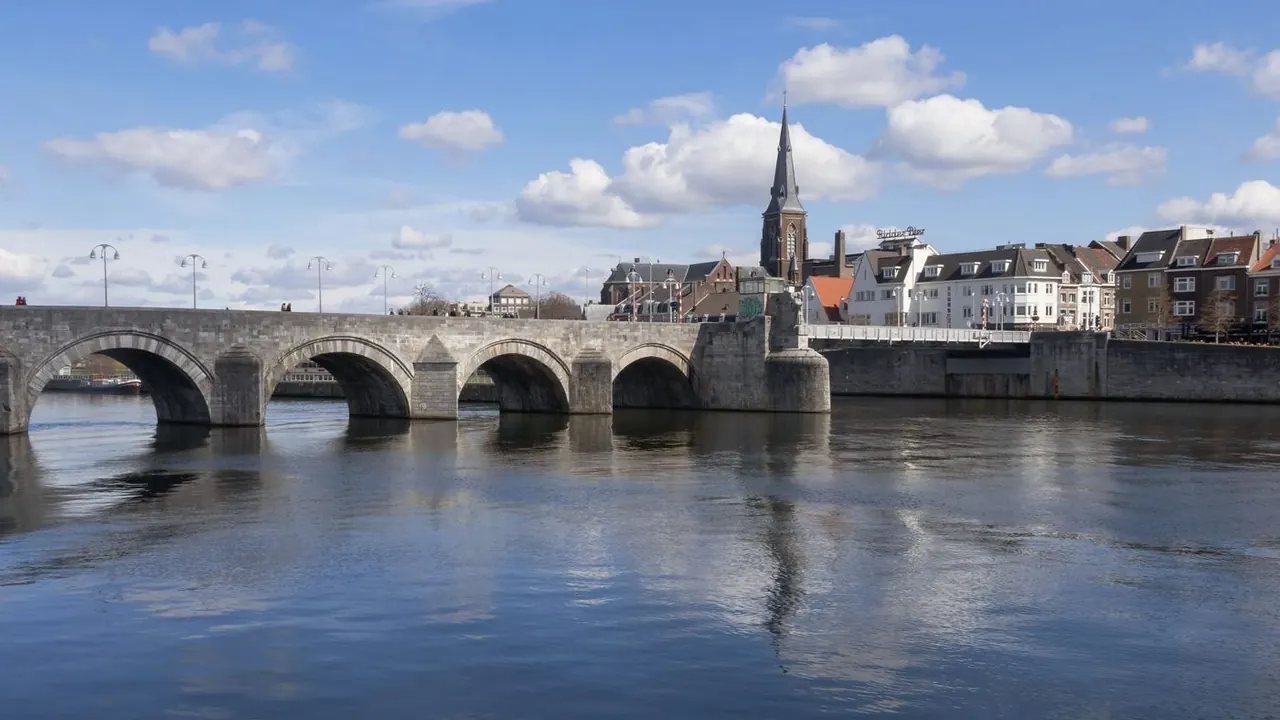
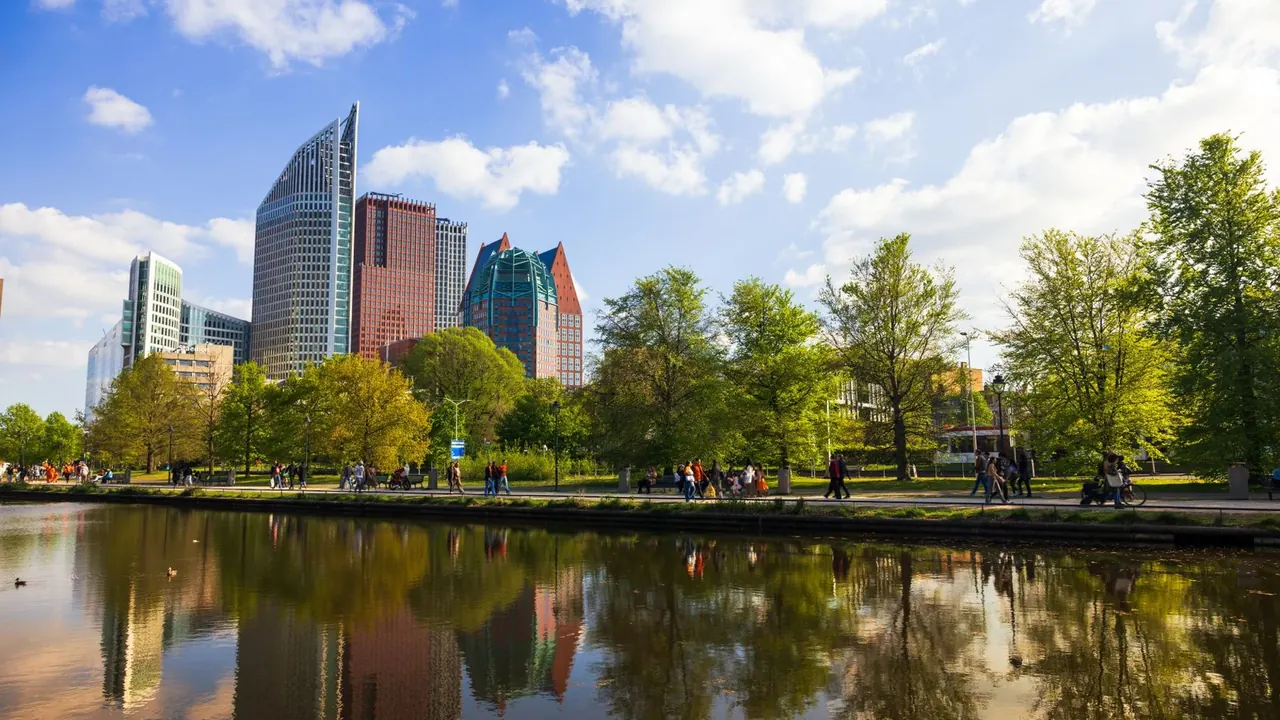
Photos: Maastricht by Michielverbeek, CC BY-SA 4.0, cropped; The Hague by Bráulio jardim, Pexels License.
Maastricht or The Hague?
Our verdict in twelve categories, each scored against the same fixed benchmark cities, and the climate month by month, so you can choose for your trip.
Choose Maastricht for
- food and drink
- wellness
- nature and the outdoors
Maastricht suits a slower, almost southern short break. You get long lunches of Limburg cooking and Belgian beer, walks over the Sint-Pietersberg and into the hills of the Heuvelland, thermal baths nearby and easy hops into Belgium and Germany. It is the better choice for couples and friends who care more about eating well and gentle countryside than about a beach or a full programme for children.
Choose The Hague for
- beaches
- live music and the arts
- families
For families, art lovers and anyone who wants the sea a tram ride away, The Hague is the stronger pick. Vermeer and Rembrandt at the Mauritshuis, Nederlands Dans Theater on stage, Madurodam and the sands of Scheveningen for the children, and Delft, Leiden and Amsterdam all close by give it more to fill a longer stay.
Scoreboard
Twelve categories on one fixed scale from 0 to 100. The shaded stretch is the gap between the two.
Your match
Pick a travel style or drag the sliders, and both match scores follow your weighting.
Wins on food and drink and wellness with your weighting.
Wins on beaches and live music and the arts with your weighting.
What matters to you?
Category by category
What the scores mean for a trip.
Beaches & swimming
Here the gap is real. Maastricht has no coast at all, only gravel-pit lakes along the Maas for a lifeguarded swim on a hot afternoon. The Hague has Scheveningen, a long, wide sandy beach with a pier and promenade a quarter of an hour from the centre by tram, plus the quieter dune-backed shore at Kijkduin.
Even so, The Hague's beach is for lying in the sun rather than swimming. The North Sea stays cold and choppy, and dips are short. Still, it is the only one of the two where the seaside can shape a day.
Food & drink
Maastricht eats better. Food is central to its appeal: zuurvlees with fries, vlaai from every bakery, asparagus and game in season, local white wines, and fine dining that is unusually strong for its size, all served on terraces around the Vrijthof and in Wyck.
The Hague's strength is narrower but distinctive. Its Indonesian cooking, from a full rijsttafel to quick plates of rendang and sate, is better than almost anywhere outside Indonesia, and Scheveningen harbour adds fish and early-summer herring. Beyond that the cooking is plainer, so The Hague gives you one cuisine done exceptionally well, while Maastricht does a whole regional table well.
Culture & sights
The Hague edges ahead because of the art in its museums. The Mauritshuis holds Vermeer's Girl with a Pearl Earring and Rembrandt's Anatomy Lesson. The Kunstmuseum has its Mondrians and there is the vast Panorama Mesdag, all near the Binnenhof and the Peace Palace, the centres of national and international government.
Maastricht's strength is its age rather than its masterpieces. It has two Romanesque basilicas, the Helpoort and medieval walls along the Jeker, the old Sint Servaasbrug and the tunnels of the Sint-Pietersberg. That makes a fine two days of wandering, but apart from the Bonnefanten there is less to see indoors.
Nightlife
Neither city is made for a big night out, and from both the serious clubbers take a train elsewhere. Maastricht's evenings get their energy from students, who keep the brown cafés around the Markt and the Platielstraat busy late at weekends in term. Its carnival turns the whole city into a street party for days before Lent.
The Hague is earlier and more grown-up, with after-work terraces on the Plein and a busier weekend crowd on the Grote Markt. In summer, though, it has something Maastricht cannot match: beach pavilions at Scheveningen where sundowners turn into music and dancing.
Nature & outdoors
Maastricht has the more varied outdoors, because this is where the Netherlands finally gets hills. There are marl cliffs on the Sint-Pietersberg, the green Jeker valley, orchards and sunken lanes across the Heuvelland, and heath at Hoge Kempen over the Belgian border, all good for walkers and road cyclists.
The Hague is entirely flat but has the coast. It offers the sand hills and ponds of Meijendel, the old Haagse Bos forest near the centre, long beach walks and wind for kitesurfing. Pick it for sea air and Maastricht for climbs and farmland views.
Day trips
Both make superb bases, but The Hague has more within an hour. Delft and Leiden are about fifteen minutes away and Rotterdam and Gouda not much further. Amsterdam, Haarlem, Utrecht, the windmills of Kinderdijk and the Keukenhof bulb fields are all easy day trips.
Maastricht offers a mix of countries rather than a dense cluster of towns. Aachen and Liège are about half an hour away, Tongeren and Valkenburg are nearer still, and Cologne or Brussels make longer outings. It suits travellers who want three languages in a week, while The Hague suits those who want to see the heart of the Netherlands.
Good for families
The Hague is clearly easier with children. Madurodam's miniature country, the beach and pier at Scheveningen with its sea aquarium, Museon and the Duinrell water park can fill a week, and trams take pushchairs without fuss.
Maastricht is calm and safe, but most of its pleasures are for adults. The tunnel tour of the Sint-Pietersberg is the main outing in town. Most other children's trips, such as the show caves and fairy-tale park at Valkenburg or the zoo at Kerkrade, mean leaving the city.
Getting around
Both cities are flat, good for cycling and easy to get around, but they work differently. Maastricht is a walking city. Almost everything is within a fifteen-minute stroll on either side of the Maas, the station is just over the bridge in Wyck, and only the hill villages call for a bike or a car.
The Hague is more spread out, with the beach, Madurodam and the Peace Palace too far to walk, so you will lean on its trams. In return, its two stations put Delft, Leiden and Rotterdam as close as a suburb.
Shopping & style
The two are close for shopping, and the difference is in style. Maastricht is the place for fashion. The restored houses of the Stokstraat quarter hold designer boutiques that draw Belgian and German weekenders, and Wyck adds independent shops for interiors and vintage.
The Hague leans towards antiques and galleries on the Denneweg and Noordeinde and a covered stroll through the 1880s Passage. It also has the huge Haagse Markt, full of fabrics and spices from the city's many communities. Neither city has much in the way of luxury shopping.
Affordability
Both charge Dutch prices, and neither is cheap. In Maastricht you save by walking everywhere, eating simple bakery lunches and staying from Sunday to Thursday, when the weekend visitors have left.
The Hague works the other way round. Government and business travellers fill its central hotels midweek, so weekends outside the beach season are the better buy, and Indonesian and Surinamese eateries give you a filling meal for less than a sit-down Dutch one.
Live music & performing arts
The Hague has the stronger stage, mainly because it is home to Nederlands Dans Theater, one of the world's leading contemporary dance companies. The Residentie Orkest and the Royal Conservatory's early-music concerts add to that, though most of the drama is in Dutch.
Maastricht's programme centres on the theatre on the Vrijthof, with the regional orchestra and opera. It adds organ concerts in the churches and big open-air summer concerts on the square. It makes for a pleasant evening out rather than a reason to go.
Wellness & relaxation
Maastricht is better placed for a spa break, although the baths are just outside town. The thermal pools above Valkenburg, Aachen's springs, used since Roman times, and the Belgian town of Spa are all within an hour. The city's slow lunches and riverside walks help you unwind too.
The Hague offers the Dutch day sauna instead: large complexes of saunas, plunge pools and gardens where nudity is usually the rule. The grand Kurhaus recalls Scheveningen's days as a bathing resort, but none of those historic baths is still in use, so the city's real asset is its quiet, orderly pace.
When should you go?
Pick your month. The climate figures are measured averages, not a forecast.
Maastricht in July
The Hague in July
Daytime high, °C
Rainfall in the month, mm
Where the figures come from
The Hague has no rain gauge within 25 km of the centre, so its rainfall comes from a gridded climate dataset read at the city rather than from a gauge further away.
The Hague's sunshine is measured 60 km from the centre, at De Bilt.
Temperature and rainfall are climate normals, averaged over the years shown. Maastricht: 1991-2020 normals, Maastricht Airport Zuid Limburg (10 km from centre). The Hague: 1991-2020 normals, Valkenburg (13.6 km from centre).
The two cities share a mild, damp climate, so the best time for either is late spring to early autumn. Maastricht is inland and further south, so its summers are warmer, with afternoons around 24°C in July and August against about 21°C on the coast. That makes its terraces and hill walks especially pleasant from May to September, and the countryside around it is at its best in spring and early autumn.
The beach season in The Hague is short. The North Sea only reaches about 19°C in August, so July and August are the months for sunbathing and a brisk dip. Autumn is wetter on the coast, with around 92mm of rain a month from September to December, and the sea wind makes winter feel raw. In both cities the months from November to February are cool, grey and short of sunshine, best spent in museums and cafés.
Which traveller are you?
On a family trip with children, The Hague is the easy choice. Madurodam, the sandy beach and pier at Scheveningen, the sea aquarium and the Duinrell water park are all close and linked by trams, while Maastricht's best outings for children mean a trip to Valkenburg.
For a culture and arts trip, The Hague again comes out ahead. Vermeer and Rembrandt at the Mauritshuis, Mondrian at the Kunstmuseum and Nederlands Dans Theater on stage outweigh Maastricht's Romanesque basilicas and the Bonnefanten, and Delft and Leiden are a short ride away.
On a relaxing and wellness trip, Maastricht is the better fit. There are thermal pools above Valkenburg and in Aachen, both within half an hour. The food rewards long lunches on quiet squares, and the gentle hills of the Heuvelland are made for unhurried walks.
Before you go
| Measure | Maastricht | The Hague |
|---|---|---|
| Official language | Dutch | Dutch |
| Currency | Euro (EUR) | Euro (EUR) |
| Sockets | CF230 V, 50 Hz | CF230 V, 50 Hz |
| Driving side | Right | Right |
| Time zone | UTC+1, UTC+2 in summer | UTC+1, UTC+2 in summer |
| Emergency number | 112 | 112 |
| Elevation | 49 m | 1 m |
| Main airport | Maastricht Aachen Airport (MST)9 km from centre5 non-stop destinations | Rotterdam The Hague Airport (RTM)16 km from centre53 non-stop destinations |
| Public holidays this year | 11 days | 11 days |
By the numbers
| Measure | Maastricht | The Hague |
|---|---|---|
| City population | 120,227 | 548,320 |
| People per km² | 2,000 | 5,589 |
| Museums within 10 km | 21 | 54 |
| UNESCO World Heritage sites within 50 km | 5 | 4 |
| Swim season, months above 21 °C | - | None |
Where else could you go?
Every comparison below shares a destination with this one, so you can follow Maastricht or The Hague somewhere new.