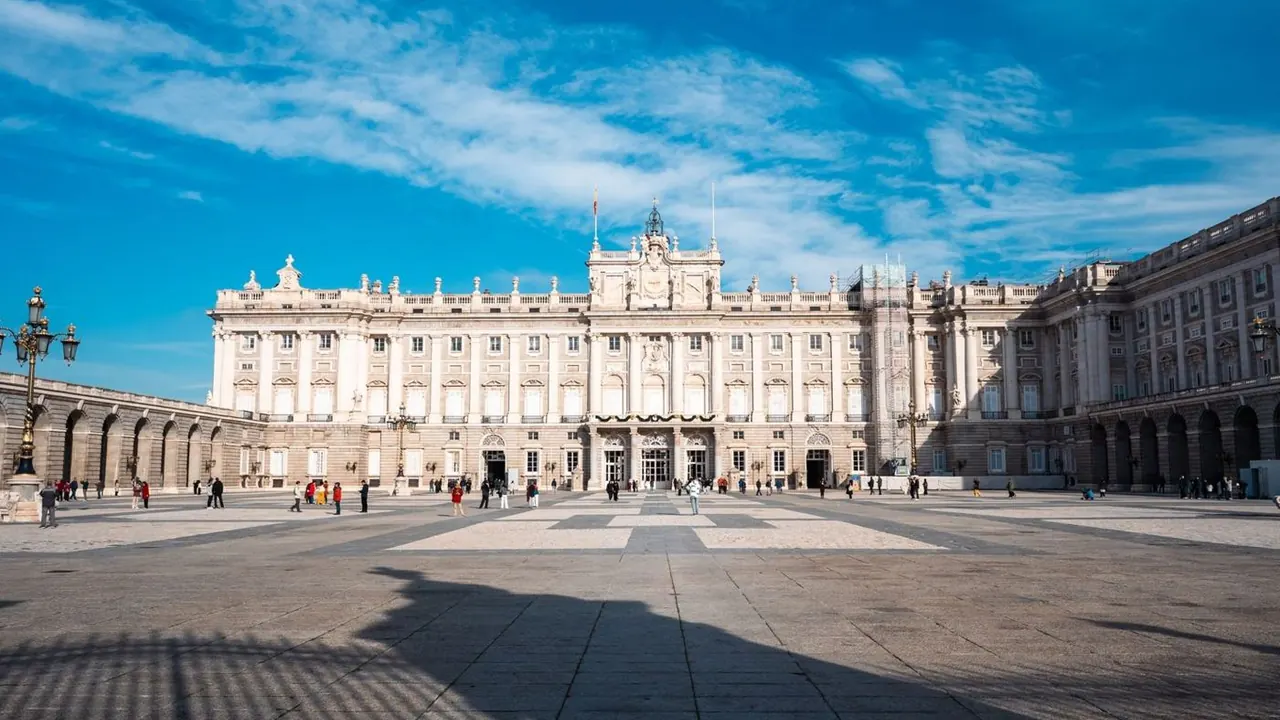
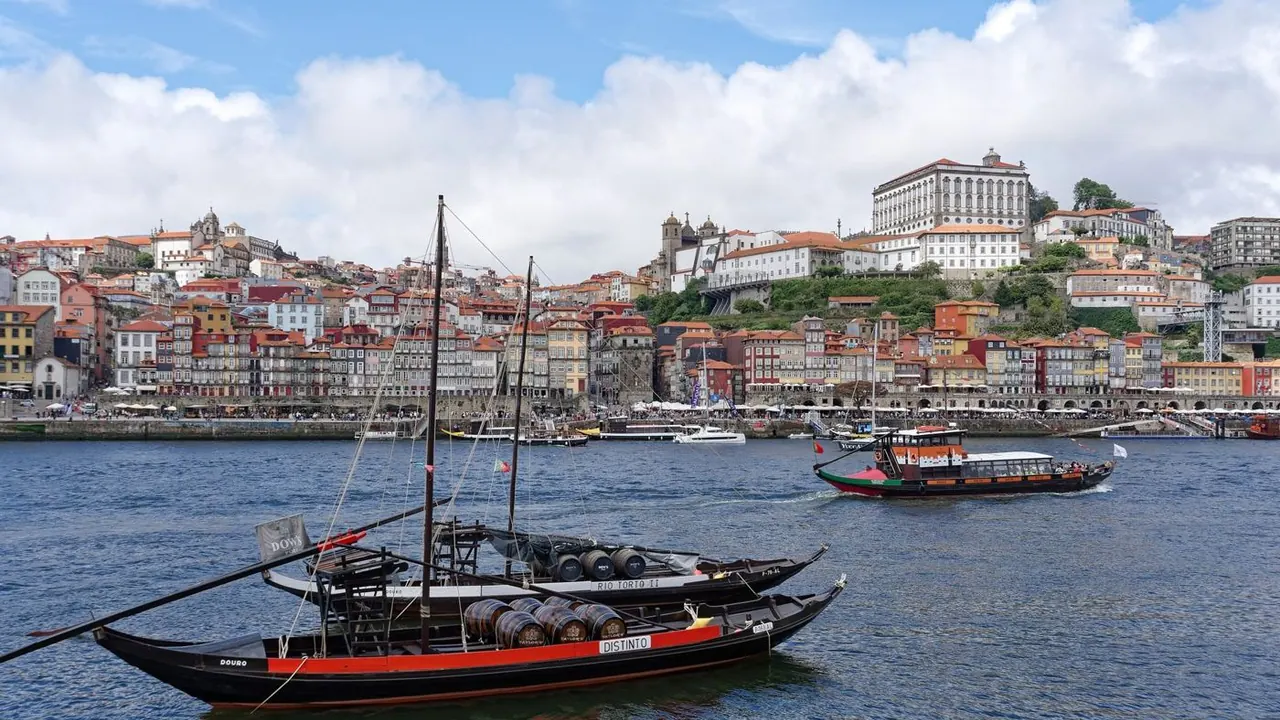
Photos: Madrid by Mert Ocak, Pexels License; Porto by Jakub Hałun, CC BY 4.0, cropped.
Madrid or Porto?
Our verdict in twelve categories, each scored against the same fixed benchmark cities, and the climate month by month, so you can choose for your trip.
Choose Madrid for
- live music and the arts
- shopping
- nightlife
Madrid suits travellers who want a capital at full scale. Three great art museums sit within a short walk of each other, the nights run past dawn, opera, flamenco and Gran Vía musicals fill the stages, and fast trains reach Toledo, Segovia and Salamanca. It is also the easier city to get around: flat in the centre and well served by the metro, which helps families and anyone short of time.
Choose Porto for
- beaches
- prices
- nature and the outdoors
Porto is the better pick for a smaller, cheaper and more scenic trip. Its tiled old town climbs above the Douro, there are port tastings in the Gaia lodges and grilled fish in Matosinhos, and the Atlantic shore is a metro ride away. All of that makes up for fewer museums and stages. Expect steep cobbles and a cool sea, and come for the atmosphere rather than the size.
Scoreboard
Twelve categories on one fixed scale from 0 to 100. The shaded stretch is the gap between the two.
Your match
Pick a travel style or drag the sliders, and both match scores follow your weighting.
Wins on live music and the arts and shopping with your weighting.
Wins on beaches and prices with your weighting.
What matters to you?
Category by category
What the scores mean for a trip.
Beaches & swimming
Madrid has no beach at all. The sea is too far for a day out, so summer swimming means the municipal pools or the reservoirs below the Sierra de Guadarrama. Porto has real sand on its doorstep: Foz do Douro, the broad beach at Matosinhos half an hour away by metro, and the quieter Gaia shore towards Espinho.
Even so, the Atlantic limits what Porto's beaches can offer. The water is cold, fog often lies over summer mornings and the surf can be rough. Treat a beach afternoon as a walk and a quick dip, not the reason for the trip.
Food & drink
Both cities eat heartily, but Madrid has more range. On top of the tapas crawl along Cava Baja, around Santa Ana and in Lavapiés, it has cooking from every Spanish region and a serious tier of tasting menus, so a long stay never has to repeat itself.
Porto's food is narrower but very much its own: francesinha, tripe and bacalhau in family tascas, sardines and octopus grilled over charcoal on the pavements of Matosinhos, and port in the Gaia cellars. There is less fine dining and international cooking than in the Spanish capital.
Culture & sights
For art, Madrid is in another league. The Prado, the Reina Sofía with Guernica and the Thyssen-Bornemisza along the Paseo del Prado can fill several days. The Royal Palace and Plaza Mayor add royal grandeur, though little of the city is medieval.
In Porto the main sight is the city itself. Its UNESCO-listed centre of tiled houses climbs from Ribeira to the Sé, and there are the gilded carvings inside São Francisco and the azulejos of São Bento station. Serralves and Casa da Música add modern architecture, but the essentials fit into two or three days.
Nightlife
Madrid's nights are bigger and later. Bars fill after midnight, clubs run past dawn, and each district has its own crowd, from the rock bars of Malasaña to the gay scene in Chueca and the terraces of La Latina.
Porto's nightlife is packed into a few streets behind the Clérigos tower, where students and visitors drink out in the street on weekend nights. It is cheap and friendly, and Ribeira has wine by the river for a quieter evening. Midweek is calm, though, and there is far less choice.
Nature & outdoors
Neither city is a base for the wild, and their outdoors differs mostly in kind. Madrid's is mountains: the Sierra de Guadarrama, an hour north, has granite peaks above 2,400m, the boulders of La Pedriza and modest skiing in winter. In town, runners have the Retiro, Casa de Campo and Madrid Río.
Porto's is river and ocean. On the doorstep are the Douro gorge, a riverside path out to Foz and on along the surf to Matosinhos, and the Parque da Cidade running down to the sea. Further out are the Douro vineyards and the Peneda-Gerês national park, though hiking there needs a car.
Day trips
Speed is what sets Madrid apart. High-speed trains put Toledo and Segovia about half an hour away, and Ávila, Salamanca, Cuenca, El Escorial and Aranjuez are all within easy reach. A week could mean a Roman aqueduct one day and medieval walls the next, with a different historic city most days.
Porto's outings take longer and lean towards the countryside. Guimarães and Braga are about an hour by train, Coimbra's university lies to the south and Aveiro has its canals. The classic trip runs about two hours up the Douro to Pinhão for tastings among the terraced vineyards.
Good for families
Children are welcome late into the evening in both cities, but Madrid is easier with them. The flat centre suits a pushchair and many metro stations have lifts. There is plenty to fill the days: rowing boats and puppet shows in the Retiro, the zoo and funfair in Casa de Campo, and theme parks further out. The summer heat is the main thing to plan around.
Porto has pleasant outings in its aquarium, river cruises, the Gaia cable car and the peacocks of the Crystal Palace gardens. But its steep, stepped cobbles make a buggy hard going, and the cold sea limits time on the beach.
Getting around
Madrid is the easier city to get around. You can walk its flat, compact centre from the Royal Palace to the Prado, and one of Europe's largest metro systems, with a line to the airport, covers the rest.
Porto's sights are close together too, but on foot that means steep granite cobbles and staircases down to the river and back up. The Guindais funicular, the upper deck of the Dom Luís I bridge, the light-rail metro and the heritage trams to Foz take the edge off the climbs. Neither city needs a car.
Shopping & style
Madrid is a real shopping city. The luxury houses line Calle Serrano in the Salamanca district, the flagships and department stores cluster around Gran Vía and Preciados, Malasaña and Chueca have independent and vintage shops, and El Rastro fills the streets on Sunday mornings.
Porto is better for small things to take home than for fashion. Look for ceramics, cork, linens and soaps around Rua das Flores and Miguel Bombarda, tinned fish from Bolhão and port straight from the lodges. Luxury fashion is limited to a few boutiques on Avenida da Boavista.
Affordability
Porto is the cheaper of the two from day to day. Tasca lunches, Douro wine, coffee and pastries and metro rides all cost noticeably less. The main expense is a central room in summer or on a festival weekend.
Madrid costs about what you would expect of a Western European capital, and its hotels are priced like any major city's. The midday menú del día, tapas and free museum hours keep the rest of the spending in check.
Live music & performing arts
Madrid has the richer stage life. There is opera at the Teatro Real, the national orchestra at the Auditorio Nacional, zarzuela, musicals along Gran Vía and serious flamenco in the old-centre tablaos, plus jazz clubs and the indie venues of Malasaña.
Porto's anchor is Casa da Música, with a programme that runs from symphonies to electronic music. The São João stages drama and the Rivoli and Coliseu host touring shows. Fado is less rooted here than in the south, and much of the theatre is in Portuguese.
Wellness & relaxation
For an actual soak, Madrid has a handful of Arab-style bathhouses in the old centre, with warm and cold pools under brick vaults. Beyond those, rest means a shady afternoon in the Retiro or the Botanical Garden, in a city that otherwise runs loud and late.
Porto has no baths in town, and its spas are mostly in upmarket hotels, but the pace is gentler. There is wine on a terrace above the Douro, a slow walk along the seafront at Foz and the quiet gardens of Serralves. For real thermal waters, the old spa towns of Vizela and Caldas do Gerês are worth a day out into the hills.
When should you go?
Pick your month. The climate figures are measured averages, not a forecast.
Madrid in July
Porto in July
Daytime high, °C
Rainfall in the month, mm
Temperature and rainfall are climate normals, averaged over the years shown. Madrid: 1991-2020 normals, Madrid (1.7 km from centre). Porto: 1991-2020 normals, Porto / Serra Do Pilar (2.1 km from centre).
Madrid's weather runs to extremes. In July and August the plateau passes 33°C, too hot for long afternoon walks between districts. Winter days are cool at around 10°C but mostly dry and fairly sunny. Late spring and the stretch from September into October are the best times for the streets. October brings the year's heaviest rain, but even that is modest.
Porto is milder all year. High summer peaks at around 25°C, so July and August stay comfortable for climbing its hills. Its weak point is rain: from October through the winter the Atlantic brings very wet months, with about 181mm in November. The sea stays cool and never gets much above 17°C, so even in summer a swim is a short dip. Porto is at its best from June to September. Spring and autumn favour Madrid, when Porto is often wet.
Which traveller are you?
For a culture and arts trip, Madrid is the clear choice. The Prado, the Reina Sofía and the Thyssen are a short walk apart, the Teatro Real and the flamenco tablaos fill the evenings, and fast trains reach Toledo and Segovia.
On a trip on a tight budget, Porto makes the money go further. Lunch in a family tasca, Douro wine by the glass and metro rides all cost less than in Madrid. Staying outside the old centre, or coming in winter, cuts the cost of a room.
For a beach and sun trip, Porto is the only one of the two with sand, from Foz to Matosinhos by metro. The Atlantic stays cold and the mornings are often foggy, but Madrid offers only pools and reservoirs.
Before you go
| Measure | Madrid | Porto |
|---|---|---|
| Official language | Spanish | Portuguese |
| Currency | Euro (EUR) | Euro (EUR) |
| Sockets | CF230 V, 50 Hz | CF230 V, 50 Hz |
| Driving side | Right | Right |
| Time zone | UTC+1, UTC+2 in summer | UTC, UTC+1 in summer |
| Emergency number | 112 | 112 |
| Elevation | 663 m | 104 m |
| Main airport | Adolfo Suárez Madrid–Barajas Airport (MAD)14 km from centre239 non-stop destinations | Francisco de Sá Carneiro Airport (OPO)12 km from centre134 non-stop destinations |
| Public holidays this year | 12 days | 14 days |
By the numbers
| Measure | Madrid | Porto |
|---|---|---|
| City population | 3,506,730 | 273,476 |
| People per km² | 5,801 | 6,606 |
| Museums within 10 km | 88 | 42 |
| UNESCO World Heritage sites within 50 km | 4 | 3 |
| Swim season, months above 21 °C | - | None |
Where else could you go?
Every comparison below shares a destination with this one, so you can follow Madrid or Porto somewhere new.