Photos: Mahe by dronepicr, CC BY 2.0, cropped; Malé by The President's Office of the Republic of Maldives, CC BY 4.0, cropped.
Mahe or Malé?
Our verdict in twelve categories, each scored against the same fixed benchmark cities, and the climate month by month, so you can choose for your trip.
Choose Mahe for
- wellness
- beaches
- families
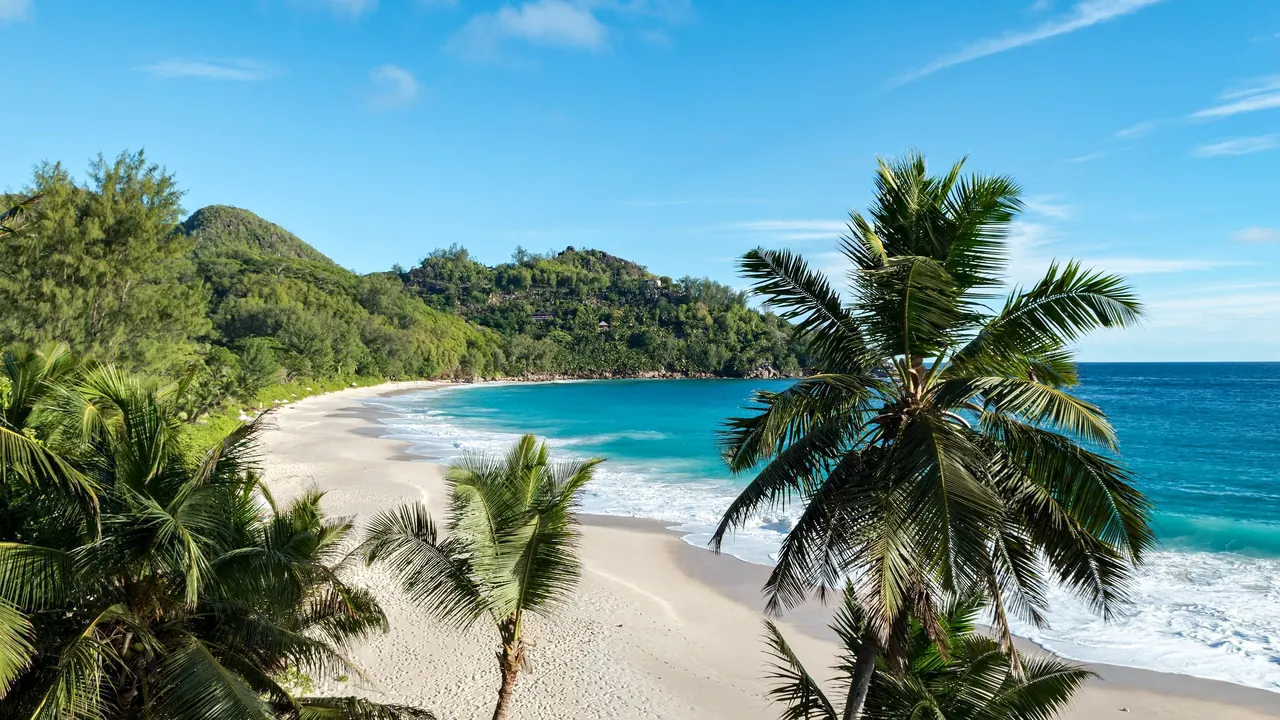
Mahe is the choice for a full beach vacation based on one island. It has dozens of white-sand bays between granite boulders, forested peaks to climb behind them, quiet resorts on the south-west and north-west coasts, and ferries to Praslin and La Digue. It suits couples, families with small children and anyone who wants to stay put and slow down, provided the budget can stretch, because almost everything costs more here.
Choose Malé for
- prices
- getting around
- culture and sights
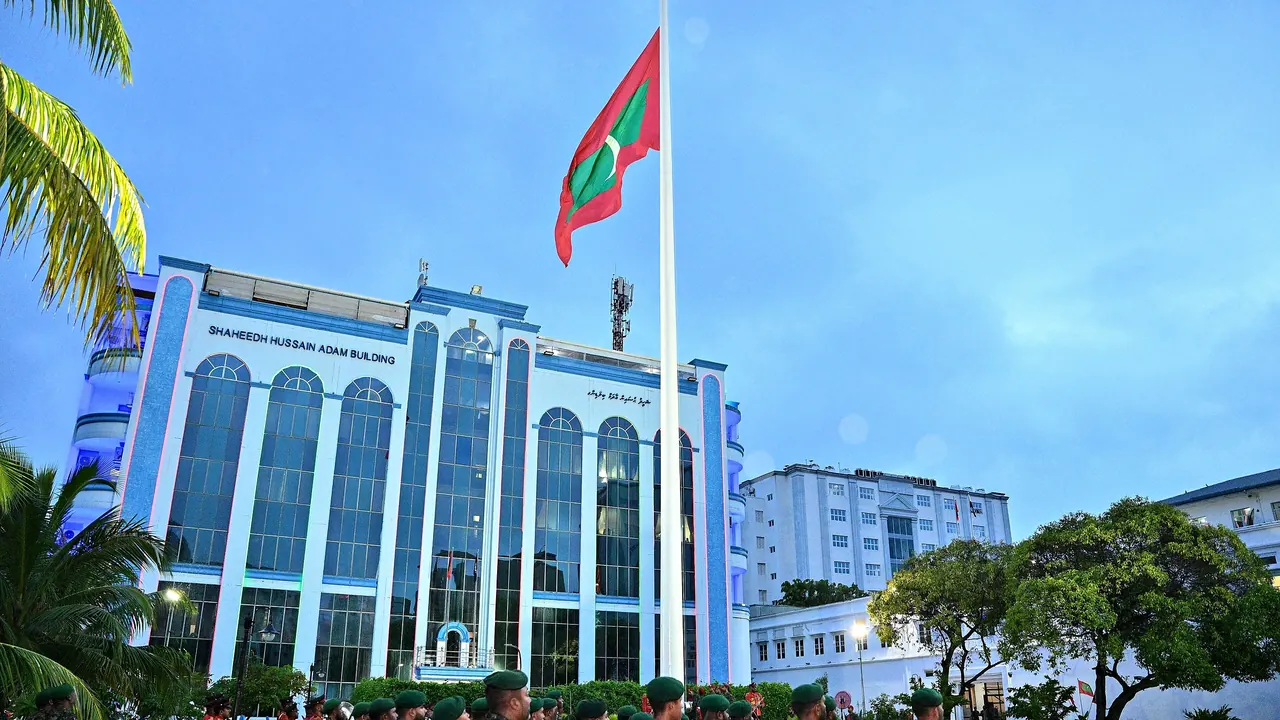
Malé works differently. It is a dense, walkable capital and a jumping-off point rather than a place to linger. Pick it if you want a cheaper base in the Maldives, a morning among coral-stone mosques and the fish market, and then boats out to dive sites, Hulhumalé's lagoon or a local island such as Maafushi. Expect a dry city with no bars and very little calm.
Scoreboard
Twelve categories on one fixed scale from 0 to 100. The shaded stretch is the gap between the two.
Your match
Pick a travel style or drag the sliders, and both match scores follow your weighting.
Wins on wellness and beaches with your weighting.
Wins on prices and getting around with your weighting.
What matters to you?
Category by category
What the scores mean for a trip.
Beaches & swimming
Mahe is a beach destination in its own right, with more than sixty white-sand bays set between granite boulders. They range from the long, calm sweep of Beau Vallon to the surf at Anse Intendance and the sheltered snorkelling at Anse Royale. The one catch is the wind, which decides which coast is calm in each half of the year.
In Malé the sand is elsewhere. The city has one small artificial beach, and the real strands are a bridge or a ferry away at Hulhumalé and Villimalé, where swimming is done modestly dressed. For a bikini you take a speedboat to Maafushi or buy a resort day pass, so beach days become outings rather than the heart of the stay.
Food & drink
Neither is a place to travel for food, but Mahe offers a little more. There is Creole grilled snapper, octopus curry in coconut milk and ladob, a proper fish and spice market in Victoria, and roadside takeaways selling curry and rice all over the island.
Malé's cooking centres on tuna, from mas huni with roshi at breakfast to garudhiya broth, and it is best met in the tea shops with their cabinets of short eats. The bigger gap is drink. Malé is entirely dry, while on Mahe a SeyBrew or a local rum with dinner is never far away.
Culture & sights
Malé has the slightly stronger heritage morning. The seventeenth-century Old Friday Mosque, built of carved coral stone and surrounded by carved headstones, the blue-roofed Mulee-aage palace and a National Museum reaching back to the Buddhist era together trace an old island sultanate.
Mahe's story is shorter and more spread out: Victoria's Clock Tower, two cathedrals and the Hindu temple, the Sans Souci mission ruins and the plantation houses at Domaine de Val des Prés. In neither place will heritage fill more than a couple of outings.
Nightlife
Mahe at least offers a night out. There are beach bars and weekend music at Beau Vallon, its evening street market with local bands, and a club or two near Victoria on Fridays and Saturdays, though the island is still quiet by eleven. Malé serves no alcohol at all, so evenings mean cafés, juice bars and the waterfront promenade, which is pleasant with families out in the cooler air, but a drink means leaving for a resort.
Nature & outdoors
Mahe offers both land and sea. Morne Seychellois National Park climbs through cloud forest to over 900m on short, steep trails such as Copolia and Trois Frères. Offshore, the Ste Anne and Baie Ternay marine parks have coral and turtles, and giant tortoises and seabird islands lie close by.
Malé has nothing to walk on, but its underwater side is a serious draw. Channel drifts with grey reef sharks, manta cleaning stations and wrecks in the North and South Malé atolls are a short boat ride away. Divers give up little by choosing it, but walkers have nowhere to go.
Day trips
Mahe's outings have more character. A fast ferry takes you to Praslin's Vallée de Mai and its coco de mer palms, then on to La Digue's bicycles, ox carts and L'Union plantation, with marine-park islets closer in. From Malé the boats go to Hulhumalé, Villimalé and local islands such as Thulusdhoo and Guraidhoo, which show village life but look much like one another. Both depend on boats and the weather, and neither has other towns within reach.
Good for families
Mahe is the easier place with children. Beau Vallon and the west-coast bays have calm, shallow water in the right season, the resorts run kids' clubs, and tortoises and glass-bottom boats make simple treats. Its limits are steep trails, roads without pavements and strong currents on some beaches.
Malé is harder going, with scooter-packed lanes, little shade and nothing for children beyond small playgrounds and Sultan Park. Hulhumalé, with its parks and paddling lagoon, makes a better family base, and most families simply pass through on the way to a resort.
Getting around
Malé is about two kilometres across, so you can walk anywhere or take a flat-fare taxi, despite the cramped pavements and the scooters, and buses run over the bridge to the airport and Hulhumalé. Hopping between islands is the slow part, with public ferries that don't run every day on every route, or speedboats that must be booked.
Mahe is a 27km island of mountain passes and hairpin coast roads, driven on the left. Buses from Victoria reach most bays but are slow and often mean changing in town, so most visitors hire a car for part of the stay or pay for taxis.
Shopping & style
Neither suits a shopping trip, and the souvenirs differ in kind. Mahe leans towards spices, vanilla and chilli sauces from Victoria's market, the craft workshops at Domaine de Val des Prés and the polished coco de mer nut. Malé's Majeedhee Magu sells everyday goods to locals, and the souvenirs worth taking home are jars of smoked tuna paste and, if you search, lacquered boxes and woven mats.
Affordability
Malé is clearly easier on the wallet, as long as you stay on land. Tea-shop meals, flat-fare taxis, public ferries and city or Hulhumalé guesthouses cost little, though speedboats, diving and resort day passes push the bill up quickly.
Mahe is expensive almost however you travel. Creole guesthouses, market fish, roadside curry and the bus help a great deal, yet resort rooms, car hire and boat trips keep the total well above most tropical trips.
Live music & performing arts
Neither has much live performance, but Mahe has a little more to catch. There is sega and moutya drumming at the hotels, bands at weekend beach bars, and the Festival Kreol in late October, when Victoria fills with music and dance. In Malé you hear the bodu beru big drums mainly at national celebrations, at Eid or in resort shows, and no venue has a regular programme.
Wellness & relaxation
Mahe is made for rest. Hotels sit alone on their own bays, the west and south coasts have large hillside spas using coconut and vanilla, and some hotels offer yoga on open-air decks. Treatments are costly, there is no local bathing tradition, and the deepest calm is on the south-west and north-west coasts.
Malé is the opposite. It is densely packed, scooters run through the night and there is little green space, with only a few small day spas. Calm there means moving on to a resort or a quieter island.
When should you go?
Pick your month. The climate figures are measured averages, not a forecast.
Mahe in July
Malé in July
Daytime high, °C
Rainfall in the month, mm
Where the figures come from
Mahe's station stands 237 m below the place it is measured for, so that place is likely a little cooler than the figures say.
Temperature and rainfall are climate normals, averaged over the years shown. Mahe: 1991-2020 normals, Seychelles International Airport (10 km from centre). Malé: 1991-2020 normals, Male (3.9 km from centre).
Both are hot all year, with daytime highs around 30°C, and the sea in both stays warm enough to swim in every month. Midday street walking is sticky in either place whatever the season. What separates them is the rain, and it falls at opposite times. On Mahe the wettest stretch runs from December to February, peaking at about 442mm in January. May to August is the driest and sunniest spell, with July down to 88mm. In those months the air eases slightly and the sea dips to about 26°C, while the south-east trades make the north-west the calmer coast.
Malé turns this round. January to March is its best season, with the most sunshine and rainfall as low as 43mm in February and March, when it is also at its hottest at 32°C. From May to December the monsoon brings rain most months and rougher seas. So for a winter trip Malé is the drier pick, and for a mid-year trip Mahe is.
Which traveller are you?
For a beach and sun trip, Mahe wins easily. You can stay right on the sand, pick whichever coast is calm that season and swim in a bikini without a second thought. In Malé every proper beach day starts with a bridge or a boat.
On a trip on a tight budget, Malé is the better bet. Stay in the city or on Hulhumalé, live as the locals do on land and keep boat trips to a few, and the Maldives comes within reach. Mahe stays costly however carefully you plan.
For a relaxing and wellness trip, choose Mahe. It suits a slow week of doing very little, with a quiet bay in front of you, forest behind and a spa day when you want one. In Malé, rest means leaving the city.
Before you go
| Measure | Mahe | Malé |
|---|---|---|
| Official language | French, English, Seychellois Creole | Maldivian |
| Currency | Seychelles Rupee (SCR) | Rufiyaa (MVR) |
| Sockets | G240 V, 50 Hz | ACGJKL230 V, 50 Hz |
| Driving side | Left | Left |
| Time zone | UTC+4 | UTC+5 |
| Emergency number | 112 or 999 | Police 119, ambulance 102, fire 118 |
| Elevation | - | 2 m |
| Main airport | Seychelles International Airport (SEZ)19 non-stop destinations | Velana International Airport (MLE)3 km from centre50 non-stop destinations |
| Public holidays this year | 13 days | - |
By the numbers
| Measure | Mahe | Malé |
|---|---|---|
| Population | 77,000 | 133,019 |
| People per km² | 490 | 22,934 |
| Museums within 10 km | - | 1 |
| UNESCO World Heritage sites within 50 km | - | 0 |
| Swim season, months above 21 °C | 12 months | 12 months |
Where else could you go?
Every comparison below shares a destination with this one, so you can follow Mahe or Malé somewhere new.