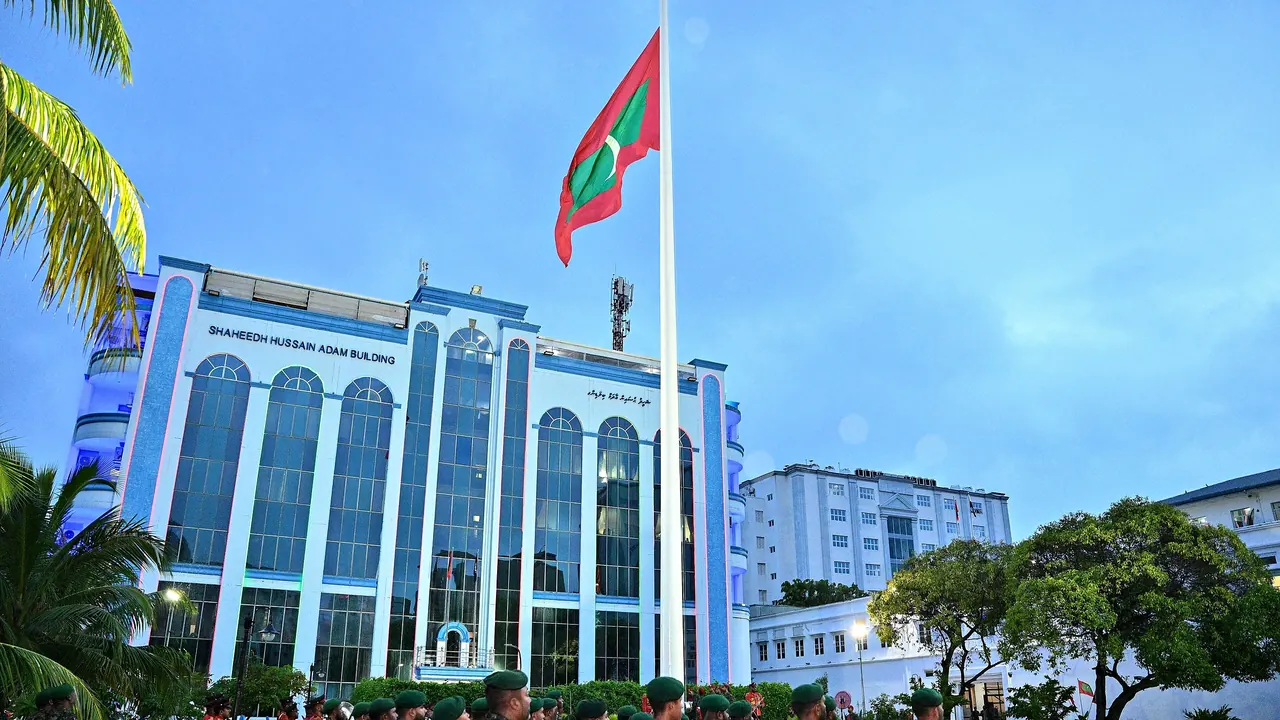
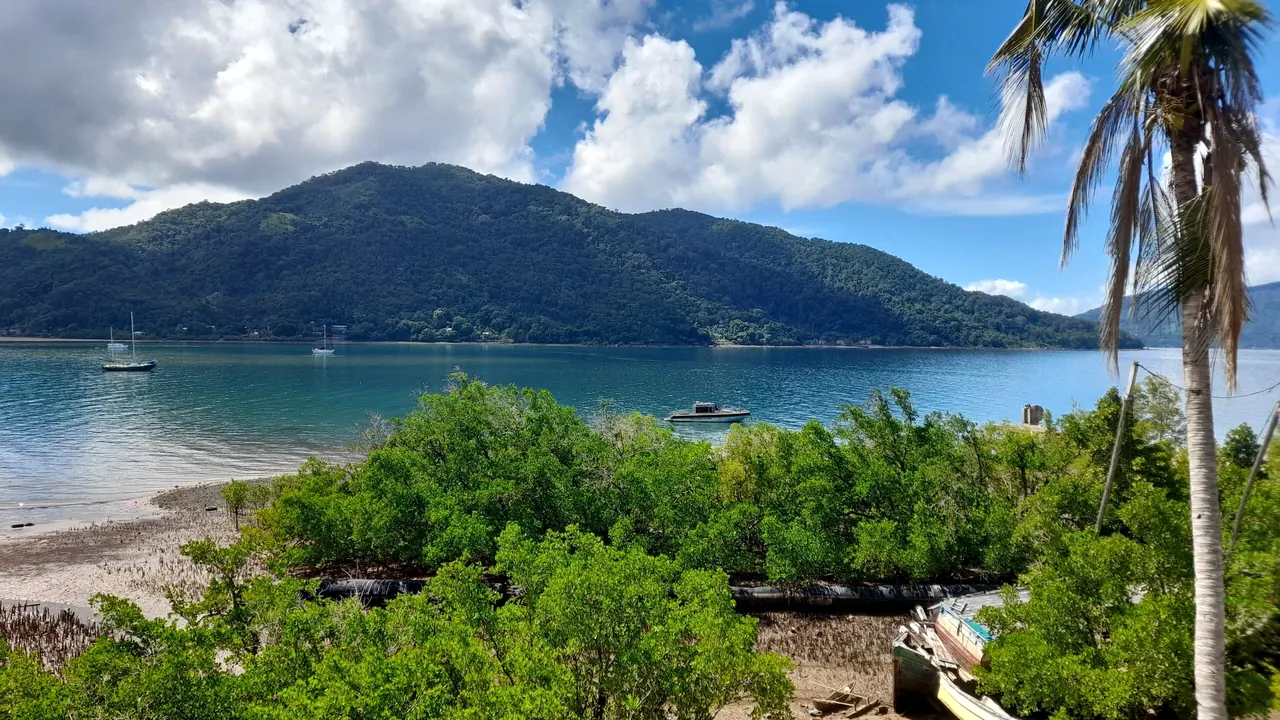
Photos: Malé by The President's Office of the Republic of Maldives, CC BY 4.0, cropped; Nosy Be by Anai171, CC BY-SA 4.0, cropped.
Malé or Nosy Be?
Our verdict in twelve categories, each scored against the same fixed benchmark cities, and the climate month by month, so you can choose for your trip.
Choose Malé for
- getting around
- culture and sights
- day trips
Malé works best for a short look at Maldivian life on the way to the atolls. In a morning you can see the coral-stone mosque and the National Museum, have breakfast in a tea shop, and still be on a dive boat to the reefs of North or South Malé atoll the same day. The city is compact and easy to leave by bridge or ferry, but it is dry, dense and noisy, and few people stay long.
Choose Nosy Be for
- nightlife
- wellness
- beaches
Nosy Be is the better choice for a slower island stay built on beaches and wildlife. Days go on lemurs and chameleons in Lokobe, turtles at Nosy Tanikely and the sandbar at Nosy Iranja, and evenings on rum and salegy music in Ambatoloaka. It takes more effort to reach and to get around, and it has very few sights, but it gives you the rest and the evenings out that Malé cannot.
Scoreboard
Twelve categories on one fixed scale from 0 to 100. The shaded stretch is the gap between the two.
Your match
Pick a travel style or drag the sliders, and both match scores follow your weighting.
Wins on getting around and culture and sights with your weighting.
Wins on nightlife and wellness with your weighting.
What matters to you?
Category by category
What the scores mean for a trip.
Beaches & swimming
Malé itself has almost no sand, just the small artificial beach on its eastern shore. For a proper beach you cross to the lagoon strand at Hulhumalé or the quieter shore at Villimalé and swim modestly dressed. For a bikini beach you take a speedboat to Maafushi or buy a resort day pass.
On Nosy Be the beach is the point of the stay. Andilana's long pale curve in the north-west has calm water and sunsets. The west coast village beaches are handier but narrower and weedy at low tide, and boat days go out to the sandbar at Nosy Iranja and the quieter sand of Nosy Sakatia and Nosy Komba.
Food & drink
Both islands eat well but not with much variety, and the difference is in character. Malé is the place for Maldivian food: mas huni with roshi at breakfast, garudhiya fish broth, the short eats in tea-shop cabinets, and the tuna landed at the northern fish market. Nothing is served with alcohol, because the city is dry.
Nosy Be's cooking is more of a beach-resort mix. Prawns, crab and lobster come with coconut or vanilla, zebu stew and romazava are served in Hell-Ville's market, and pizza and crêpes appear along the west coast. Rhum arrangé is poured almost everywhere.
Culture & sights
Malé has the more substantial morning of sightseeing. The seventeenth-century Hukuru Miskiy, built of carved coral stone, the blue-roofed Mulee-aage palace and the National Museum's Buddhist-era carvings tell a real story of the islands' past.
Nosy Be offers fragments: a few colonial facades in Hell-Ville, the sacred Sakalava banyan tree, the cemetery of the Russian sailors from 1905 and the plantation distilleries. These are interesting, but they make a short outing rather than a reason to come.
Nightlife
Malé has no bars or clubs at all. Evenings mean late cafés, juice bars and a walk along the promenade with local families once the heat drops.
Nosy Be at least has a scene, concentrated in Ambatoloaka on the south-west coast. Bars and a couple of dance clubs play salegy and pop until late, especially at weekends, though the strip has a seedy edge some visitors dislike. Elsewhere on the island, evenings end with rum at the hotel bar.
Nature & outdoors
Malé's nature is entirely underwater, and it is world class. Channel drifts with grey reef sharks and eagle rays, manta cleaning stations and wrecks in North and South Malé atolls are a short boat ride away, and there is surfing on the outer reefs. On land there is nothing at all.
Nosy Be offers both land and sea. A pirogue takes you to the rainforest of Lokobe for black lemurs, panther chameleons and boas, and Mont Passot looks over crater lakes. Offshore, Nosy Tanikely has turtles, humpback whales pass from July to November, and whale sharks gather towards the end of the year.
Day trips
In both places day trips mean boats to nearby islands, and neither has a historic town within reach. From Malé, Maafushi, Guraidhoo, Huraa and Thulusdhoo show quiet village life and resort day passes are easy to buy, but the islands are much alike.
Nosy Be has fewer island villages, though Nosy Komba's embroidery lanes are one. Its distinctive trip is the short crossing to Ankify on the mainland and the cocoa and vanilla plantations of the Sambirano valley, a different landscape that Malé cannot offer.
Good for families
Malé is a hard place with young children. Streets are packed with scooters, the pavements are cramped and there is little shade, and Sultan Park and small playgrounds are about all there is for them. Hulhumalé is calmer, but most families sensibly pass straight through to a resort.
Nosy Be gives children more to remember: lemurs on Nosy Komba, turtles at Tanikely, calm water at Andilana and pools at the west coast resorts. Malaria, basic medical care and rough roads mean it suits families with older, wildlife-minded children best.
Getting around
Malé is about two kilometres across, so walking or a flat-fare taxi gets you anywhere, even if the pavements are crowded. Buses cross the bridge to the airport and Hulhumalé, and frequent ferries run to Villimalé.
Nosy Be is spread out and needs more planning. There is no public transport a visitor would really use, so you rely on taxis, tuk-tuks, a hired scooter or a hotel driver on potholed roads. Most of what you come for still needs a boat excursion.
Shopping & style
Neither place is worth travelling to for shopping, and what you bring home differs. In Malé you get practical things along Majeedhee Magu, jars of smoked tuna paste from the harbour market, and with some searching, lacquered wooden boxes and woven grass mats.
Nosy Be is better for edible and fragrant souvenirs. Hell-Ville's covered market sells vanilla pods, pepper and cinnamon, ylang-ylang oil is sold straight from the distilleries, and villagers on Nosy Komba sell embroidered tablecloths and carvings.
Affordability
Both places are cheap on land and dear on the water. Malé's tea shops, taxis and Hulhumalé guesthouses cost little next to the resorts, but speedboats, diving and imported goods add up quickly.
Nosy Be draws on Madagascar's lower costs, so market meals, tuk-tuks and simple guesthouses in Hell-Ville or Ambatoloaka stretch further. Its resorts and boat excursions approach European prices, and the flight in is costly, but a careful traveller spends less here.
Live music & performing arts
Malé offers almost nothing to attend. Bodu beru drumming and dance appear mainly at Eid, national celebrations and resort evenings, and there is no theatre or regular live-music venue.
Nosy Be has slightly more. Salegy bands play in Ambatoloaka's bars and at hotel evenings, and the Donia festival fills Hell-Ville with Indian Ocean music for several days around Pentecost each year.
Wellness & relaxation
Malé is crowded and loud, with scooters through the night, little green space and only a few small day spas. Rest means booking a resort spa day or leaving for a quieter island.
On Nosy Be, slowing down happens without trying. Days follow the tide around Andilana and the outlying islands, and resort spas and local masseuses under the trees use the island's own ylang-ylang, vanilla and coconut.
When should you go?
Pick your month. The climate figures are measured averages, not a forecast.
Malé in July
Nosy Be in July
Daytime high, °C
Rainfall in the month, mm
Temperature and rainfall are climate normals, averaged over the years shown. Malé: 1991-2020 normals, Male (3.9 km from centre). Nosy Be: 1991-2020 normals, Fascene Nossi-Be (14.3 km from centre).
The two have opposite wet seasons. Malé is driest and sunniest from January to March, with March down to about 43mm of rain. From April the southwest monsoon brings regular showers, and October is the wettest month at around 216mm. Nosy Be is soaked from December to March, with about 404mm in January, and dry from May to October, with only 21mm in August. So Malé is at its best early in the year and Nosy Be in the middle months, and April is a fair compromise for both.
Neither place ever cools down. Both stay hot through the year, so walking is a morning or late-afternoon activity, and that matters more in Malé's shadeless streets. The sea is warm enough to swim in every month in both. Malé's is the steadier of the two, while Nosy Be's drops to about 26°C in August, which is still pleasant.
Which traveller are you?
For a short city break, Malé is the one that works. Two days cover its old quarter and a morning on a reef, and the airport is just across the bridge. Nosy Be needs a week to justify the long journey and its slow boat days.
On a beach and sun trip, Malé is a base you leave each day to find sand, and you swim under local dress rules. On Nosy Be you stay right by the beach and plan your days around the tide, ideally in the dry months from May to October.
On a relaxing and wellness trip, treat Malé as a stopover to get through, not a place to unwind. Real calm there means buying a resort day. Nosy Be needs no such planning, because the whole island moves slowly and even a simple guesthouse feels restful.
Before you go
| Measure | Malé | Nosy Be |
|---|---|---|
| Official language | Maldivian | French, Malagasy |
| Currency | Rufiyaa (MVR) | Malagasy Ariary (MGA) |
| Sockets | ACGJKL230 V, 50 Hz | CEJK50 Hz |
| Driving side | Left | Right |
| Time zone | UTC+5 | UTC+3 |
| Emergency number | Police 119, ambulance 102, fire 118 | Police 117, ambulance 124, fire 118 |
| Elevation | 2 m | - |
| Main airport | Velana International Airport (MLE)3 km from centre50 non-stop destinations | Nosy Be International Airport (NOS)8 non-stop destinations |
| Public holidays this year | - | 10 days |
By the numbers
| Measure | Malé | Nosy Be |
|---|---|---|
| Population | 133,019 | 60,000 |
| People per km² | 22,934 | 207 |
| Museums within 10 km | 1 | - |
| UNESCO World Heritage sites within 50 km | 0 | - |
| Swim season, months above 21 °C | 12 months | 12 months |
Where else could you go?
Every comparison below shares a destination with this one, so you can follow Malé or Nosy Be somewhere new.
- Moronivs Nosy Be
- Antananarivovs Nosy Be
- Colombovs Malé
- Réunionvs Nosy Be
- Port Louisvs Nosy Be
- Mahevs Nosy Be