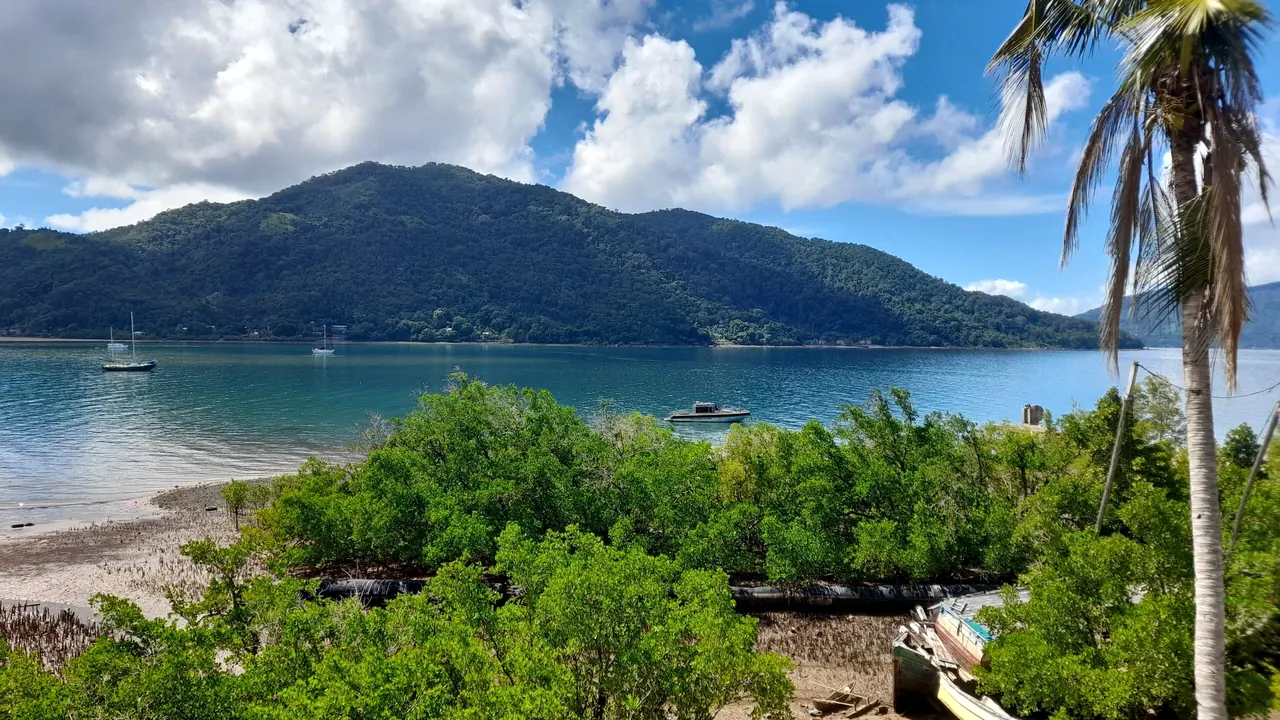
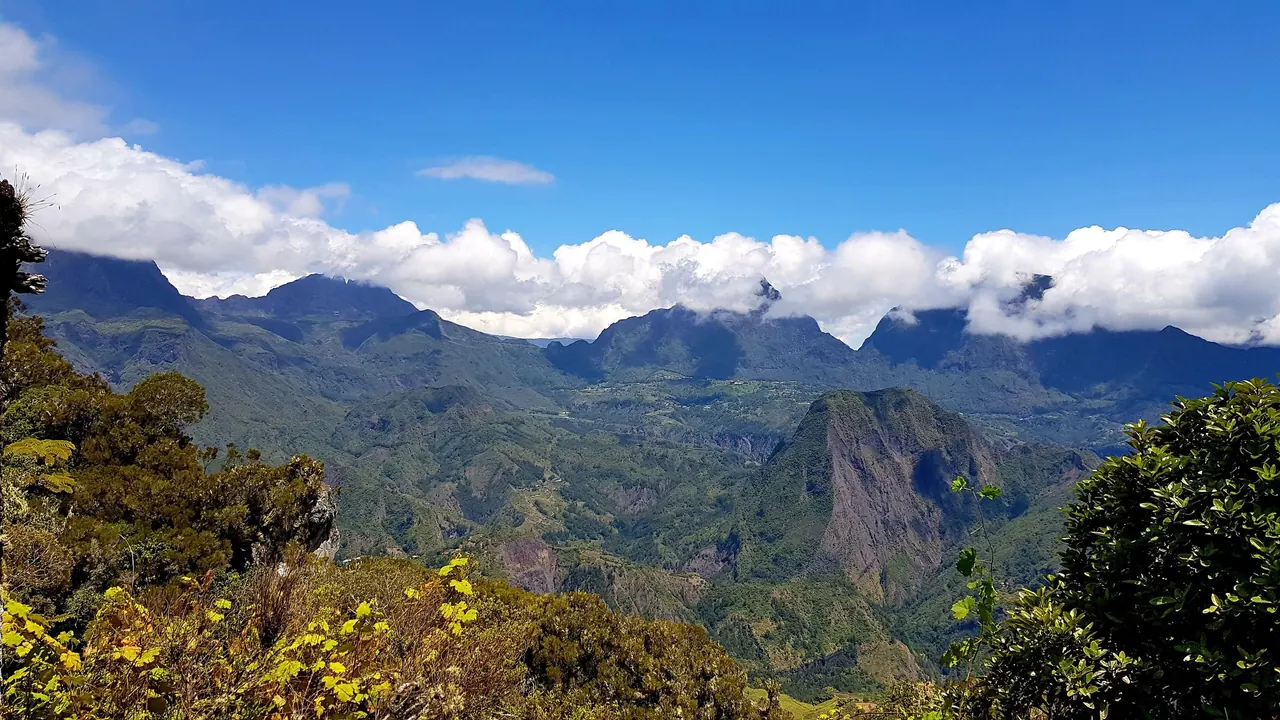
Photos: Nosy Be by Anai171, CC BY-SA 4.0, cropped; Réunion by Asile4ever, CC BY-SA 4.0, cropped.
Nosy Be or Réunion?
Our verdict in twelve categories, each scored against the same fixed benchmark cities, and the climate month by month, so you can choose for your trip.
Choose Nosy Be for
- beaches
- prices
- nightlife
Nosy Be is for a slow, sea-centred tropical vacation. The water is warm and calm. You can spend your days on boats to Nosy Iranja and Nosy Tanikely, and the lemurs of Lokobe and Nosy Komba are close by. Local costs stay low as long as you stay out of the resorts. In return, you accept that there is little to see on land and that roads, healthcare and transport are basic.
Choose Réunion for
- food and drink
- live music and the arts
- culture and sights
Réunion suits travellers who want to walk. The cirques and the volcano make it a much bigger outdoor destination, and it adds Creole cooking with real depth, a living music tradition and French healthcare and roads that make it easier with children. What you give up is beach time, since swimming is limited to a few west-coast lagoons, and it is priced like France.
Scoreboard
Twelve categories on one fixed scale from 0 to 100. The shaded stretch is the gap between the two.
Your match
Pick a travel style or drag the sliders, and both match scores follow your weighting.
Wins on beaches and prices with your weighting.
Wins on food and drink and live music and the arts with your weighting.
What matters to you?
Category by category
What the scores mean for a trip.
Beaches & swimming
Nosy Be is much the stronger beach destination. Andilana's long curve of pale sand and offshore islets like Nosy Iranja, with its low-tide sandbar, give open swimming in warm, calm water. The beaches at the west-coast villages are narrower and have seaweed at low tide.
Because of the shark risk, Réunion's swimming is confined to a short run of reef lagoons on the west coast, from L'Hermitage to Étang-Salé. The water is clear over coral and the black sand is striking, but it is often only waist-deep and crowded at weekends. It is a break between hikes rather than the reason to come.
Food & drink
Réunion's food has more depth. Its Creole carris and rougails draw on Tamil, Gujarati, Chinese and Malagasy roots. Roadside snack vans and the markets of Saint-Paul and Saint-Pierre make for good lunches, and a table d'hôte dinner up in the cirques is often the best meal of the trip.
Nosy Be is simpler. It has very fresh grilled fish, prawns and lobster with vanilla or green pepper, zebu stew at the Hell-Ville market, and plenty of pizza and crêpes along the west coast. Both islands pour rum arrangé, but on Nosy Be you eat well rather than widely.
Culture & sights
Neither island is a sightseeing destination, but Réunion gives you more. There are the Creole villas along Rue de Paris in Saint-Denis, the painted cottages of Hell-Bourg, and temples, mosques and pagodas standing side by side. Museums such as the Cité du Volcan and the Villèle estate, which covers the history of slavery, can fill a few good days.
On Nosy Be a single morning covers it: Hell-Ville's colonial street and market, the sacred Sakalava banyan tree, the graves of the Russian sailors and a ylang-ylang distillery.
Nightlife
Both islands are quiet after dark, and on each what nightlife there is gathers in one beach village. Nosy Be's Ambatoloaka has a short strip of bars and clubs playing salegy and pop until late, with a mixed crowd of locals and expats and a seedy edge that some visitors dislike. Réunion's Saint-Gilles-les-Bains is more about sunset beach bars and weekend clubs, Saint-Pierre has a smaller, more local seafront, and up in the cirques the night ends with dinner.
Nature & outdoors
Nature is the main draw on both islands, but Réunion's is on a larger scale. The UNESCO-listed cirques of Cilaos, Salazie and Mafate, the overnight climb of Piton des Neiges and the walk across the caldera of Piton de la Fournaise make it one of the great hiking islands, and there is canyoning and paragliding as well.
Nosy Be's nature is gentler and more about wildlife and water. There are black lemurs and chameleons in the Lokobe forest, turtles at Nosy Tanikely, good diving, and whale sharks offshore from about October. Humpback whales pass both islands in the southern winter.
Day trips
Réunion offers more variety within a drive of a west-coast base. You can visit Saint-Pierre's market, Creole Entre-Deux, the vanilla country around Saint-Philippe, the old sugar estates and a rum distillery. Nosy Be's outings are mostly boat trips to beaches and reefs. The only ones with much life on land are the embroidery village on Nosy Komba and the crossing to Ankify for the cocoa and vanilla plantations of the Sambirano valley.
Good for families
Réunion is the easier island with children. French healthcare and supermarkets remove much of the worry. Small children can paddle in the shallow lagoon at La Saline, and the aquarium, Kélonia and the Cité du Volcan fill rainy days. The hairpin roads into the cirques and the long hikes are hard going for little ones, though.
Nosy Be delights children with lemurs, turtles and boat rides, but nothing there is built for them, malaria is present and medical care is basic. It suits families with older, wildlife-minded children better than those with toddlers.
Getting around
Neither island is simple to get around, and on both you depend on wheels. Réunion means a rental car: the coastal expressway is fast, but there are rush-hour jams near Saint-Denis, the mountain roads are slow, and Mafate can only be reached on foot. Nosy Be's distances are short but its roads are potholed, so you rely on taxis, tuk-tuks, a scooter or a hotel driver, and most days begin on a boat.
Shopping & style
On both islands you shop for vanilla and spices rather than clothes. Réunion has a little more: Cilaos embroidery, basketwork and rum arrangé at the Saint-Paul, Saint-Pierre and Saint-Denis markets, plus French chain stores for anything you forgot. Nosy Be has the Hell-Ville market, ylang-ylang oil from the distilleries and embroidered tablecloths on Nosy Komba, and little else, so pack what you need.
Affordability
Nosy Be is cheaper on the ground. Market food, taxis and simple guesthouses in Ambatoloaka or Hell-Ville cost little. Resorts, imported wine and the boat trips that fill most days come close to European levels, though, and getting there is expensive.
Réunion is priced like France. A rental car is a fixed cost, and west-coast beach hotels are dear in the busy months. Gîtes, lunches from snack vans and free hiking keep it manageable.
Live music & performing arts
Réunion has a living music tradition worth seeking out. Maloya, the UNESCO-recognised drum-and-chant tradition, is played at kabars and on festival stages, sega is heard in bars, the Sakifo festival is held in Saint-Pierre, and theatres in Saint-Gilles and Saint-Denis bring touring shows. On Nosy Be it comes down to salegy bands in the Ambatoloaka bars and dance evenings at the hotels, with the Donia festival in Hell-Ville around Pentecost as the one big occasion.
Wellness & relaxation
Both islands are restful, but in different settings. Nosy Be's calm is by the sea: slow days around Andilana or on the outer islets, with massages using ylang-ylang oil and coconut, sometimes under the trees on the beach. Réunion has a real thermal tradition at the Cilaos spa, and its deepest quiet is in the mountains, in a gîte in the cirques with cool air and nothing to do after dark.
When should you go?
Pick your month. The climate figures are measured averages, not a forecast.
Nosy Be in July
Réunion in July
Daytime high, °C
Rainfall in the month, mm
Where the figures come from
Réunion's temperatures are measured 36 km from the centre, at Saint-Denis / Gillot.
Réunion has no rain gauge within 25 km of the centre, so its rainfall comes from a gridded climate dataset read at the destination rather than from a gauge further away.
Temperature and rainfall are climate normals, averaged over the years shown. Nosy Be: 1991-2020 normals, Fascene Nossi-Be (14.3 km from centre). Réunion: 1991-2020 normals, Saint-Denis / Gillot (36.1 km from centre).
Nosy Be is hot all year, with highs above 30°C every month and a sea warm enough to swim in at any time, so the deciding factor is rain. The dry season from May to October is the time to go. The sea is clear and calm then, and August has only about 21mm of rain. From December to March the rains are heavy, reaching about 404mm in January, and the island is wet and steamy.
Réunion's figures, measured on the coast, are milder. Highs fall to around 25°C in July and August, which is comfortable for hiking, and sunshine stays steady all year. It also has a wet season from December to March, with cyclone risk and closed trails, but it is lighter than Nosy Be's, and September and October are the driest months. The lagoons cool noticeably in the southern winter, so the warmest swimming comes at either end of the dry season.
Which traveller are you?
On a beach and sun trip, Nosy Be is the clear choice. The sea is warm and calm all year, Andilana has a long stretch of sand, and boat days to the sandbar at Nosy Iranja beat Réunion, where swimming is limited to a few shallow, protected west-coast lagoons.
For an outdoors trip, Réunion wins. It has trails through the three cirques, roadless Mafate, a sunrise climb of Piton des Neiges and an active volcano to walk across. Nosy Be's nature is gentler and centres on lemurs, reefs and boat outings.
On a trip on a tight budget, your money goes further on Nosy Be. Market meals, taxis and simple guesthouses cost little, provided you limit the boat excursions. Réunion is priced like France, and a rental car is hard to avoid.
Before you go
| Measure | Nosy Be | Réunion |
|---|---|---|
| Official language | French, Malagasy | French |
| Currency | Malagasy Ariary (MGA) | Euro (EUR) |
| Sockets | CEJK50 Hz | E220 V, 50 Hz |
| Driving side | Right | Right |
| Time zone | UTC+3 | UTC+4 |
| Emergency number | Police 117, ambulance 124, fire 118 | 112 |
| Main airport | Nosy Be International Airport (NOS)8 non-stop destinations | Roland Garros Airport (RUN)14 non-stop destinations |
| Public holidays this year | 10 days | - |
By the numbers
| Measure | Nosy Be | Réunion |
|---|---|---|
| Population | 60,000 | 889,679 |
| People per km² | 207 | 354 |
| Swim season, months above 21 °C | 12 months | 12 months |
Where else could you go?
Every comparison below shares a destination with this one, so you can follow Nosy Be or Réunion somewhere new.
- Port Louisvs Réunion
- Moronivs Nosy Be
- Antananarivovs Nosy Be
- Port Louisvs Nosy Be
- Mahevs Nosy Be
- Zanzibarvs Nosy Be