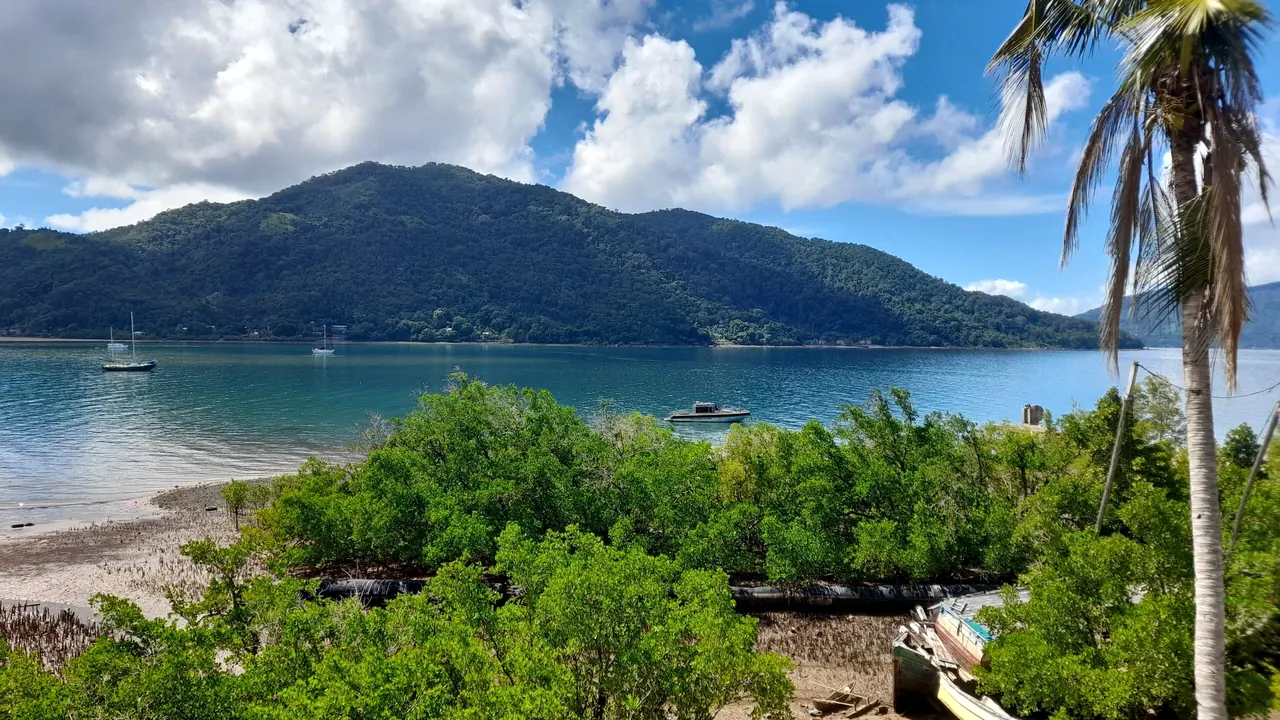
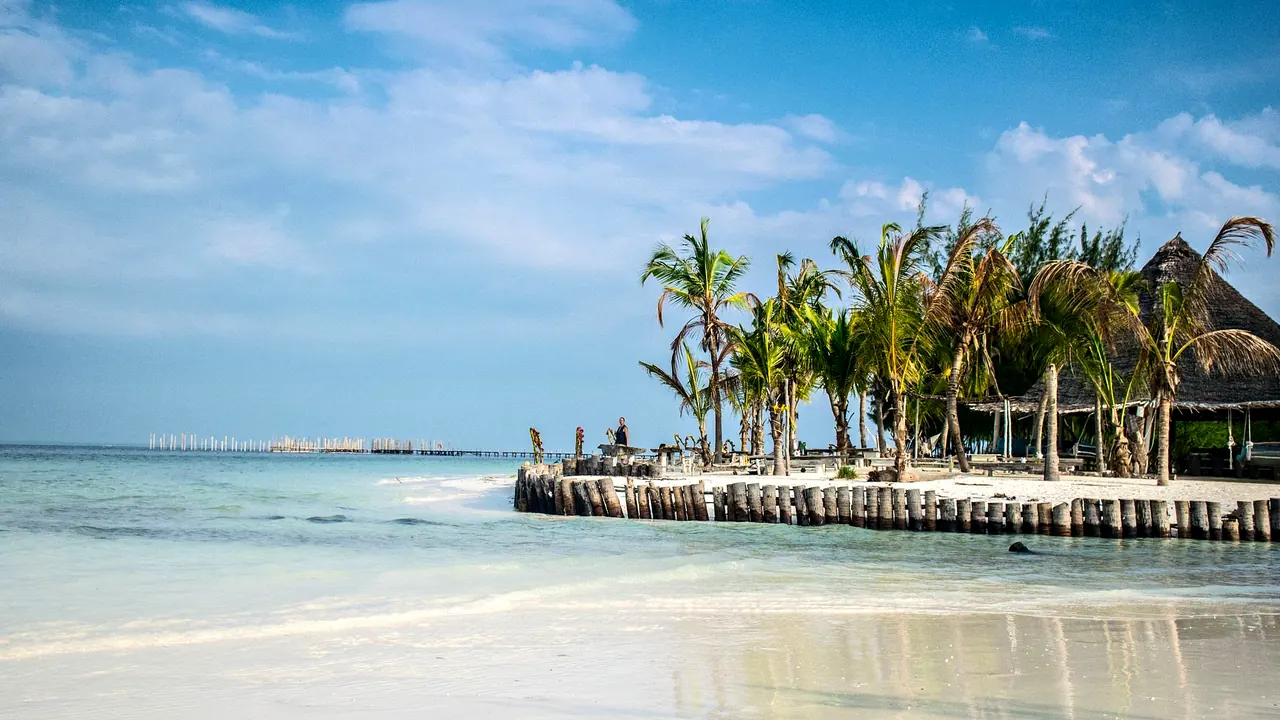
Photos: Nosy Be by Anai171, CC BY-SA 4.0, cropped; Zanzibar by Ákos Helgert, Pexels License.
Nosy Be or Zanzibar?
Our verdict in twelve categories, each scored against the same fixed benchmark cities, and the climate month by month, so you can choose for your trip.
Choose Nosy Be for
- nature and the outdoors
- prices
Nosy Be is the better pick for travellers who care more about wildlife than sights. Black lemurs, chameleons and boas in the Lokobe rainforest, crater lakes below Mont Passot, and whales and whale sharks passing offshore give it an outdoor range that flat Zanzibar can't match. The trade-off is a thin offer on land. There is very little history to see, food and shopping are basic, and nearly every good day starts with a boat.
Choose Zanzibar for
- culture and sights
- food and drink
- live music and the arts
Zanzibar suits a fuller beach vacation with more to do when you're out of the water. The northern beaches can be swum at every tide, and Stone Town adds a real old town with spiced Swahili cooking, taarab music and the history of the sultans and the slave trade. It's also easier to get around. You give up some wildlife for that, but most visitors will find the balance better here.
Scoreboard
Twelve categories on one fixed scale from 0 to 100. The shaded stretch is the gap between the two.
Your match
Pick a travel style or drag the sliders, and both match scores follow your weighting.
Wins on nature and the outdoors and prices with your weighting.
Wins on culture and sights and food and drink with your weighting.
What matters to you?
Category by category
What the scores mean for a trip.
Beaches & swimming
Zanzibar has the stronger beaches and more of them right where you stay. Kendwa and Nungwi in the north have powdery white coral sand and water deep enough to swim at any tide. The east coast from Paje to Jambiani is lovely to look at, but there the sea retreats a long way at low tide.
Nosy Be's best beach on the main island is Andilana in the far north-west. The more convenient west-coast villages have narrower sand, with seaweed and shallows at low tide. Its finest beaches are offshore, such as the sandbar at Nosy Iranja, so the best beach days on Nosy Be come with a boat trip.
Food & drink
Zanzibar eats better and with more variety. Centuries of trade with Oman, India and Persia gave it pilau and biryani spiced with clove and cardamom, coconut fish curries and street dishes like urojo and Zanzibar pizza. The evening market in Forodhani Gardens is a meal and an outing at once.
Nosy Be is narrower. The seafood is excellent, often cooked with vanilla or green pepper, and there is zebu stew and romazava at roadside places, but many beach restaurants lean French or Italian. Drinking is easier on Nosy Be, where rhum arrangé is served almost everywhere. On mostly Muslim Zanzibar, alcohol stays in hotels and tourist venues.
Culture & sights
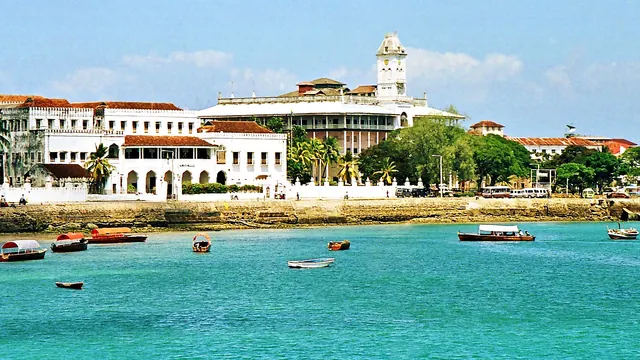
There is no real contest here. Stone Town is a UNESCO-listed Swahili trading town of coral-stone houses, mosques and Hindu temples. Its Old Fort, the sultans' Palace Museum and the slave market memorial carry serious history, and outside town are the Omani palace ruins at Maruhubi and Mtoni and the Persian baths at Kidichi.
Nosy Be has a few weathered colonial buildings in Hell-Ville, the sacred Sakalava banyan tree, a small cemetery of Russian sailors and its distilleries. These are worth a morning, and that is all they need.
Nightlife
Neither island is a big night out, but Zanzibar spreads its evenings across more places: beach bars and bonfires in Nungwi and Kendwa, the full-moon party, kitesurfers' bars in Paje and rooftop sundowners in Stone Town. Most of it is quiet by midnight, and Ramadan slows the whole island.
Nosy Be puts everything in one spot, the Ambatoloaka strip, where bars and a couple of real dance clubs play salegy and pop until late. Zanzibar barely has clubs, so this is the one thing Nosy Be offers that Zanzibar doesn't. Some visitors find the strip seedy, though.
Nature & outdoors
Nosy Be is the richer island for nature. Lokobe, reached by pirogue, holds black lemurs, panther and leaf chameleons and boas. Mont Passot looks over crater lakes, and the hills grow ylang-ylang and vanilla. At sea there are turtles at Nosy Tanikely, humpback whales from about July and whale sharks towards the end of the year.
Zanzibar is flat coral with farmland inland. Its highlights are the red colobus monkeys in Jozani Forest, the reef at Mnemba and dolphin trips from Kizimkazi. It does have one thing Nosy Be lacks, the steady trade winds that make the Paje lagoon a well-known kitesurfing spot.
Day trips
Zanzibar has more places to go for a day, although none of them are large. There are the tortoises on Changuu, spice farm tours that end with lunch, and the old mosque at Kizimkazi. From the beach towns, Stone Town itself makes a full day out.
Nosy Be's outings are almost all by boat and are about sand and wildlife more than places. Ampangorinana village on Nosy Komba and the plantations of the Sambirano valley, across the water from Ankify, are its main excursions with a cultural side.
Good for families
For families the two are much alike: an easy resort stay in warm water, no attractions built for children, malaria precautions and basic medical care at both. The differences are in what children will remember. On Nosy Be it is lemurs coming close on Nosy Komba and calm swimming at Andilana. On Zanzibar it is giant tortoises on Changuu, the colobus monkeys of Jozani, and Kendwa, where you can swim at any tide.
The tiring parts are different too. Nosy Be means rough roads and frequent boat trips. Zanzibar has longer road transfers and Stone Town's crowded alleys.
Getting around
Zanzibar is somewhat easier. Stone Town is best explored on foot, the main roads are paved, and cheap if slow dala-dala minibuses link the villages. Most visitors use taxis or hotel transfers to reach the north and east coasts.
Nosy Be is smaller but harder work, with potholed roads and no public transport a visitor would really use, so you rely on tuk-tuks, scooters or a hotel driver. Most of what you come for lies offshore and means a boat.
Shopping & style
What separates the two is range. Nosy Be offers a short list, though a distinctive one: vanilla pods and pepper at the covered market in Hell-Ville, ylang-ylang oil from the distilleries and roadside stands, and hand-embroidered tablecloths sold by villagers along the paths of Nosy Komba.
A shopper on Zanzibar has far more to look through. Darajani market sells clove, cinnamon and cardamom by the bag, and Stone Town's lanes carry kanga and kikoi cloth, carved chests, Tingatinga paintings, silver and tanzanite. Much of it repeats from stall to stall, and you are expected to haggle.
Affordability
Overall costs are much the same on both islands. Local food, simple guesthouses and local transport are cheap, while resorts, imported drinks and boat trips are priced for visitors. The difference is in how the money goes.
On Nosy Be the boat excursions that fill most days add up, and getting there takes a costly connecting flight. Zanzibar has more low-cost options in Stone Town and in the bungalows of Paje and Jambiani, but its northern resorts are mostly mid-range or better, and Christmas and July to August are its dearest times.
Live music & performing arts
Live music on Nosy Be mostly means salegy bands in the Ambatoloaka bars and at hotel evenings. Its one big occasion is Donia, the Indian Ocean music festival that fills Hell-Ville for several days around Pentecost. Outside those days there is little to go and hear.
Stone Town gives Zanzibar a musical tradition of its own and more to hear through the year. Taarab, which blends Swahili poetry with Arabic and Indian melody, is rehearsed and performed at the old town's music school and in its cultural halls, and the dry season adds festivals of East African music and film.
Wellness & relaxation
Both are slow islands where unwinding comes easily, and Zanzibar offers a little more to go with it. There are resort spas on the north and east coasts using coconut oil and local spices, and yoga is easy to find around Paje and Jambiani.
Nosy Be's calm is at its deepest around Andilana and on the small resorts of the outer islands. Massages there use the island's own ylang-ylang and vanilla, sometimes from masseuses under the trees on the beach.
When should you go?
Pick your month. The climate figures are measured averages, not a forecast.
Nosy Be in July
Zanzibar in July
Daytime high, °C
Rainfall in the month, mm
Where the figures come from
Zanzibar's temperatures are measured 78 km from the centre, at Dar Es Salaam Airport.
Zanzibar has no rain gauge within 25 km of the centre, so its rainfall comes from a gridded climate dataset read at the destination rather than from a gauge further away.
Temperature and rainfall are climate normals, averaged over the years shown. Nosy Be: 1991-2020 normals, Fascene Nossi-Be (14.3 km from centre). Zanzibar: 1991-2020 normals, Dar Es Salaam Airport (77.9 km from centre).
Both islands are hot all year, with daytime highs of about 30°C to 33°C, and the sea never drops below 26°C at either, so swimming is never the problem. Rain decides when to go. Nosy Be has one long dry season from about May to October, when August brings only 21mm. From December to March it is very wet, peaking at 404mm in January.
Zanzibar's pattern is different. Its long rains fall in April and May, with 363mm in April, and there is a shorter wet spell in November and December. That leaves two good windows: June to October, with the most sunshine around August to October, and again January and February, when Nosy Be is at its wettest. For a midsummer trip either island works. For a vacation early in the year, only Zanzibar does. At both, the heat makes walking easiest in the morning and late afternoon.
Which traveller are you?
On a culture and arts trip, Zanzibar is the clear choice. Stone Town's carved doors, the Old Fort, the Palace Museum and the cathedral on the old slave market give you days of walking, and taarab adds a living musical tradition. Nosy Be's sights take a morning.
For an outdoors trip built around wildlife, choose Nosy Be. Guided walks in Lokobe find lemurs and chameleons, Nosy Tanikely offers easy snorkelling with turtles, and from July to December the sea brings humpback whales and then whale sharks. Zanzibar's forest and reefs are smaller in scope.
On a food and nightlife trip, Zanzibar gives you more. The Forodhani evening market, spiced pilau and urojo outclass Nosy Be's grilled seafood and pizza, and the full-moon parties in Nungwi and Kendwa add occasions, although Ambatoloaka keeps later hours.
Before you go
| Measure | Nosy Be | Zanzibar |
|---|---|---|
| Official language | French, Malagasy | English, Swahili |
| Currency | Malagasy Ariary (MGA) | Tanzanian Shilling (TZS) |
| Sockets | CEJK50 Hz | G230 V, 50 Hz |
| Driving side | Right | Left |
| Time zone | UTC+3 | UTC+3 |
| Emergency number | Police 117, ambulance 124, fire 118 | Police 112, ambulance 115, fire 114 |
| Main airport | Nosy Be International Airport (NOS)8 non-stop destinations | Abeid Amani Karume International Airport (ZNZ)40 non-stop destinations |
| Public holidays this year | 10 days | 13 days |
By the numbers
| Measure | Nosy Be | Zanzibar |
|---|---|---|
| Population | 60,000 | 896,721 |
| People per km² | 207 | 569 |
| Swim season, months above 21 °C | 12 months | 12 months |
Where else could you go?
Every comparison below shares a destination with this one, so you can follow Nosy Be or Zanzibar somewhere new.
- Dar es Salaamvs Zanzibar
- Dianivs Zanzibar
- Mombasavs Zanzibar
- Ngorongorovs Zanzibar
- Moronivs Nosy Be
- Antananarivovs Nosy Be