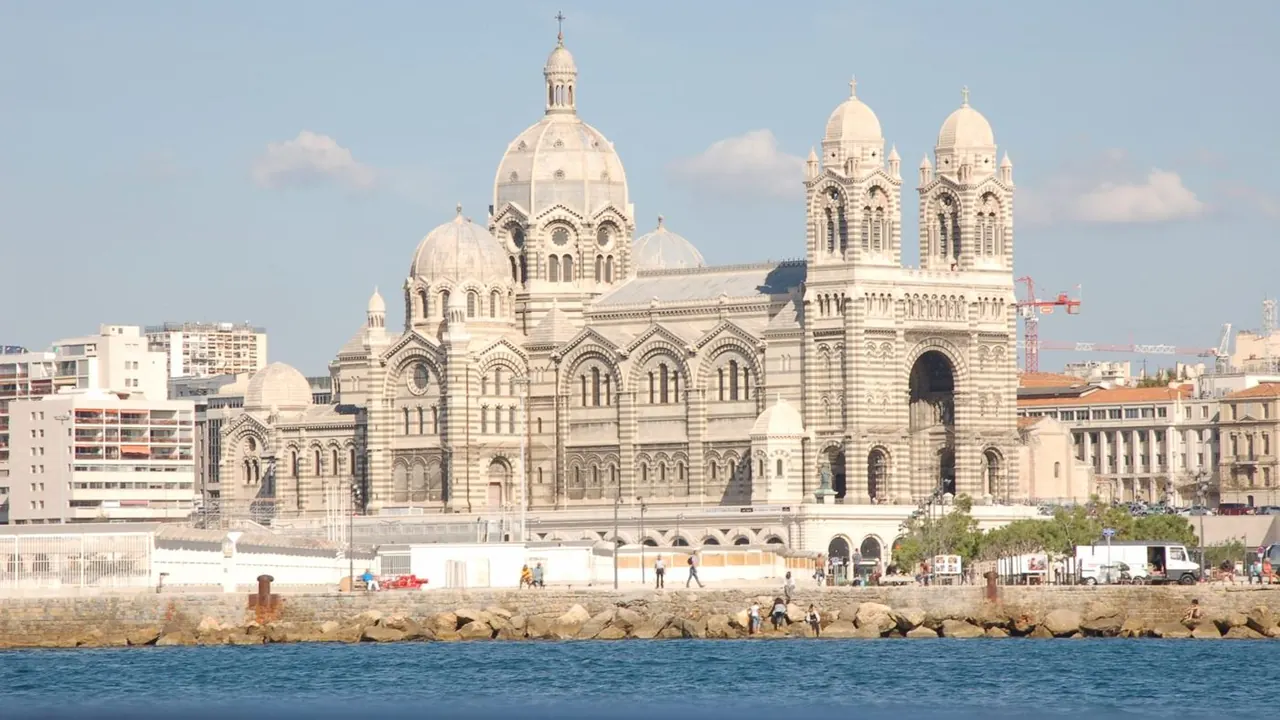
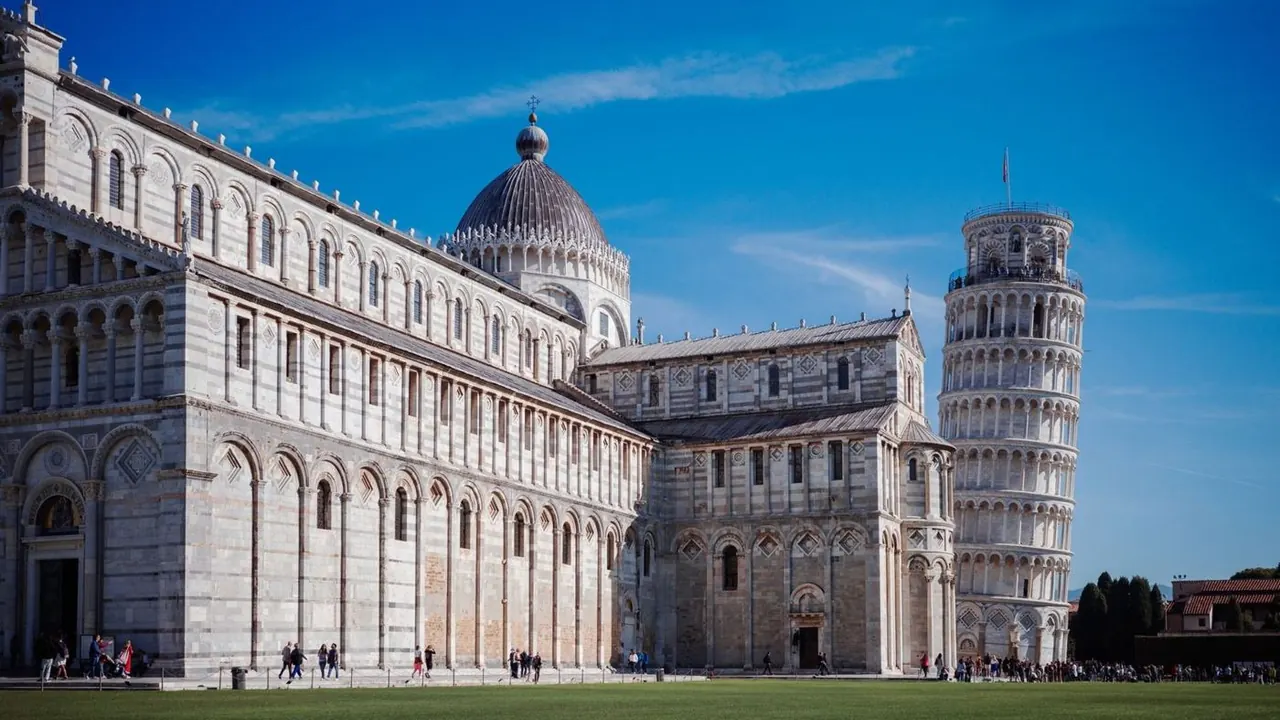
Photos: Marseille by Charlotte Noblet, CC BY-SA 3.0, cropped; Pisa by Bruno Kraler, Pexels License.
Marseille or Pisa?
Our verdict in twelve categories, each scored against the same fixed benchmark cities, and the climate month by month, so you can choose for your trip.
Choose Marseille for
- nature and the outdoors
- live music and the arts
- nightlife
Marseille suits travellers who want sea, rock and a big city in one trip: swimming and walking in the Calanques, a long fish lunch by a Corniche harbour, then evenings in the bars of Cours Julien. It asks more of you, as it sprawls, is rough at the edges and is hard going with a buggy. In return you get a larger, wilder place with a national park on its doorstep and much more to do after dark.
Choose Pisa for
- getting around
- prices
- wellness
Pick Pisa for a calm, compact base where everything is a walk away and the train does the rest. The cathedral square and the quiet riverside town behind it fill two easy days. From there Florence, Lucca and the Cinque Terre are simple rail outings. It is cheaper and more restful, but don't come for the nightlife or a serious dinner.
Scoreboard
Twelve categories on one fixed scale from 0 to 100. The shaded stretch is the gap between the two.
Your match
Pick a travel style or drag the sliders, and both match scores follow your weighting.
Wins on nature and the outdoors and live music and the arts with your weighting.
Wins on getting around and prices with your weighting.
What matters to you?
Category by category
What the scores mean for a trip.
Beaches & swimming
Marseille has the better and more varied swimming. There are the Prado beaches for an easy day with lawns behind, rocky inlets along the Corniche close to town, and above all the turquoise Calanques, which are worth the half day it takes to reach them on foot or by boat. The catch is the mistral, which can chill the water overnight, and the city beaches sometimes close after heavy rain.
Pisa's coast is a bus ride away. Tirrenia and Calambrone have wide sandy beaches backed by pines, mostly laid out with rented loungers. The shallow water is easy for paddling but rarely clear near the Arno mouth, so it works as an afternoon off rather than a reason to come.
Food & drink
Marseille has more to eat and more range. You can sit down to a proper bouillabaisse by a Corniche harbour, eat panisses and wood-fired pizza on the street, and browse the North African, Comorian and Armenian shops of Noailles. There is a serious top tier as well, though the set menus on the Vieux-Port are best avoided.
Pisa sticks to plain Tuscan cooking: ribollita, game and its own cecina, eaten at its best in the trattorias around Piazza delle Vettovaglie. Both cities have a chickpea snack of their own, but Pisa is for eating simply and well, not for a big night at the table.
Culture & sights
The two are close here, but the experience is quite different. Pisa keeps its heritage together. The cathedral, baptistery, Leaning Tower and Camposanto stand on one lawn, and beyond them lies a quiet medieval town with Piazza dei Cavalieri, the Pisan art of San Matteo and the palazzi of the Lungarni. Two unhurried days cover it all.
Marseille's history goes back further, to its Greek founding, but it is scattered through a working city. You have Notre-Dame de la Garde on its hill, the forts and the MuCEM at the port, the Vieille Charité in Le Panier, the crypts of Saint-Victor and Le Corbusier's Cité Radieuse further out. It takes more legwork, and you are rewarded with variety rather than one great set piece.
Nightlife
Marseille gives you a real night out. There are graffiti-covered bars and small music bars around Cours Julien and La Plaine, pastis terraces on the Vieux-Port, and in summer, electronic nights in warehouses or parties by the sea. Some central streets feel edgy late at night, so taking a taxi home is sensible.
In Pisa, evenings mean an aperitivo on Borgo Stretto or wine outside small bars by the old market. It is pleasant, but outside term the city quietens early, and there are almost no clubs.
Nature & outdoors
Marseille is the clear winner here, with a national park inside the city. The white limestone Calanques have a coastal path to Sormiou, Sugiton and En-Vau, well-known sport-climbing cliffs, and kayaking and diving around the Riou islands. Sainte-Victoire and the Sainte-Baume are within an hour, but on days of high fire risk in summer the massifs can close.
Pisa's outdoors are gentler. San Rossore has forest, wetland and dunes where fallow deer graze, the Monte Pisano has paths through olive terraces, and the plain is easy to cycle. For proper hiking you go further out, to the Apuan Alps or the Cinque Terre.
Day trips
Both are excellent bases, but Pisa has the edge because its rail hub puts the famous names within easy reach. Florence is about an hour away, Lucca under half an hour, and the Cinque Terre a little more, with Volterra, San Gimignano and Siena reachable by car.
Marseille's Provence is nearly as rich. Aix and Cassis are close, and Arles and Avignon are on the train line. The Luberon villages, Les Baux and Saint-Rémy really need a car, though.
Good for families
Neither city is built around children, and the two come out about even. Pisa is easier to manage: it is flat and small, has a lawn for running about and shallow sandy beaches at Tirrenia, though younger children cannot climb the tower. Marseille offers more adventure, with the Prado beaches, Parc Borély and boat trips to the Château d'If, but its steep, busy streets make pushing a buggy hard work.
Getting around
Pisa is far simpler to get around. You can walk the flat centre from end to end, a shuttle train links the airport to the station, and most day trips leave from that station without a car.
Marseille's core, from the Vieux-Port to Cours Julien, is walkable but climbs, and two metro lines and the trams help. Beyond the centre, buses to the beaches and the Calanques trailheads crawl through traffic. The summer ferries across the bay are the pleasant way round.
Shopping & style
Neither city is a shopping destination, but Marseille has more character for browsing. You can buy Marseille soap and santon figures from the workshops of Le Panier, wander the crowded streets of Noailles, and find department stores on Rue Paradis. Pisa has chains on Corso Italia, smarter shoe shops under the Borgo Stretto arcades and a monthly antiques market, and anyone who wants more takes the train to Florence or Lucca.
Affordability
Pisa is the cheaper stay. Mid-range rooms, trattorias priced for students and a centre you can walk keep daily costs down, and the main extras are the tower climb and summer beach loungers.
Marseille costs what a large French city usually does. Street food and free walking in the Calanques help, but rooms near the port and the beaches rise steeply in July and August.
Live music & performing arts
Marseille has much more on stage. It has an art deco Opéra, serious drama at La Criée and contemporary work at the Friche la Belle de Mai, plus a strong hip-hop and Mediterranean music scene and two long-running festivals, the Festival de Marseille and the Fiesta des Suds.
In Pisa, the stage means the Teatro Verdi, a fine and unpretentious place to see Italian opera, with chamber concerts and church recitals around it. Anything bigger means going to Florence.
Wellness & relaxation
Pisa is the more restful of the two. Its quiet streets and evenings by the river set a slow pace. Just outside town, San Giuliano Terme has waters used since Roman times and a spa in an 18th-century bath palace, and Casciana Terme has a thermal pool further inland.
Marseille is loud and dense, with no spa culture beyond a few hammams used mostly by locals. Rest there means a long harbour lunch on the Corniche, or sleeping in Cassis instead.
When should you go?
Pick your month. The climate figures are measured averages, not a forecast.
Marseille in July
Pisa in July
Daytime high, °C
Rainfall in the month, mm
Temperature and rainfall are climate normals, averaged over the years shown. Marseille: 1991-2020 normals, Marseille / Marignane (20.6 km from centre). Pisa: 1991-2020 normals, Pisa / S. Giusto (3.9 km from centre).
Both cities have hot, dry summers and wet autumns, but Marseille is the sunnier and drier of the two all year. Its swimming season runs from June to September, when the sea reaches about 22°C, and July is almost rainless at 11mm. Highs in the low 30s make midday walking hard, though. Pisa's shallow coast gets warmer, around 25°C in August, but summer on the plain is humid.
For walking and sightseeing, May and late September suit both. Pisa's autumn is markedly wet, with rain building to 132mm in November. Marseille's autumn rain is lighter and its winters brighter, which makes it the better pick for a sunny off-season trip.
Which traveller are you?
On an outdoors trip, choose Marseille. The Calanques national park starts at the edge of the city and offers one of the Mediterranean's great coastal walks, sport climbing and kayaking. Pisa's San Rossore forest and the Monte Pisano give gentler walking and cycling.
For a food and nightlife trip, Marseille also has more to offer: bouillabaisse by the Corniche harbours, the markets of Noailles and late bars around Cours Julien. Pisa feeds you well and simply, but its evenings are mostly student aperitivo and finish early.
For a short city break, Pisa is the easier choice. The airport is minutes from the centre by train, the flat old town is easy to walk, and the cathedral square and the riverside quarter fill two relaxed days without any buses or traffic.
Before you go
| Measure | Marseille | Pisa |
|---|---|---|
| Official language | French | Italian |
| Currency | Euro (EUR) | Euro (EUR) |
| Sockets | CE230 V, 50 Hz | CFL230 V, 50 Hz |
| Driving side | Right | Right |
| Time zone | UTC+1, UTC+2 in summer | UTC+1, UTC+2 in summer |
| Emergency number | 112 | 112 |
| Elevation | 0 m | 4 m |
| Main airport | Marseille Provence Airport (MRS)21 km from centre126 non-stop destinations | Pisa International Airport (PSA)4 km from centre82 non-stop destinations |
| Public holidays this year | 11 days | 13 days |
By the numbers
| Measure | Marseille | Pisa |
|---|---|---|
| City population | 886,040 | 88,737 |
| People per km² | 3,683 | 479 |
| Museums within 10 km | 27 | 27 |
| UNESCO World Heritage sites within 50 km | 1 | 3 |
| Swim season, months above 21 °C | 2 months | 4 months |
Where else could you go?
Every comparison below shares a destination with this one, so you can follow Marseille or Pisa somewhere new.