Photos: Mendoza by David, CC BY 2.0, cropped; Salta by Bernard Gagnon, CC BY-SA 4.0, cropped.
Mendoza or Salta?
Our verdict in twelve categories, each scored against the same fixed benchmark cities, and the climate month by month, so you can choose for your trip.
Choose Mendoza for
- wellness
- nature and the outdoors
- food and drink
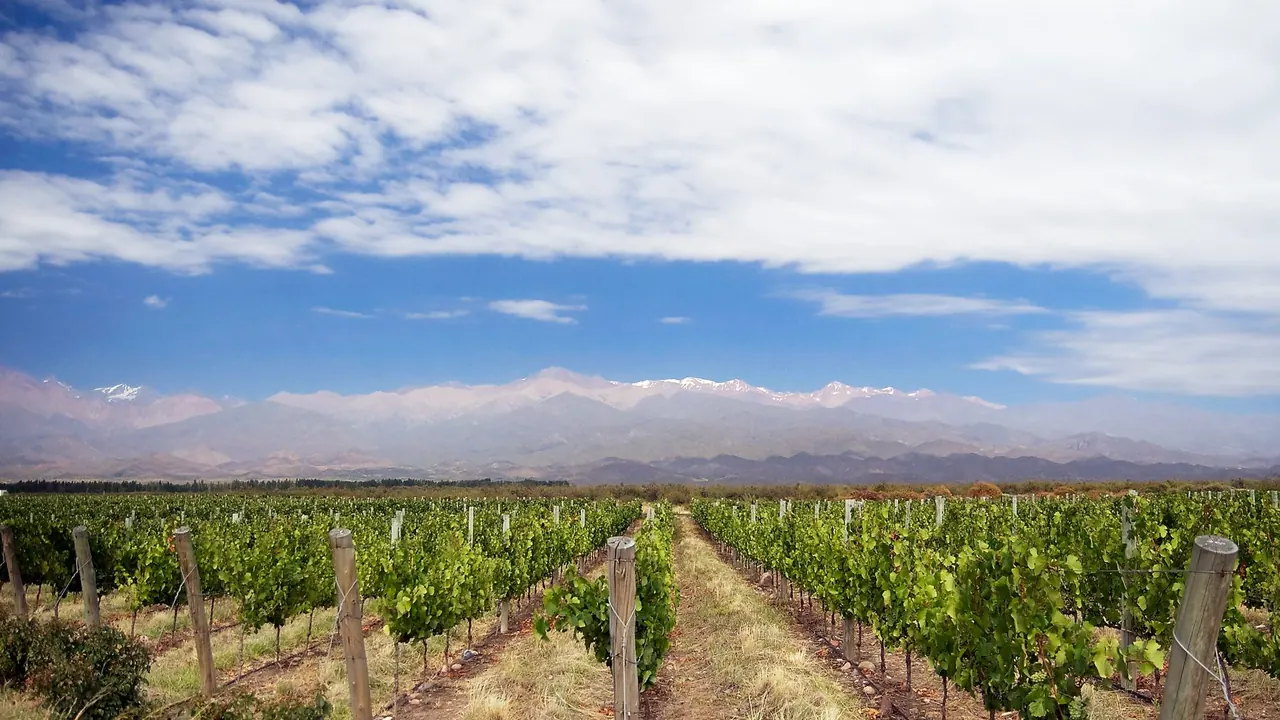
Mendoza is the choice if wine and mountains are the point of the trip. Long winery lunches in Luján de Cuyo and the Uco Valley, rafting at Potrerillos, the road up to Aconcagua and a soak at Cacheuta make it the stronger base for active days followed by slow evenings. The city is pleasant rather than historic, so come for what lies around it.
Choose Salta for
- culture and sights
- live music and the arts
- prices
Travellers drawn by history, folk music and a lower daily budget will get more from Salta. Its colonial centre and the museum of the Llullaillaco children have more to see than Mendoza's rebuilt grid, and the peñas offer a living music tradition. The trade-off is long days on the road to reach the gorges and villages of the northwest, and a rainy summer.
Scoreboard
Twelve categories on one fixed scale from 0 to 100. The shaded stretch is the gap between the two.
Your match
Pick a travel style or drag the sliders, and both match scores follow your weighting.
Too close to call, 1 point apart
Wins on wellness and nature and the outdoors with your weighting.
Wins on culture and sights and live music and the arts with your weighting.
What matters to you?
Category by category
What the scores mean for a trip.
Beaches & swimming
Neither city has a beach, and both sit far inland. Mendoza's nearest water is the Potrerillos reservoir in its mountain setting, while Salta has the larger Cabra Corral, used more for boating than swimming. In either place a hotel pool is what you will actually swim in.
Food & drink
Mendoza eats better, mostly thanks to its wineries. Multi-course lunches paired with Malbec in Luján de Cuyo, Maipú and the Uco Valley are the highlight, and in town there are parrillas and late terraces on Arístides Villanueva.
Salta's appeal is a different cuisine rather than a better one: empanadas salteñas, humitas, tamales and locro from the Andean tradition, with Torrontés to drink and the central market as the place to eat it. It is more distinctive than steak and wine, but it has fewer standout meals and less fine dining.
Culture & sights
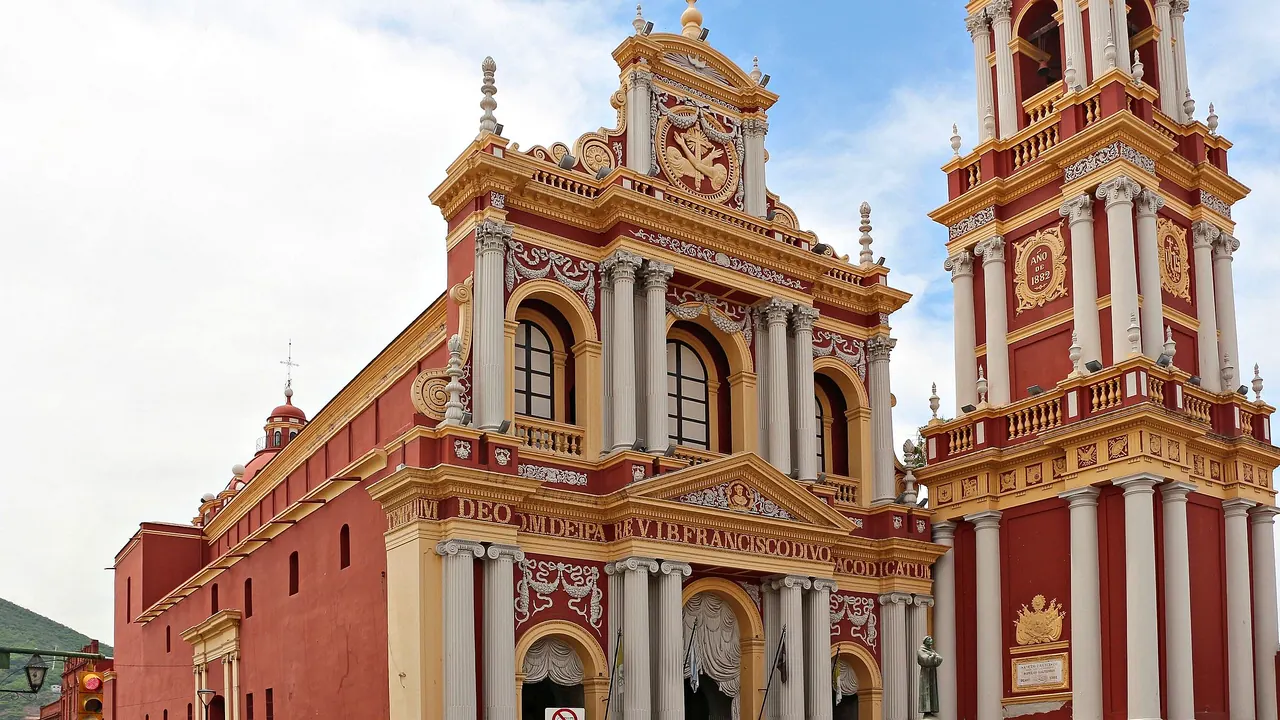
Salta has far more to see in town. Its colonial Cathedral, arcaded Cabildo and red-and-gold San Francisco church survived, and the Museum of High Mountain Archaeology, with its preserved Inca children, is a real reason to visit.
Mendoza lost its colonial city to the 1861 earthquake, so its sights are the tree-lined grid that replaced it, the tiled Plaza España, the foundation ruins and the Cerro de la Gloria monument. Each city needs only a day or two, but Salta's day is the richer one.
Nightlife
Both keep late Argentine hours and suit a relaxed drink more than serious clubbing. Mendoza spreads its evenings across Arístides Villanueva's pavement bars and the quieter wine bars of Chacras de Coria, with a few big clubs on the outskirts at weekends. Salta pours its nights into one strip, Calle Balcarce, where bars and folk peñas sit side by side and are lively on Fridays and Saturdays but quiet midweek.
Nature & outdoors
Mendoza has the edge because the high Andes are so close. Within an hour you can raft at Potrerillos or hike in the Cordón del Plata, and a single long day reaches Aconcagua at 6,961m. Paragliding, riding and vineyard cycling fill the gaps.
Salta's scenery is more varied: cloud forest at San Lorenzo, red rock in the Quebrada de las Conchas and cactus country on the way to Los Cardones. Most of it needs long drives, and the summer rain limits when you can go.
Day trips
The two offer about as much, but in different ways. Mendoza's outings are almost all wine: easy cycling in Maipú, Luján de Cuyo's big estates, and the Uco Valley about an hour and a half out, so the list runs thin if you don't drink.
Salta's outings are more varied, taking in Cafayate, the Quebrada de Humahuaca, Cachi and the Tren a las Nubes, but they mean dawn starts and long drives, and many people stay a night away instead.
Good for families
Neither city has much built for children, though both welcome them at late dinners and on busy evening plazas. Mendoza has the bigger outdoor playground in Parque San Martín, with paddle boats, plus gentle rafting and the Cacheuta pools. Salta has the cable car with gardens at the top and a museum that older children may find fascinating, but its highlights involve winding roads and altitude.
Getting around
Both have flat, walkable grid centres, and both need a car, driver or tour once you leave town. Mendoza has a light-rail line towards Maipú and bike hire among the wineries, which makes its nearest wine country easy without a car. Salta's trips are longer and some roads are gravel, though taxis in town are cheap.
Shopping & style
Neither city is a shopping destination, and what sets them apart is what ends up in your luggage. Mendoza's best buys come out of its farms and vineyards: Malbec you won't find abroad, picked up at a winery after a tasting, plus olive oil and dried fruit from the same valleys. It is a shopping trip that happens along the way, between bodegas.
Salta gives the keener shopper a little more to browse. Its weavers, silversmiths and woodcarvers turn out things made by hand, above all the red-and-black poncho salteño, and they are worth taking time over in a way a case of wine is not. Mendoza does sell some leather, but it has nothing like Salta's craft tradition to match it. Anyone after fashion or design will be disappointed in both.
Affordability
Salta is the cheaper of the two for everyday life. Guesthouses, market meals and taxis cost less, though tours and car hire for the long mountain loops take a big share of the budget.
In Mendoza the city itself is moderately priced, but tasting fees, winery lunches and the drivers needed to reach them add up quickly. In both, Argentina's shifting currency can change how expensive the trip feels.
Live music & performing arts
Salta is the better place to hear music. It is a heartland of Argentine folk, and its peñas, with guitar, bombo and couples dancing between tables, make a night out worth planning a trip around. The June Güemes vigil and carnival add bigger occasions.
Mendoza's big moment is the Vendimia harvest festival show in Parque San Martín. For the rest of the year it offers a modest programme of orchestra, touring shows and occasional cueca nights.
Wellness & relaxation
Mendoza is the place for proper relaxation. The Cacheuta hot springs, about 40km up the river canyon, have a public thermal park and a quieter spa, and the vineyard lodges in Luján de Cuyo and the Uco Valley offer spa retreats.
Salta offers a slow pace more than treatments: a long siesta, plaza cafés and calm estancias around San Lorenzo. Its only hot springs are a long drive away at Rosario de la Frontera.
When should you go?
Pick your month. The climate figures are measured averages, not a forecast.
Mendoza in July
Salta in July
Daytime high, °C
Rainfall in the month, mm
Temperature and rainfall are climate normals, averaged over the years shown. Mendoza: 1991-2020 normals, Mendoza Aerodrome (8.5 km from centre). Salta: 1991-2020 normals, Salta Aerodrome (10 km from centre).
The two cities run on different weather patterns. Mendoza is dry and sunny all year, so rain hardly matters when you plan. Heat and cold do: January afternoons reach about 33°C, which is fine beside a pool but tiring in the streets, and July highs drop to around 15°C, cool but clear for the mountains and the small ski area. March to April and October to November are the most comfortable months for winery days and walking.
Salta is milder but has a real wet season. From December to March storms build, and January brings about 194mm, which can cut into mountain drives. From May to September it barely rains, with highs near 20°C, which is ideal for long outings into the gorges. Spring, around October and November, is warmer and still mostly dry. Neither city is a beach destination in any month.
Which traveller are you?
For a culture and arts trip, Salta is the better pick. It has the stronger colonial core around Plaza 9 de Julio, the remarkable high mountain archaeology museum, and folk peñas where zambas and chacareras run late, which Mendoza's planned grid and modest stages can't match.
On an outdoors trip, Mendoza comes out ahead. Rafting and kayaking on the Mendoza River, high hiking in the Cordón del Plata, paragliding from Cerro Arco and the Aconcagua park all lie within a day. Salta's landscapes are dramatic but mostly need longer drives.
On a relaxing and wellness trip, Mendoza suits better. The Cacheuta thermal pools are close enough for a half day, and vineyard lodges with spas make restful stays. Salta offers a slow siesta pace, but its nearest hot springs are a long drive away.
Before you go
| Measure | Mendoza | Salta |
|---|---|---|
| Official language | Spanish | Spanish |
| Currency | Argentine Peso (ARS) | Argentine Peso (ARS) |
| Sockets | CI220 V, 50 Hz | CI220 V, 50 Hz |
| Driving side | Left | Left |
| Time zone | UTC-3 | UTC-3 |
| Emergency number | 117 or 911 | 117 or 911 |
| Elevation | 769 m | 1,152 m |
| Main airport | Governor Francisco Gabrielli International Airport (MDZ)8 km from centre9 non-stop destinations | Martín Miguel de Güemes International Airport (SLA)11 km from centre15 non-stop destinations |
| Public holidays this year | 16 days | 16 days |
By the numbers
| Measure | Mendoza | Salta |
|---|---|---|
| City population | 127,160 | 594,772 |
| People per km² | 2,355 | - |
| Museums within 10 km | 1 | 7 |
| UNESCO World Heritage sites within 50 km | 0 | 0 |
Where else could you go?
Every comparison below shares a destination with this one, so you can follow Mendoza or Salta somewhere new.
- Santiagovs Mendoza
- Vina del Marvs Mendoza
- Valparaisovs Mendoza
- San Pedro de Atacamavs Salta
- Sucrevs Salta
- Barilochevs Mendoza