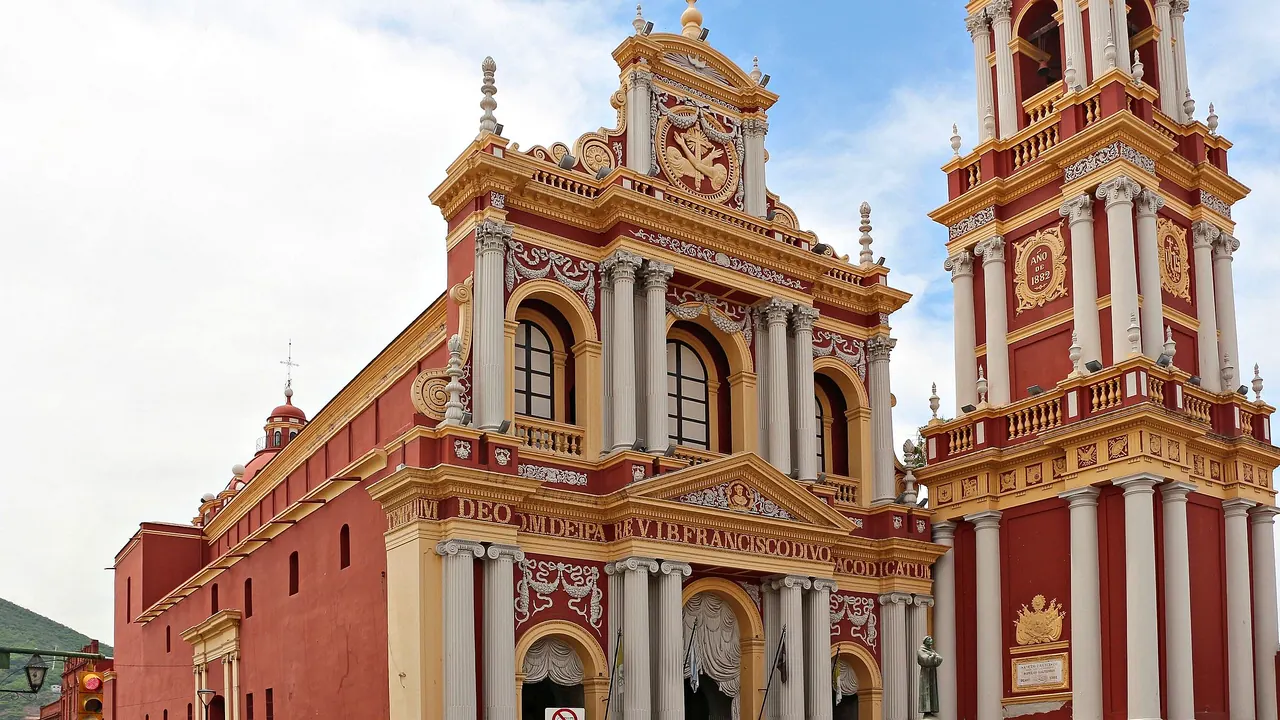
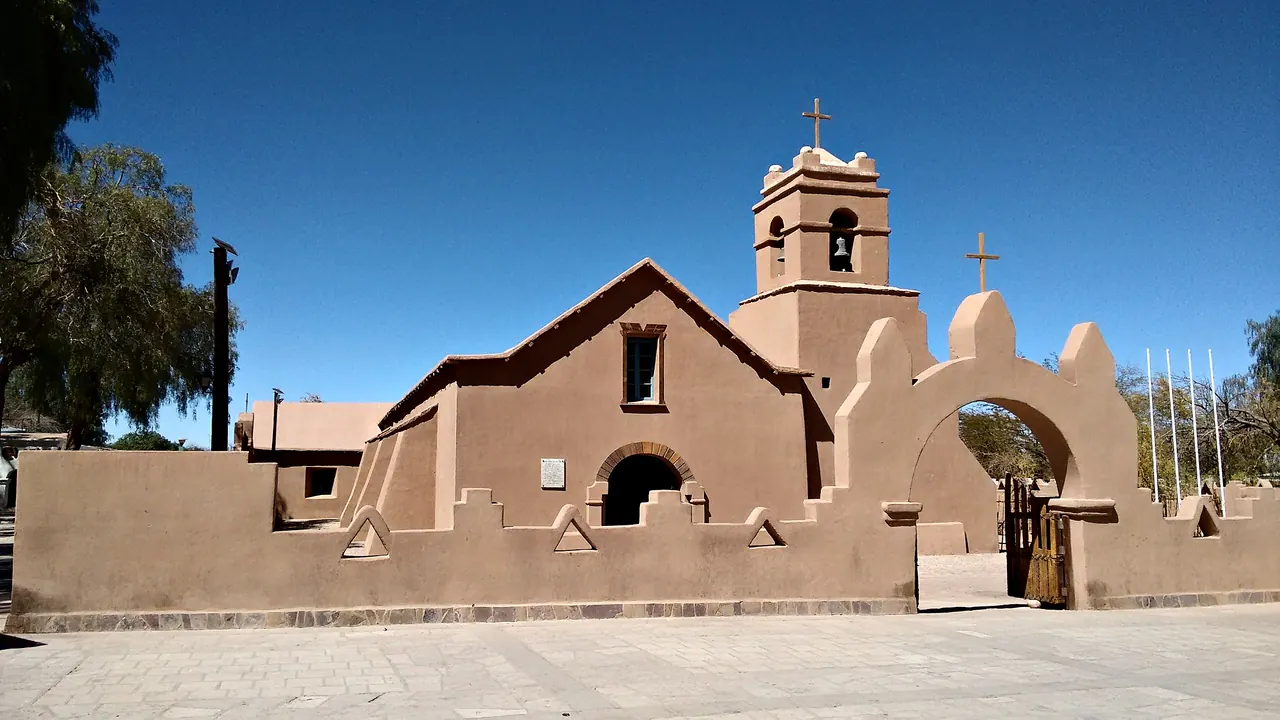
Photos: Salta by Bernard Gagnon, CC BY-SA 4.0, cropped; San Pedro de Atacama by MarcosEscalier, CC BY-SA 4.0, cropped.
Salta or San Pedro de Atacama?
Our verdict in twelve categories, each scored against the same fixed benchmark cities, and the climate month by month, so you can choose for your trip.
Choose Salta for
- live music and the arts
- nightlife
- culture and sights
Salta suits the traveller who wants a real city at the end of each day. You get a colonial centre to walk, the Inca children at the high mountain archaeology museum, empanadas with Torrontés, and folk music in the peñas until late. It is also the cheaper base and the easier one with children, though reaching its famous valleys and gorges means long days on the road.
Choose San Pedro de Atacama for
- nature and the outdoors
- wellness
- beaches
If the landscape is the whole point, pick San Pedro de Atacama. Geysers at dawn, flamingos on the salt flat, lagoons under volcanoes and exceptionally clear night skies are all close to the village, and the hot pools at Puritama give the stay a restful counterweight. In return you get an expensive, quiet adobe village with repetitive menus and early nights, and you have to plan for altitude.
Scoreboard
Twelve categories on one fixed scale from 0 to 100. The shaded stretch is the gap between the two.
Your match
Pick a travel style or drag the sliders, and both match scores follow your weighting.
Wins on live music and the arts and nightlife with your weighting.
Wins on nature and the outdoors and wellness with your weighting.
What matters to you?
Category by category
What the scores mean for a trip.
Beaches & swimming
Neither has a beach, and both lie far inland. The difference is in kind. In Salta, swimming means a hotel pool or a summer dip at the Cabra Corral reservoir, which locals use more for boating. San Pedro de Atacama offers the odd experience of floating without effort in the salty water of Laguna Cejar or the Baltinache pools, a memorable hour rather than an afternoon's swim.
Food & drink
Salta has a regional cuisine worth travelling for. The empanada salteña, humitas and tamales made with fresh corn, slow-cooked locro and Torrontés from the high valleys make meals part of the trip. The central market gives you the most local version of all this, even if fine dining is thin.
In San Pedro de Atacama you eat to refuel. A few kitchens on Caracoles cook well with quinoa, llama and rica-rica, but this is a village of a few thousand people with no market or street food, so the choice is narrow and menus repeat after a few nights.
Culture & sights
Salta is the place for sights. The cathedral and arcaded Cabildo on Plaza 9 de Julio, the San Francisco bell tower and the Museum of High Mountain Archaeology, with its preserved Inca children from Llullaillaco, make up one of Argentina's best-kept colonial centres.
San Pedro's heritage is older but smaller. The adobe church with its cactus-wood ceiling, the Pukará de Quitor fortress and the round dwellings of Tulor fill half a day by bike. They are a backdrop to the desert rather than a reason to come.
Nightlife
Salta gives you a proper Argentine night out at weekends: dinner after ten, then the bars and a few dance clubs on Calle Balcarce, full of students until late, though midweek it is calm. San Pedro de Atacama has a handful of fire-pit bars on Caracoles and goes quiet well before midnight, partly because the geyser tours leave before dawn. A night out there usually means an astronomy tour.
Nature & outdoors
This is San Pedro de Atacama's great strength. The Valle de la Luna, the flamingo pools of the Salar de Atacama, El Tatio steaming at sunrise and the Miscanti and Miñiques lagoons are all short or half-day trips away. The weather is reliable and the stargazing is world-class. Altitude is the only real limit.
Salta's scenery is dramatic too, from the cloud forest at San Lorenzo to the red rock of the Quebrada de las Conchas and the cactus country towards Los Cardones. More of it needs long drives, though, and the summer rain makes spring and autumn the best seasons.
Day trips
Salta is the better base for visiting towns and villages as well as landscapes. Cafayate's bodegas, the adobe villages of the Quebrada de Humahuaca, colonial Cachi and the Tren a las Nubes mean long days, and some are worth an overnight stay, but these are places with lives of their own.
From San Pedro nearly every outing heads into the scenery. There are few villages worth a trip: mainly the white-stone oasis of Toconao, the old church at Chiu Chiu and the copper mine at Chuquicamata. Uyuni, across the Bolivian border, takes several days.
Good for families
Salta is the easier of the two with children, though neither is built around them. The compact centre, plazas full of local families in the evening, late dinners where children are welcome and the cable car up Cerro San Bernardo make city days simple.
San Pedro suits older children and teenagers, who will love sandboarding, floating in a salt lagoon and seeing Saturn through a telescope. With young children, the pre-dawn starts, long minibus rides, bitter cold and heights above 4,000m are real obstacles.
Getting around
Getting about is far simpler in Salta. Its flat colonial grid puts the churches, museums, market and cable car within walking distance, and taxis and city buses are cheap. Long-distance buses run out into the region, though most visitors still join tours or hire a car, because the mountain roads are slower than the distances suggest.
San Pedro de Atacama has no public transport beyond the village, which you can cross on foot in ten minutes along dusty, unpaved streets. For the lagoons, geysers and valleys you need a minibus tour, a high-clearance hire car or a rented bike. Even arriving means a transfer of about an hour and a half from Calama airport.
Shopping & style
Both sell Andean crafts rather than fashion, but Salta has more choice. Its artisan market, in an old colonial house, sells the red-and-black poncho salteño, weaving, silver and leatherwork. Torrontés and local sweets make easy gifts, and there are pedestrian shopping streets and a mall too.
San Pedro's craft market and the shops on Caracoles sell alpaca jumpers, stone carvings and lapis lazuli jewellery, much of it the same as elsewhere in the region. A warm wool layer is worth buying for the freezing dawn tours.
Affordability
Salta is much the cheaper stay. Central guesthouses, market meals and city transport cost little, so most of the budget goes on tours, car hire and the train excursion into the mountains.
San Pedro de Atacama is expensive for a village and dearer than most of Chile, because everything is trucked across the desert. Rooms go up to some of South America's costliest lodges, dinners are priced for visitors, and tours and park fees are hard to avoid. Set lunches, self-catering and cycling help keep costs down.
Live music & performing arts
For live music, the two are far apart. Salta has a living folk tradition, while San Pedro de Atacama has almost nothing you could call a stage. In Salta's peñas on Calle Balcarce and around the old centre, zambas and chacareras run late, couples dance between the tables and local musicians drop in for a song. The provincial theatre adds the symphony orchestra and touring dance, and the Güemes vigil in mid-June and the carnival season take music into the streets.
In San Pedro, live music means panpipes and charango in some restaurants on busy evenings. Its traditional dances belong to the feast of San Pedro and San Pablo and to Carnival, when costumed troupes dance through the village.
Wellness & relaxation
The Termas de Puritama give San Pedro de Atacama the clear edge for a restful stay. These natural hot pools at around 30°C step down a reed-filled canyon half an hour from the village. Salta has nothing like them. Apart from hotel spas, its nearest hot springs are at Rosario de la Frontera, a long drive away, so its calm comes from the pace instead: a long siesta, slow evenings in the plaza cafés and quiet nights in San Lorenzo or on a rural estancia.
San Pedro also has lodge spas with pools facing the volcanoes, and yoga sessions are easy to find. The catch is the rhythm of a touring stay, with pre-dawn alarms and thin air, so leave a few empty days.
When should you go?
Pick your month. The climate figures are measured averages, not a forecast.
Salta in July
San Pedro de Atacama in July
Daytime high, °C
Rainfall in the month, mm
Where the figures come from
San Pedro de Atacama has no weather station within reach, so its figures come from a gridded climate model rather than a measured record, and read a broad area rather than the city itself.
Temperature and rainfall are climate normals, averaged over the years shown. Salta: 1991-2020 normals, Salta Aerodrome (10 km from centre). San Pedro de Atacama: 1991-2020 normals, TerraClimate 4 km grid at the town, no weather station within 90 km.
Neither city has a beach, so what matters is the weather for walking and touring. Salta has a clear wet season. Rain builds from November and peaks in January at 194mm, the months when mountain roads and gorge tours are most likely to be disrupted. From April to October it is dry, and May to September is almost rainless, with daytime highs around 20°C that suit both the streets and the valleys. The sunniest stretch runs from July through to December.
San Pedro de Atacama is dry almost all year, with only a little rain in January and February, so timing matters less there. Daytime highs stay mild, from 26°C in midsummer down to 19°C in June and July, but nights are cold all year, and colder still in the winter months. Salta's dry season, roughly April to October, is the best time to combine the two.
Which traveller are you?
For a culture and arts trip, Salta is the clear pick. The colonial plaza, the red-and-gold San Francisco church and the museum of the Llullaillaco mummies fill a day or two, and evenings bring zambas in the peñas. San Pedro offers an adobe church and some ruins.
On a food and nightlife trip, Salta wins again. You can eat empanadas salteñas and locro with Torrontés at the market, then stay out late on Calle Balcarce at the weekend. In San Pedro the menus repeat within days and the village is asleep before midnight.
For an outdoors trip, San Pedro de Atacama is hard to beat. The Valle de la Luna by bike, El Tatio at sunrise, flamingos on the salt flat and the high lagoons are all within easy reach, with stargazing after dark. Much of Salta's best scenery needs long drives.
Before you go
| Measure | Salta | San Pedro de Atacama |
|---|---|---|
| Official language | Spanish | Spanish |
| Currency | Argentine Peso (ARS) | Chilean Peso (CLP) |
| Sockets | CI220 V, 50 Hz | CL220 V, 50 Hz |
| Driving side | Left | Right |
| Time zone | UTC-3 | UTC-4, UTC-3 in summer |
| Emergency number | 117 or 911 | Police 133/134, ambulance 131, fire 132 |
| Elevation | 1,152 m | 2,407 m |
| Main airport | Martín Miguel de Güemes International Airport (SLA)11 km from centre15 non-stop destinations | El Loa Airport (CJC)86 km from centre3 non-stop destinations |
| Public holidays this year | 16 days | 16 days |
By the numbers
| Measure | Salta | San Pedro de Atacama |
|---|---|---|
| City population | 594,772 | 5,347 |
| People per km² | - | 2,325 |
| Museums within 10 km | 7 | 1 |
| UNESCO World Heritage sites within 50 km | 0 | 1 |
Where else could you go?
Every comparison below shares a destination with this one, so you can follow Salta or San Pedro de Atacama somewhere new.
- Sucrevs Salta
- La Pazvs San Pedro de Atacama
- Mendozavs Salta
- La Pazvs Salta
- Puerto Iguazuvs Salta
- Mendozavs San Pedro de Atacama