Chuuk Lagoon
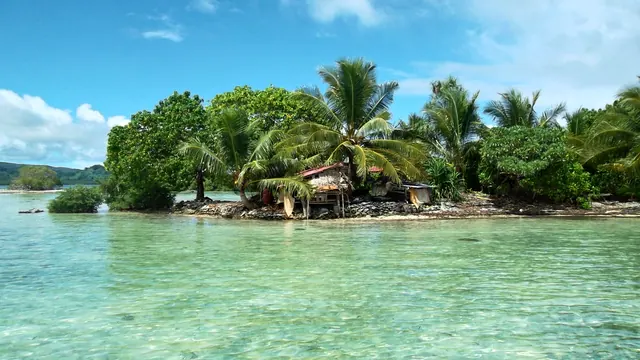
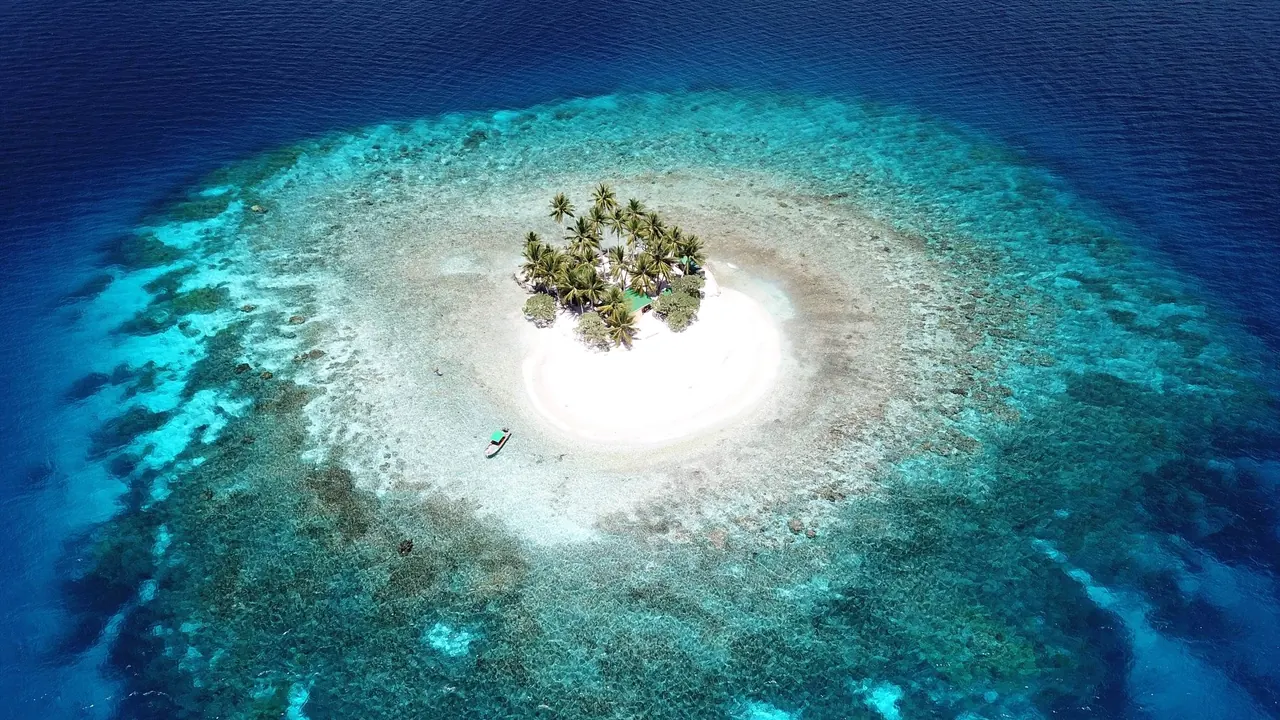
Jeep Island, a tiny palm islet ringed by white sand and reef in Chuuk Lagoon
- Nature & outdoors82
- Beaches50
- Affordability32
Photo: Motoki Kurabayashi, CC BY-SA 4.0, cropped
Match
23
Every category weighted equally
- Beach & sun27
- Culture & arts17
- Food & nightlife16
- Family trip27
- Outdoors32
- Relax & unwind27
- Shopping & style16
- On a budget24
Chuuk Lagoon in twelve categories
Our verdict on each, scored 0 to 100 against the same fixed benchmark cities, so a score means the same thing on every page.
Beaches & swimming. Scores 50 out of 100.
Food & drink. Scores 15 out of 100.
Culture & sights. Scores 14 out of 100.
Nightlife. Scores 5 out of 100.
Nature & outdoors. Scores 82 out of 100.
Day trips. Scores 18 out of 100.
Good for families. Scores 12 out of 100.
Getting around. Scores 18 out of 100.
Shopping & style. Scores 5 out of 100.
Affordability. Scores 32 out of 100.
Live music & performing arts. Scores 5 out of 100.
Wellness & relaxation. Scores 14 out of 100.
Chuuk Lagoon category by category
Beaches & swimming
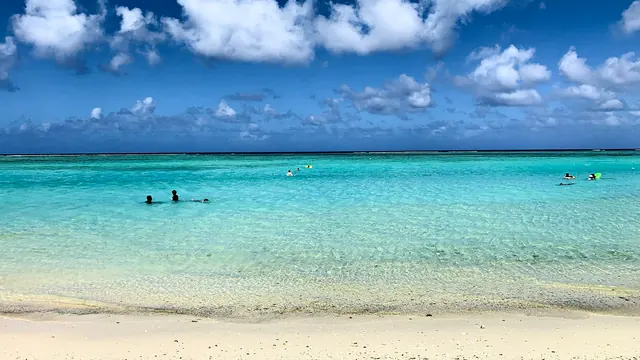
50The water is the draw, not the sand. The lagoon stays around 28°C to 29°C all year and is calm and clear inside the barrier reef. Weno, where most visitors stay, has rocky, mangrove-fringed shores and very little you would call a beach.
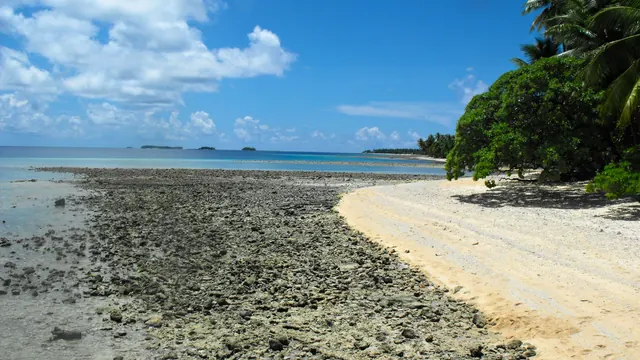
The beaches that do exist are on the small reef islets scattered around the lagoon's edge, palm-topped sandbars of white coral sand with snorkelling straight off the shore. Reaching them takes a boat, usually arranged as a picnic day out. They are lovely and nearly empty, but most visitors come to dive, and a beach-centred stay is hard to build here.
Food & drink
15Eating is basic. Most meals are taken at the dive hotels on Weno or on board a dive boat, and the menus lean on imported rice, tinned goods and simple Asian-influenced plates. The best of it is fresh reef fish and tuna, and island staples such as breadfruit, taro and coconut when they turn up. There is no restaurant scene, no café culture and little to drink beyond beer. Treat food as fuel between dives.
Culture & sights
14What there is to see is from the Pacific War, and very little of it is on land. Japan made the lagoon its main fleet anchorage in the central Pacific, and its traces survive as concrete and steel among the trees. On Weno there are coastal guns set into hillside caves and a stone lighthouse on the ridge at Sapuk, with wide views over the lagoon. There is also the heavy, blast-proof Japanese building on the hill that a mission school took over after the war.
There is no museum of note, no historic town and almost no traditional architecture to visit. Chuukese culture lives in villages and churches and is not set out as sights. A visitor who does not dive will see the land heritage in a morning or two.
Nightlife
5There is effectively no nightlife. Evenings are spent over dinner at the hotel, logging dives and getting to bed early for the morning boat. Alcohol is restricted in parts of the state and the few places that serve it close early. Nobody comes here to go out.
Nature & outdoors
82Chuuk is one of the world's great dive destinations, and the reason is the sunken Japanese fleet. More than fifty ships and many aircraft lie on the lagoon floor, among them freighters still holding trucks, tanks, aircraft parts and munitions, all heavily overgrown with coral and visited by reef fish. Many wrecks are in reach of recreational divers, the deeper ones attract technical divers, and the warm, sheltered water makes diving possible all year.
Around the barrier reef there are passes with sharks and pelagic fish, and snorkelling off the outer islets. On land the offer is thin: the high volcanic islands are green and steep, with a few rough walks, but little else. For anyone who does not dive, much of this stays out of reach.
Day trips
18Day trips mean a boat across the lagoon. Tonoas holds the ruins of the old Japanese base, and Fefen, Uman and the other high islands offer quiet villages and a few more wartime remains. The outer islets are for picnics and swimming. There are no other towns of any size and nothing beyond the lagoon is within reach for a day.
Good for families
12This is a hard place to bring children. There is nothing made for them, medical care is basic and far from specialist help, and the roads and boats take some stamina. Older children who snorkel well will enjoy the warm, calm lagoon and the islet picnics, and certified teenage divers can see some of the shallower wrecks. For younger children it offers very little.
Getting around
18Weno is small, but its roads are rough and potholed, pavements are rare, and the only transport is informal shared taxis and hotel vans. Everything else in the lagoon is reached by small boat, which the dive operators and hotels arrange. On a dive trip this works smoothly enough, as the boat collects you at the hotel jetty. Exploring independently is slow and needs planning.
Shopping & style
5There is almost nothing to buy. Weno has a few general stores selling imported basics, and the only souvenirs are local handicrafts such as carved love sticks, woven items and shell work, found at the hotels or from the makers themselves. Bring everything you need, including dive gear spares.
Affordability
32Daily life here is not costly, but a visitor's trip is. Hotels on Weno are simple and moderately priced, yet nearly every day involves boat diving, which is the main expense, and meals at hotels rely on imported food. The liveaboard boats, the most popular way to dive the wrecks, are a significant outlay. Getting here at all means long flights across the Pacific.
Live music & performing arts
5There is no theatre, concert hall or live music venue. Traditional Chuukese songs and dances belong to church and community occasions, and a visitor sees them only by chance, at a celebration or a hotel event. Do not plan around it.
Wellness & relaxation
14There are no spas, no bathing tradition and little in the way of massage beyond what a hotel might arrange. The pace is slow and the lagoon is calm, but Weno is a working, untidy town rather than a resort. A diving trip, with early boats and several dives a day, is active rather than restful. The quietest moments are on the outer islets.
When should you go?
Pick a month to see what it is like. The climate figures are measured averages, not a forecast.
Chuuk Lagoon in July
Daytime high, °C
Rainfall in the month, mm
The whole year
Shaded against this destination’s own year: the deepest cell is its best month for that figure and the palest its weakest.
Temperature and rainfall are climate normals, averaged over the years shown. Chuuk Lagoon: 1991-2020 normals, Weno Island, Chuuk Int. Airp. (1.4 km from centre).
Before you go
| Measure | Chuuk Lagoon |
|---|---|
| Official language | English |
| Currency | US Dollar (USD) |
| Sockets | AB120 V, 60 Hz |
| Driving side | Right |
| Time zone | UTC+10 |
| Emergency number | 911 |
| Main airport | Chuuk International Airport (TKK)7 non-stop destinations |
| Public holidays this year | 8 days |
By the numbers
| Measure | Chuuk Lagoon |
|---|---|
| Population | 41,745 |
| People per km² | 448 |
| Swim season, months above 21 °C | 12 months |
Compare Chuuk Lagoon with
Every comparison with a written verdict behind it.