Pohnpei
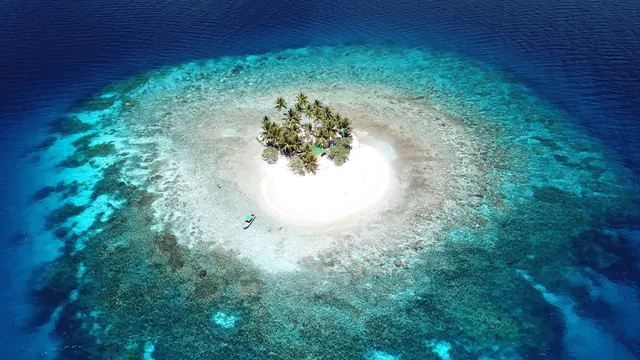
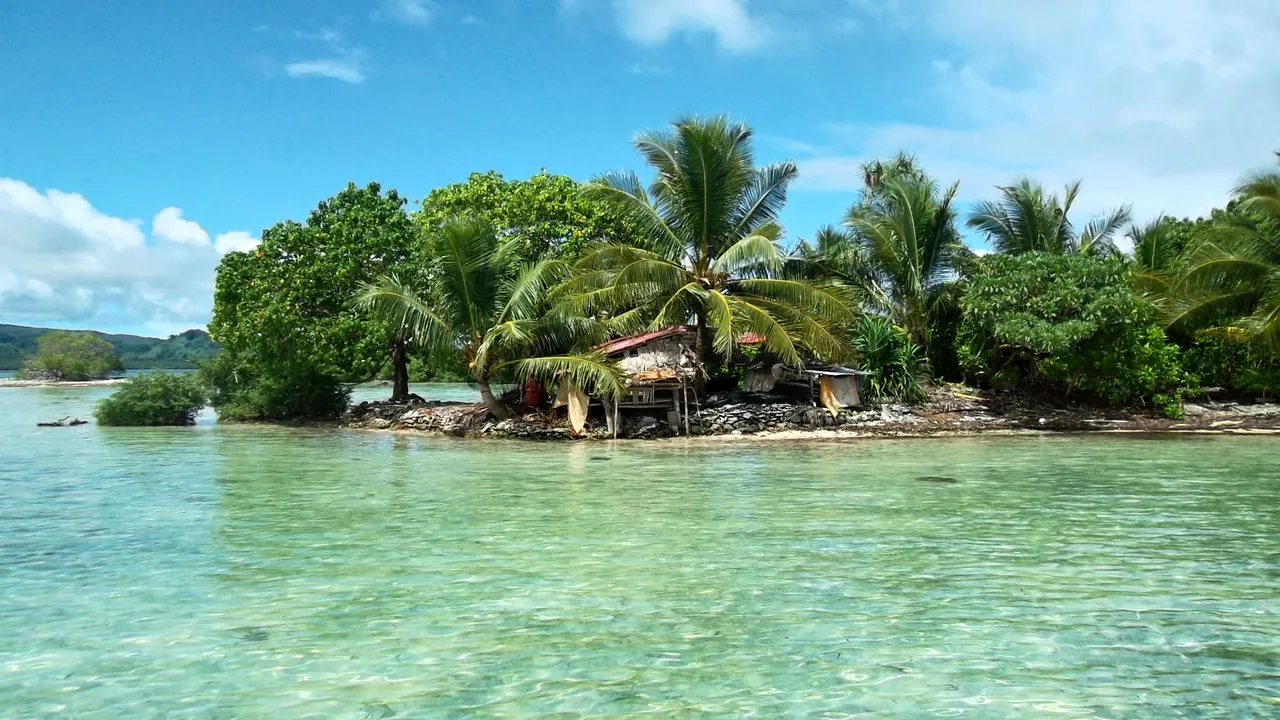
Penieu, a palm-covered islet on Pohnpei's southern barrier reef
- Nature & outdoors76
- Affordability45
- Culture & sights42
Photo: Patrick Nunn, CC BY-SA 4.0, cropped
Match
29
Every category weighted equally
- Beach & sun32
- Culture & arts26
- Food & nightlife23
- Family trip33
- Outdoors36
- Relax & unwind33
- Shopping & style24
- On a budget31
Pohnpei in twelve categories
Our verdict on each, scored 0 to 100 against the same fixed benchmark cities, so a score means the same thing on every page.
Beaches & swimming. Scores 38 out of 100.
Food & drink. Scores 23 out of 100.
Culture & sights. Scores 42 out of 100.
Nightlife. Scores 10 out of 100.
Nature & outdoors. Scores 76 out of 100.
Day trips. Scores 12 out of 100.
Good for families. Scores 22 out of 100.
Getting around. Scores 32 out of 100.
Shopping & style. Scores 10 out of 100.
Affordability. Scores 45 out of 100.
Live music & performing arts. Scores 7 out of 100.
Wellness & relaxation. Scores 30 out of 100.
Pohnpei category by category
Beaches & swimming
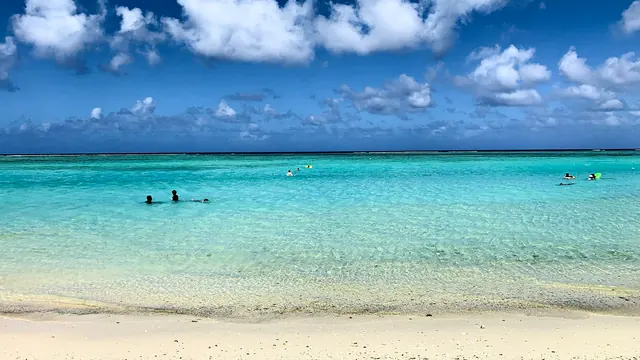
38Pohnpei is not a beach island. Its shore is mostly mangrove and reef flat, and Kolonia faces mud and seagrass rather than sand. Swimming means taking a boat across the lagoon to small sandy islets on the barrier reef, or out to Ant and Pakin atolls, where the water is clear, calm and around 28°C all year.
Those outings can be lovely, with snorkelling straight off the sand and nobody else around, but they are planned half-days rather than a daily habit, and depend on tides and weather. A visitor who wants to step out of the room onto a beach will be disappointed; one happy to arrange a boat gets warm lagoon water almost to themselves.
Food & drink
23Eating out happens almost entirely in Kolonia, where a handful of simple restaurants serve fish, rice-based plates and Japanese-influenced dishes, a legacy of the interwar period. The highlight is reef and open-ocean fish caught that day, especially yellowfin tuna served as sashimi, along with breadfruit, taro, yams and the island's own black pepper.
Beyond that the offer is narrow: much of what reaches the table is imported, and there is no market or street-food culture to speak of. The drink that defines the island is sakau, a kava pounded from pepper root, which is more ritual than refreshment. Food is part of a stay here, not a reason for one.
Culture & sights
42The reason to come for history is Nan Madol, a city of nearly a hundred artificial islets built from stacked basalt columns on the reef off the southeast coast, seat of the Saudeleur dynasty and later the Nahnmwarki chiefs. Walking among its walls and channels, half swallowed by mangrove, is strange and memorable, and the site is listed by UNESCO.
The rest is modest. Kolonia keeps a fragment of the Spanish fort wall, a German-era church bell tower and Japanese wartime relics, and Sokehs Island holds gun emplacements and the memory of the 1910 rebellion. There is a small cultural centre but no real museum, so the island's heritage is seen in one or two days.
Nightlife
10Evenings on Pohnpei are quiet. Kolonia has a few bars and hotel lounges, and the island's real social life gathers in roadside sakau bars, where people sit and share coconut shells of kava in a mellow, sleepy mood rather than a party one. There are no clubs to speak of, and most visitors are in bed early to be ready for a dawn boat or dive.
Nature & outdoors
76This is a high, green volcanic island, one of the wettest places on earth, with cloud forest rising to almost 800m in an interior few people enter. The rain feeds a string of waterfalls, Kepirohi, Sahwartik and Liduduhniap among them, reached by short muddy walks, while the climb up Sokehs Rock above Kolonia gives the classic view over the lagoon and reef. Longer interior hikes need a local guide.
Offshore the barrier reef is the main event: manta rays at their cleaning stations, healthy coral and reef sharks at Ant and Pakin atolls, and kayaking through mangrove channels. Palikir Pass throws up one of the Pacific's best right-hand reef breaks for experienced surfers, at its best from November to March.
Day trips
12Outings from wherever you stay stay on the island or its lagoon. Kolonia is the only town, Sokehs Island makes a half-day of history and village life, and boats run to Ant and Pakin atolls, where a few families live among palms and the attraction is the water rather than any settlement. Other islands of the country are flights away, so beyond these there is nothing to fill a day trip.
Good for families
22Pohnpei suits older, adventurous children more than young ones. Families are central to island life and children are welcomed everywhere, and a calm lagoon outing, a waterfall pool or a snorkel off an atoll can be a highlight. But there is nothing built for children, no swimming beach on the main island, heavy rain much of the year and only basic healthcare, so a family trip takes planning and patience.
Getting around
32There is no public transport. One paved road circles the island, and visitors use a hire car, cheap shared taxis around Kolonia or drivers arranged through their lodging; Nan Madol is roughly an hour's drive from town. Kolonia itself is small enough to walk, though pavements are patchy and downpours frequent.
The harder part is the water: the reef islets, atolls, dive sites and surf break all need a boat, booked in advance and dependent on weather and tides. Getting to the island at all means a long island-hopping flight.
Shopping & style
10There is little to shop for. Kolonia's stores sell everyday imported goods, and the souvenirs worth taking home are woven baskets, carvings and fans from local craft outlets, plus packets of the island's prized black and white pepper.
Affordability
45Pohnpei is not a budget island despite its modest setting. Lodging is limited and the better guesthouses and small hotels price their rooms like a Western resort town, imported food and drink are costly, and the experiences most visitors come for, diving, boat trips to the atolls and surf charters, add up quickly. Simple local meals, shared taxis and the free waterfalls soften the bill, and the long flight in is a large part of the cost.
Live music & performing arts
7There is no theatre, concert hall or regular live-music scene. Traditional Pohnpeian dances and chanting appear at feasts, church celebrations and the odd cultural demonstration for visitors, and a sakau ceremony has its own rhythm, but a visitor cannot plan evenings around performances.
Wellness & relaxation
30Pohnpei has no spa or bathing tradition to speak of, and pampering amounts to an occasional massage at one of the island hotels. What it does offer is pace: days set by tides and rain, few cars, no crowds, and the slow, numbing calm of an evening sakau session. Restful for a visitor who finds rest in quiet, not one looking for treatments.
When should you go?
Pick a month to see what it is like. The climate figures are measured averages, not a forecast.
Pohnpei in July
Daytime high, °C
Rainfall in the month, mm
The whole year
Shaded against this destination’s own year: the deepest cell is its best month for that figure and the palest its weakest.
Temperature and rainfall are climate normals, averaged over the years shown. Pohnpei: 1991-2020 normals, Pohnpei Island, Pohnpei Int. Airp. (2.2 km from centre).
Before you go
| Measure | Pohnpei |
|---|---|
| Official language | English |
| Currency | US Dollar (USD) |
| Sockets | AB120 V, 60 Hz |
| Driving side | Right |
| Time zone | UTC+11 |
| Emergency number | 911 |
| Main airport | Pohnpei International Airport (PNI)7 non-stop destinations |
| Public holidays this year | 8 days |
By the numbers
| Measure | Pohnpei |
|---|---|
| Population | 26,102 |
| People per km² | 70 |
| Swim season, months above 21 °C | 12 months |
Compare Pohnpei with
Every comparison with a written verdict behind it.