Montenegro
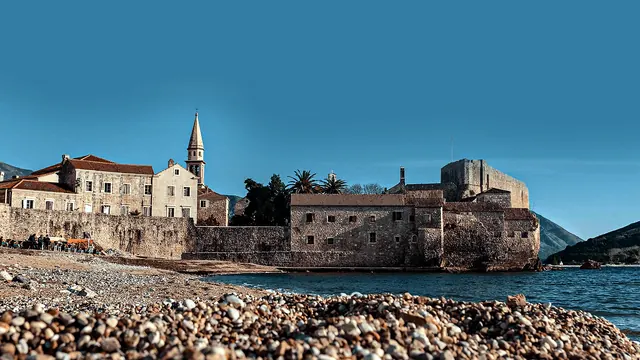
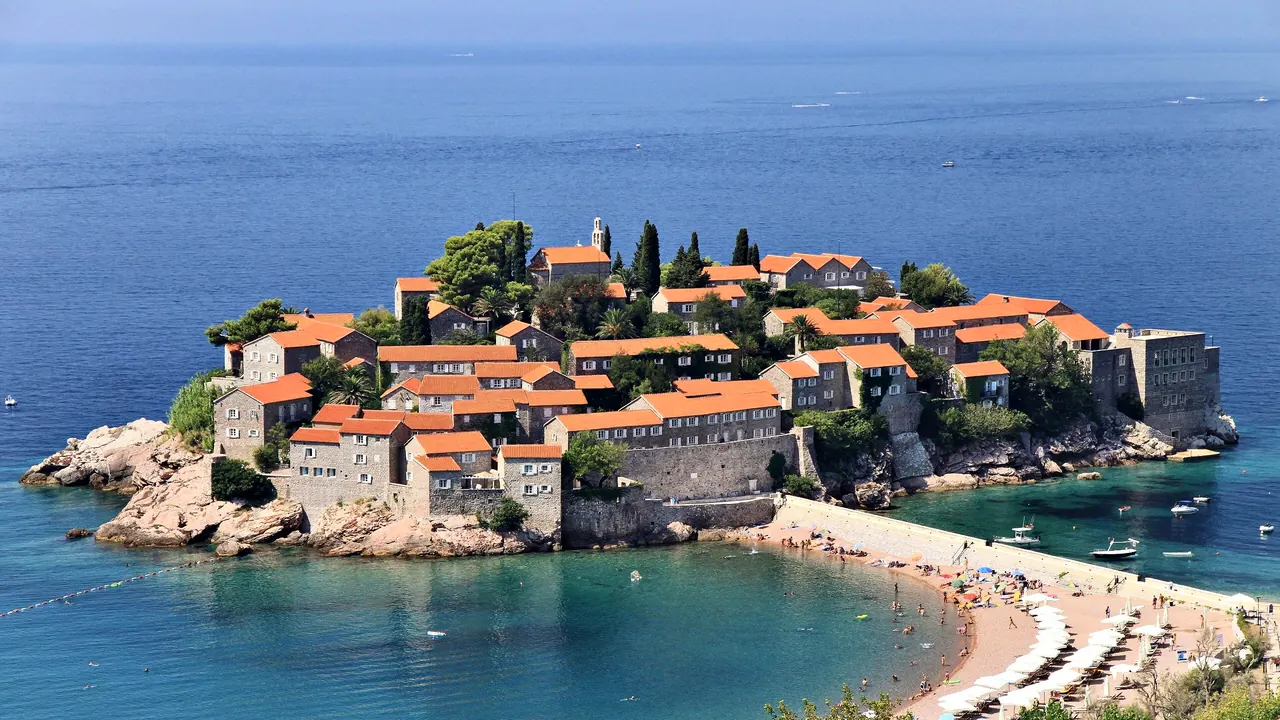
Sveti Stefan on the Budva Riviera
- Nature & outdoors85
- Beaches74
- Day trips70
Photo: Marcin Konsek, CC BY-SA 4.0, cropped
Match
51
Every category weighted equally
- Beach & sun55
- Culture & arts48
- Food & nightlife45
- Family trip56
- Outdoors60
- Relax & unwind54
- Shopping & style44
- On a budget52
Montenegro in twelve categories
Our verdict on the country as a whole, scored 0 to 100 against the same fixed benchmark cities as every destination, so a score means the same thing on every page.
Beaches & swimming. Scores 74 out of 100.
Food & drink. Scores 44 out of 100.
Culture & sights. Scores 58 out of 100.
Nightlife. Scores 42 out of 100.
Nature & outdoors. Scores 85 out of 100.
Day trips. Scores 70 out of 100.
Good for families. Scores 52 out of 100.
Getting around. Scores 40 out of 100.
Shopping & style. Scores 25 out of 100.
Affordability. Scores 60 out of 100.
Live music & performing arts. Scores 25 out of 100.
Wellness & relaxation. Scores 40 out of 100.
Montenegro category by category
Under each: where in Montenegro it is best, and our destinations in Montenegro that score highest on it.
Beaches & swimming
74Montenegro's short Adriatic coast is where most visits go, and from June to September the sea is warm and clear, around 24-26°C at its peak. The Budva Riviera is the centre of beach life. It is a chain of pebble and coarse-sand coves running from Mogren and Jaz past Becici and Petrovac, with the islet village of Sveti Stefan and the small beaches beside it as the postcard view. In high summer these beaches are packed with loungers and you often have to pay to use the sunbeds.
In the Bay of Kotor people mostly swim from concrete piers and small platforms below villages such as Perast and Dobrota. The water is calm and you swim with mountains all around you. In the far south, Ulcinj has Velika Plaza, a long, shallow sweep of sand that is quieter and better for children, plus Ada Bojana at the river mouth. July and August are crowded, and June and September are the easier months.
Food & drink
44Food here is simple regional cooking rather than a food culture you would plan a trip around. On the coast it means grilled fish, mussels from the Bay of Kotor, black risotto and olive oil. Inland the cooking is heavier: Njegusi smoked ham and cheese, kacamak cornmeal with kajmak, lamb cooked under an iron bell, and carp and eel from Lake Skadar.
The best eating is often away from the resorts. Try the roadside konobas in the hills above the coast, and the family wineries of the Crmnica valley near Virpazar, which make the dark Vranac red. Along the main promenades the menus repeat each other and serve tourists, fine dining is limited, and Podgorica's café scene is pleasant but small.
Where: Bay of Kotor, Crmnica valley, Njegusi
Culture & sights
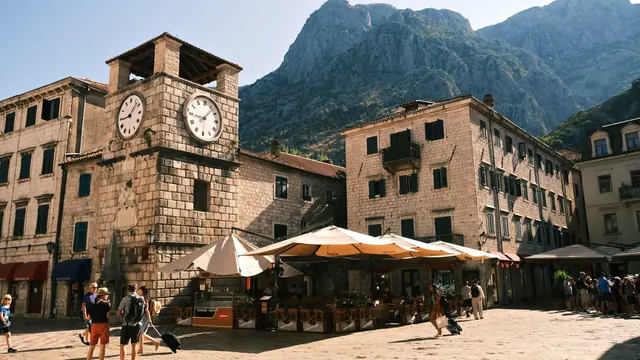
58The heritage is concentrated and small in scale. The highlight is Kotor, a walled Venetian town at the head of its bay and a UNESCO site. It is a maze of stone lanes and Romanesque churches, with fortifications climbing the mountainside above. Close by, Perast is a waterfront village of baroque palaces, and the church on the islet of Our Lady of the Rocks sits just offshore. Budva and Herceg Novi also have walled old towns, though both are smaller and heavily restored.
Inland, Cetinje is the old royal capital, with modest museums, the monastery and the former king's palace. Ostrog monastery is built into a cliff face and is the most visited pilgrimage site in the country. In the south, the ruins of Stari Bar give a sense of the Ottoman past. There are few major museums, and the whole set fits into a week of exploring.
Where: Kotor, Perast, Cetinje, Ostrog
Nightlife
42Going out here means summer on the Budva Riviera. In July and August, Budva's promenade, old-town bars and the large open-air clubs on the hills and beaches around it run until dawn, and the crowd is mostly young and from the region. Outside that season the resort goes quiet.
Kotor's old town fills with small bars and has a few late spots, and Podgorica has a modest local bar scene all year. Most of the coast and all of the mountains go to bed early. If a lively night matters for every evening of a trip, base yourself in Budva in high summer.
Nature & outdoors
85This is the country's strongest suit. The Bay of Kotor is a fjord-like inlet with limestone walls rising straight from the water. You can hike the old switchback path from Kotor up into Lovcen National Park, which has wide views over the coast, or kayak on the calm bay. Inland is Lake Skadar, a wide shallow lake of reeds, water lilies and pelicans that is good for boat trips and birdwatching.
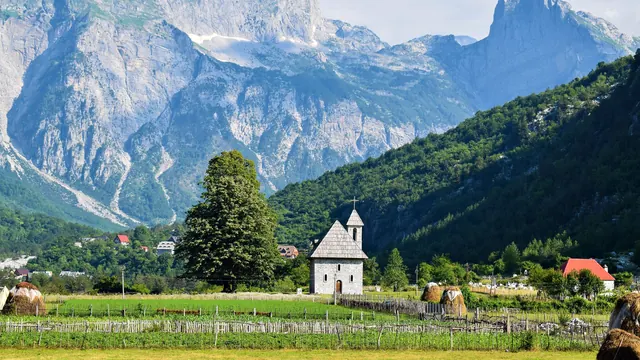
The north feels like a different country and is best as a separate stay of a few days, about three to four hours from the coast. Durmitor National Park has glacial lakes, high karst plateaus and rafting through the Tara canyon, one of the deepest in Europe. Biogradska Gora protects a primeval forest, and the Prokletije range on the Albanian border offers wild, little-trodden trekking. Summer suits hiking and rafting, and Durmitor has simple skiing in winter.
Where: Durmitor National Park, Bay of Kotor, Lake Skadar, Prokletije
Day trips
70The country is small, so from a base on the bay or the Budva Riviera much of it is within reach in a day. Perast and its island church are a short drive from Kotor. Cetinje and the smokehouse village of Njegusi lie up the Lovcen serpentine road, and Ostrog monastery is about two hours inland. The southern coast adds Stari Bar and the old fortress town of Ulcinj, and the Crmnica valley around Virpazar combines Lake Skadar with small family wineries.
Across the border, Dubrovnik is the outstanding day out. It takes about two hours from Kotor, and waits at the border can stretch that in summer. From Ulcinj, the Albanian city of Shkoder and its castle are within easy reach. The many winding roads slow every outing down.
Good for families
52Families come for the sea, and the best options for them are the calm, sheltered water of the Bay of Kotor and the long, shallow sand of Velika Plaza near Ulcinj, where small children can paddle safely. Children are warmly welcomed in restaurants and on promenades, and evenings out with the family are a normal part of local life.
Very little is built for children. Budva has a water park, and there are rafting and gentle lake trips for older children, but there are no zoos, aquariums or science museums of note. The steep steps of the old towns, the summer heat and long, winding drives with sharp hairpins are the main challenges.
Getting around
40Distances look short on the map but are slow on the road. The Budva Riviera is the easiest base. Buses run along it and on to the rest of the coast from Herceg Novi to Ulcinj, and the towns and beaches between Budva, Becici and Petrovac are close enough for short hops by bus or taxi. In high summer, though, the single coastal road is often jammed.
Around the Bay of Kotor, the old towns of Kotor and Perast are compact and easy to walk, but the road round the bay is narrow and the hairpins above it take patience. Podgorica is the inland hub for buses and the only railway, which runs from Bar north towards Kolasin. It is a scenic ride but of little use for most trips. To reach Durmitor, the monasteries or the lake villages on your own schedule, most visitors hire a car, and the mountain driving takes confidence.
Shopping & style
25Shopping plays little part in a trip here. The old towns of Kotor and Budva sell souvenirs, lace and jewellery, and the best things to take home are edible: Njegusi ham and cheese, olive oil, honey and bottles of Vranac from the wineries. The marina at Tivat has a small cluster of upmarket fashion boutiques, and Podgorica has ordinary shopping malls, but there is no real retail depth anywhere.
Where: Kotor, Tivat
Affordability
60For a Mediterranean coast this is a fairly affordable place to travel. Private apartments, simple konobas, buses and local wine cost less than on most of the Adriatic, especially in June and September. Prices are highest in the busiest places in peak season, in the old towns of Kotor and Budva and around the yacht marina at Tivat and the Sveti Stefan resorts.
The best value lies away from that stretch. Ulcinj, in the far south, has family guesthouses and plain seafood places close to its long sandy beach. Around Lake Skadar, village rooms near Virpazar and wine bought straight from the growers cost little. Up in Durmitor National Park, Zabljak's guesthouses and mountain cooking are among the cheapest in the country. A trip that mixes the coast with these areas keeps costs down.
Where: Ulcinj, Lake Skadar, Durmitor National Park
Live music & performing arts
25Live performance is mostly seasonal and modest in scale. In summer, Kotor and Budva hold arts festivals with theatre and concerts on open-air stages in their old-town squares, and Kotor's carnival is a long-standing fixture of its calendar. Podgorica has the national theatre and a small concert life that runs through the year, but it is not where visitors go. Beyond the festivals, music for most visitors means a band on a terrace or traditional songs at a village restaurant.
Wellness & relaxation
40There is no bathing culture here, but there is one real spa tradition. At Igalo, near Herceg Novi, a long-established medical spa uses sea mud and mineral springs, and it draws visitors from across the region for treatment stays. Beyond that, wellness means spas in the upmarket resort hotels on the Budva Riviera and around Tivat.
The slowest places are the best for unwinding. The waterfront villages of the Bay of Kotor, such as Perast and Prcanj, and the vineyards around Lake Skadar are quiet, especially outside July and August. Budva is the wrong place for rest in high summer.
Where: Igalo, Bay of Kotor, Lake Skadar
Where to go in Montenegro
Montenegro is small enough that the whole coast fits into one trip, but the winding roads make every distance take longer than it looks on the map. For a first visit, the Bay of Kotor is the place to start. Kotor works well as a base for culture and history, with its walled lanes, churches and the fortifications above town, and it has a few bars for the evening. Perast and Prcanj along the shore suit a quiet stay with swims from stone piers. From the bay you can hike or drive up to Lovcen, Cetinje and Njegusi, and Dubrovnik is a day out across the border.
Budva and the riviera running south past Becici to Petrovac are the choice for beach days and the easiest base without a car, with buses along the coast. In July and August Budva's clubs and promenade stay open until dawn, so it suits a young crowd better than anyone looking for rest. Sveti Stefan and Petrovac are the gentler end. Further west, Igalo near Herceg Novi is the place for a spa stay.
The far south is cheaper and slower. Ulcinj, with the long, shallow sand of Velika Plaza and Ada Bojana, is the best coast for families with small children, and Stari Bar and Shkoder are within easy reach. Inland, Lake Skadar and the Crmnica valley around Virpazar are good for boat trips, birdwatching, family wineries and a few quiet nights in a village.
The mountainous north is a trip of its own, best given a few days. It is three to four hours' drive from the coast, and a hired car makes it much easier. Durmitor National Park around Zabljak has summer hiking, rafting in the Tara canyon and simple winter skiing, and Biogradska Gora and the Prokletije range are for walkers who want wilder country. Ostrog monastery can be visited on the way up.
When should you go?
Montenegro has no single climate. Its months are measured at Kotor; pick one to see it. The figures are measured averages, not a forecast.
Kotor in July
Daytime high, °C
Rainfall in the month, mm
Where the figures come from
Kotor has no rain gauge within 25 km of the centre, so its rainfall comes from a gridded climate dataset read at the destination rather than from a gauge further away.
Kotor's sunshine is measured 42 km from the centre, at Podgorica-Grad.
Temperature and rainfall are climate normals, averaged over the years shown. Kotor: 1991-2020 normals, Tivat (4.2 km from centre).
Compare Montenegro with
Every comparison with a written verdict behind it, and any other country below.
Our destinations in Montenegro
Every place in Montenegro with its own page: its twelve scores, its texts and its months.