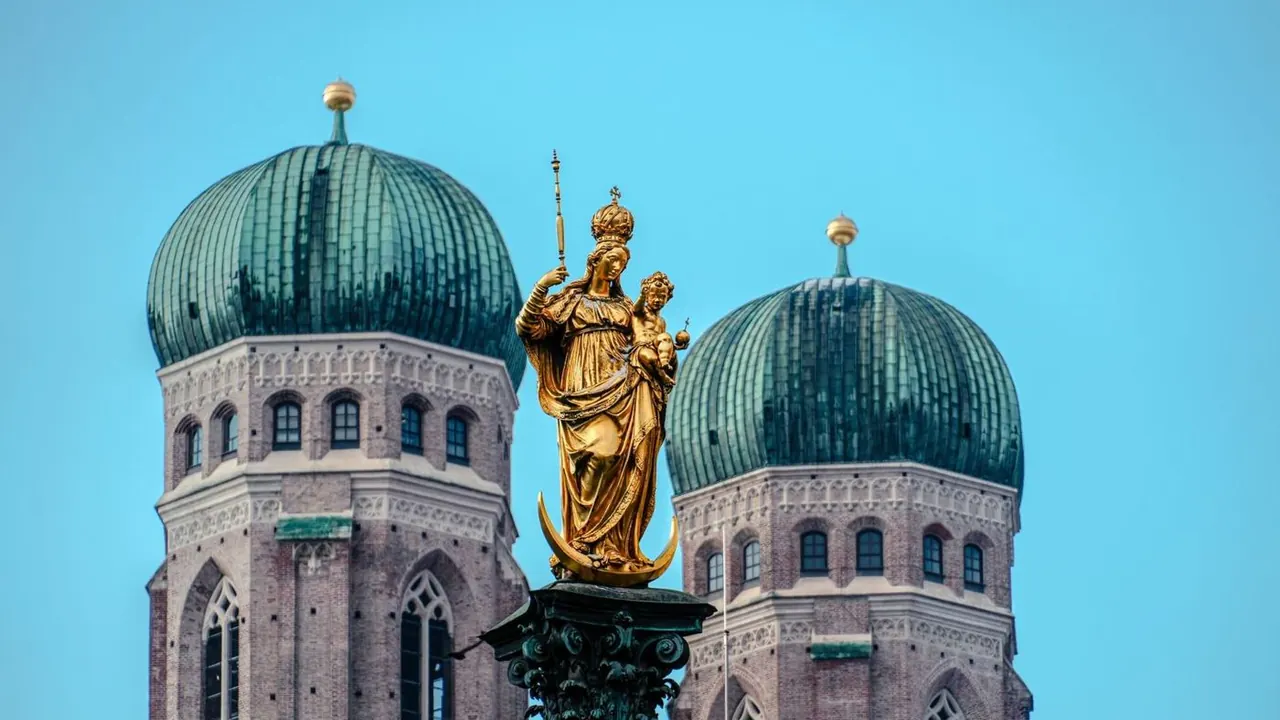
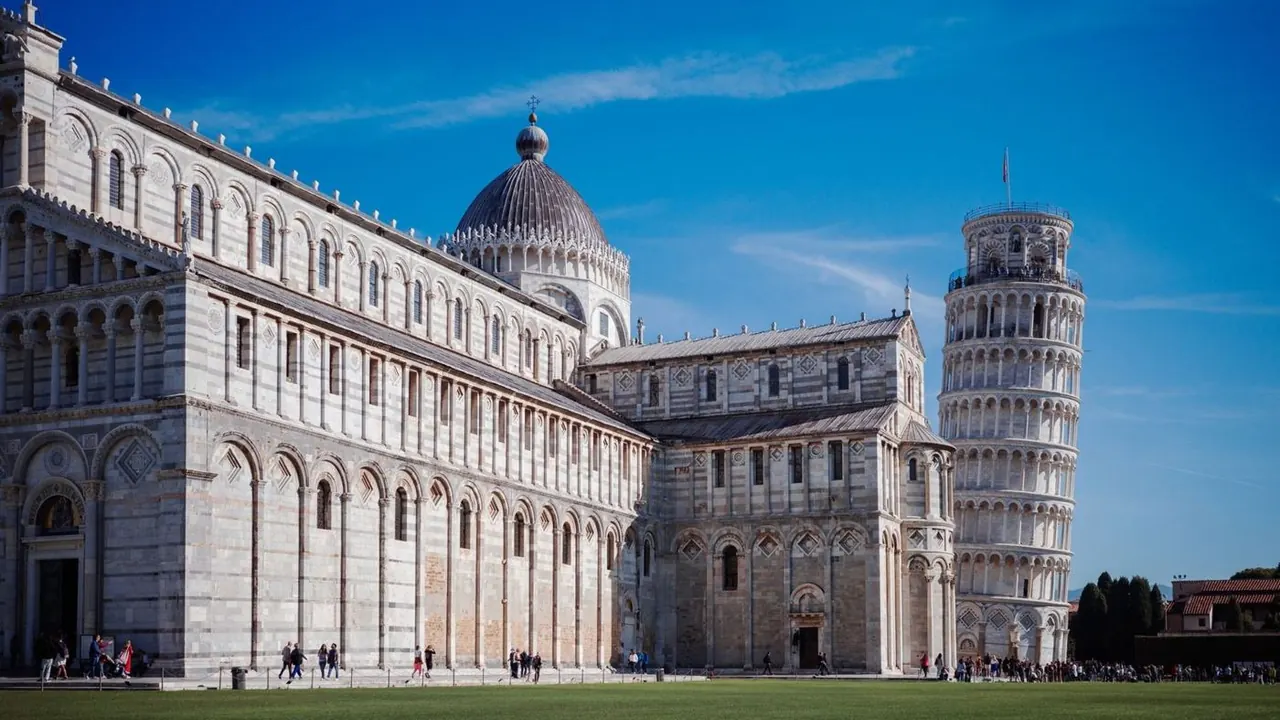
Photos: Munich by 0xd1ma, Pexels License; Pisa by Bruno Kraler, Pexels License.
Munich or Pisa?
Our verdict in twelve categories, each scored against the same fixed benchmark cities, and the climate month by month, so you can choose for your trip.
Choose Munich for
- live music and the arts
- shopping
- families
Munich suits a traveller who wants a large, well-run city with a lot going on: the royal collections of the Kunstareal, an opera house of world standing, beer gardens under the chestnuts, and the Alps and lakes about an hour away. It is the easier choice with children and for anyone who would rather never touch a car, though the hotel bill will be noticeably higher.
Choose Pisa for
- beaches
- prices
- day trips
Choose Pisa for a slower and cheaper stay in Tuscany that works as a base. The cathedral square and the old town fill a couple of unhurried days. After that the train does the work, taking you to Florence, Lucca and the Cinque Terre, and in hot weather the sandy beaches at Tirrenia are close by. Evenings mean a glass of wine in a student piazza, not a night at the opera.
Scoreboard
Twelve categories on one fixed scale from 0 to 100. The shaded stretch is the gap between the two.
Your match
Pick a travel style or drag the sliders, and both match scores follow your weighting.
Wins on live music and the arts and shopping with your weighting.
Wins on beaches and prices with your weighting.
What matters to you?
Category by category
What the scores mean for a trip.
Beaches & swimming
Munich swims in fresh water. People sunbathe on the gravel banks of the Isar, and the clear lakes at Starnberg and Ammersee are reached by S-Bahn, but the water is alpine-fed and the season is short.
Pisa has the real thing, sand and salt water. Tirrenia and Calambrone have long sandy beaches backed by pine woods, with warm, shallow water in midsummer, and Viareggio is up the line. Neither city is a beach destination, but only Pisa can give you a proper day by the sea.
Food & drink
Munich makes the stronger food trip, mostly because the beer garden is an experience in itself. You get roast pork, white sausage and pretzels at long tables, the Viktualienmarkt for grazing, and a top tier of starred restaurants that Pisa cannot match.
Pisa eats simply and well in the old streets around Piazza delle Vettovaglie, with hot cecina, ribollita and better seafood towards the coast. Both cities have a narrow range beyond their own regional cooking. Neither is a serious dining destination, but Munich has more to offer anyone who wants to splash out on one special meal.
Culture & sights
Pisa has the single greater spectacle, the marble ensemble of cathedral, baptistery, tower and Camposanto on one lawn. But Munich has far more depth. The Kunstareal alone holds old masters, modern art, ancient sculpture and the Blue Rider painters, and the Residenz, Nymphenburg and the Deutsches Museum come on top.
Beyond its famous square, Pisa adds Piazza dei Cavalieri, Santa Maria della Spina and the medieval painting in San Matteo, and two days cover it all. Munich can keep a museum-goer busy for a week.
Nightlife
Munich has more choice after dark. You can spend a long evening in a beer hall, find cocktail and gay bars around Gärtnerplatz, and dance at techno clubs that run until morning at weekends. In late September the Oktoberfest tents take over the city.
Pisa's night is small and depends on the students. Drinkers spill out of bars around the old market during term, and people move to the beach bars in summer, but there are few clubs and the tower district empties at dusk.
Nature & outdoors
Munich is better placed for the outdoors. Real alpine hiking around Garmisch and the Zugspitze, and skiing in winter, start about an hour away by train. In town, the English Garden and the Isar cycle paths give you green space without leaving the city.
Pisa's countryside is gentler and close at hand. The pine woods, wetlands and dunes of San Rossore begin at the city's edge, with deer and easy cycling, and the olive terraces of Monte Pisano rise just to the east. For proper mountains you have to travel further, to the Apuan Alps.
Day trips
Both cities are superb bases. From Munich you can reach Salzburg, Nuremberg, Regensburg and the castle at Neuschwanstein, and the longer trips take a couple of hours by train.
Pisa's edge is that the headline names are closer. Florence is about an hour away, Lucca under half an hour, and the Cinque Terre a little over an hour, so you can stack up the trips. Siena, San Gimignano and Volterra round it off, although the hill towns are easier by car.
Good for families
Munich is much better set up for children. There is the Hellabrunn zoo along the Isar, the hands-on sections of the Deutsches Museum, beer gardens with their own playgrounds, and Legoland within reach. Safe, clean transport that takes pushchairs makes every day easier.
In Pisa, children get the tower photo, a lawn to run on, the sandy shallows at Tirrenia and bike rides in San Rossore, but little else is aimed at them. Younger children cannot climb the tower, and the midsummer heat needs planning around.
Getting around
Munich gives you more ways to move. Its historic core is easy on foot, and trams, buses, U-Bahn and S-Bahn work together as one integrated network, so a morning in the Maxvorstadt museums, an afternoon at Nymphenburg and an evening swim at a lake all fit into one day without a car. The city is flat and good for cycling along the Isar. The one weak point is the central S-Bahn line, where delays are common.
Pisa is a city you mostly walk, and the whole route from the station over the Arno to the cathedral square takes about half an hour. Its strengths are at the edges: the airport is a short shuttle-train ride from the station, and the station is a rail hub for western Tuscany. In town, though, the buses are slow compared with Munich's trains, so a bike on the flat streets is often quicker, and a car is only worth having for the inland hill towns.
Shopping & style
Munich is a real shopping city. The luxury houses line Maximilianstrasse, the department stores fill the pedestrian axis, Dallmayr sells fine food, and there is the distinctive buy of tailored Tracht. Independent boutiques in Glockenbach and the December Christmas markets add to it.
Pisa covers everyday needs on Corso Italia and under the arcades of Borgo Stretto, and has a monthly antiques market by the river. Anyone after serious fashion or crafts takes the train to Florence.
Affordability
Munich is the dearer stay by some distance. Its hotels are expensive all year, and much more so during the Oktoberfest and the trade fairs. You can claw some back with beer-garden picnics, free parks and lakes, and token Sunday museum entry.
Pisa costs noticeably less day to day, with mid-range rooms, student trattorias and a centre you can walk. The splurges are the tower climb and the umbrella rental on the summer beaches.
Live music & performing arts
This is where the two differ most. Munich has one of the world's leading opera companies at the National Theatre, three orchestras of real standing, the jewel-box Cuvilliés Theatre, and a jazz scene beside it. A music lover could plan a whole trip around the calendar.
Pisa's stage is essentially the Teatro Verdi, a handsome 19th-century house with an autumn-to-spring season. It makes a pleasant, unfussy night of Italian opera, but bigger productions mean going to Florence.
Wellness & relaxation
Munich bathes as a habit. The Art Nouveau Müller'sches Volksbad and its steam bath sit right on the Isar, the public saunas follow textile-free German custom, and the vast thermal complex at Erding is about forty minutes away.
Pisa's springs are older but further out. San Giuliano Terme has been in use since Roman times, and Casciana Terme has a larger public pool. In town, its calm comes from its small size and slow evenings by the river, not from any bathing culture.
When should you go?
Pick your month. The climate figures are measured averages, not a forecast.
Munich in July
Pisa in July
Daytime high, °C
Rainfall in the month, mm
Temperature and rainfall are climate normals, averaged over the years shown. Munich: 1991-2020 normals, München (1.9 km from centre). Pisa: 1991-2020 normals, Pisa / S. Giusto (3.9 km from centre).
Munich is at its best from late spring to early autumn. June to August reaches about 25°C, which is warm enough for the lakes and the Isar banks. Summer is also the wettest part of its year, at around 120mm a month, so plan for some rainy afternoons. From November to February the days are cold, grey and short on sunshine, and the mountains matter more than the streets.
Pisa runs hotter and drier in summer. July and August reach about 30°C on a humid plain, with very little rain and the sea at about 24°C, which suits the beach better than a long day on foot. April, May and late September are the comfortable months for sightseeing. In October and November the rain arrives in earnest, at around 130mm a month, but winters stay mild compared with Munich's.
Which traveller are you?
For a beach and sun trip, Pisa is the clear choice. The wide sandy beaches of Tirrenia and Calambrone are a short ride away, the summers are long and dry, and the sea is warm, while Munich has only cool alpine lakes.
On a culture and arts trip, Munich gives you far more. The Alte Pinakothek, the Residenz and the Deutsches Museum would fill a week, and the Bavarian State Opera and three serious orchestras make the evenings as good as the days.
On a tight budget, Pisa stretches the money further. Central rooms are mid-range, student trattorias feed you well and cheaply, and you can walk everywhere. Munich is Germany's most expensive city, and its hotels show it.
Before you go
| Measure | Munich | Pisa |
|---|---|---|
| Official language | German | Italian |
| Currency | Euro (EUR) | Euro (EUR) |
| Sockets | CF230 V, 50 Hz | CFL230 V, 50 Hz |
| Driving side | Right | Right |
| Time zone | UTC+1, UTC+2 in summer | UTC+1, UTC+2 in summer |
| Emergency number | 112 | 112 |
| Elevation | 519 m | 4 m |
| Main airport | Munich Airport (MUC)29 km from centre210 non-stop destinations | Pisa International Airport (PSA)4 km from centre82 non-stop destinations |
| Public holidays this year | 12 days | 13 days |
By the numbers
| Measure | Munich | Pisa |
|---|---|---|
| City population | 1,505,036 | 88,737 |
| People per km² | 4,844 | 479 |
| Museums within 10 km | 74 | 27 |
| UNESCO World Heritage sites within 50 km | 1 | 3 |
| Swim season, months above 21 °C | - | 4 months |
Where else could you go?
Every comparison below shares a destination with this one, so you can follow Munich or Pisa somewhere new.