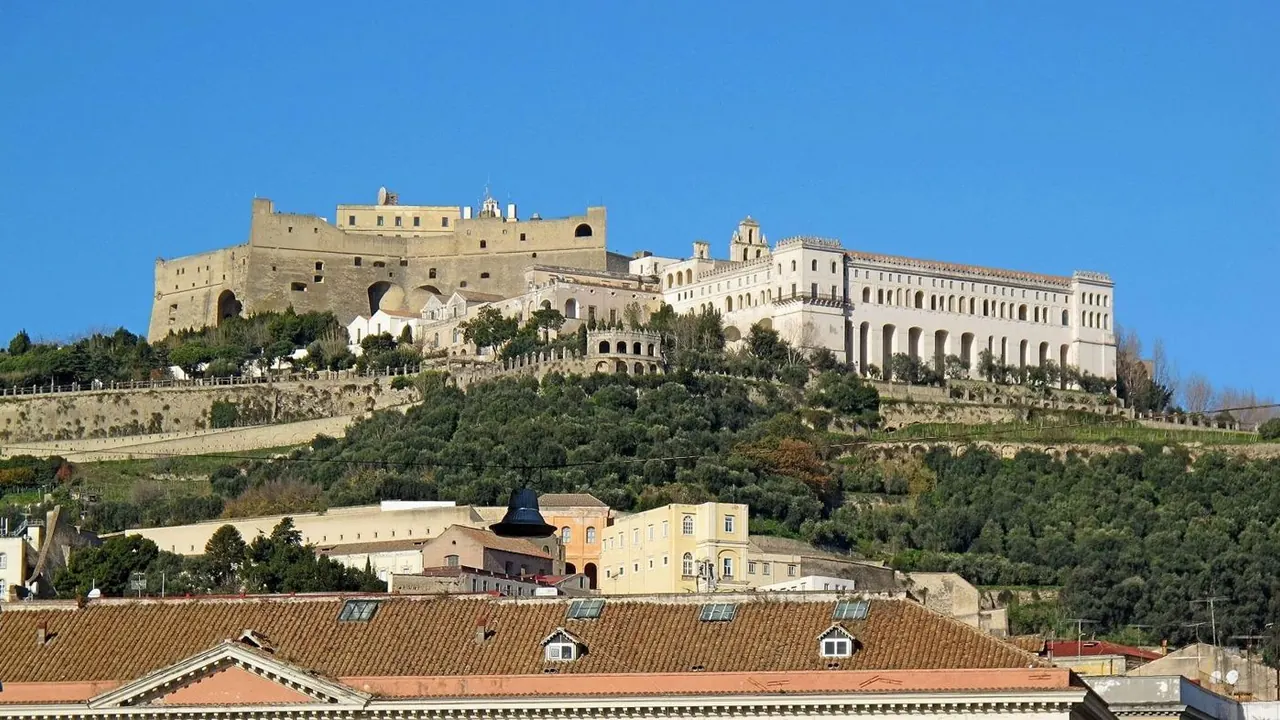
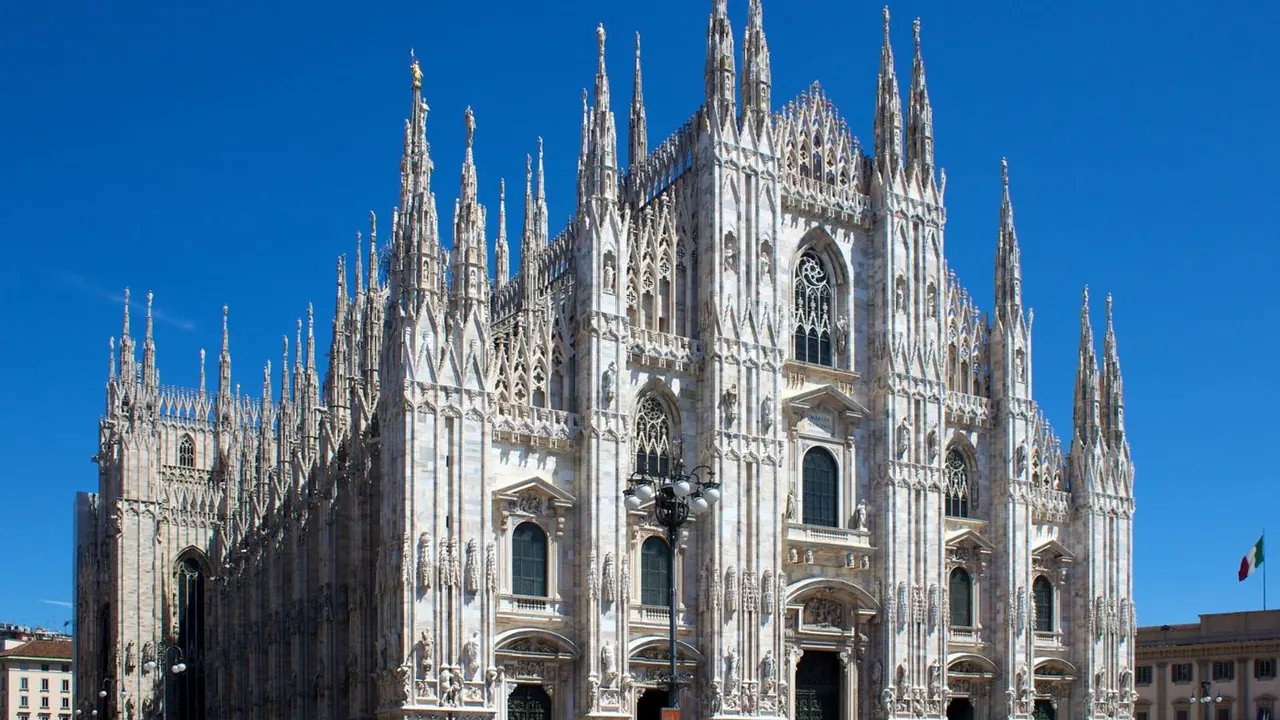
Photos: Naples by pietro scerrato, CC BY 3.0, cropped; Milan by Jiuguang Wang, CC BY-SA 3.0, cropped.
Naples or Milan?
Our verdict in twelve categories, each scored against the same fixed benchmark cities, and the climate month by month, so you can choose for your trip.
Choose Naples for
- beaches
- prices
- nature and the outdoors
Naples is for travellers who want depth over comfort. Its Greek street grid, churches, underground city and the Pompeii finds in the Archaeological Museum give it richer sightseeing, and Vesuvius, the islands and the Amalfi Coast are all within reach. Your money goes further, the pizza is where it all began, and the sea is close. In return you accept chaotic traffic, unreliable buses and streets that are hard going with small children.
Choose Milan for
- shopping
- getting around
- live music and the arts
Milan suits travellers who want polish and ease. Fashion and design shopping here is a reason to make the trip, La Scala anchors a strong evening calendar, and the metro and trams make a few days run smoothly. It also works well as a base, with fast trains to Verona, Turin, Bergamo and the lakes. The trade-off is cost, and a city whose heritage comes in clusters rather than a continuous old town.
Scoreboard
Twelve categories on one fixed scale from 0 to 100. The shaded stretch is the gap between the two.
Your match
Pick a travel style or drag the sliders, and both match scores follow your weighting.
Too close to call, level with your weighting
Wins on beaches and prices with your weighting.
Wins on shopping and getting around with your weighting.
What matters to you?
Category by category
What the scores mean for a trip.
Beaches & swimming
Milan has no sea at all. A summer swim means the Idroscalo basin near Linate, an open-air pool, or the train to the pebbly lidos of Lake Como and Lake Maggiore about an hour away.
Naples comes out ahead because the sea is part of the city, even if its own waterfront is not ideal. Locals swim off the rocks below the Lungomare and at small Posillipo lidos, while the clear coves of Procida, Ischia, Capri and the Sorrento peninsula make easy day trips by boat.
Food & drink
These two are close, but they eat in very different ways. Milan's table is buttery and northern, with saffron risotto, ossobuco and cotoletta. Because cooks come from all over Italy, the city also has real range and a serious fine-dining tier, and the aperitivo spread along the Navigli or in Isola often works as an early supper.
Naples has the slight edge on conviction rather than choice. Pizza was born here, and the street food runs from fried pizza to sfogliatelle, with markets like the Pignasecca full of buffalo mozzarella and lemons. Beyond Neapolitan and Campanian cooking, though, there is little else on offer.
Culture & sights
Naples is the richer city for sightseeing, and it tells its story in its streets. The Greek grid around Spaccanapoli is packed with churches, the Archaeological Museum holds the Pompeii and Herculaneum frescoes, the Veiled Christ sits in the Cappella Sansevero, and a whole network of tunnels and catacombs runs beneath the city.
Milan's sights are fewer but of high rank: the Duomo's rooftop, the Last Supper, the Brera paintings and the Rondanini Pietà in the Castello. They sit in pockets within a largely modern city, so two or three days cover them, whereas Naples could fill a week.
Nightlife
Milan offers a more complete night out. Aperitivo turns into bar-hopping along the Navigli canals, Porta Venezia has a gay scene, and the clubs range from dressy Corso Como venues with strict doors to warehouse nights on the edges of the city.
In Naples the night is lived in the street. Students crowd the steps of Piazza Bellini, and the Chiaia alleys fill up late, which is sociable and fun. But there are few clubs, and in summer the dancing moves out to the coast.
Nature & outdoors
Naples has the more striking landscape right on its doorstep. You can walk up to the crater rim of Vesuvius, explore the oak-filled crater of Astroni and Lake Avernus in the Phlegraean Fields, and snorkel at Gaiola. The Path of the Gods above the Amalfi Coast is a long day out.
Milan sits on the flat, hazy Po plain, so getting into the outdoors means taking a train. Once there, the wooded shores of Como and Maggiore, the Grigne ridges for via ferrata and the winter ski valleys are rewarding.
Day trips
Both are superb bases, and the difference is the kind of day out. From Milan, high-speed trains reach whole art cities in about an hour: Verona's arena, Turin's palaces, Bergamo's upper town. Add Lake Como's villages, the Certosa di Pavia and Lugano across the Swiss border.
From Naples, the trips are into antiquity and onto the water: Pompeii, Herculaneum and Oplontis on the Circumvesuviana, the Caserta palace, the temples at Paestum, and ferries to Capri and Procida. The journeys are slower and more crowded than Milan's smooth intercity lines.
Good for families
Milan is the easier city with children. The centre is flat and good for pushchairs, the science and technology museum with its submarine fills a rainy day, Parco Sempione has playgrounds, and Leolandia and Gardaland are within reach for older children.
Naples welcomes children warmly in every pizzeria, but the city itself wears families out. Scooters, broken pavements and steps make the lanes hard going. The ruins, funiculars and ferries please older children, but many families prefer to stay in Sorrento and visit the city for the day.
Getting around
Milan is far simpler to get around. Five clearly marked metro lines take contactless cards, and the old orange trams fill the gaps. The main sights between the Duomo and Brera are within easy walking distance of each other.
Naples is best seen on foot, with Line 1's art-filled stations and the Vomero funiculars as genuine pleasures. Beyond those, buses crawl through traffic, the Circumvesuviana is packed and often late, and simply crossing the road takes nerve.
Shopping & style
Milan is one of the world's fashion capitals, and the gap here is wide. The Quadrilatero della Moda holds the flagships of houses founded in the city, the Galleria adds historic shops, and design showrooms, Brera boutiques and Navigli antique markets give it depth well beyond clothes.
Naples has character instead of breadth. Chiaia tailors make suits and silk ties by hand, Via San Gregorio Armeno carves nativity figures all year, and Torre del Greco supplies coral and cameos. These make memorable purchases, but they won't fill several days of shopping.
Affordability
Naples is much cheaper day to day. Pizza, street snacks, coffee standing at the bar and simple trattoria meals cost noticeably less than in the north, and the centre has plenty of modest B&Bs. Costs climb only when you head out to Capri, the Amalfi Coast or summer beach clubs.
Milan is Italy's most expensive city. Hotels are dear, and they are hard to find at sensible rates during trade fairs and fashion weeks. Office-worker lunch menus, aperitivo snacks and a room near a metro stop outside the centre help soften the bill.
Live music & performing arts
Both cities have a great opera house, but Milan's evening calendar runs deeper. Alongside La Scala's season, which opens on Sant'Ambrogio in December, there is the Piccolo Teatro, a symphony orchestra at the Auditorium, musicals at the Arcimboldi, jazz rooms and big summer concerts at San Siro.
Naples has the San Carlo, Europe's oldest working opera house and arguably the more beautiful hall, along with chamber music in churches and Neapolitan song in trattorias. Beyond these there is little choice, and most of the theatre is in Italian or dialect.
Wellness & relaxation
Neither city is restful in itself, and in both the real rest lies an hour away. Milan has an urban thermal spa with outdoor pools and the 1930s Bagni Misteriosi for a summer afternoon, while its calm is found in the quiet villas and lakeside walks of Como and Maggiore.
Naples has genuine volcanic water. The Agnano springs on its edge have been used since Roman times, and Ischia, a hydrofoil ride across the bay, is a true spa island with terraced thermal parks above the sea.
When should you go?
Pick your month. The climate figures are measured averages, not a forecast.
Naples in July
Milan in July
Daytime high, °C
Rainfall in the month, mm
Where the figures come from
Naples's sunshine is measured 28 km from the centre, at Grazzanise.
Milan's sunshine is measured 41 km from the centre, at Novara / Cameri.
Temperature and rainfall are climate normals, averaged over the years shown. Naples: 2005-2020 (sunshine 1991-2020, rainfall 1971-2000) normals, Napoli / Capodichino (4.6 km from centre). Milan: 1991-2020 (rainfall 1971-2000) normals, Milano / Linate (8 km from centre).
Milan has the sharper seasons. Its winters are cold, with daytime highs of around 7°C in December and January, while Naples stays mild enough to walk the streets in comfort. Milan is at its best from late spring into midsummer. June and July are warm and drier than May, and July and August are its sunniest months, though humid days can make sightseeing sticky. Autumn is the season to avoid there, as October is its wettest month. Naples is most pleasant on foot from April to early June, when it is warm and fairly dry before the heat builds.
In high summer Naples reaches about 31°C and barely rains, and the bay warms to 26°C by August, so July to September is beach season, although walking at midday is hard work. Its heavy rain comes later than Milan's, in late autumn and winter, peaking at about 163mm in November. That makes November damp in both cities, but Milan's wet season begins two months earlier.
Which traveller are you?
On a beach and sun trip, Naples is the clear pick. You can swim off the rocks at Posillipo, and Procida, Ischia and Capri are a boat ride away. Milan is landlocked, so a swim means a train to a lake.
On a shopping trip, Milan is the place to go. Many of the great Italian fashion houses were founded here, and you can easily spend several days moving from luxury flagships to the everyday shops of Corso Buenos Aires. Naples is better for one focused afternoon with a tailor.
On a tight budget, Naples makes your money last much longer. Eating like a local costs very little, the metro and funiculars are cheap, and a room in the city makes an inexpensive base for Pompeii and the islands. In Milan, the hotel bill alone can stretch a modest budget.
Before you go
| Measure | Naples | Milan |
|---|---|---|
| Official language | Italian | Italian |
| Currency | Euro (EUR) | Euro (EUR) |
| Sockets | CFL230 V, 50 Hz | CFL230 V, 50 Hz |
| Driving side | Right | Right |
| Time zone | UTC+1, UTC+2 in summer | UTC+1, UTC+2 in summer |
| Emergency number | 112 | 112 |
| Elevation | 17 m | 138 m |
| Main airport | Naples International Airport (NAP)7 km from centre131 non-stop destinations | Milan Malpensa International Airport (MXP)40 km from centre208 non-stop destinations |
| Public holidays this year | 13 days | 13 days |
By the numbers
| Measure | Naples | Milan |
|---|---|---|
| City population | 913,462 | 1,354,196 |
| People per km² | 7,676 | 7,453 |
| Museums within 10 km | 65 | 88 |
| UNESCO World Heritage sites within 50 km | 5 | 4 |
| Swim season, months above 21 °C | 5 months | - |
Where else could you go?
Every comparison below shares a destination with this one, so you can follow Naples or Milan somewhere new.