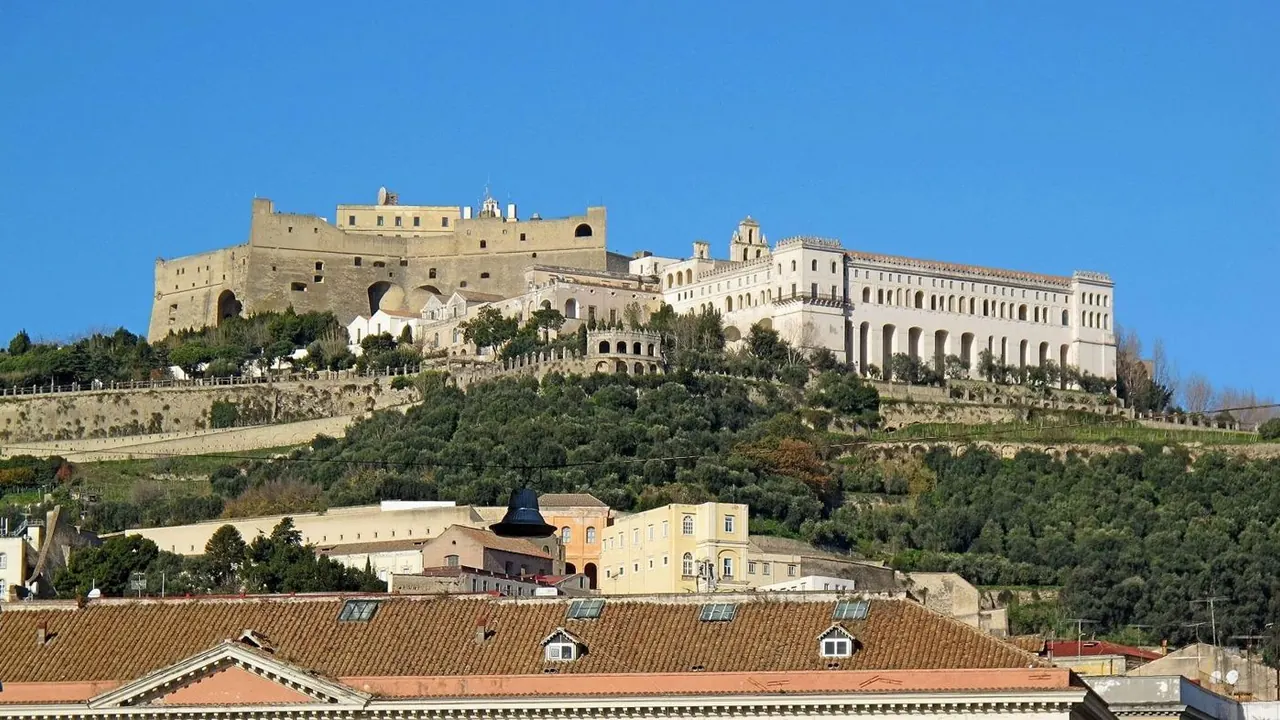
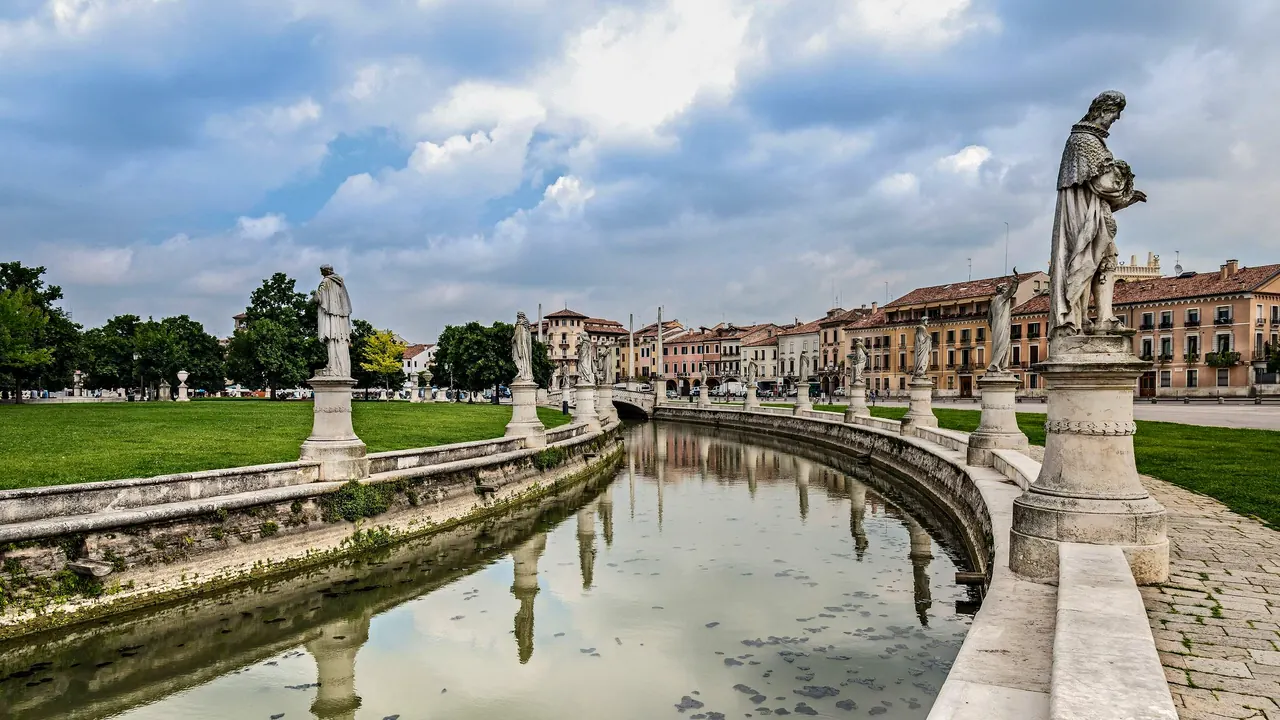
Photos: Naples by pietro scerrato, CC BY 3.0, cropped; Padua by Didier Descouens, CC BY-SA 4.0, cropped.
Naples or Padua?
Our verdict in twelve categories, each scored against the same fixed benchmark cities, and the climate month by month, so you can choose for your trip.
Choose Naples for
- live music and the arts
- nature and the outdoors
- food and drink
Naples is the stronger choice for travellers who want intensity and depth: the Archaeological Museum and the ruins of Pompeii, pizza in the loud rooms of the historic centre, a night at the San Carlo, and Vesuvius and the islands across the bay. It asks for patience with traffic, noise and slow buses, and it gives a great deal back for it.
Choose Padua for
- wellness
- getting around
Padua suits someone who wants calm, order and an easy base. The centre is flat and quick to walk, fast trains reach Venice, Verona and Bologna, and the thermal pools at Abano are close enough for a soak after Giotto's frescoes. It is the gentler and simpler stay, though its food and its evenings are quieter.
Scoreboard
Twelve categories on one fixed scale from 0 to 100. The shaded stretch is the gap between the two.
Your match
Pick a travel style or drag the sliders, and both match scores follow your weighting.
Wins on live music and the arts and nature and the outdoors with your weighting.
Wins on wellness and getting around with your weighting.
What matters to you?
Category by category
What the scores mean for a trip.
Beaches & swimming
Neither is a beach destination, but Naples at least lives on the water. You can swim off the rocks below the Lungomare or at the small lidos in Posillipo, and a ferry takes you to the clear, rocky coves of Procida, Ischia or Capri.
From Padua the sea is an hour's trip to Sottomarina or the Venice Lido, which are flat Adriatic strips of umbrellas. The shallow, calm water suits small children who want to paddle, but it is an outing, not part of the stay.
Food & drink
Naples is the one to travel for food. Pizza comes from here, and the street food, from fried pizza to sfogliatelle, along with the markets at Pignasecca and Porta Nolana, can give a whole trip its rhythm.
Padua's cooking is quieter Venetian home food: bigoli with duck sauce, baccalà, risotto with peas. Its best hour is the early-evening spritz in Piazza delle Erbe. Both cities offer little international food or fine dining, so neither suits someone who puts variety ahead of tradition.
Culture & sights
Naples has more to see, and more kinds of it. The Greek street grid along Spaccanapoli is packed with churches, the Archaeological Museum holds the finds from Pompeii, the Veiled Christ lies in the Cappella Sansevero, a whole city of tunnels runs underground and Capodimonte's paintings hang on its hill. A week barely covers it.
Padua's treasures sit close together: Giotto's Scrovegni Chapel and the fresco cycles around it, the Basilica of Saint Anthony with Donatello's bronzes and the anatomical theatre at the Bo. They are world-class, and the timed Scrovegni visits need booking ahead, but two or three days see the centre well.
Nightlife
Nights in Naples run louder and later. Students drink on the steps of Piazza Bellini beside the old Greek walls, and a smarter crowd fills the alleys of Chiaia well past midnight, through the summer as well. It is street life rather than clubbing, and the dancing moves out to the coast in summer.
Padua's evening is the aperitivo, with spritz glasses in the squares beneath the Palazzo della Ragione and small bars around the old ghetto. It is easy and sociable, but it follows the university term, and the city goes quiet in high summer.
Nature & outdoors
Naples has volcanic scenery right on its doorstep: the crater rim of Vesuvius, the craters and lakes of the Phlegraean Fields and snorkelling at Gaiola. The Path of the Gods above the Amalfi Coast makes a long day out.
Padua's outdoors is gentler and further away. There are trails and vineyards in the Euganean Hills, flat bike rides along the Brenta, and the pre-Alps for proper mountain walking about an hour and a half away by car. Cyclists may prefer it, but walkers who want dramatic views will prefer Naples.
Day trips
Both are outstanding bases, and the difference lies in what surrounds them. From Naples the trips are ancient and by the sea: Pompeii and Herculaneum on the local train, the palace at Caserta, ferries to Capri and Ischia, the Amalfi Coast and the temples at Paestum.
From Padua the trips are to cities and Renaissance sights: Venice is under half an hour away by train, then Palladio's Vicenza, Verona, Bologna and Ferrara, plus the Brenta villas and walled towns such as Montagnana. Padua's trips run on quick, smooth trains, while those from Naples often mean a crowded Circumvesuviana or a boat.
Good for families
Naples gives older children more to remember, while Padua is far easier with small ones. In Naples the tunnels under the city, the funiculars, the ferries and the ruins of Pompeii make lasting impressions, but scooters in the lanes and steps that defeat pushchairs make the days tiring.
Padua is flat, safe and largely pedestrianised, with Prato della Valle for running about and the botanical garden's glasshouses. There is little else made for children, so families fill the days with trips to Gardaland or Lake Garda.
Getting around
Naples has a walkable centre, Metro Line 1 with its art-gallery stations and four funiculars up the hills. Beyond those, buses crawl through traffic, the Circumvesuviana is crowded and unreliable, and crossing the road takes nerve.
Padua is much easier. Almost every sight is within a 20-minute walk along flat, arcaded streets, a tram runs from the station, and bikes are a normal way to get about. Fast trains in every direction make a car unnecessary for most trips.
Shopping & style
Naples gives shoppers more to take home: made-to-measure tailoring in Chiaia, nativity figures from the workshops on Via San Gregorio Armeno, coral and cameos from Torre del Greco, and the Galleria Umberto I as a grand setting.
Padua's arcades hold Italian fashion, shoe shops and university bookshops, but its real strength is food. Cheeses and Euganean wine come from the delicatessens under the Palazzo della Ragione, and an antiques market fills Prato della Valle once a month.
Affordability
Naples makes a budget go further. Pizza, street food and transport are cheap, and the historic centre has plenty of modest B&Bs. The costs rise once you head for the islands and the Amalfi Coast.
Padua costs the usual amount for a northern Italian city, though its hotels are reasonably priced as a base for Venice, which is why many visitors sleep there. Rooms get dearer during the trade fairs and the graduation season.
Live music & performing arts
Naples has the Teatro di San Carlo, the oldest opera house in Europe still in use, with a full season of opera, ballet and concerts. On top of that there is Neapolitan song at small shows and from musicians in the trattorias.
Padua's programme is modest: theatre and some opera at Teatro Verdi, a chamber orchestra, and concerts in the Sala dei Giganti and the Basilica. For grand opera, visitors take the train to the Fenice in Venice or the Arena in Verona.
Wellness & relaxation
Naples is loud and intense. Its thermal water within the city is limited to the spa at Agnano, and the real draw is the thermal parks of Ischia, an hour away by hydrofoil, which suit a stay on the island better than a base in town.
Padua is the better choice for unwinding. Abano Terme and Montegrotto Terme, about 12km away, form one of Europe's largest thermal districts and are easy to reach for an afternoon soak. The city itself moves at an unhurried provincial pace that fits a restful stay.
When should you go?
Pick your month. The climate figures are measured averages, not a forecast.
Naples in July
Padua in July
Daytime high, °C
Rainfall in the month, mm
Where the figures come from
Naples's sunshine is measured 28 km from the centre, at Grazzanise.
Padua's temperatures are measured 35 km from the centre, at Treviso / Istrana.
Padua has no rain gauge within 25 km of the centre, so its rainfall comes from a gridded climate dataset read at the city rather than from a gauge further away.
Padua's sunshine is measured 36 km from the centre, at Treviso / S. Angelo.
Temperature and rainfall are climate normals, averaged over the years shown. Naples: 2005-2020 (sunshine 1991-2020, rainfall 1971-2000) normals, Napoli / Capodichino (4.6 km from centre). Padua: 1991-2020 normals, Treviso / Istrana (35.4 km from centre).
Naples has the milder winter and the drier summer. From June to August there is very little rain and highs reach 31°C, which is too hot for walking the streets at midday but right for swimming. The sea is about 26°C in August and stays warm into September. Autumn turns wet, and October and November are the rainiest months at about 163mm, so late spring and early autumn are the best times for sightseeing.
Padua is colder in winter, about 8°C in January against 13°C in Naples, and its rain falls more evenly through the year instead of arriving mostly in autumn. Its summer is just as hot but more humid and less sunny, so May, June and September are the comfortable months there.
Which traveller are you?
For a culture and arts trip, Naples is the richer choice. The Archaeological Museum, the churches along Spaccanapoli, the underground city and an opera at the San Carlo can fill a week, while Padua's Giotto frescoes and basilica, superb as they are, take a couple of days.
On a relaxing and wellness trip, Padua wins clearly. The thermal pools of Abano and Montegrotto are a short bus or taxi ride away, and the calm, arcaded centre suits slow days. Naples is noisy, and its best spas are across the water on Ischia.
For a short city break, Padua is the easier pick. Its flat centre puts the main sights within a short walk of one another and needs no buses at all, while the traffic and sheer size of Naples reward a longer stay.
Before you go
| Measure | Naples | Padua |
|---|---|---|
| Official language | Italian | Italian |
| Currency | Euro (EUR) | Euro (EUR) |
| Sockets | CFL230 V, 50 Hz | CFL230 V, 50 Hz |
| Driving side | Right | Right |
| Time zone | UTC+1, UTC+2 in summer | UTC+1, UTC+2 in summer |
| Emergency number | 112 | 112 |
| Elevation | 17 m | 12 m |
| Main airport | Naples International Airport (NAP)7 km from centre131 non-stop destinations | Venice Marco Polo Airport (VCE)39 km from centre103 non-stop destinations |
| Public holidays this year | 13 days | 13 days |
By the numbers
| Measure | Naples | Padua |
|---|---|---|
| City population | 913,462 | 206,496 |
| People per km² | 7,676 | 2,220 |
| Museums within 10 km | 65 | 29 |
| UNESCO World Heritage sites within 50 km | 5 | 5 |
| Swim season, months above 21 °C | 5 months | 4 months |
Where else could you go?
Every comparison below shares a destination with this one, so you can follow Naples or Padua somewhere new.