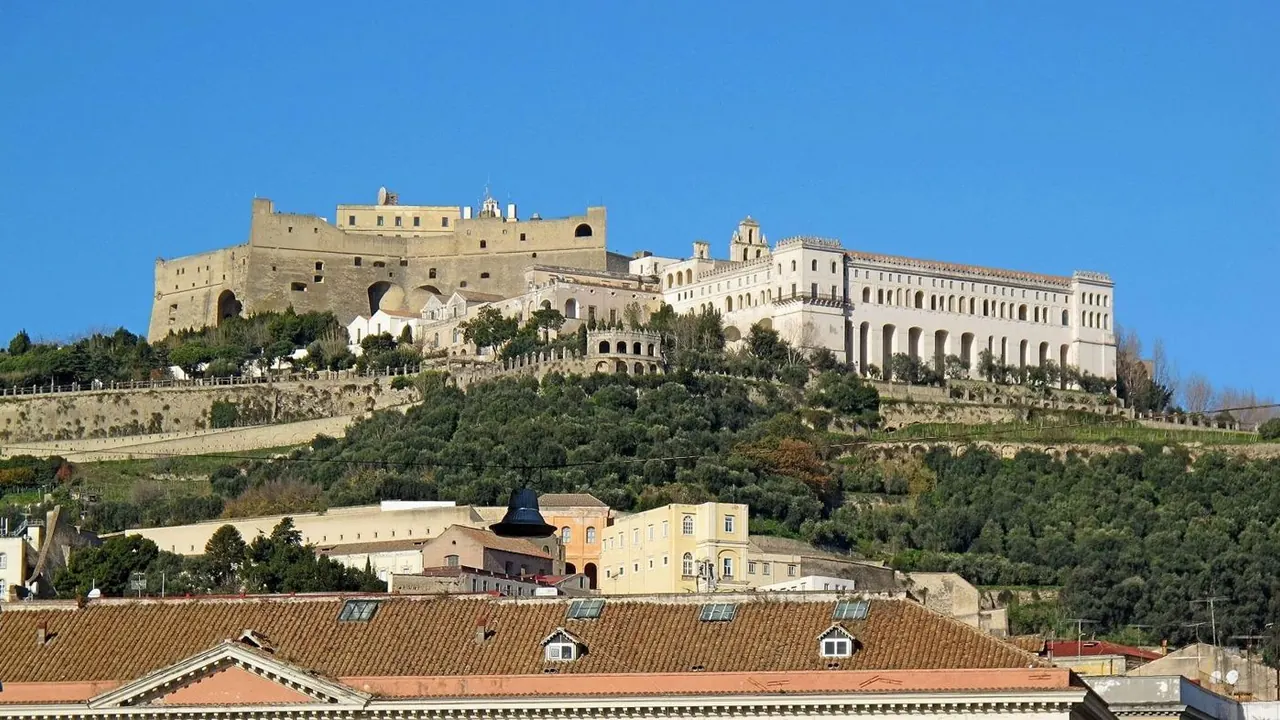
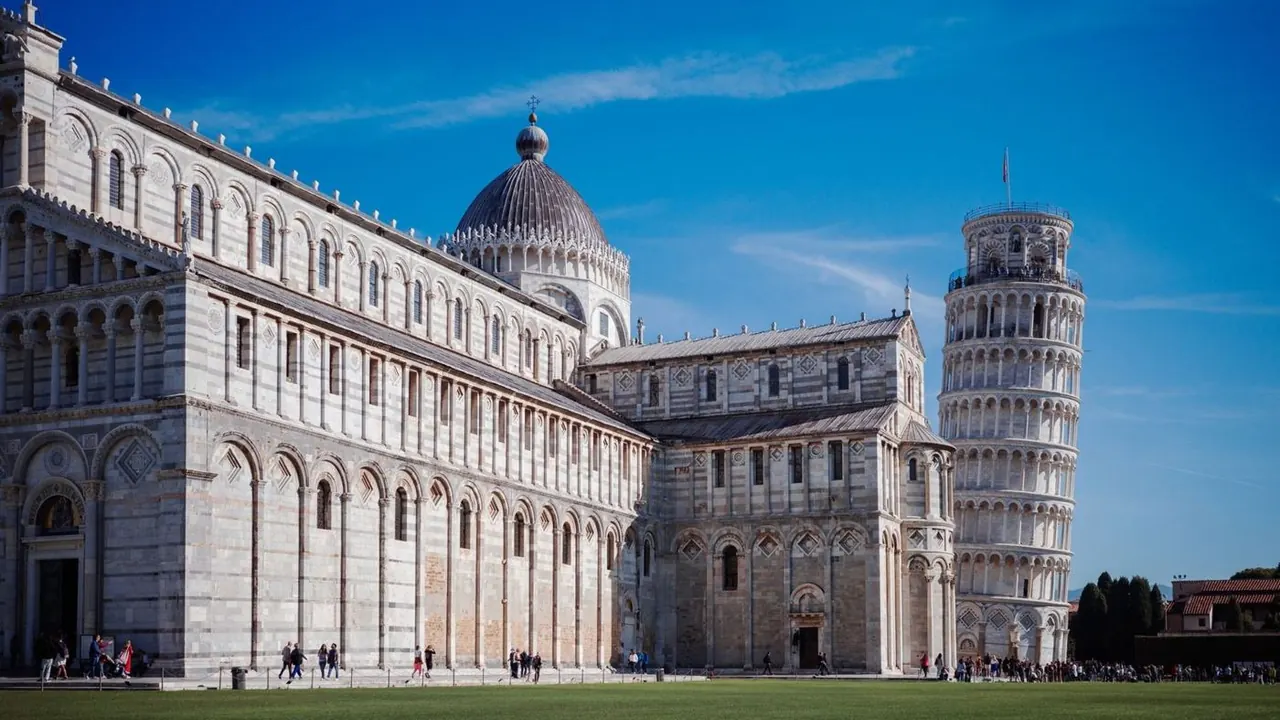
Photos: Naples by pietro scerrato, CC BY 3.0, cropped; Pisa by Bruno Kraler, Pexels License.
Naples or Pisa?
Our verdict in twelve categories, each scored against the same fixed benchmark cities, and the climate month by month, so you can choose for your trip.
Choose Naples for
- food and drink
- live music and the arts
- shopping
Naples is for the traveller who wants a city with real appetite and depth. Pizza and street food are part of the history of the place, the Archaeological Museum and the tunnels under the streets hold layer upon layer of the ancient world, the San Carlo stages opera in one of the finest auditoriums anywhere, and evenings run late in Piazza Bellini and the alleys of Chiaia. In return it asks you to put up with noise, scooters and unreliable buses, and it is worth a week rather than a weekend.
Choose Pisa for
- getting around
- beaches
- families
Pisa suits a shorter, easier trip. The centre is flat and small enough to walk, the airport is almost next door, and the station puts Florence, Lucca and the Cinque Terre within an easy train ride. Families and anyone who wants a calm base with long sandy beaches nearby will find it less work than Naples. The price of that ease is less to eat, see and do once the cathedral square has been visited.
Scoreboard
Twelve categories on one fixed scale from 0 to 100. The shaded stretch is the gap between the two.
Your match
Pick a travel style or drag the sliders, and both match scores follow your weighting.
Wins on food and drink and live music and the arts with your weighting.
Wins on getting around and beaches with your weighting.
What matters to you?
Category by category
What the scores mean for a trip.
Beaches & swimming
Pisa has the better beach on its doorstep. About 12km west, Tirrenia and Calambrone have long, wide sand backed by pine woods, with shallow water that suits paddling, though the sea near the Arno mouth is rarely very clear.
Naples offers something different: swimming off the rocks below the Lungomare and at small lidos in Posillipo, with water near the port that is not always clean. Its best sea is a boat ride away, in the clear rocky coves of Capri, Ischia, Procida and the Sorrento peninsula. You get sand and convenience in Pisa, and clearer water in Naples if you are willing to travel for it.
Food & drink
Food is one of the main reasons to choose Naples. Pizza was born here, and the blistered Neapolitan kind, fried seafood in paper cones, sfogliatelle and standing espresso make every street in the centre worth eating your way along. The Pignasecca and Porta Nolana markets show off mozzarella, San Marzano tomatoes and fish that end up in the ragù and seafood pasta of its trattorias.
Pisa eats well but simply: ribollita, game, salt cod and hot cecina from wood ovens, best around Piazza delle Vettovaglie and best avoided near the tower. Neither city has much international food, but Naples has the stronger, more distinctive kitchen.
Culture & sights
Naples has far more to see. Its Greek street grid along Spaccanapoli is crammed with Gothic and Baroque churches, the Archaeological Museum holds the treasures of Pompeii and Herculaneum, and beneath it all lie tunnels, cisterns and catacombs. The Capodimonte gallery, the Royal Palace and the Certosa di San Martino add more on top.
Pisa's strength is a single, perfect ensemble: the cathedral, baptistery, tower and Camposanto on their lawn. Beyond it, Piazza dei Cavalieri, Santa Maria della Spina and the San Matteo museum reward a second day, but the city is a two-day visit where Naples can fill a week.
Nightlife
Evenings in both cities happen in the open air rather than in clubs, but Naples keeps going much longer. Students crowd Piazza Bellini beside the old Greek walls, and a smarter crowd fills the bars and alleys of Chiaia well past midnight, at weekends and all summer.
Pisa's version is smaller and more seasonal: drinks in the squares around the old market during term, aperitivo on Borgo Stretto and the riverbanks, and a quiet city once the students leave. For a sociable late night Naples is the livelier choice, though anyone after real club culture will be disappointed in both.
Nature & outdoors
The landscape around Naples is more dramatic. You can walk up to the crater rim of Vesuvius, explore the old craters of the Phlegraean Fields such as the wooded Astroni reserve and Lake Avernus, and snorkel or kayak in the Gaiola underwater park. The Path of the Gods above the Amalfi Coast is within a long day's reach.
Pisa's outdoors is gentler and closer to hand. The San Rossore park, with its pine forest, wetland and dunes, starts at the edge of the city and is made for cycling and riding, and the olive terraces of Monte Pisano rise just beyond it. Serious mountain walking means travelling on to the Apuan Alps.
Day trips
Both are outstanding bases, and what differs is the kind of trip. From Naples the excursions are into the ancient world and out to sea: Pompeii, Herculaneum and Oplontis on the Circumvesuviana, the palace at Caserta, ferries to Capri, Ischia and Procida, and the Amalfi Coast beyond Sorrento.
From Pisa they lead into Renaissance and medieval Tuscany, mostly by fast, simple train: Florence in about an hour, walled Lucca in under half that, and the Cinque Terre a little further north. With a car, Volterra, San Gimignano and Siena are also within reach.
Good for families
Pisa is the easier choice with children. Its centre is flat and small, the tower lawn gives children room to run, and the shallow sandy beaches of Tirrenia and Calambrone and the bike paths of San Rossore make easy family days. Younger children cannot climb the tower, though.
Naples welcomes children warmly in every pizzeria, but its scooters, broken pavements and steps make pushchairs a struggle. Older children love its tunnels, funiculars, ferries and Pompeii, and many families settle on staying in Sorrento or on an island and visiting the city for the day.
Getting around
Pisa is much simpler to get around. You can walk from the station along Corso Italia and Borgo Stretto to the cathedral square in about half an hour, the airport shuttle train links straight to the station, and the station's role as a rail hub makes day trips easy.
Naples' historic centre is also walkable, and Metro Line 1, with its art-filled stations, and the four funiculars up to Vomero work well. Beyond them, slow buses, crowded Circumvesuviana trains and fierce traffic make each journey more effort than in Pisa.
Shopping & style
Naples has things you cannot easily buy elsewhere: suits, shirts and silk ties from the old tailoring workshops of Chiaia, nativity figures from the workshops of Via San Gregorio Armeno, and coral and shell cameos from Torre del Greco. Via Toledo and the glass-roofed Galleria Umberto I cover the mainstream.
Pisa offers ordinary Italian shopping, with chains along Corso Italia, smarter shops under the arcades of Borgo Stretto and a monthly antiques market by the river. Anyone with serious shopping in mind tends to take the train to Florence or Lucca.
Affordability
Naples is the cheaper city for everyday spending. Pizza, street food, coffee at the bar and transport all cost little, and modest B&Bs are plentiful in the historic centre, though island ferries, Amalfi Coast hotels and site entry fees push up the bill.
Pisa is moderately priced, with mid-range rooms and good-value student trattorias, and walking costs nothing. Its main extra costs are the tower climb, the cafés beside the monuments and the beach establishments in summer.
Live music & performing arts
Naples has one of the great opera houses of the world. The Teatro di San Carlo, the oldest in Europe still in use, anchors a full season of opera, ballet and concerts, supported by the conservatory of San Pietro a Majella and chamber music in the churches. Neapolitan song adds a tradition of its own, heard in small shows and from musicians in the trattorias.
Pisa's Teatro Verdi is a pleasant 19th-century house for an unpretentious night of opera between autumn and spring, but beyond it and a few university concerts there is little, and bigger productions mean going to Florence.
Wellness & relaxation
Neither city is mainly a place to unwind, but the reasons differ. Naples itself is loud and intense, yet it has the bigger thermal escape: Ischia, about an hour away by hydrofoil, has dozens of terraced thermal parks above the sea, and there are Roman-era springs at Agnano on the edge of the city.
Pisa is calmer day to day, with quiet riverside evenings once you leave the cathedral square. Its springs are smaller: the 18th-century bath palace at San Giuliano Terme just outside the city, and the public thermal pool at Casciana Terme further inland.
When should you go?
Pick your month. The climate figures are measured averages, not a forecast.
Naples in July
Pisa in July
Daytime high, °C
Rainfall in the month, mm
Where the figures come from
Naples has no rain gauge within 25 km of the centre, so its rainfall comes from a gridded climate dataset read at the city rather than from a gauge further away.
Naples's sunshine is measured 28 km from the centre, at Grazzanise.
Temperature and rainfall are climate normals, averaged over the years shown. Naples: 2005-2020 (sunshine 1991-2020, rainfall 1991-2020) normals, Napoli / Capodichino (4.6 km from centre). Pisa: 1991-2020 normals, Pisa / S. Giusto (3.9 km from centre).
Both cities are at their most comfortable for walking in May and from late September into October, when days are warm but not heavy. High summer is hotter in Naples, where July and August reach about 31°C against 31°C in Pisa, and midday sightseeing becomes hard work in both. Naples also gets slightly more sunshine through the year. The sea is warm enough for swimming from June to September on both coasts, peaking at around 26°C in the Bay of Naples in August and a degree cooler off Pisa.
The wet seasons differ. In Pisa the autumn rain sets in early, with September and October already wet, while Naples stays fairly dry into early autumn and then gets its heaviest rain in November, at around 148mm. Winters are mild in both, a little milder in Naples, which suits museums and churches more than the beach.
Which traveller are you?
For a food and nightlife trip, Naples is the clear choice. Its pizzerias, fried street food and pastry shops beat Pisa's plain Tuscan cooking, and its evenings in Piazza Bellini and Chiaia run far later than Pisa's student squares.
On a culture and arts trip, Naples offers far more. The Archaeological Museum, the Veiled Christ, the underground city and the San Carlo opera house fill a week, while Pisa's cathedral square and the streets around it are covered in two unhurried days.
For a short city break, Pisa is the easier city. The airport shuttle reaches the station in minutes, everything that matters is a flat walk away, and a day in Florence or Lucca fits easily, with none of Naples' traffic and slow buses.
Before you go
| Measure | Naples | Pisa |
|---|---|---|
| Official language | Italian | Italian |
| Currency | Euro (EUR) | Euro (EUR) |
| Sockets | CFL230 V, 50 Hz | CFL230 V, 50 Hz |
| Driving side | Right | Right |
| Time zone | UTC+1, UTC+2 in summer | UTC+1, UTC+2 in summer |
| Emergency number | 112 | 112 |
| Elevation | 17 m | 4 m |
| Main airport | Naples International Airport (NAP)7 km from centre131 non-stop destinations | Pisa International Airport (PSA)4 km from centre82 non-stop destinations |
| Public holidays this year | 13 days | 13 days |
By the numbers
| Measure | Naples | Pisa |
|---|---|---|
| City population | 913,462 | 88,737 |
| People per km² | 7,676 | 479 |
| Museums within 10 km | 65 | 27 |
| UNESCO World Heritage sites within 50 km | 5 | 3 |
| Swim season, months above 21 °C | 5 months | 4 months |
Where else could you go?
Every comparison below shares a destination with this one, so you can follow Naples or Pisa somewhere new.