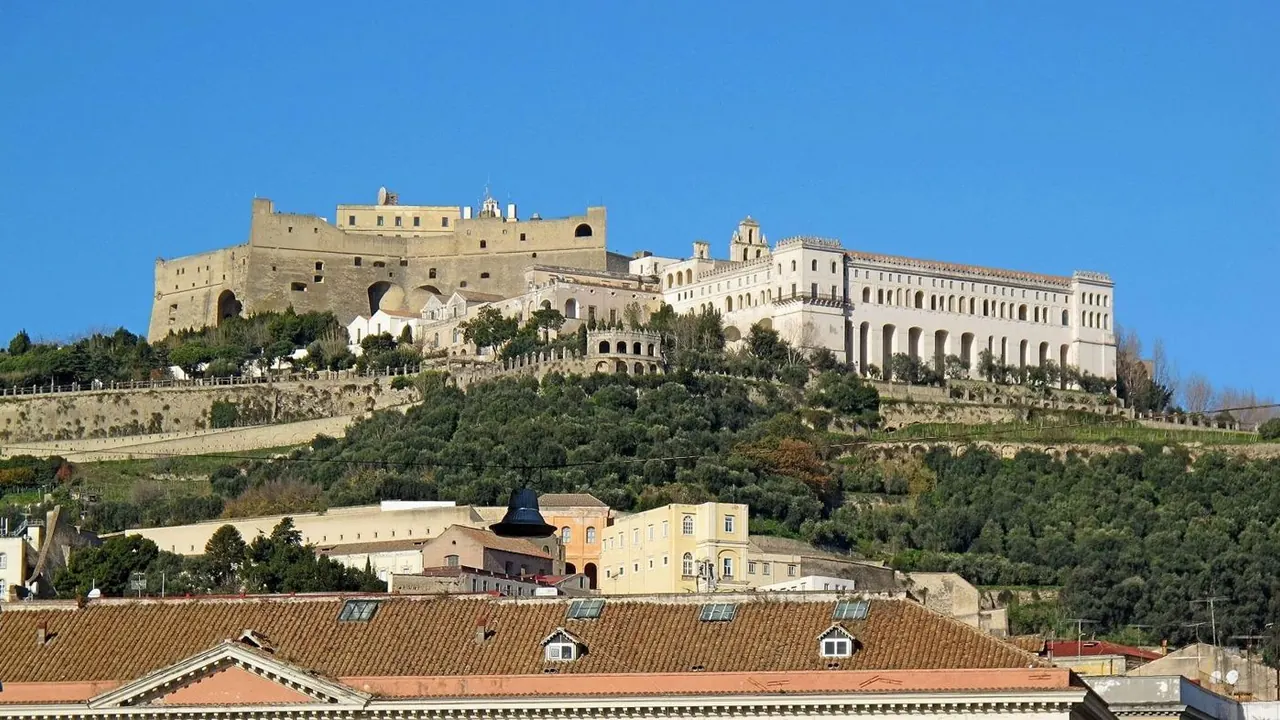
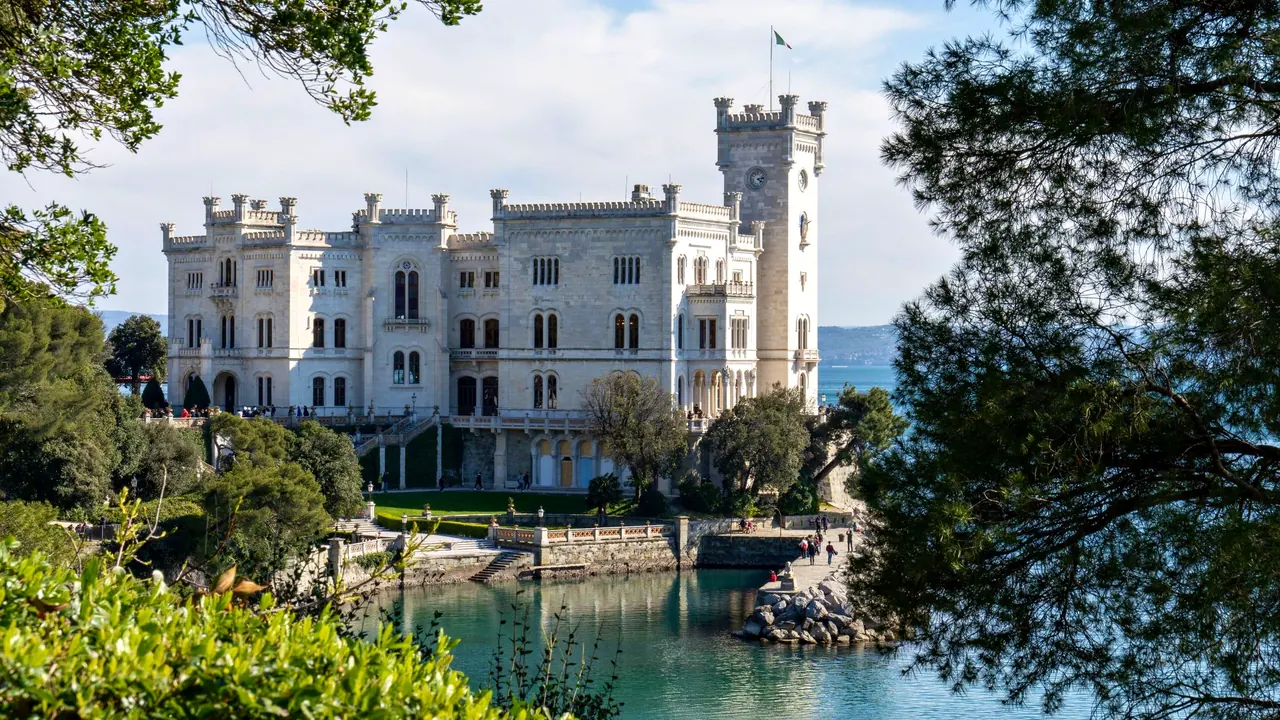
Photos: Naples by pietro scerrato, CC BY 3.0, cropped; Trieste by Tibor Szabo, Pexels License.
Naples or Trieste?
Our verdict in twelve categories, each scored against the same fixed benchmark cities, and the climate month by month, so you can choose for your trip.
Choose Naples for
- nightlife
- culture and sights
- shopping
Naples is the stronger pick for travellers who want a lot from a week: the archaeological museum, the churches of the Greek street grid, a city underground, and Pompeii, Herculaneum, Capri and the Amalfi Coast all within a train or ferry ride. It feeds you better and for less, and its evenings in the piazzas run late. The price is noise, traffic and lanes that are hard work for small children.
Choose Trieste for
- getting around
- beaches
- families
Trieste suits a calmer, slower trip. Its Habsburg centre is flat and easy to walk, and the sea at Barcola is clear enough to swim from the promenade on a summer afternoon. Families with older children and anyone who likes coffee houses, Karst walks and border-hopping day trips to Slovenia will settle in more easily here, as long as they don't expect much nightlife or shopping.
Scoreboard
Twelve categories on one fixed scale from 0 to 100. The shaded stretch is the gap between the two.
Your match
Pick a travel style or drag the sliders, and both match scores follow your weighting.
Wins on nightlife and culture and sights with your weighting.
Wins on getting around and beaches with your weighting.
What matters to you?
Category by category
What the scores mean for a trip.
Beaches & swimming
Neither city has a proper sandy beach on its doorstep, but Trieste makes swimming much easier. Barcola's long promenade of concrete platforms and pine-shaded lawns, with ladders into clear Adriatic water, is a bus ride from Piazza Unità, and the pebble coves at Sistiana and Grignano are close by.
In Naples you can swim off the rocks below the Lungomare or at the small Posillipo lidos, but the water near the port is not always clean and the sandy stretches are paid clubs. The best sea is a hydrofoil away on Procida, Ischia or Capri, so a swim there takes up a whole day.
Food & drink
Naples is the stronger food city by a distance. Pizza, fried street food, sfogliatelle and babà, plus markets like Pignasecca full of mozzarella and San Marzano tomatoes, make eating a reason to go in its own right.
Trieste eats in a different, more Central European way: boiled pork carved at the buffet counter, jota soup, strudel and a coffee culture with its own vocabulary, plus farmhouse osmize on the Karst. It is interesting, but there is less of it, and neither city offers much international food.
Culture & sights
Naples has far more to see. The National Archaeological Museum's finds from Pompeii, the Veiled Christ in the Cappella Sansevero, the Greco-Roman tunnels and the churches packed along Spaccanapoli can fill a week.
Trieste's appeal is more about how the place looks: the Habsburg harbour front of Piazza Unità, the Borgo Teresiano grid, San Giusto hill and Miramare Castle. The Risiera di San Sabba and the Joyce and Svevo connections add depth, but you will see the main sights in two or three days.
Nightlife
A night out in Naples means a crowd in the street. In Trieste it means a glass of wine at a table, and Naples keeps going much later. Students drink on the steps by the old Greek walls around Piazza Bellini, and the small bars on the slopes of Chiaia spill into the alleys at weekends and right through summer. Clubs are few, though, and in summer the dancing moves out to beach clubs along the coast.
Trieste's evening revolves around the aperitivo: a spritz or a local white wine around Piazza Unità, along the Canal Grande or in the lanes of Cavana, plus a handful of student wine bars and pubs. Warm nights draw people out to the kiosks at Barcola. In winter the streets are quiet by midnight, so the city suits a long dinner better than a late night.
Nature & outdoors
Naples has the more dramatic setting. You can walk to the crater rim of Vesuvius, explore the Phlegraean Fields with Astroni's wooded crater and Lake Avernus, and do the Path of the Gods above the Amalfi Coast on a long day out.
Trieste's outdoors is gentler but closer to the door. The Strada Napoleonica and the Rilke Path run along clifftops, there is hiking in the Val Rosandra gorge, and the Karst caves are nearby. Both cities have a marine reserve for snorkelling, at Gaiola and Miramare respectively.
Day trips
Both are excellent bases, but Naples has the more famous list. Pompeii and Herculaneum are under an hour away on the Circumvesuviana, Capri and Procida are a ferry ride from Molo Beverello, and there are also Caserta's palace, the Amalfi Coast and the temples at Paestum.
Trieste's strength is variety across borders. Within about an hour you can reach Aquileia's mosaics, star-shaped Palmanova and Piran in Slovenia, with Ljubljana, Postojna and Venice further out.
Good for families
Trieste is the easier city with children. It is calm and safe, and the Grotta Gigante, the aquarium and the Miramare gardens make good outings, though the swimming is off rocks and the old town is steep.
Naples welcomes children warmly in its pizzerias, but scooters in the lanes, broken pavements and summer crowds make it tiring. Many families stay in Sorrento or on an island and come into the city for the day.
Getting around
Trieste is the simpler city to get around. Its main sights are close together on flat ground by the sea, buses run reliably to Barcola and up to the Karst, and boats cross to Muggia. The only real effort is the steps up to San Giusto.
Naples has a metro, with art-filled stations on Line 1, and four funiculars up to Vomero. Beyond those, buses get stuck in traffic, the Circumvesuviana is crowded and delay-prone, and crossing the road takes nerve.
Shopping & style
Naples gives shoppers more reason to come. There is handmade tailoring in Chiaia, the iron-and-glass Galleria Umberto I, smart boutiques on Via dei Mille and the nativity workshops of San Gregorio Armeno.
In Trieste, the best finds are in the antique shops of the old town and the edible things: coffee from local roasters, Karst wine and presnitz. Beyond those, the high street is ordinary.
Affordability
Naples goes further for a traveller watching costs. Pizza, street food and coffee at the bar are cheap, and there are plenty of modest B&Bs in the historic centre, though island ferries and Amalfi hotels cost resort prices.
Trieste is fairly priced rather than cheap. Buffet meals, buses and swimming at Barcola cost little, but seafood dinners and smarter hotels are at normal Italian city rates, and rooms get tight around the Barcolana regatta.
Live music & performing arts
Naples has the grander stage. The red-and-gold Teatro di San Carlo, the oldest opera house in Europe still in use, is joined by concerts at the conservatory and Neapolitan song in trattorias and small theatres.
Trieste's Teatro Verdi runs a proper opera season and keeps up a Habsburg fondness for operetta that is rare in Italy, and there is also a Slovenian-language theatre. Outside the opera houses, both cities have only a thin live-music circuit.
Wellness & relaxation
Naples has real thermal water and Trieste has a slow pace, so the choice depends on which kind of rest you are after. The volcanic ground around Naples feeds the spa at Agnano, used since Roman times, and Ischia's terraced thermal parks are about an hour away by hydrofoil. The city itself is loud, though, and many who come to unwind stay on the island instead.
Trieste has only hotel spas and a few day spas, but the city is unhurried. A morning over a newspaper in an old coffee house and an evening walk out along the Molo Audace as the sun sets over the gulf make quiet days easy without leaving town.
When should you go?
Pick your month. The climate figures are measured averages, not a forecast.
Naples in July
Trieste in July
Daytime high, °C
Rainfall in the month, mm
Where the figures come from
Naples's sunshine is measured 28 km from the centre, at Grazzanise.
Temperature and rainfall are climate normals, averaged over the years shown. Naples: 2005-2020 (sunshine 1991-2020, rainfall 1971-2000) normals, Napoli / Capodichino (4.6 km from centre). Trieste: 1991-2020 normals, Trieste (1.6 km from centre).
Both cities have their best swimming from June to September, when the sea in each reaches the mid-20s. Naples gets the hotter, drier, sunnier summer. July and August run to about 31°C with almost no rain, which is fine on the rocks but heavy going in the streets and on the ruins at midday. Trieste stays a little cooler in high summer and keeps getting thundery rain right through August.
For walking and sightseeing, May and late September to October suit both. Naples is milder in winter, with highs around 13°C against Trieste's 9°C and the cold Bora wind, but it is much wetter in late autumn, with November rainfall near 148mm. Trieste's rain is spread more evenly through the year, with its wettest stretch also in autumn and a damp May.
Which traveller are you?
For a food and nightlife trip, Naples is the clear choice. Pizza in its birthplace, fried street snacks, pastries and market produce come at local prices, and the crowds outside the bars at Piazza Bellini and in Chiaia keep the evenings going well past midnight.
On a family trip with children, Trieste is the easier base. It is safe and calm, the flat waterfront makes short walks easy, and Miramare's gardens, the Grotta Gigante and the Barcola promenade fill days without the scooters and crowds that wear families down in Naples.
On a beach and sun trip, Trieste makes swimming part of everyday life. Barcola's platforms and lawns sit a short bus ride from the centre over clear water, whereas in Naples the good swimming usually means a ferry to the islands or the Sorrento coast.
Before you go
| Measure | Naples | Trieste |
|---|---|---|
| Official language | Italian | Italian |
| Currency | Euro (EUR) | Euro (EUR) |
| Sockets | CFL230 V, 50 Hz | CFL230 V, 50 Hz |
| Driving side | Right | Right |
| Time zone | UTC+1, UTC+2 in summer | UTC+1, UTC+2 in summer |
| Emergency number | 112 | 112 |
| Elevation | 17 m | 2 m |
| Main airport | Naples International Airport (NAP)7 km from centre131 non-stop destinations | Trieste Airport (TRS)31 km from centre32 non-stop destinations |
| Public holidays this year | 13 days | 13 days |
By the numbers
| Measure | Naples | Trieste |
|---|---|---|
| City population | 913,462 | 198,417 |
| People per km² | 7,676 | 2,332 |
| Museums within 10 km | 65 | 33 |
| UNESCO World Heritage sites within 50 km | 5 | 5 |
| Swim season, months above 21 °C | 5 months | 4 months |
Where else could you go?
Every comparison below shares a destination with this one, so you can follow Naples or Trieste somewhere new.
- Sorrentovs Naples
- Positanovs Naples
- Amalfivs Naples
- Salernovs Naples
- Rovinjvs Trieste
- Ljubljanavs Trieste